China on Saturday launched a care program aimed at exploring a new model for full-cycle care of amyotrophic lateral sclerosis (ALS) patients in the middle and late stages.
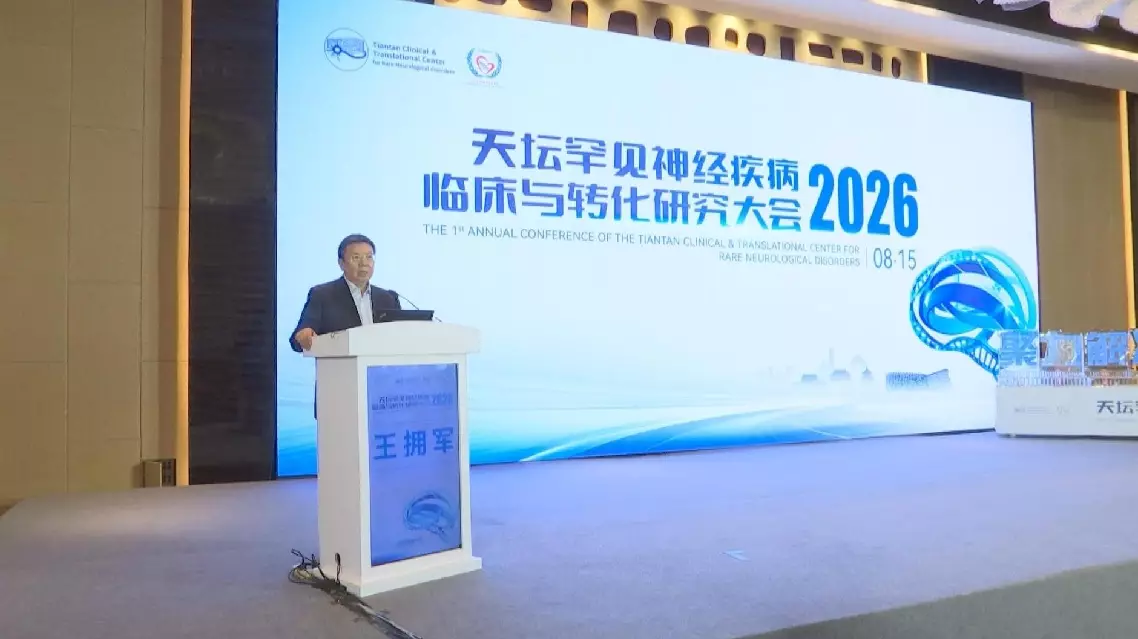
The program was unveiled at the First Annual Conference of the Tiantan Clinical and Translational Center for Rare Neurological Disorders, held in Beijing.
Distinct from conventional approaches, the program breaks new ground by shifting focus from pure disease intervention to the holistic well-being and dignity of patients, with strong attention to caregiver professionalism.
By implementing systematic training and a unified qualification framework, it bridges the deficiencies of home care and ensures sustained, professional support throughout the entire course of the disease.
"most patients with amyotrophic lateral sclerosis (ALS) or many neurodegenerative diseases are paralyzed, but they have a long survival period ahead of them. In the past, we only focused on the disease itself—just asking how they were doing today and recording mechanical scores," said Wang Yilong, deputy director of the National Center for Neurological Disorders of Beijing Tiantan Hospital of Capital Medical University.
"We have also come to realize that patients need more support. This support should not just view them as patients, but as dignified individuals who deserve enough respect and full-chain support from all sectors of society. How To help them live better, with quality and dignity, caregivers are actually more important than medical professionals," Wang added.
Upwards of 60,000 people in China suffer from ALS, according to estimates based on the disease's prevalence. The researchers behind this program hope that these patients' needs as human beings will not be overlooked.
China pioneers new model for dignified ALS patient care