Spain's olive oil industry, the world's largest, is under unprecedented strain as extreme heat and drought take a heavy toll on its harvest, raising fears of another global food price shock.
The sector supports hundreds of thousands of jobs year‑round and employs millions more during the peak picking season. But this year's relentless heatwave and severe water shortages have devastated olive groves across the country, and experts are warning that the crisis could send global olive oil prices soaring once again if the situation does not improve.
Last year, Toledo province produced 35,000 tonnes of olive oil, a sharp drop from 54,000 tonnes the year before. The story is much the same across the country, which accounts for more than half of global production.
Olive farm advocates said that a perfect storm is brewing, as climate change, extreme weather, wildfires, rising fertilizer costs, U.S. tariffs, ongoing conflicts, and now the El Nino phenomenon are all taking their toll.
"Between pandemic, the war in Ukraine, the war in Iran, our last study shows that our costs have risen by 57 percent. This has brought us losses. The current situation is very worrying," said Jose Maria Penco, director of the Association of Spanish Olive Oil Municipalities.
The problem is not confined to Spain. Europe's climate is heating at twice the rate of the rest of the world, and food production numbers are plummeting as a direct result. "Just this year in Europe, there's an estimate that the June heatwave alone caused losses of two billion dollars to farmers. That's nine million tons of grain. I reported on a study recently that estimated that climate change alone was already causing 20 billion dollars of losses a year to farmers worldwide. And the thing is that was looking at just three crops-- that was just wheat, soybeans and maize," said Michael Le Page, a senior reporter at New Scientist magazine.
The problem will be exacerbated by El Nino, Le Page stressed.
"It's by far the strongest El Nino we've ever had. So, I mean, the numbers are staggering. A forecast already from Goldman Sachs that this could lead to food prices going up 16 percent just from this El Nino. So that's a huge food shock," he said.
Another rising issue affecting farmers in the country is poor water management, according to Eusebio Garcia de la Cruz, CEO of a family olive oil business.
"Water is the oil of the future, and especially in an area like ours. Spanish economy would be much better off with correct management of its water," said de la Cruz.
Amid the slew of rising challenges, farmers and industry experts agreed that the price of food is set to skyrocket again.
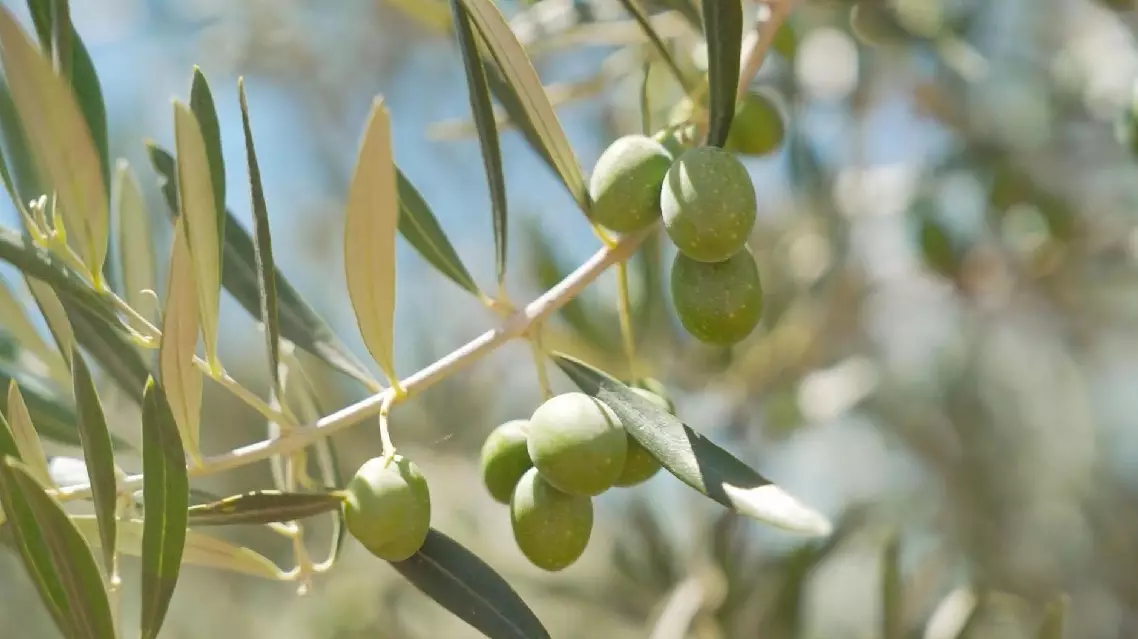
Super El Nino threatens Spain's olive harvests