Skip to Content Facebook Feature Image

All eyez on Tupac: Long-awaited trial begins in rapper's 1996 killing

ENT

All eyez on Tupac: Long-awaited trial begins in rapper's 1996 killing
ENT

ENT

All eyez on Tupac: Long-awaited trial begins in rapper's 1996 killing

2026-08-17 12:04 Last Updated At:12:11

LAS VEGAS (AP) — Opening statements are set to begin Monday in the trial of a man accused of orchestrating the killing of Tupac Shakur, kicking off weeks of testimony that will revisit what happened on a Las Vegas nearly 30 years ago.

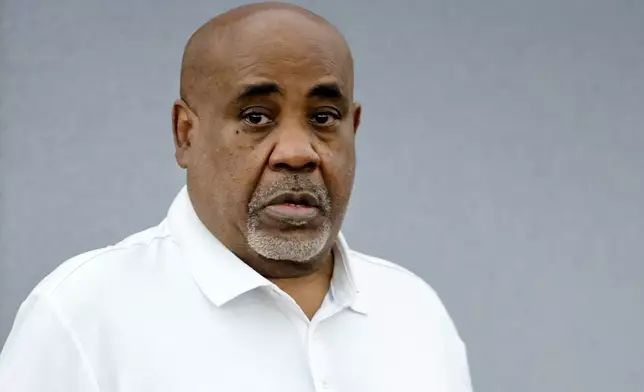
Duane “Keffe D” Davis, 63, is charged with murder with a deadly weapon with the intent to promote, further or assist a criminal gang in the rapper’s death. He pleaded not guilty, but if convicted, faces life in prison.

More Images
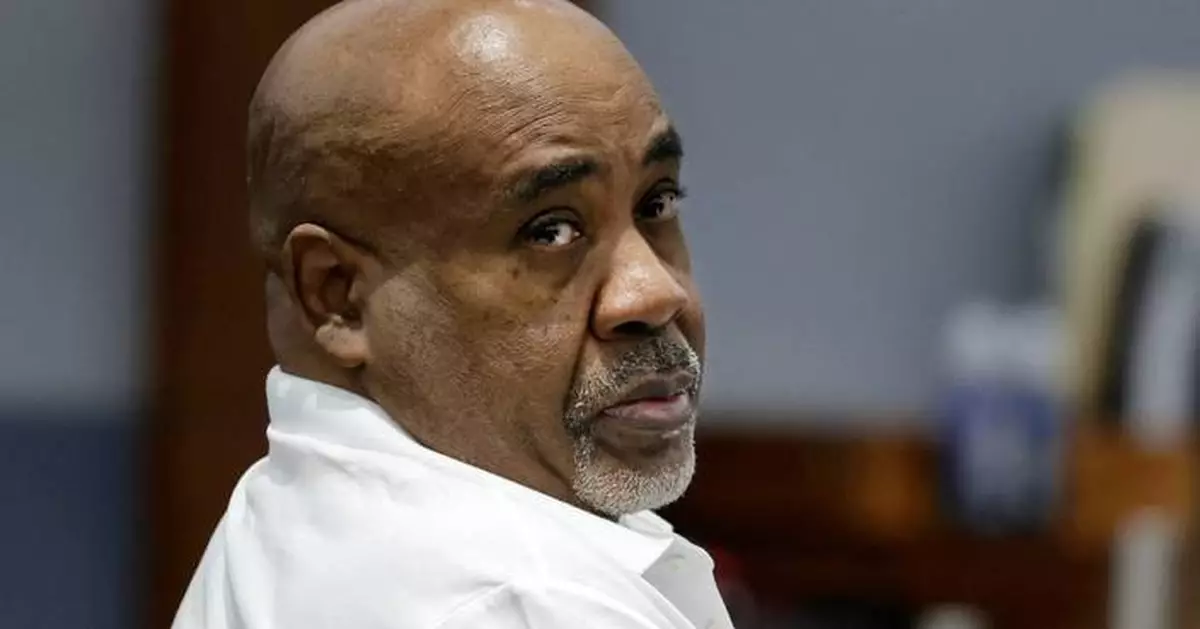
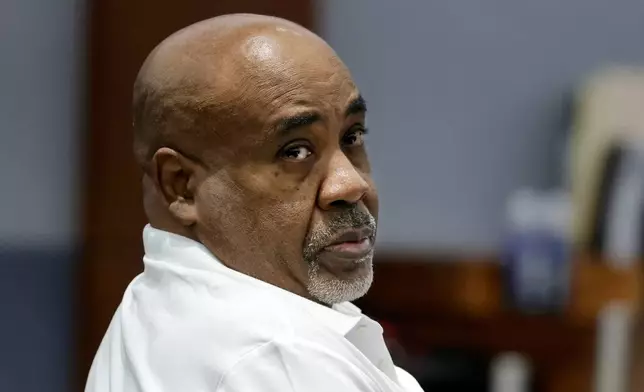
Duane Davis enters the courtroom after a break in the third day of jury selection in his murder trial, related to the 1996 killing of rapper Tupac Shakur, at Clark County District Court Regional Justice Center on Wednesday, Aug. 12, 2026, in Las Vegas. (Steve Marcus/Las Vegas Sun via AP, Pool)
Duane Davis enters the courtroom after a break in the third day of jury selection in his murder trial, related to the 1996 killing of rapper Tupac Shakur, at Clark County District Court Regional Justice Center on Wednesday, Aug. 12, 2026, in Las Vegas. (Steve Marcus/Las Vegas Sun via AP, Pool)
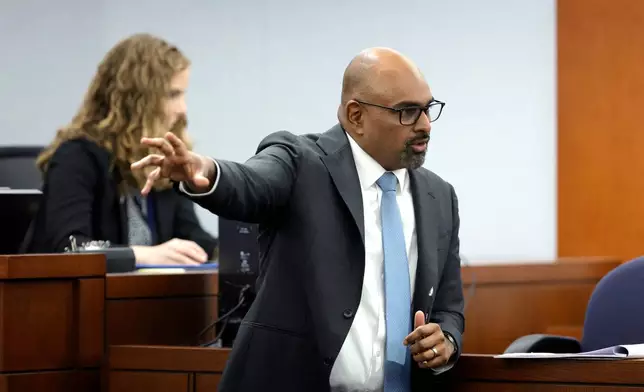
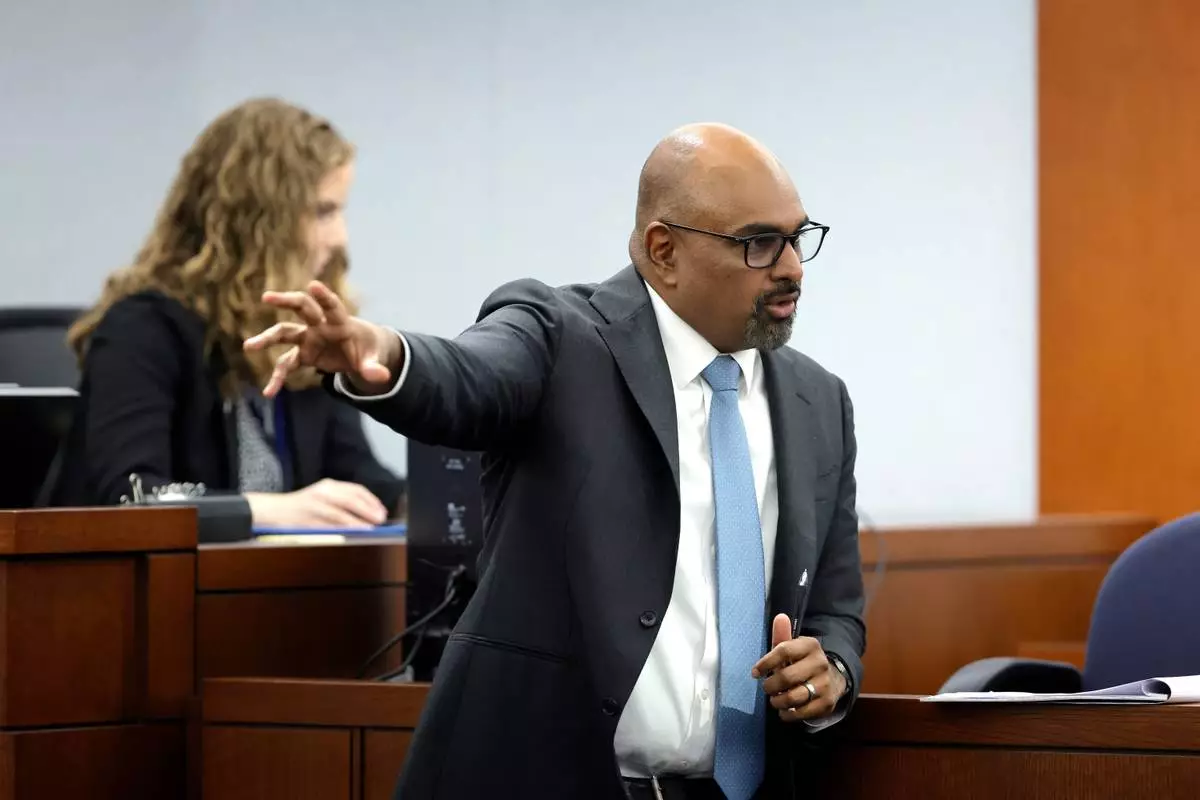
Chief Deputy District Attorney Binu Palal questions a prospective juror during the third day of jury selection in Duane Davis murder trial, related to the 1996 killing of rapper Tupac Shakur, at Clark County District Court Regional Justice Center on Wednesday, Aug. 12, 2026, in Las Vegas. (Steve Marcus/Las Vegas Sun via AP, Pool)
Chief Deputy District Attorney Binu Palal questions a prospective juror during the third day of jury selection in Duane Davis murder trial, related to the 1996 killing of rapper Tupac Shakur, at Clark County District Court Regional Justice Center on Wednesday, Aug. 12, 2026, in Las Vegas. (Steve Marcus/Las Vegas Sun via AP, Pool)

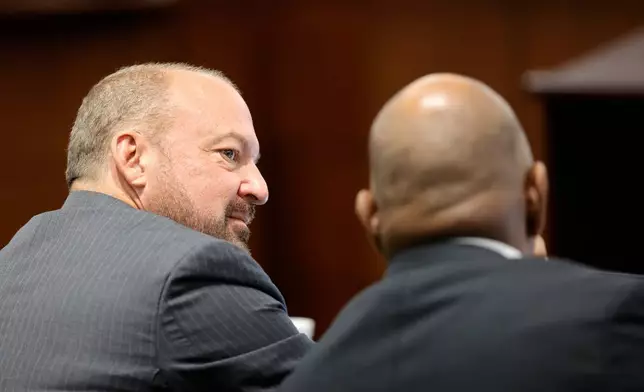
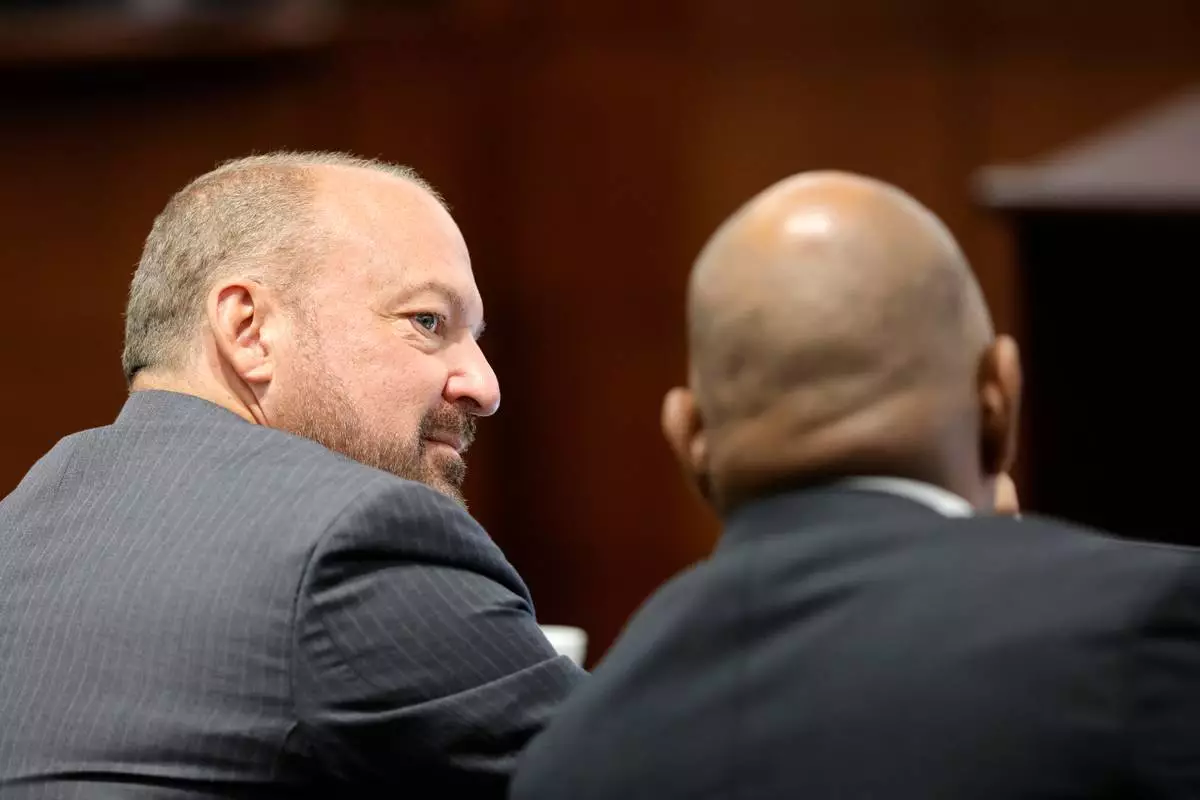
Chief Deputy District Attorneys Marc DiGiacomo, left, and Binu Palal confer during the third day of jury selection in the Duane Davis murder trial, related to the 1996 killing of rapper Tupac Shakur, at Clark County District Court Regional Justice Center on Wednesday, Aug. 12, 2026, in Las Vegas. (Steve Marcus/Las Vegas Sun via AP, Pool)

Chief Deputy District Attorneys Marc DiGiacomo, left, and Binu Palal confer during the third day of jury selection in the Duane Davis murder trial, related to the 1996 killing of rapper Tupac Shakur, at Clark County District Court Regional Justice Center on Wednesday, Aug. 12, 2026, in Las Vegas. (Steve Marcus/Las Vegas Sun via AP, Pool)

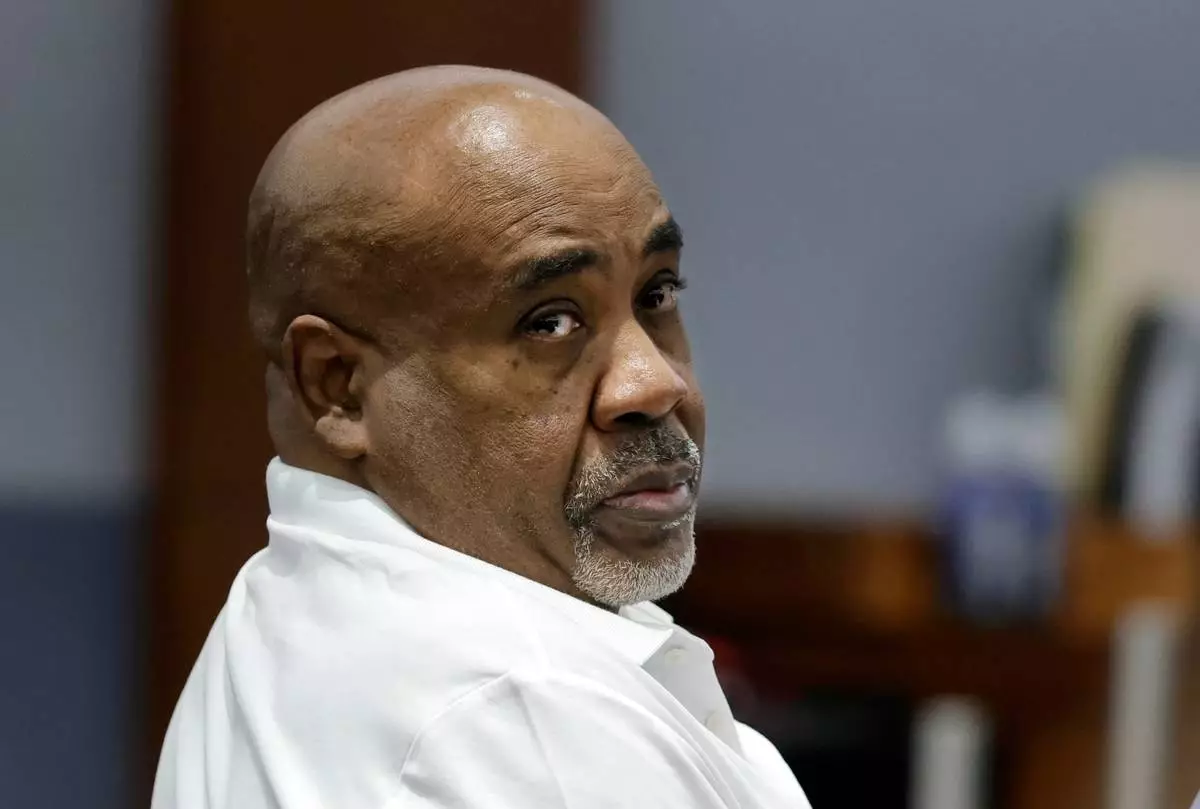
Duane Davis appears in court during the third day of jury selection in his murder trial, related to the 1996 killing of rapper Tupac Shakur, at Clark County District Court Regional Justice Center on Wednesday, Aug. 12, 2026, in Las Vegas. (Steve Marcus/Las Vegas Sun via AP, Pool)

Duane Davis appears in court during the third day of jury selection in his murder trial, related to the 1996 killing of rapper Tupac Shakur, at Clark County District Court Regional Justice Center on Wednesday, Aug. 12, 2026, in Las Vegas. (Steve Marcus/Las Vegas Sun via AP, Pool)

The long-unsolved drive-by shooting gripped the hip-hop community, partly because no one was charged until Davis was indicted in 2023.

Shakur remains a cultural icon and is considered one of the most influential and versatile rappers of all time, despite dying at 25. He was nominated for six Grammy Awards and was inducted into the Rock & Roll Hall of Fame in 2017.

In recent years, he received a posthumous star on the Hollywood Walk of Fame, had a street in Oakland named in his honor and inspired a character on the upcoming video game "Stranger than Heaven.”

Over the course of the trial, which could span weeks, prosecutors plan to call 35 to 45 potential witnesses, and the defense will call only a handful to testify.

Members of Shakur’s family are expected to be in the courtroom Monday. Shakur’s stepbrother, Maurice “Mopreme” Shakur, recently told The Associated Press that sitting through the trial will be retraumatizing for the family, but it's important to be there.

“We’re gonna stand by Pac as we always have,” he said.

Along with Shakur's family, friends and fans traveled to Las Vegas to show their support during jury selection.

Darryl Harper, a veteran music producer who collaborated with Shakur at Death Row Records on songs released after the 1996 shooting, said he booked a plane ticket as soon as the latest trial date was set.

“He became a personal friend of mine as I worked with him almost every day of his last days here,” said Harper, who flew in from his home in Georgia.

Harper hopes the trial will reveal the truth about who was involved with the shooting.

“My prayer is that it’s the right person,” he said outside the court during jury selection. “If he’s the right person, then I’m glad that Tupac would get some kind of redemption finally. I think he deserves it.”

Shakur's cousins Kendrick Lesane and William Lesane flew in from Atlanta to watch jury selection. William Lesane said he wants someone held accountable.

“For me, justice has long left the station 30 years ago,” he said.

Prosecutors aren't claiming Davis pulled the trigger. Rather, they say he organized the shooting to get revenge after Shakur and his entourage beat up Davis' nephew at the MGM Grand hours before Shakur was shot.

The gunfire came from a white Cadillac that Davis was in with three others, all who have since died.

In 2008, Davis spoke to investigators looking into the deaths of Shakur and Notorious B.I.G., born Christopher Wallace. During the investigation, Davis was under an agreement that what he said about Shakur's killing couldn't be used against him. But nearly 10 years later, Davis published a book with those details and participated in media interviews in which he laid out his role in the shooting.

The book and his public statements revived the Las Vegas investigation and became key pieces of evidence, prosecutors say.

"Had he decided to never write the book, he would not, probably, have ever been prosecuted for the crime,” prosecutor Marc DiGiacomo recently said.

Davis' attorney Michael Sanft says Davis co-authored the book “Compton Street Legend” to make money, not to tell the truth. He argues it's impossible to tell which parts — if any — Davis wrote and which parts author Yusuf Jah penned.

Jah, who is on the list of potential witnesses, recently told an investigator that he didn't believe Davis fully read his own book, according to court documents.

Prosecutors say the book is sensationalized but that they'll show “what is true, what is exaggeration, and what is an outright lie,” they wrote in court documents.

Associated Press journalists Ty ONeil in Las Vegas and John Seewer in Toledo, Ohio, contributed.
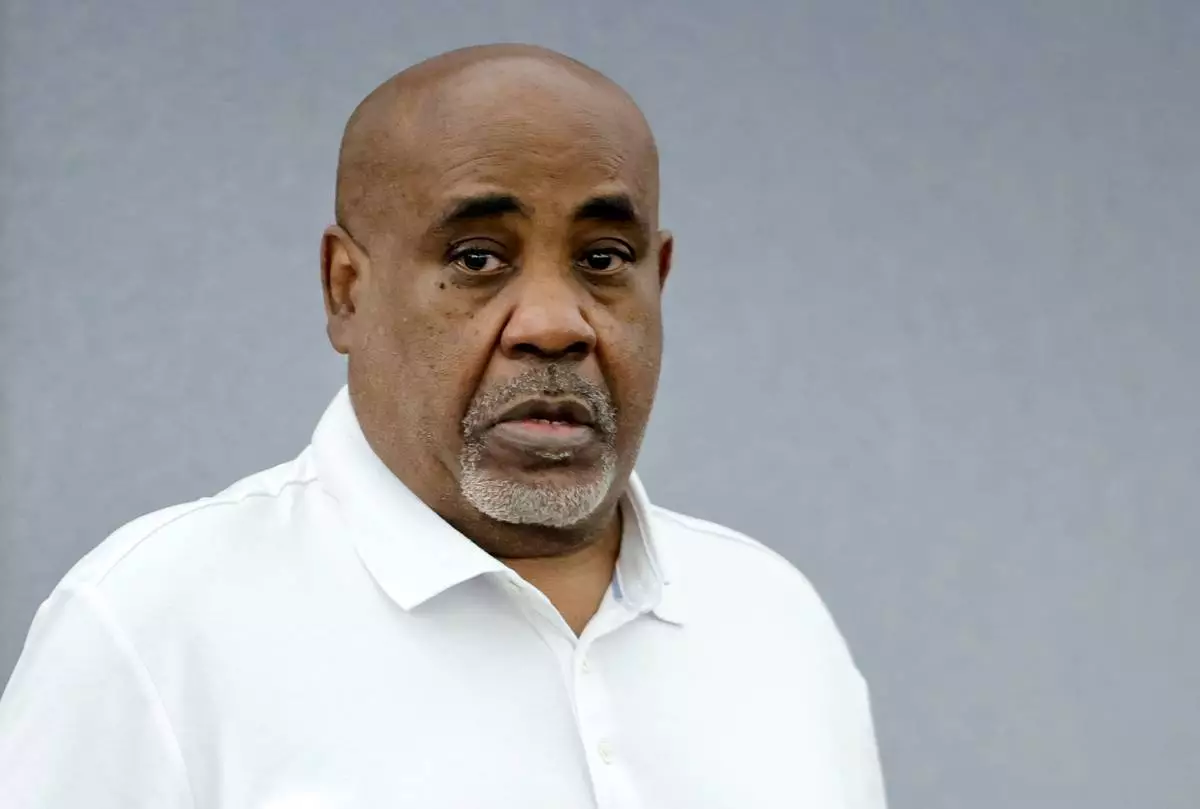
Duane Davis enters the courtroom after a break in the third day of jury selection in his murder trial, related to the 1996 killing of rapper Tupac Shakur, at Clark County District Court Regional Justice Center on Wednesday, Aug. 12, 2026, in Las Vegas. (Steve Marcus/Las Vegas Sun via AP, Pool)
Duane Davis enters the courtroom after a break in the third day of jury selection in his murder trial, related to the 1996 killing of rapper Tupac Shakur, at Clark County District Court Regional Justice Center on Wednesday, Aug. 12, 2026, in Las Vegas. (Steve Marcus/Las Vegas Sun via AP, Pool)
Chief Deputy District Attorney Binu Palal questions a prospective juror during the third day of jury selection in Duane Davis murder trial, related to the 1996 killing of rapper Tupac Shakur, at Clark County District Court Regional Justice Center on Wednesday, Aug. 12, 2026, in Las Vegas. (Steve Marcus/Las Vegas Sun via AP, Pool)
Chief Deputy District Attorney Binu Palal questions a prospective juror during the third day of jury selection in Duane Davis murder trial, related to the 1996 killing of rapper Tupac Shakur, at Clark County District Court Regional Justice Center on Wednesday, Aug. 12, 2026, in Las Vegas. (Steve Marcus/Las Vegas Sun via AP, Pool)

Chief Deputy District Attorneys Marc DiGiacomo, left, and Binu Palal confer during the third day of jury selection in the Duane Davis murder trial, related to the 1996 killing of rapper Tupac Shakur, at Clark County District Court Regional Justice Center on Wednesday, Aug. 12, 2026, in Las Vegas. (Steve Marcus/Las Vegas Sun via AP, Pool)
Chief Deputy District Attorneys Marc DiGiacomo, left, and Binu Palal confer during the third day of jury selection in the Duane Davis murder trial, related to the 1996 killing of rapper Tupac Shakur, at Clark County District Court Regional Justice Center on Wednesday, Aug. 12, 2026, in Las Vegas. (Steve Marcus/Las Vegas Sun via AP, Pool)
Duane Davis appears in court during the third day of jury selection in his murder trial, related to the 1996 killing of rapper Tupac Shakur, at Clark County District Court Regional Justice Center on Wednesday, Aug. 12, 2026, in Las Vegas. (Steve Marcus/Las Vegas Sun via AP, Pool)
Duane Davis appears in court during the third day of jury selection in his murder trial, related to the 1996 killing of rapper Tupac Shakur, at Clark County District Court Regional Justice Center on Wednesday, Aug. 12, 2026, in Las Vegas. (Steve Marcus/Las Vegas Sun via AP, Pool)

Of the thousands of lawsuits Meta faces over child safety on its platforms, none may be more consequential than one going to trial this week in California.

States are seeking extensive financial damages that could, in theory, total as much as $1.4 trillion, plus changes to how the company operates Facebook and Instagram.

The lawsuit accuses the social media giant of contributing to the youth mental health crisis by knowingly and deliberately designing features that get children addicted to its platforms. It also claims that Meta routinely collects data on children under 13 without their parents’ consent, in violation of federal law.

“Meta has harnessed powerful and unprecedented technologies to entice, engage, and ultimately ensnare youth and teens. Its motive is profit, and in seeking to maximize its financial gains,” the lawsuit says.

Dozens of states filed the lawsuit three years ago. The trial set to begin Tuesday in federal court in Oakland, California, features four of the states as plaintiffs — California, Colorado, Kentucky and New Jersey. The other 25 states are expected to have trials later.

Meta said it disputes the allegations, and the trial evidence will show its commitment to supporting young people. “We’ve listened to parents, worked with experts and law enforcement, and conducted in-depth research to understand the issues that matter most,” the company said in a statement.

For Meta, which already lost two pivotal cases over harms to children and teens this year, the stakes are high. The company reported a rare profit decline last month, in part due to $2.4 billion in legal expenses.

The $1.4 trillion figure, which Meta disclosed in a legal filing, is almost as high as the Menlo Park, California, company’s entire market capitalization — that is, the value of all its outstanding shares on the stock market. Paying it would inevitably put Meta Platforms in bankruptcy and perhaps put the company under state ownership.

“The state attorneys general are going for the gusto,” said Eric Goldman, a professor and co-director of the High Tech Law Institute at Santa Clara University School of Law. “They are trying to set the definitive precedent in this case and they have asked for extraordinary damages and they are going to seek extraordinary structural remedies if they succeed.”

Meta calls the possible penalty “untethered to any claimed violation” by the states.

“A sanction of that size has no analog in the history of consumer protection enforcement,” Meta said in a July 6 filing with the U.S. District Court for the Northern District of California.

If Meta loses the trial, the court would have wide discretion over the size of any financial penalty, and legal experts say anything close to $1.4 trillion would be unlikely.

“It’s not plausible in the sense that Meta doesn’t have that much money and could not get it,” said James Grimmelmann, a law professor at Cornell Law School and Cornell Tech. “An award that large would put Meta into bankruptcy, wipe out its owners, and effectively result in the states owning Meta.”

As a practical matter, Grimmelmann added, “that seems extremely unlikely to happen.”

In other cases that have involved high potential damages for multiple individual offenses, he said courts have stopped short of imposing the maximum penalties. One example is the Anthropic artificial intelligence training case, where plaintiffs were claiming damages of $150,000 per book that Anthropic copied, but the penalty ended up being $3,000 per book, totaling about $1.5 billion.

The federal trial this week is more complex than one earlier this year, in Los Angeles, where a state court awarded $6 million in damages from Meta and Google’s YouTube to a single plaintiff, a young woman who testified she became addicted to social media as a child.

That case was a bellwether, or test case, picked from thousands of similar civil tort lawsuits to give both plaintiffs and the defendants an idea of how their arguments fare in court. The jury determined that Meta and YouTube were negligent in the design or operation of their respective platforms, and that the negligence was a substantial factor in causing harm to the plaintiff. They also determined each company knew their platforms could be dangerous when used by a minor and that they failed to adequately warn of that danger.

The Oakland case, meanwhile, has state attorneys general as the plaintiffs and centers on state and federal statutes they allege Meta violated, which lay out potential penalty amounts for each violation.

“And there’s a lot of them because it’s four different states and at least three different kinds of statutes. There’s a child privacy statute, there’s a false advertising statute and there’s unfair competition statutes,” said Rebecca Allensworth, a professor at Vanderbilt University Law School.

An outcome that leads to changes in how Facebook and Instagram operate could be as consequential as any financial penalty.

Meta has introduced a slew of new features in recent years designed to protect minors. In 2024 it launched teen accounts on Instagram, which are private by default and come with messaging and content restrictions, and parental controls. The company also uses artificial intelligence to determine if kids under 13 are using Instagram or if teenagers are lying about their age to access adult accounts.

Safety advocates have called on the company to do more. A New Mexico judge earlier this month ordered new safety measures on the platforms including time limits for minors, AI chatbot restrictions, and mandatory warnings on the platforms, but his order applied only to users in the state.

“These AGs have a real chance at fixing the product,” Laura Marquez-Garrett of the Social Media Victims Law Center said Friday in a virtual discussion with advocates hosted by the Tech Oversight Project. “For these companies, this is a real point of reckoning. As these cases go forward, this is a leap forward, folks, not a step.”

During jury selection last week, prospective jurors were asked whether and how much they believe Meta has contributed to the youth mental health crisis. While many agreed that it did, they also put responsibility on parents, and said things like climate change and the state of the world are also causing children's and teenagers' mental health issues.

AP Technology Writer Kaitlyn Huamani contributed to this report.

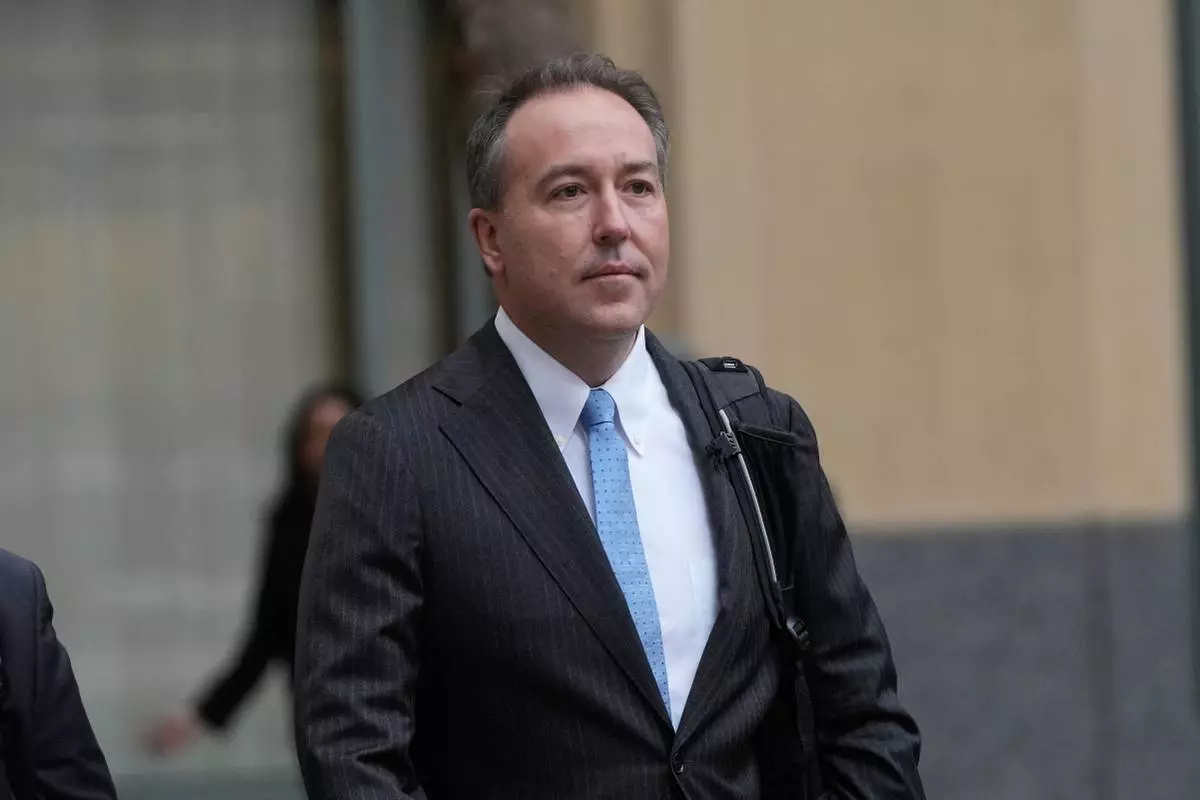
Colorado's Chief Trial Counsel Jason Slouthouber arrives at a Federal Courthouse Wednesday, Aug. 12, 2026, in Oakland, Calif. (AP Photo/Jeff Chiu)

Colorado's Chief Trial Counsel Jason Slouthouber arrives at a Federal Courthouse Wednesday, Aug. 12, 2026, in Oakland, Calif. (AP Photo/Jeff Chiu)

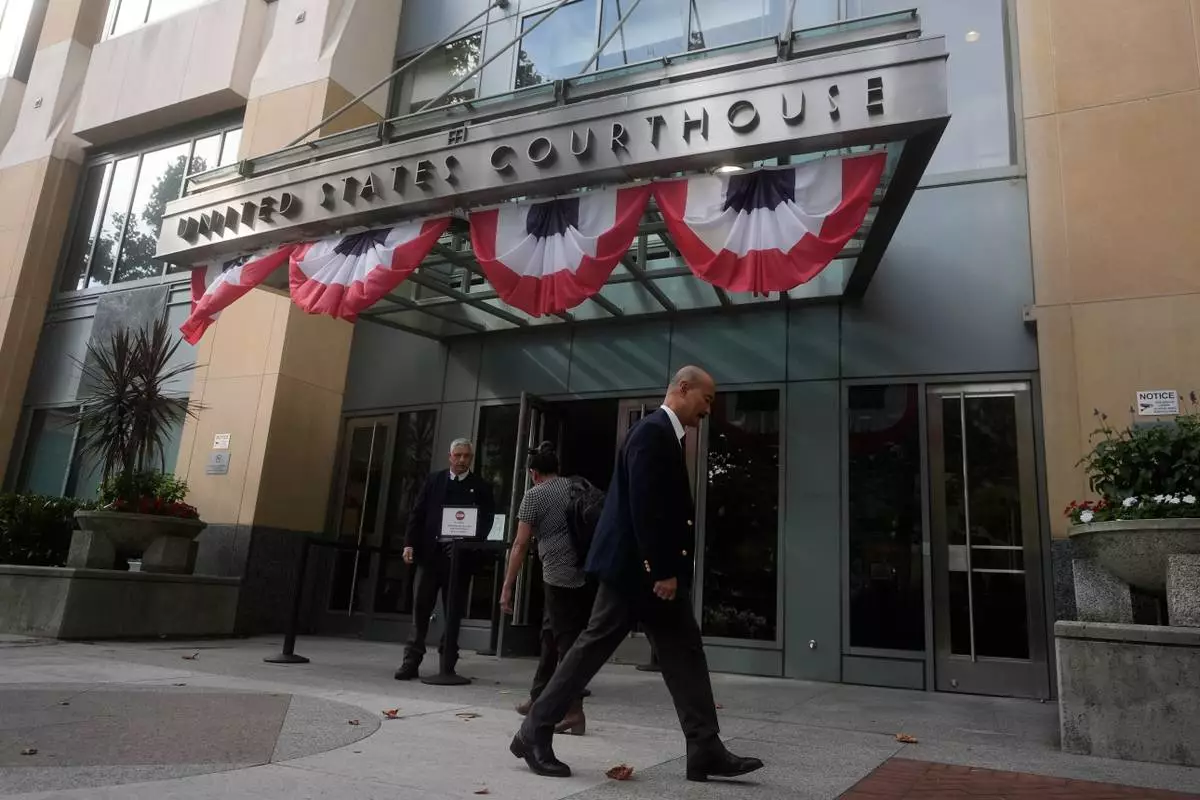
People walk outside of a Federal Courthouse Wednesday, Aug. 12, 2026, in Oakland, Calif. (AP Photo/Jeff Chiu)

People walk outside of a Federal Courthouse Wednesday, Aug. 12, 2026, in Oakland, Calif. (AP Photo/Jeff Chiu)

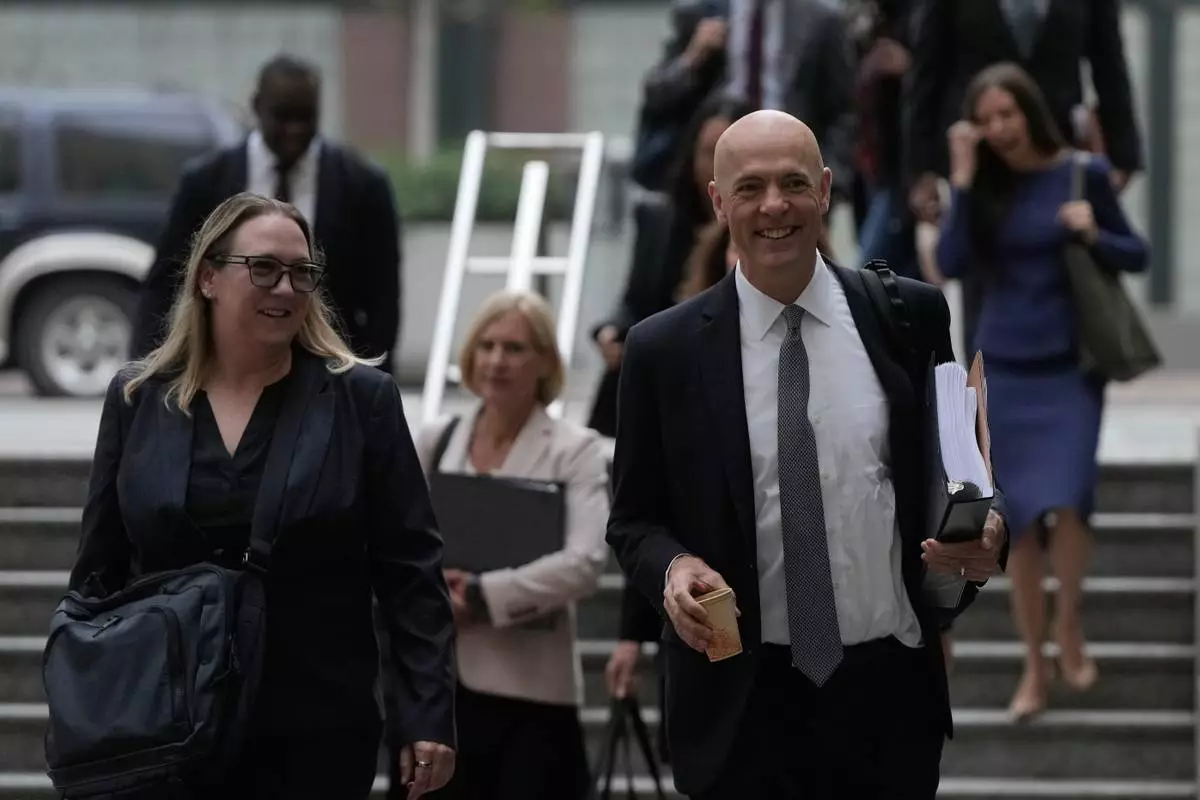
Attorney Paul W. Schmidt, representing Meta, right, arrives at a Federal Courthouse Wednesday, Aug. 12, 2026, in Oakland, Calif. (AP Photo/Jeff Chiu)

Attorney Paul W. Schmidt, representing Meta, right, arrives at a Federal Courthouse Wednesday, Aug. 12, 2026, in Oakland, Calif. (AP Photo/Jeff Chiu)

Recommended Articles