Shanghai exported 40.09 billion yuan (about 5.95 U.S. dollars) worth of ships in the first seven months of this year, up 64.1 percent year on year, with high-end vessels including liquid cargo ships and large container ships accounting for 83.9 percent of the total, according to statistics from Shanghai Customs.
Shanghai is a key base for China's high-end equipment industry in shipbuilding and marine engineering, with a relatively complete system covering research and development and design, final assembly and construction, core supporting facilities and supply chain services.
Surveys show that major shipbuilders in Shanghai are currently operating at full capacity with sufficient order backlogs, and some have their production already booked through 2030.
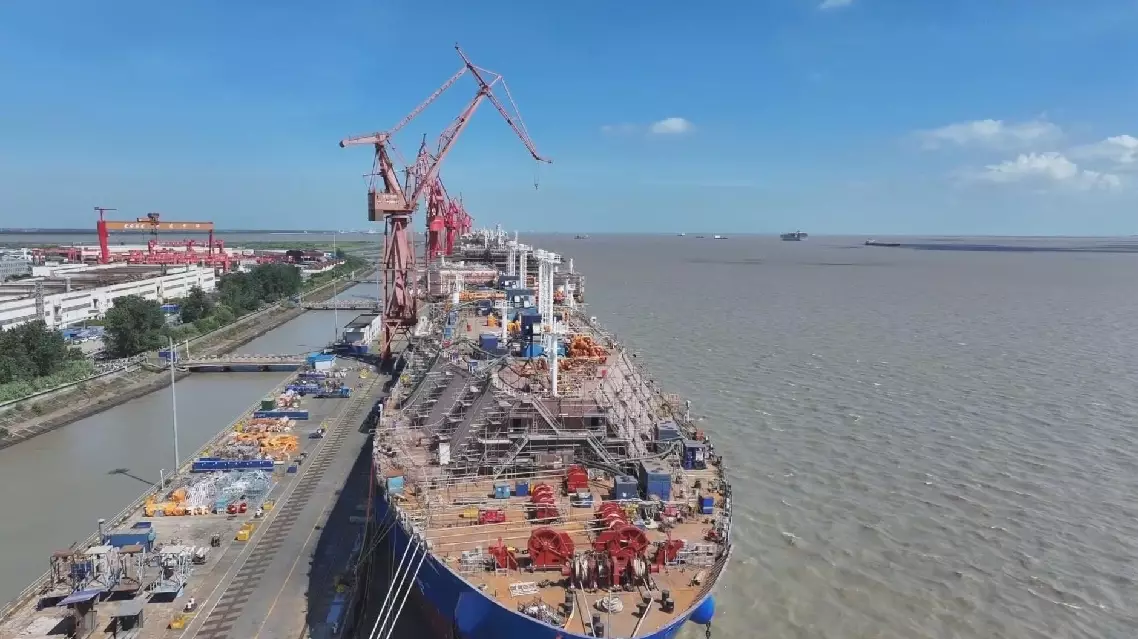
Shanghai ship exports surpass 40 billion yuan in first 7 months
Lebanon's tourism sector is facing a bleak summer as uncertainty continues to hang over the region, with the specter of war and an escalating security situation dealing a heavy blow to the travel industry.
The country would normally be entering its peak tourist season in August, but that has once again been overshadowed by regional tensions this year amid ongoing conflicts close to home. With no resolution in sight, the risk of flight cancellations has also prompted many international tourists and Lebanese travelers to postpone or completely cancel their plans.
At the iconic Pigeon Rocks in Beirut, the seaside promenade would normally be packed with tourists from Gulf countries and Europe, as well as Lebanese expatriates returning home for summer vacation.
But with the lingering conflict between Israel and Hezbollah, the bustling summer scenes of the past are nowhere to be seen.
According to official statistics from Lebanon, the indirect economic losses from a standstill in tourism, catering, and hotel businesses amount to approximately 35 million U.S. dollars per day. Additionally, by the end of July, the average hotel occupancy rate in Beirut stood at just 40 percent.
"This summer has been significantly affected by the ongoing regional tensions. So the instability has impacted travel decisions, especially on international markets," said Francis Moubarak, general manager of Raouche Arjaan by Rotana, a 4-star hotel in front of the Pigeon Rocks.
Flight uncertainty is another major risk facing tourists. Although commercial flights have gradually resumed operations since early July, the volatile regional situation means flights could be canceled again at any time.
Despite the difficulties it faces, Lebanon's Minister of Tourism Laura Lahoud said the country remains a popular destination for international tourists thanks to its unique tourism resources. Local industry insiders, however, have stressed that only lasting stability can restore the confidence of travelers.
"For international tourism to recover fully, the key factors, I believe, are the regional stability, restoration of regular flight schedules and increased confidence among travelers," said Moubarak.

Lebanon's summer tourism sector suffers blow amid regional uncertainty