China once again urges Japan to reflect on its war crimes and make a complete break with militarism, Chinese Foreign Ministry spokesman Lin Jian said on Monday.
Lin stated at a regular news briefing when asked to comment on Takaichi's address at the National Memorial Service for the War Dead on Aug 15.
"In her speech, Japanese Prime Minister Sanae Takaichi shunned reflection on historical lessons and blurred Japan's responsibility for its acts of aggression, taking a major backward step on historical issues. This once again laid bare the sinister attempt of the Takaichi administration to cover up, distort and reverse the verdict on Japan's history of aggression. It has drawn strong condemnation and widespread opposition from all sides. On the day marking Japan's [unconditional] surrender in World War II, Sanae Takaichi made a monetary offering to the 'shrine honoring war criminals', and high-ranking officials, including the Japanese Minister of Defense, also went to pay homage in person, which further heightened the vigilance of Asian neighbors and the international community over Japan's future trajectory," Lin said.
"People with insights in Japan have pointed out that a nation that fails to reflect on its past crimes cannot gain trust. The Defense Minister's action is tantamount to supporting a war of aggression. This year marks the 81st anniversary of the victory in the Chinese People's War of Resistance against Japanese Aggression and the World Anti-Fascist War, as well as the 80th anniversary of the opening of the Tokyo Trials. Only by facing history squarely and learning from it can we avoid repeating past mistakes and going astray again," Lin said.
"We once again urge those in power in Japan to listen carefully to the voices of justice from Japan and the international community, deeply deplore and atone for its war crimes, make a complete break with militarism, and not to go further down the wrong path," Lin added.
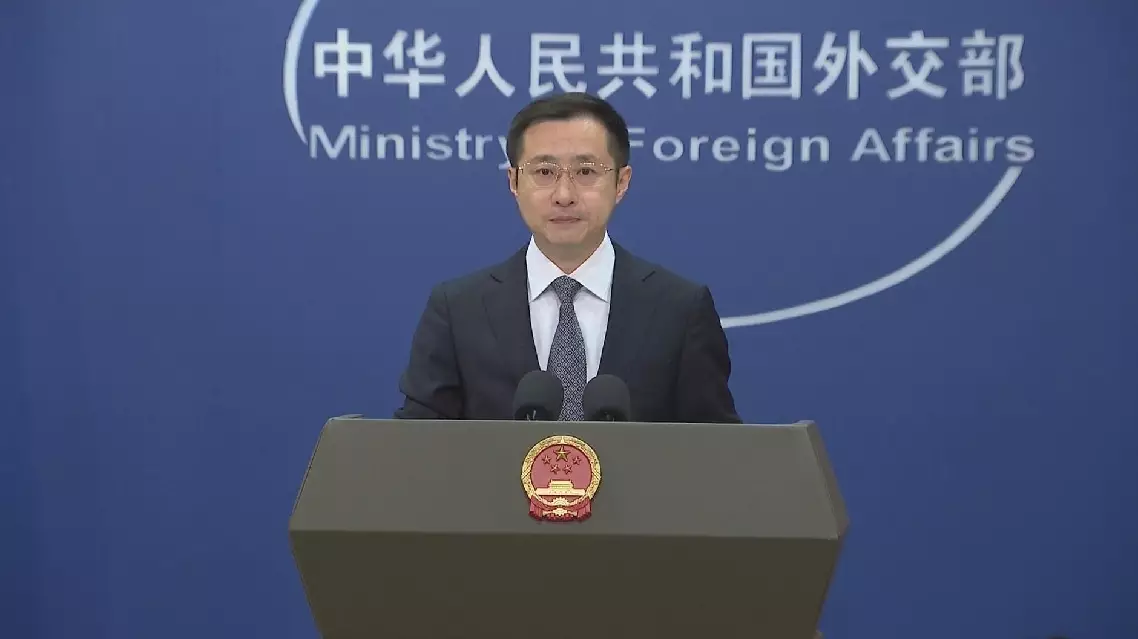
China urges Japan to reflect on war crimes, make clean break with militarism
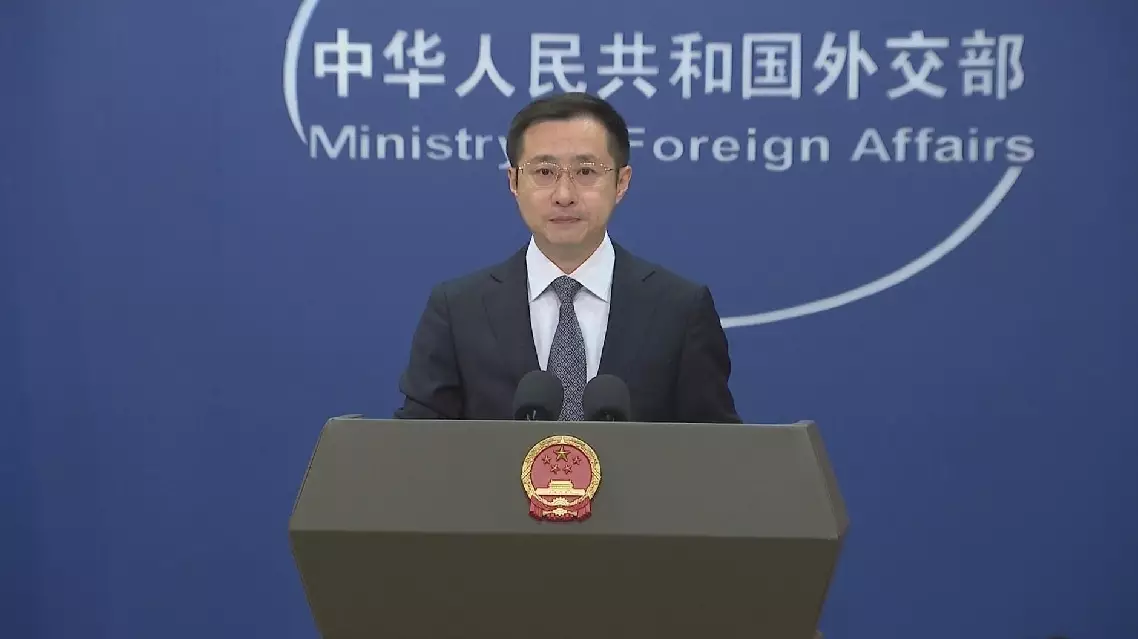
China urges Japan to reflect on war crimes, make clean break with militarism
A spokesperson for the Chinese Embassy in Japan on Saturday strongly condemned some Japanese politicians' actions related to the war-linked Yasukuni Shrine in Tokyo, after a Japanese leader sent a ritual offering to the shrine and some cabinet ministers and lawmakers visited it.
In response to a media inquiry, the spokesperson said that during World War II, Japan launched wars of aggression against other countries and committed inhumane atrocities.
China strongly condemns these negative actions by the Japanese side concerning the Yasukuni Shrine, the spokesperson said.
China solemnly urges Japan to deeply reflect on its history of aggression, face up to its war responsibilities, act and speak with extreme caution regarding issues such as the Yasukuni Shrine, make a clean break with militarism, and earn the trust of its Asian neighbors and the international community through concrete actions, the spokesperson said.
Japanese Minister of State for Economic and Fiscal Policy Minoru Kiuchi visited the Yasukuni Shrine on Saturday morning, becoming the first member of Prime Minister Sanae Takaichi's cabinet reported to have visited the shrine during its autumn festival this year.
Kiuchi offered "masakaki," a ritual offering of evergreen branches, at the shrine, while House of Representatives Speaker Eisuke Mori and House of Councilors President Masakazu Sekiguchi also sent offerings, Kyodo News reported. The shrine's three-day autumn festival began on Saturday.
Earlier in the day, Kyodo News reported that Takaichi had sent a "masakaki" offering to the shrine under her title of prime minister.
Takaichi, a conservative politician who regularly visited the shrine before becoming prime minister last year, is unlikely to visit it during the current festival, Kyodo News reported, citing a source close to her.
Yasukuni Shrine, located in central Tokyo's Chiyoda Ward, enshrines 14 convicted Japanese Class-A war criminals from World War II. It has long been a source of diplomatic frictions between Japan and its neighbors.
For a long time, visits and ritual offerings made by Japanese officials to the controversial shrine have repeatedly sparked criticism and opposition both at home and abroad, hurting the feelings of the people of China, South Korea, and other countries and regions victimized by Japan's wartime aggression.
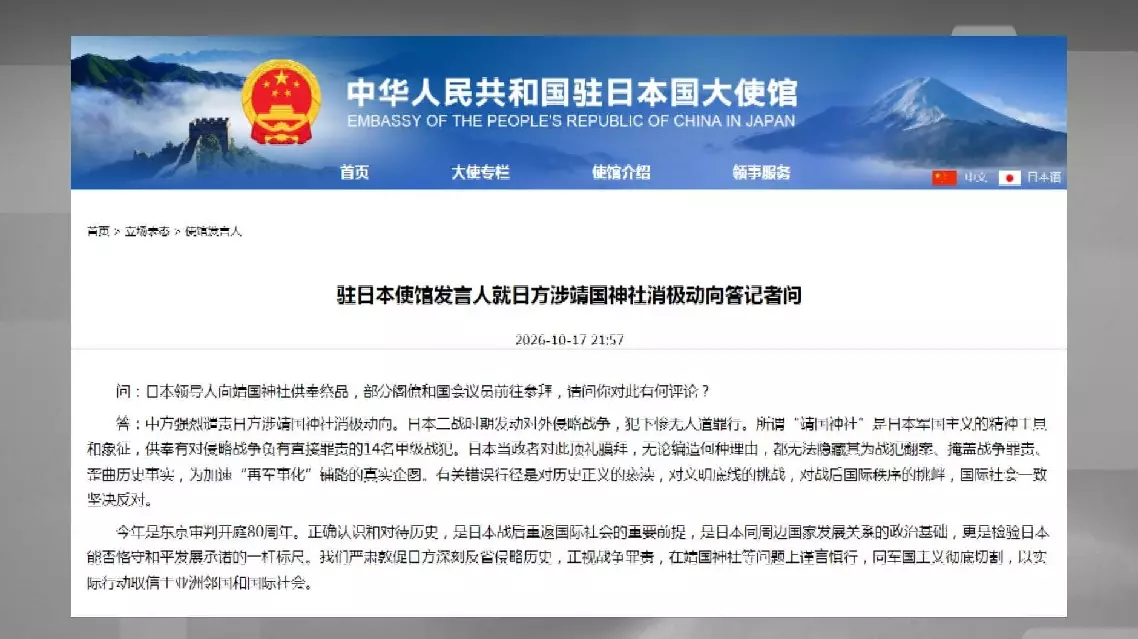
Chinese embassy slams Japan for politicians' visits, offerings to war-linked Yasukuni Shrine