PLYMOUTH, Mass. (AP) — The defense began calling witnesses Monday in the emotionally charged trial of Lindsay Clancy, the Massachusetts mom who has admitted killing her three young children but blamed her actions on her failing mental health.
The prosecution rested its case earlier in the day after three weeks of testimony. A former coworker of Clancy and Clancy's sister were among the first witnesses called to the stand.
Click to Gallery
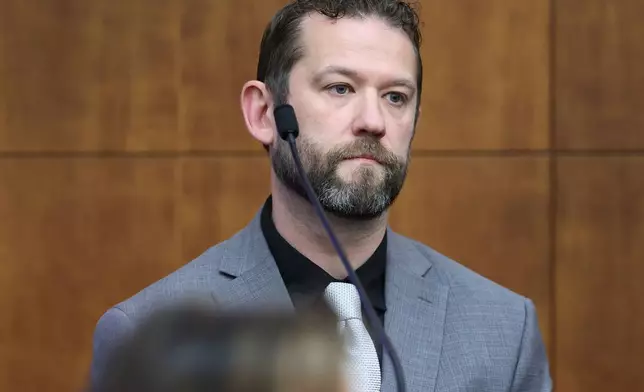
Witness Ian Whiffin of Cellebrite testifies on the stand during Lindsay Clancy's murder trial at Plymouth Superior Court in Plymouth, Mass., Monday, Aug. 17 2026. (Greg Der/The Patriot Ledger via AP, Pool)
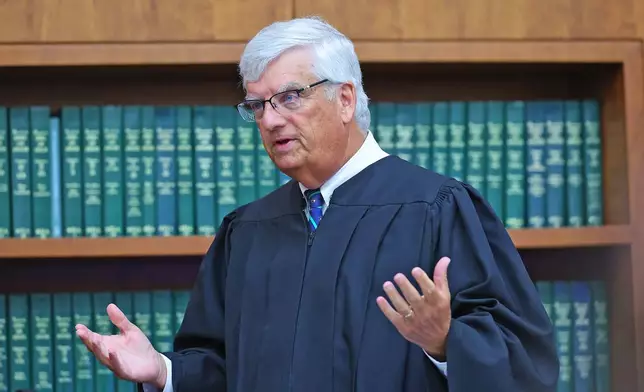
Justice William Sullivan informs the jury that the defense will start making their case as early as today during Lindsay Clancy's murder trial at Plymouth Superior Court in Plymouth, Mass., Monday, Aug. 17 2026. (Greg Der/The Patriot Ledger via AP, Pool)
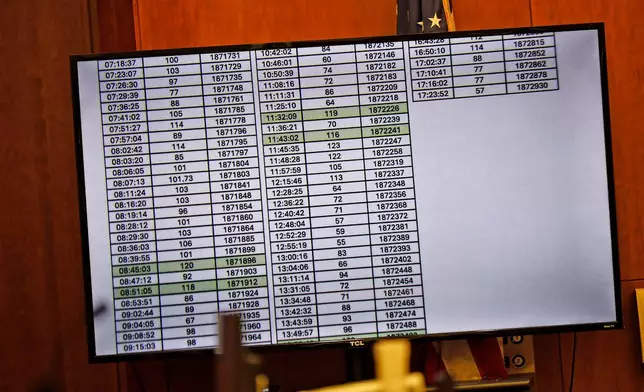
Heart rate details taken from the Apple Watch worn by Lindsay Clancy displayed by the prosecution during Clancy's murder trial at Plymouth Superior Court in Plymouth, Mass., Monday, Aug. 17 2026. (Greg Der/The Patriot Ledger via AP, Pool)
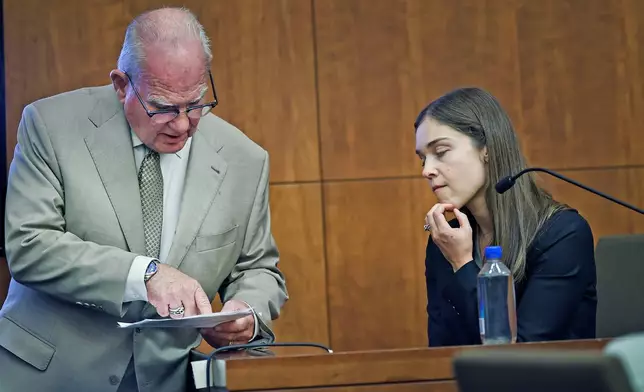
Defense attorney Kevin Reddington, left, questions psychiatrist Dr. Jennifer Tufts about her hand written notes during a session with Lindsay Clancy during Clancy's murder trial at Plymouth Superior Court in Plymouth, Mass., Monday, Aug. 10 2026. (Greg Der/The Patriot Ledger via AP, Pool)
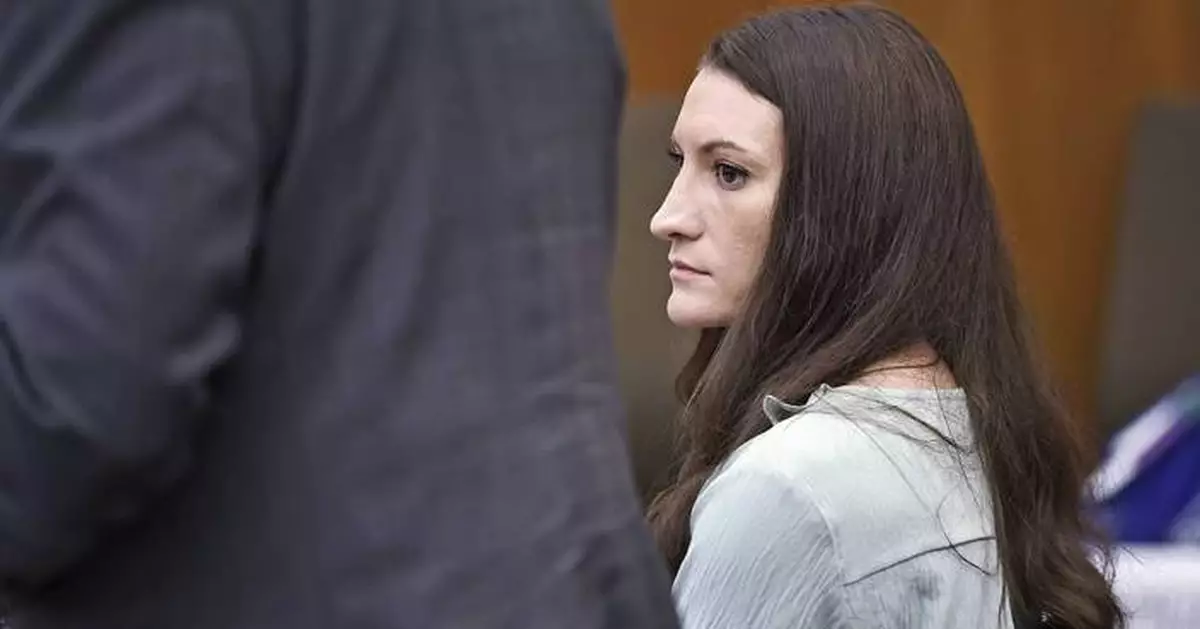
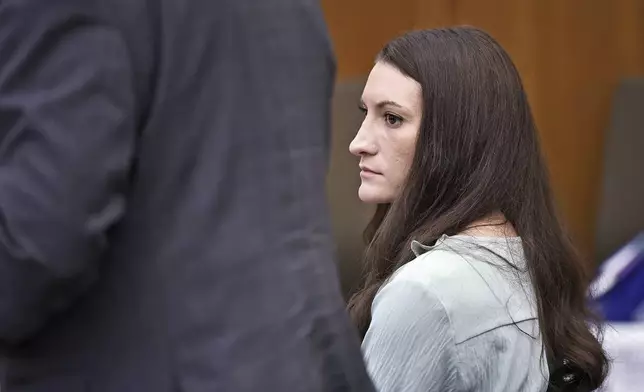
Lindsay Clancy watches the jury enter the room during her murder trial at Plymouth Superior Court in Plymouth, Mass., Monday, Aug. 17 2026. (Greg Der/The Patriot Ledger via AP, Pool)
Prosecutors argue Clancy, a former labor and delivery nurse, was an intentional killer who contrived to get her husband out of the house by sending him to get takeout and to the pharmacy on Jan. 24, 2023. Then, she strangled the children before attempting to kill herself.
Clancy’s attorney Kevin Reddington does not dispute that she killed the children. But he says the jury should not hold her criminally responsible because she had postpartum psychosis, a rare mental illness linked to the stress, sleep deprivation and hormonal changes that follow childbirth. He said she also had bipolar disorder and that antidepressants prescribed after the birth of her third child worsened her condition.
EDITOR’S NOTE: This story includes discussion of suicide. If you or someone you know needs help, the national suicide and crisis lifeline in the U.S. is available by calling or texting 988.
The jury has heard so far from witnesses who demonstrated that Clancy had sought treatment for severe mental health problems, including admitting herself to a psychiatric hospital. But witnesses also noted Clancy wouldn't always take the medications prescribed to help with her insomnia, anxiety and depression, and that she expressed fears she was addicted to some of them.
The defense, on cross-examination, argued that Clancy was overmedicated and demonstrated that her care was disjointed, with doctors not speaking to one another, conducting appointments with her over Zoom and not sharing their notes. Despite her efforts to seek treatment, the defense also showed she was discharged from one facility after a day and denied a higher level of care at another when she couldn't show that she had a suicide plan.
Prosecutors also questioned the seriousness of Clancy's suicide attempt and showed through texts and photos that she performed many normal activities the day of the killings, including taking her children to the doctor and playing with them in the snow.
Her doctors also testified they never saw Clancy exhibit signs of mania or psychosis, though she did repeatedly talk of feeling suicidal.
Clancy hasn't testified in the trial and isn't required to do so, but jurors have seen her break down in sobs at several points while others have been testifying, including when prosecutors showed the jury autopsy photos of the children.
Early in the trial, Clancy's former husband, Patrick Clancy, described the horror of returning home to find his dead children. During his testimony, prosecutors played a harrowing 911 call he made after finding his wife outside in the backyard.
Patrick Clancy also testified he got a call from Lindsay Clancy about a week after the killings. She didn't mention her children, he said, but “talked about what she went through. She said she heard a man’s voice telling her if she didn’t do it now she would lose her chance or something like that.”
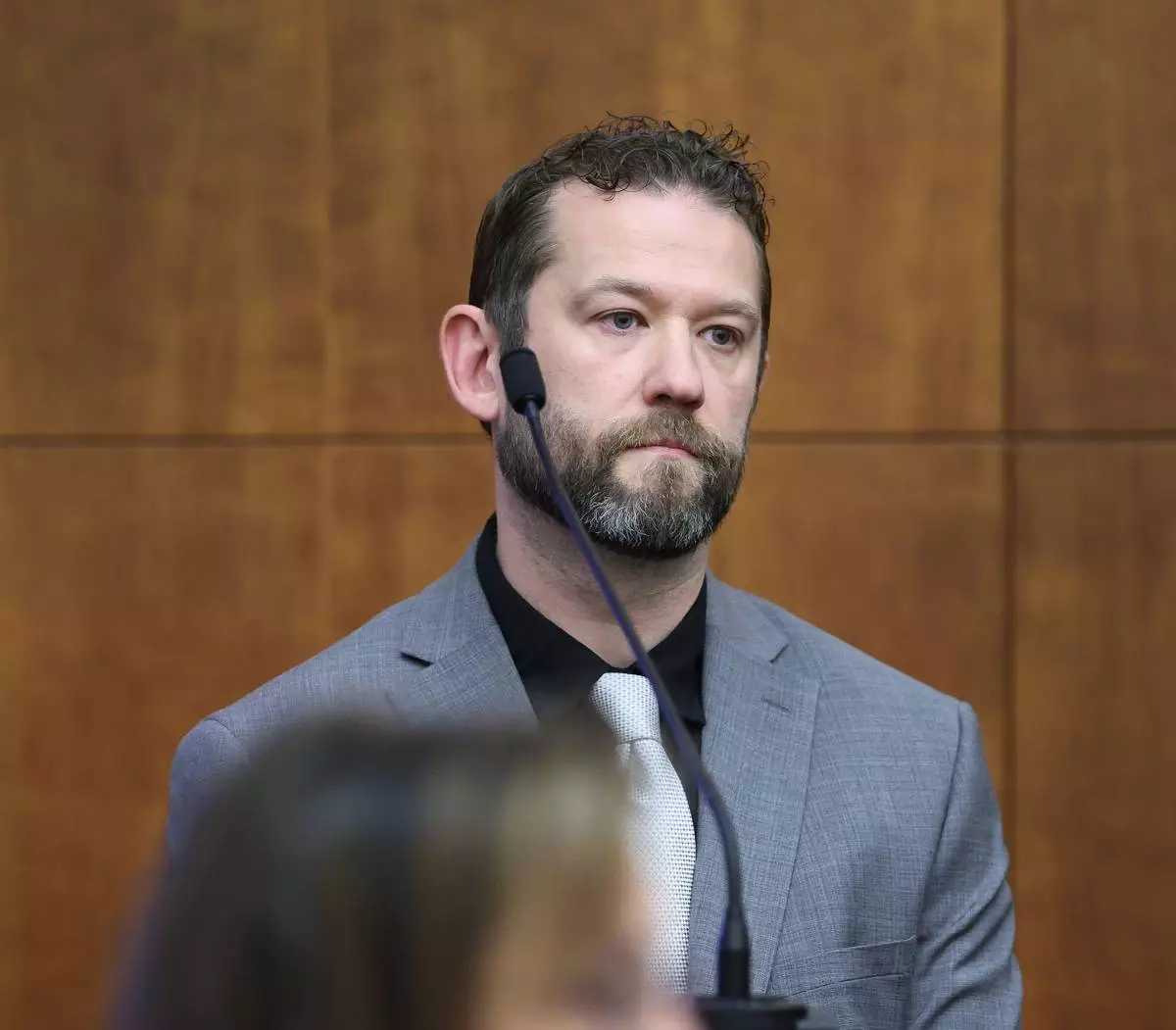
Witness Ian Whiffin of Cellebrite testifies on the stand during Lindsay Clancy's murder trial at Plymouth Superior Court in Plymouth, Mass., Monday, Aug. 17 2026. (Greg Der/The Patriot Ledger via AP, Pool)
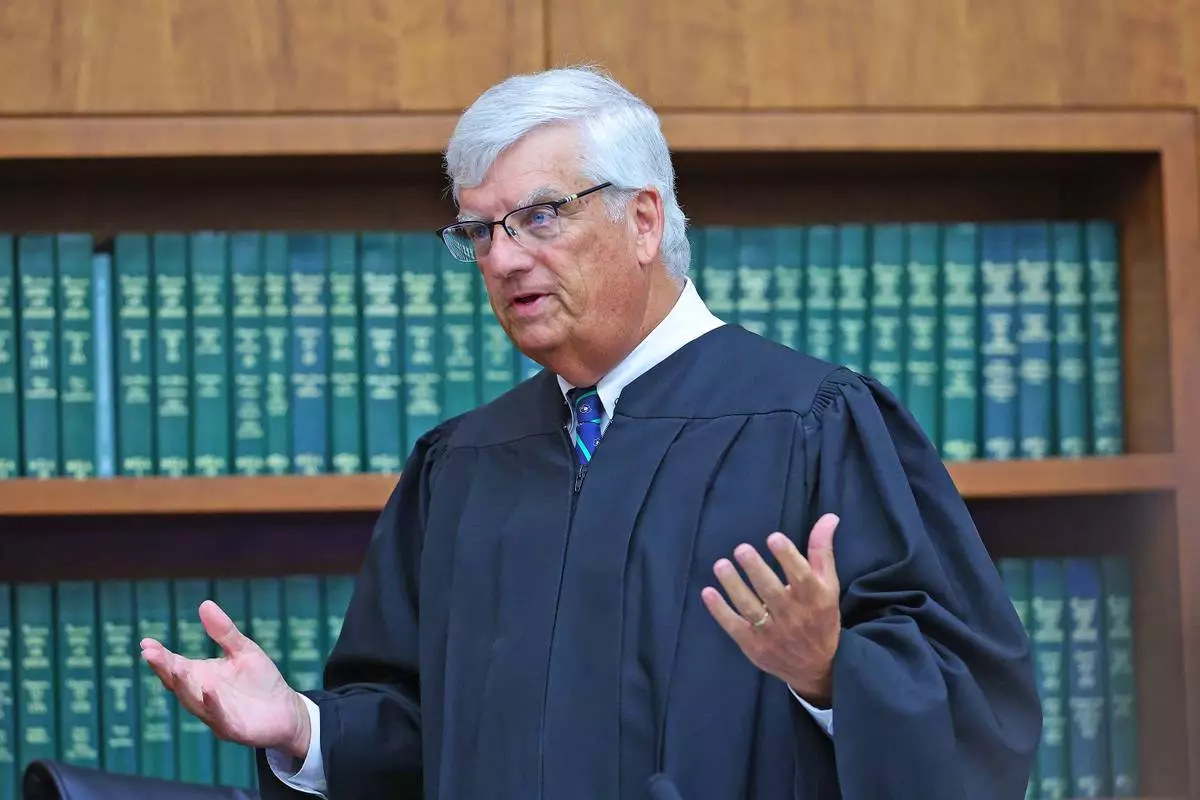
Justice William Sullivan informs the jury that the defense will start making their case as early as today during Lindsay Clancy's murder trial at Plymouth Superior Court in Plymouth, Mass., Monday, Aug. 17 2026. (Greg Der/The Patriot Ledger via AP, Pool)
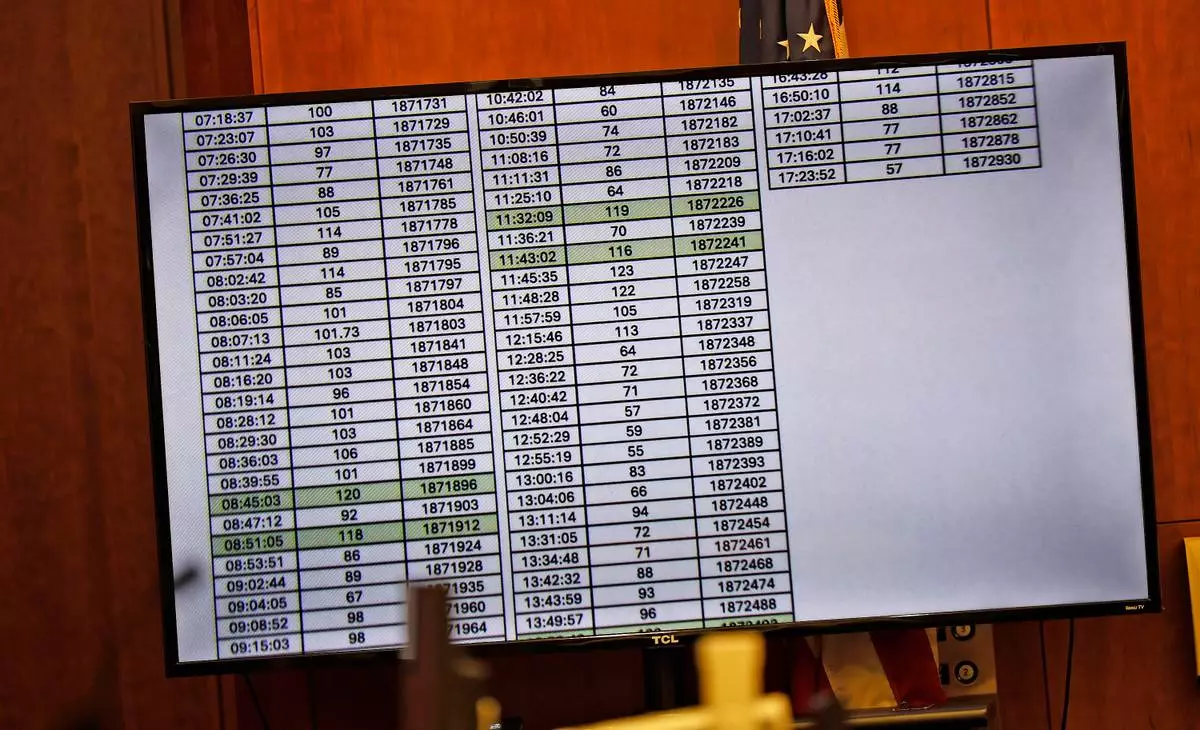
Heart rate details taken from the Apple Watch worn by Lindsay Clancy displayed by the prosecution during Clancy's murder trial at Plymouth Superior Court in Plymouth, Mass., Monday, Aug. 17 2026. (Greg Der/The Patriot Ledger via AP, Pool)
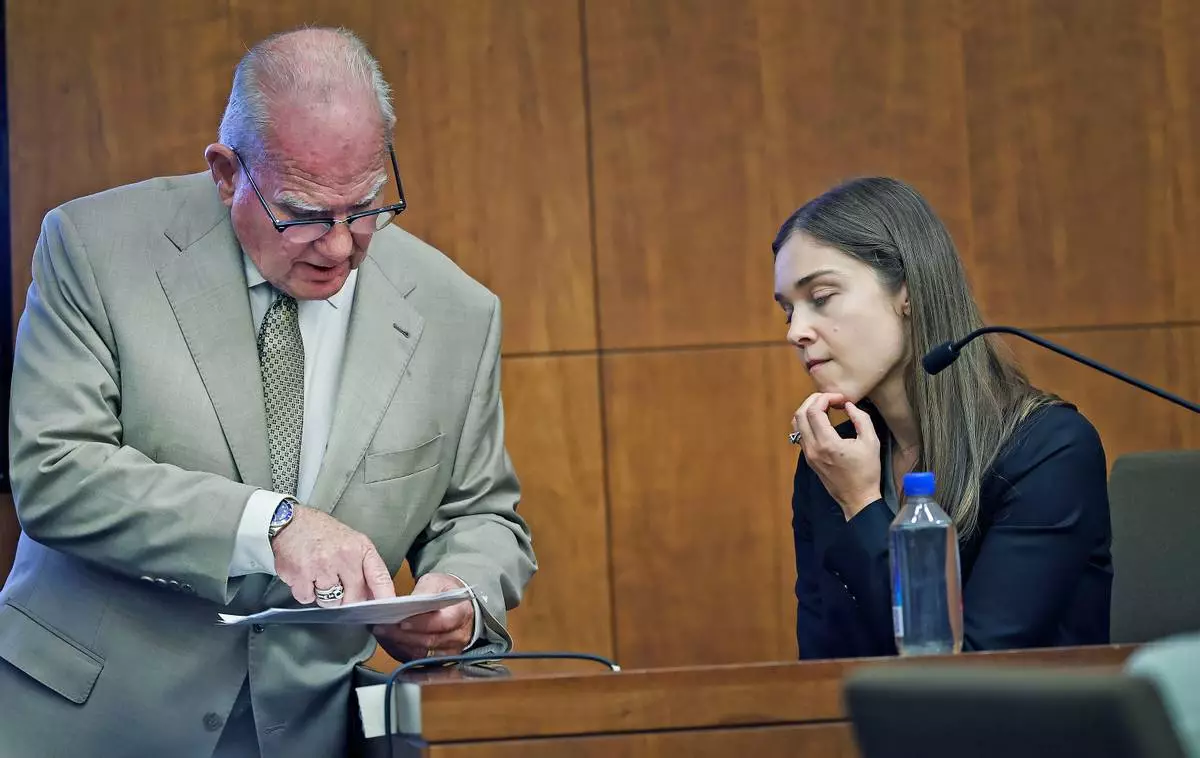
Defense attorney Kevin Reddington, left, questions psychiatrist Dr. Jennifer Tufts about her hand written notes during a session with Lindsay Clancy during Clancy's murder trial at Plymouth Superior Court in Plymouth, Mass., Monday, Aug. 10 2026. (Greg Der/The Patriot Ledger via AP, Pool)
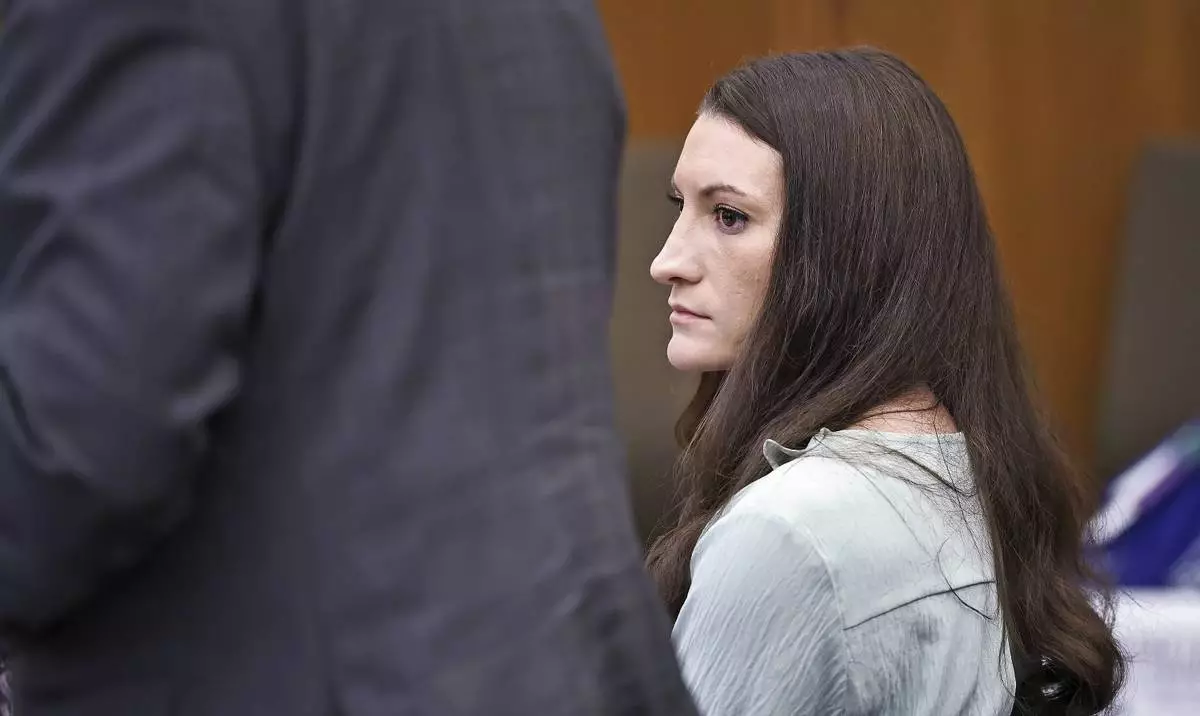
Lindsay Clancy watches the jury enter the room during her murder trial at Plymouth Superior Court in Plymouth, Mass., Monday, Aug. 17 2026. (Greg Der/The Patriot Ledger via AP, Pool)
A Russian court on Monday convicted a prominent opposition politician for speaking out against the war in Ukraine and sentenced him to 11 years and one month in prison in the latest crackdown leading up to next month's parliamentary election.
The verdict against Lev Shlosberg, a senior member of the Yabloko party, was another step by the Kremlin to stifle dissent since Russia invaded its neighbor in February 2022. Yabloko is the only official political party overtly opposing the war.
In a separate ruling Monday, Russia’s Supreme Court upheld its earlier decision to bar Yabloko from the ballot in the Sept. 18-20 parliamentary vote, denying an appeal by the party.
The moves against Shlosberg and Yabloko highlight the Kremlin’s intolerance toward any criticism of the war, now in its fifth year.
Shlosberg, 63, is Yabloko's deputy chairman and served in the regional legislature of Pskov from 2016-21. He stood trial in the city of Pskov, some 600 kilometers (370 miles) northwest of Moscow, on charges of "discrediting” and spreading “false information” about the Russian military.
The charges stemmed from a debate in which he called for ending the war and from posting on his Telegram channel a British tabloid front page featuring an image of a bloodied woman next to one of Russian President Vladimir Putin, with the headline: "Her blood ... his hands.” Shlosberg has rejected the charges as unfounded.
It was the second trial for Shlosberg in the last two years. He has also been designated a “foreign agent,” a label that carries strong pejorative connotations in Russia and brings additional government scrutiny. He was convicted of violating the foreign agent regulations.
In December 2025, he was placed in pretrial detention on the new charges and has been behind bars ever since. He is one of several prominent Yabloko members in recent years to be jailed or designated a “foreign agent” as Kremlin pressure on the party has mounted.
In his final statement to the court Friday, Shlosberg said that for 30 years, Russia has traveled “a path from hopes for freedom to the almost complete destruction of human and civil rights and freedoms.”
He said the war in Ukraine has “changed the lives of every Russian citizen without exception,” and predicted that once its true death toll becomes known, “the entire country will shudder.”
Yabloko said Shlosberg received a “barbaric sentence” for “love of the Motherland and calls for a ceasefire.” In a statement on Telegram, the party said Shlosberg will appeal.
Amnesty International denounced the verdict against Shlosberg.
“His arbitrary prosecution and sentencing are blatant reprisals for exercising his right to freedom of expression to call for peace,” said Marie Struthers, the group's Eastern Europe and Central Asia director.
“The Russian authorities must immediately and unconditionally release Lev Shlosberg and quash his conviction," her statement added. “They must repeal legislation criminalizing peaceful anti-war expression, end the persecution of Yabloko members and supporters, and respect the rights to freedom of expression, association, peaceful assembly and political participation for all Russians.”
In Moscow, the Supreme Court upheld its ruling of a week ago to remove Yabloko from the ballot in the election for the State Duma, Russia's lower house of parliament, denying an appeal by the party.
The Central Election Commission in July had allowed Yabloko on the ballot along with 10 other parties. Young social media users and many Russian opposition figures in exile have since come out in support of Yabloko, urging voters to back the party, once a leading liberal voice in parliament that later lost its bloc of seats as the Kremlin tightened its grip on politics.
In recent years, Yabloko was the only registered opposition party that opposed Russia’s full-scale invasion of Ukraine.
Its campaign slogans for this year’s election included, “For a ceasefire agreement, diplomacy and peace!” “Our goal is to prevent nuclear war!” and “For a Russia free from fear and political repression!”
Several Kremlin parties publicly assailed Yabloko for its anti-war stance after it got a slot on the ballot. The Motherland Party filed a lawsuit with the Supreme Court, demanding its removal from the ballot, accusing Yabloko of copyright infringement and exceeding campaign spending limits. The party also viewed Yabloko’s stance on Ukraine as unlawful and tantamount to calling for the violation of Russia’s territorial integrity.
Yabloko rejected these accusations, but the Supreme Court sided with the Motherland Party.
As the court met Monday on Yabloko's appeal, the party's supporters gathered outside the courthouse and Russian media reported that several dozen people were detained.
Liberal politician Grigory Yavlinsky, who co-founded Yabloko in the 1990s and chairs its political committee, deplored the court's ruling in an online statement. It marked “a serious, deepening crisis in the Russian political system and a lack of understanding of a desired future,” he said.
“People begin to feel this more acutely, regardless of their political views and positions," he said, adding that Yabloko's campaign “for peace and freedom” hit this particular “sore point.”
Yabloko chairman Nikolai Rybakov told reporters after the ruling that the party will continue its fight by lodging a complaint to the Presidium of the Supreme Court and possibly going to the Constitutional Court.
“We achieved the main thing: The whole world knows how many people in Russia want peace, want to live normally and to raise children under a peaceful sky in their country,” Rybakov said.
Regarding the prison term handed to Shlosberg, Rybakov said that “our feelings are with Lev and other political prisoners who have fought and are fighting for peace, for people to not die.”
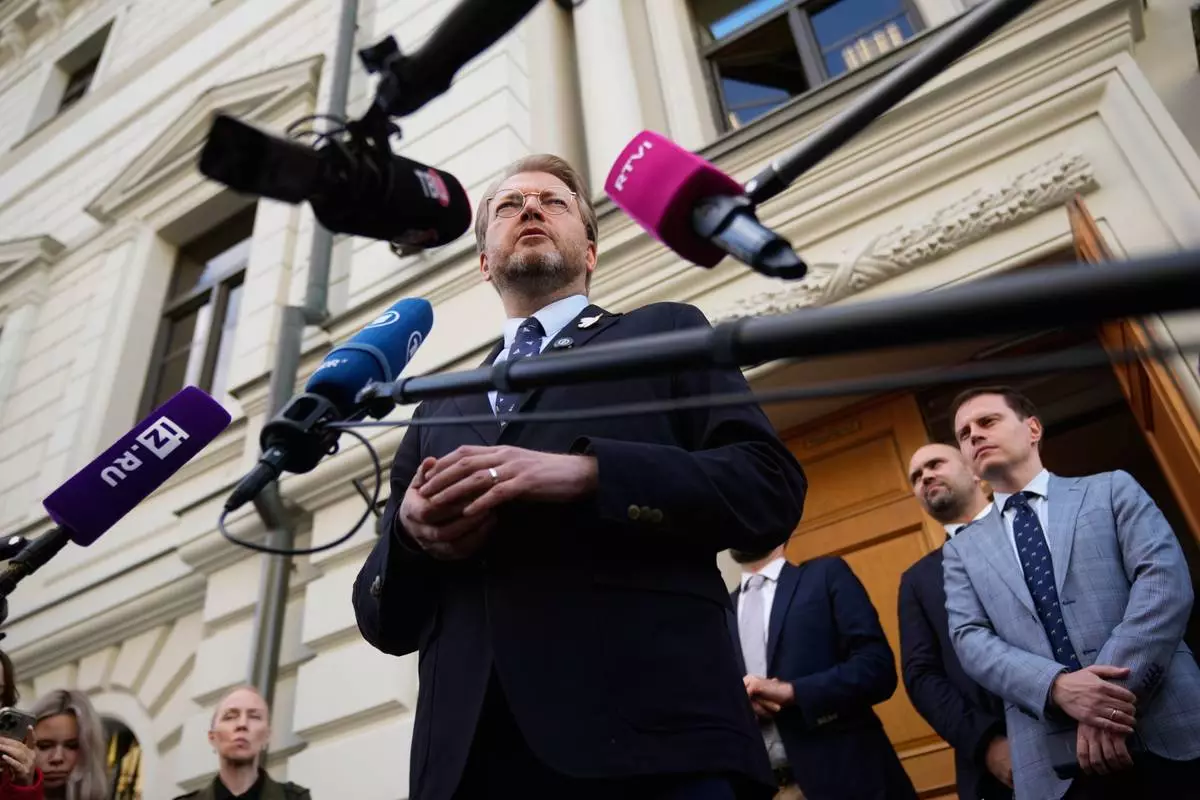
Yabloko party leader Nikolai Rybakov speaks to his supporters and journalists after hearing an appeal on a lawsuit to bar the party from the upcoming parliamentary elections, at the Russia's Supreme Court, in Moscow, Monday, Aug. 17, 2026. (AP Photo/Pavel Bednyakov)
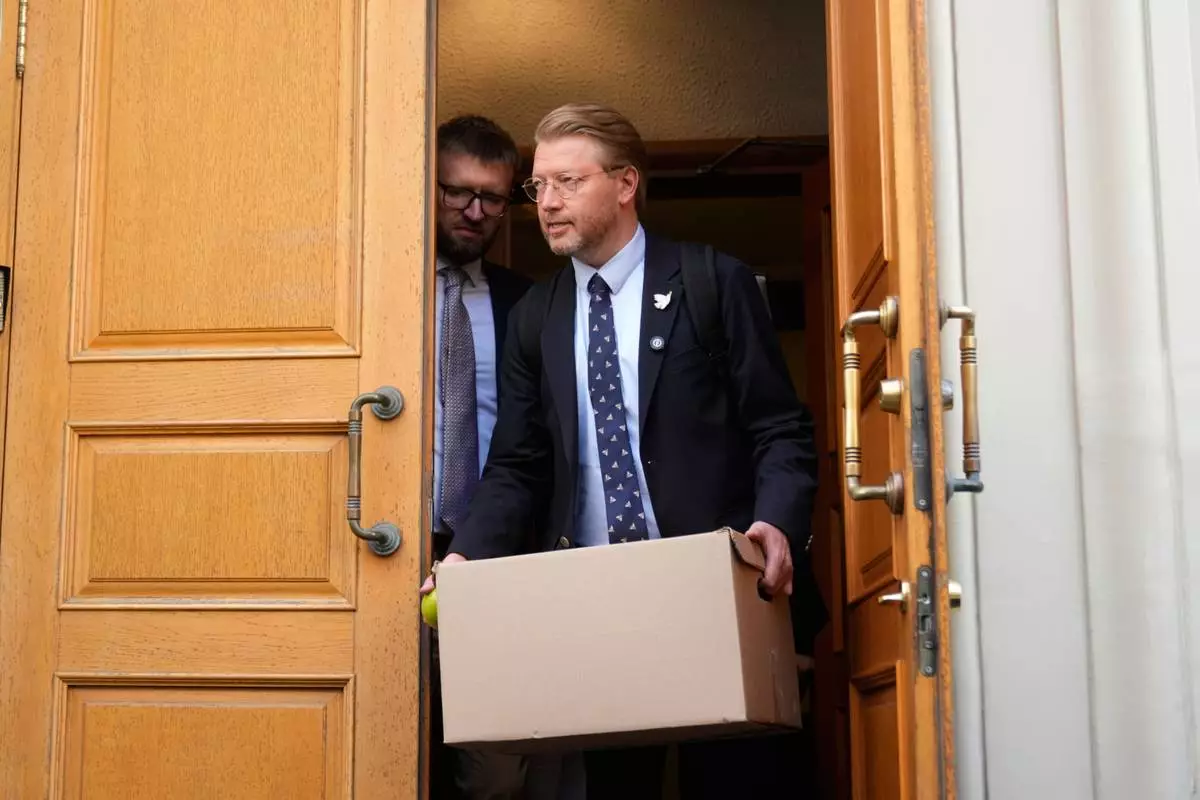
Yabloko party leader Nikolai Rybakov carries a box with documents leaving the Russia's Supreme Court after hearing an appeal on a lawsuit to bar the party from the upcoming parliamentary elections, in Moscow, Monday, Aug. 17, 2026. (AP Photo/Pavel Bednyakov)
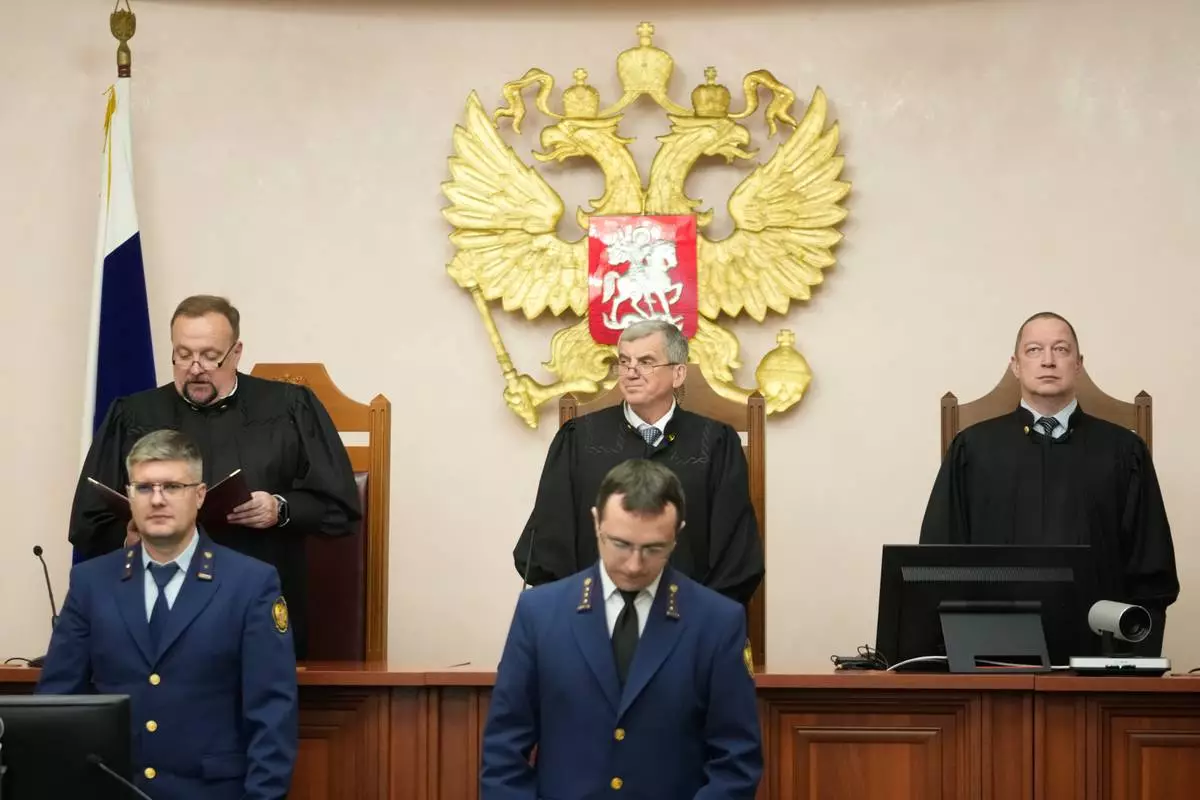
Chairman of the Appellate Board of the Supreme Court judge Vladimir Zaitsev, background center, his deputy Igor Zinchenko, and Judge Denis Tyutin, attend a reading of the court decision on an appeal against its ruling to bar the Yabloko party from the upcoming parliamentary elections, at the Russia's Supreme Court, in Moscow, Monday, Aug. 17, 2026. (AP Photo/Pavel Bednyakov)
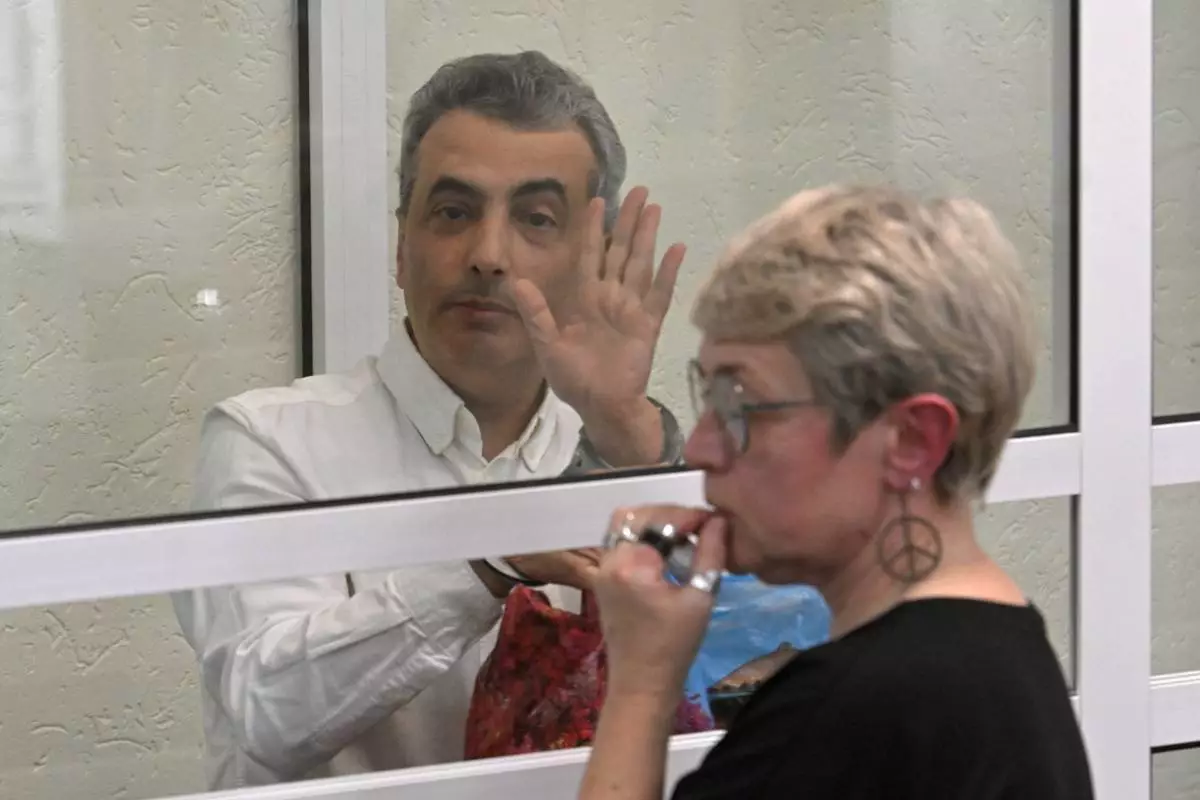
Lev Shlosberg, left, senior member of the Yabloko party, waves standing in the defendant's box after a verdict in the case against him is delivered, in a court in Pskov, Russia, Monday, Aug. 17, 2026, with his wife Zhanna Shlosberg on the right. (AP Photo)
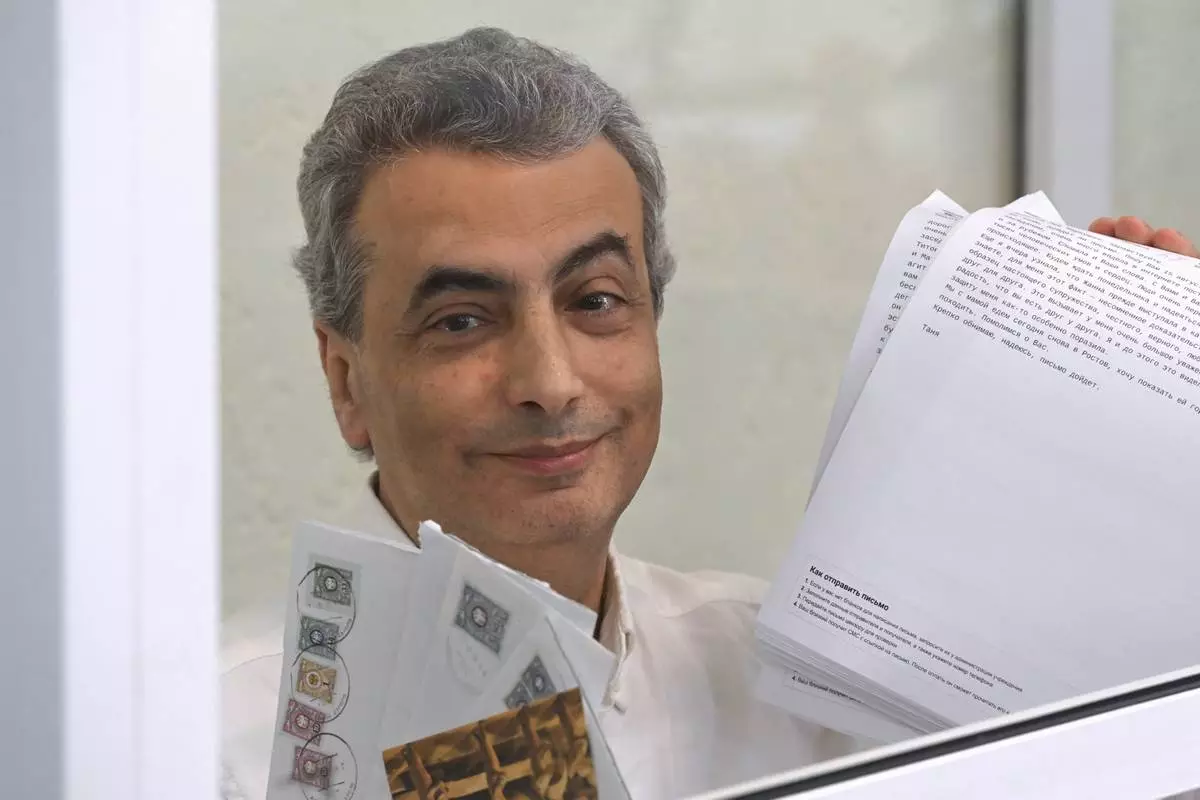
Lev Shlosberg senior member of the Yabloko party, stands in the defendant's box prior to a verdict in the case against him is delivered, in a court in Pskov, Russia, Monday, Aug. 17, 2026. (AP Photo)
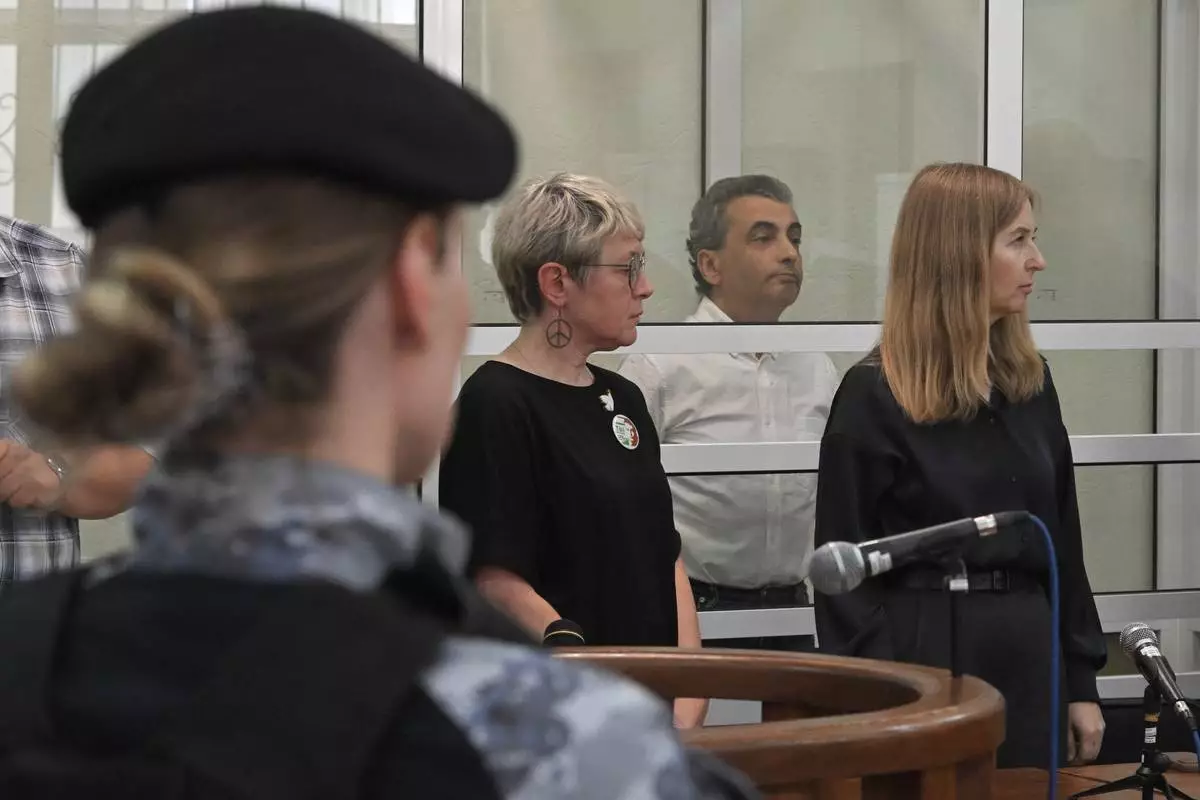
Lev Shlosberg, second right, senior member of the Yabloko party, stands in the defendant's box as the judge delivers a verdict in the case against him in a court in Pskov, Russia, Monday, Aug. 17, 2026. (AP Photo)
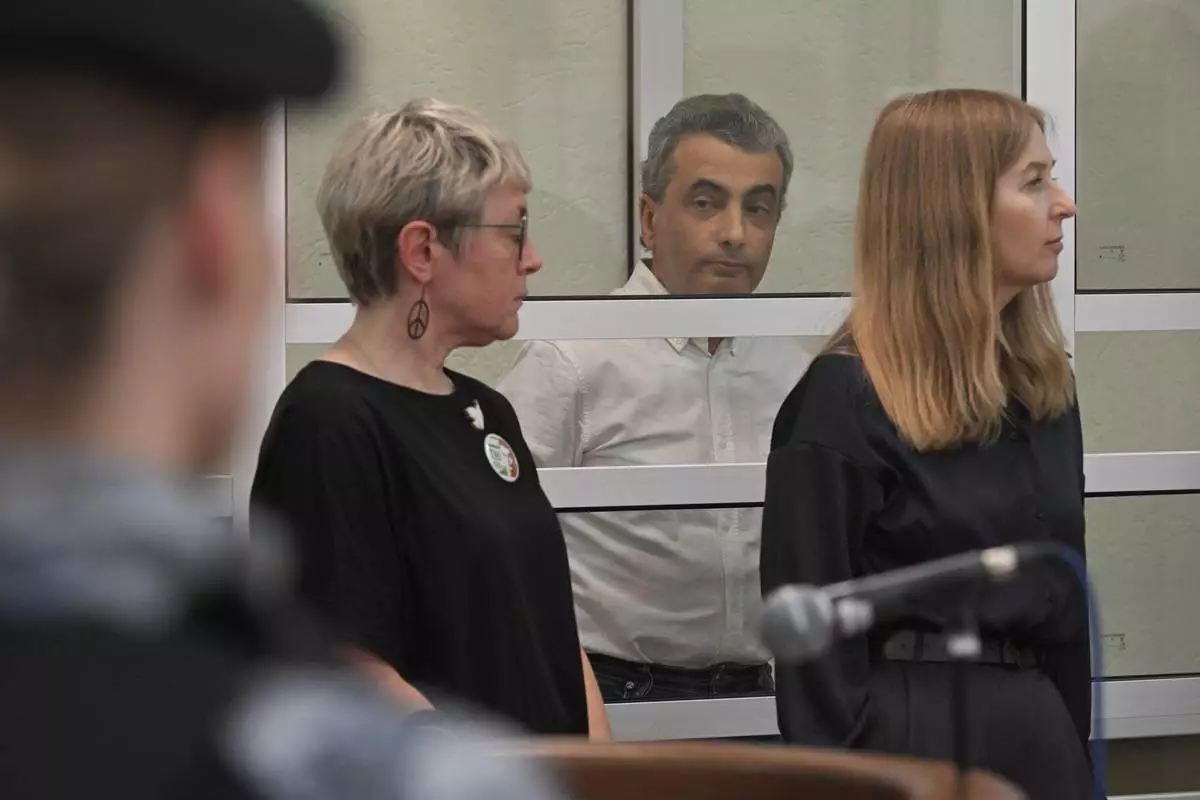
Lev Shlosberg, second right, senior member of the Yabloko party, stands in the defendant's box as the judge delivers a verdict in the case against him in a court in Pskov, Russia, Monday, Aug. 17, 2026. (AP Photo)
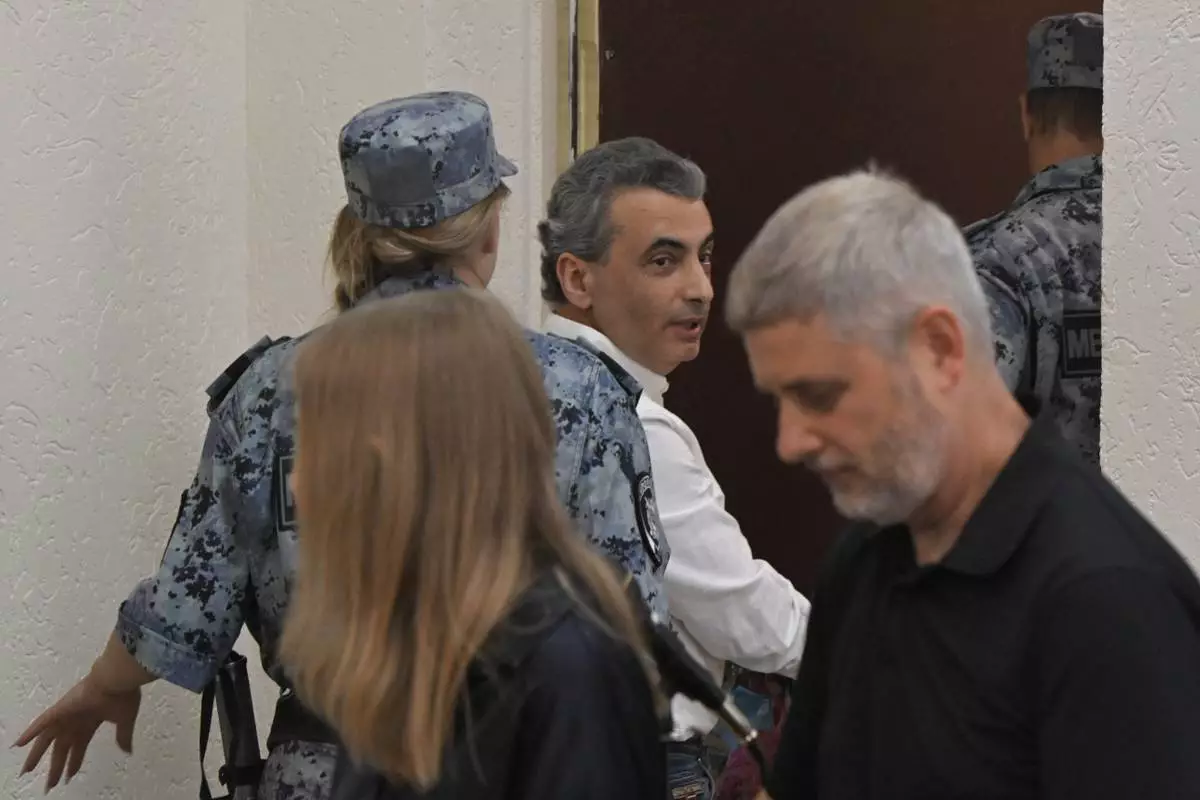
Lev Shlosberg, center, senior member of the Yabloko party, is being led out of the court room after a judge convicted him and sentenced him to more than 11 years in prison, in a court in Pskov, Russia, Monday, Aug. 17, 2026. (AP Photo)