The Ebola outbreak sweeping across the Democratic Republic of the Congo (DRC) has become the deadliest in the country's history and the second-largest ever recorded globally, with the World Health Organization (WHO) warning that it could eventually surpass the devastating 2014-2016 West Africa epidemic if it continues at its current pace.
The DRC has recorded 4,945 confirmed cases, including 2,325 deaths, since the current outbreak began, according to the latest figures released late Sunday by the country's health authorities. The case fatality rate stands at 47.0 percent, while 1,040 people have recovered.
According to WHO figures, the 2018-2020 outbreak in eastern DRC recorded 3,481 cases, including 3,323 confirmed cases, as well as 2,299 deaths and 1,162 survivors. It had previously been the deadliest Ebola outbreak in the country's history.
WHO Director-General Tedros Adhanom Ghebreyesus warned on Aug. 12 that the outbreak is spreading faster than any previous Ebola epidemic in the country and, at its current pace, is on track to eclipse the 2014-2016 West Africa Ebola outbreak.
The 2014-2016 West Africa epidemic, the largest Ebola outbreak ever recorded, infected more than 28,600 people and killed over 11,000, mainly in Guinea, Liberia and Sierra Leone.
Cases have now been detected in 55 health zones across six provinces -- Ituri, North Kivu, Haut-Uele, Tshopo, South Kivu and Bas-Uele. Ituri remains the epicenter, accounting for 4,194 confirmed cases, or nearly 85 percent of the national total, and 1,838 deaths.
The outbreak, caused by the Bundibugyo ebolavirus, is the DRC's 17th recorded Ebola epidemic since the virus was first identified in the country in 1976.
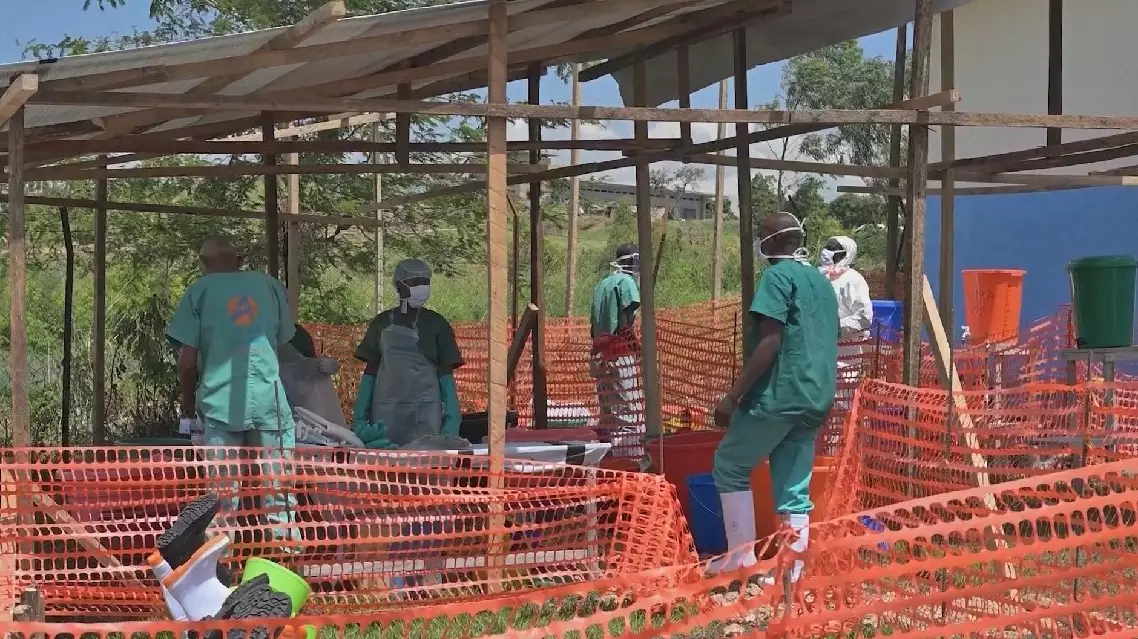
DR Congo Ebola outbreak deadliest in country's history