CHP records case of severe paediatric influenza A infection
The Centre for Health Protection (CHP) of the Department of Health today (August 18) recorded a severe paediatric influenza A infection case. The CHP urged the public to maintain good personal and environmental hygiene at all times to prevent influenza and other respiratory illnesses.
The case involves a 16-year-old girl with underlying illnesses. She developed a fever on August 15. She presented with shortness of breath and was taken to the Accident and Emergency Department of Tseung Kwan O Hospital today. Due to her respiratory distress and low blood pressure, she was transferred to the United Christian Hospital's paediatric intensive care unit for treatment. Her respiratory specimen tested positive for influenza A (H3) virus. Her clinical diagnosis was influenza A complicated with severe pneumonia and septic shock. She is currently in critical condition.
The CHP's preliminary investigation revealed that the girl had no travel history during the incubation period and her household contacts remain asymptomatic. The CHP will continue to investigate the case.
"Since Hong Kong entered the influenza season in late June, a cumulative total of 10 cases of severe paediatric influenza infection have been recorded, including one fatal case. Four patients have recovered and been discharged from hospital. Three patients are in stable condition, while two remain critical (including forementioned case). We anticipated that activity levels for influenza will remain high in the coming weeks, with continued influenza transmission in the community. As the number of infections is expected to rise, the number of severe cases will subsequently increase. In general, the situation in the current influenza season is comparable to that of previous influenza seasons, and the disease primarily affects the elderly and children. The predominant influenza viruses detected in Hong Kong are influenza A (H1) and influenza A (H3). The Public Health Laboratory Services Branch under the CHP has conducted viral genetic analyses of influenza cases, and confirmed that the predominant influenza virus strains are similar to those circulating in other regions of the world, with no evidence of causing a more severe illness or resistance to antiviral drugs so far," said the Controller of the CHP, Dr Edwin Tsui.
"The Government has completed the procurement process for the 2026/27 Seasonal Influenza Vaccination (SIV) Programmes and is actively preparing various vaccination arrangements. The 2026/27 Seasonal Influenza Vaccination School Outreach Programme (SIVSOP) will introduce a new Electronic Consent Form (e-consent form) feature. We have distributed school-specific QR codes to participating schools for distribution to parents. The QR codes have become effective. Parents are encouraged to fill out the e-consent forms for their children as soon as possible. I appeal to all schools and parents in Hong Kong to work closely with the CHP to actively participate in coming season's SIVSOP and use the e-consent forms to complete the consent process as soon as possible, so that schools can plan and organise SIV school outreach activities earlier," he added.
Dr Tsui reminded parents that the health condition of children with influenza can deteriorate rapidly. Parents must pay close attention to their condition, and visit an accident and emergency department immediately if the child's condition deteriorates with symptoms such as shortness of breath, wheezing, blue lips, chest pain, confusion, a persistent fever or convulsions. Members of the public should seek medical attention as soon as possible if they develop respiratory symptoms. If they live with members of high-risk groups, such as children, the elderly and those with underlying illnesses or compromised immune systems, they should wear a surgical mask at home to reduce the risk of infecting them. Other effective ways to reduce the spread of the disease include maintaining household hygiene, frequently cleaning and disinfecting frequently touched surfaces, practising good hand hygiene, and ensuring proper indoor air circulation.
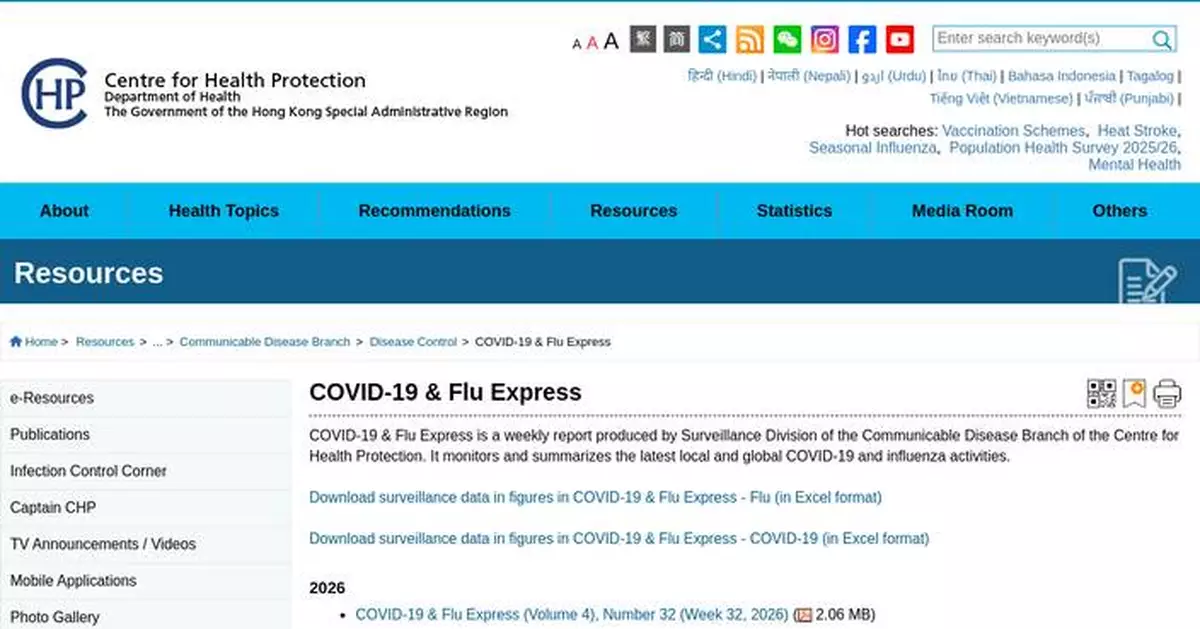
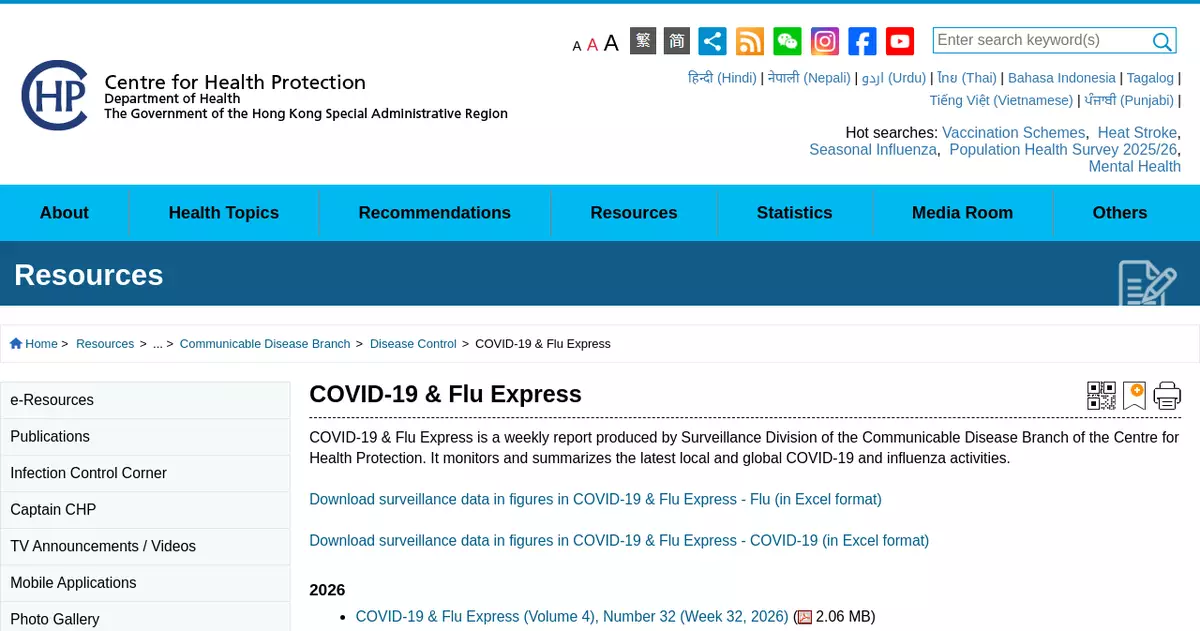
Members of the public may refer to the CHP's COVID-19 & Flu Express, Seasonal Influenza Webpage and COVID-19 Vaccination Programme Webpage, for the latest information.
Source: AI-found images