Skip to Content Facebook Feature Image

Forensic pathologist details Tupac Shakur’s fatal wounds at Duane 'Keffe D' Davis trial

ENT

Forensic pathologist details Tupac Shakur’s fatal wounds at Duane 'Keffe D' Davis trial
ENT

ENT

Forensic pathologist details Tupac Shakur’s fatal wounds at Duane 'Keffe D' Davis trial

2026-08-19 02:55 Last Updated At:03:00

LAS VEGAS (AP) — Some members of Tupac Shakur's family stepped out of the courtroom Tuesday before prosecutors showed photos from his autopsy at the Las Vegas trial of Duane “Keffe D” Davis, who is charged with orchestrating the 1996 drive-by shooting that killed the rap giant.

Others remained in the courtroom to face the grim facts of what happened to his body.

More Images
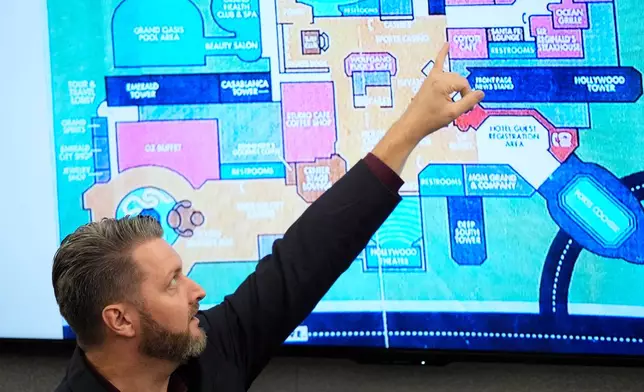
Michael Ingram, investigator for MGM Resorts, points to a map of the MGM Grand casino as he testifies during the murder trial of Duane "Keffe D" Davis related to the 1996 killing of rapper Tupac Shakur, at Clark County District Court Regional Justice Center in Las Vegas, on Tuesday, Aug. 18, 2026. (AP Photo/John Locher, Pool)
Michael Ingram, investigator for MGM Resorts, points to a map of the MGM Grand casino as he testifies during the murder trial of Duane "Keffe D" Davis related to the 1996 killing of rapper Tupac Shakur, at Clark County District Court Regional Justice Center in Las Vegas, on Tuesday, Aug. 18, 2026. (AP Photo/John Locher, Pool)
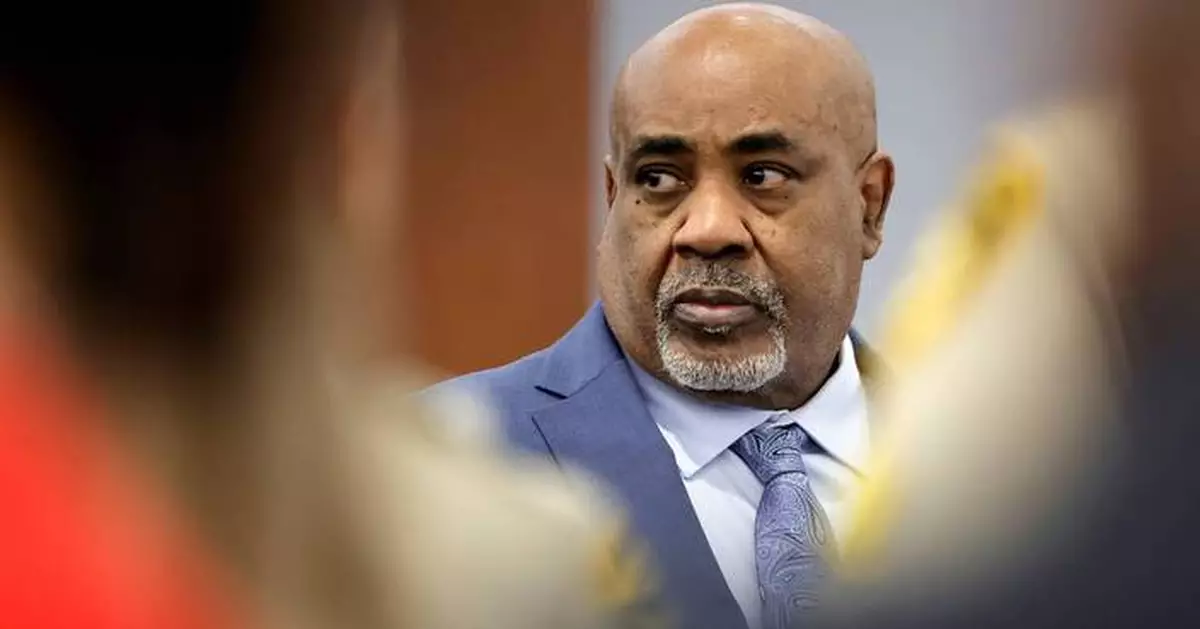
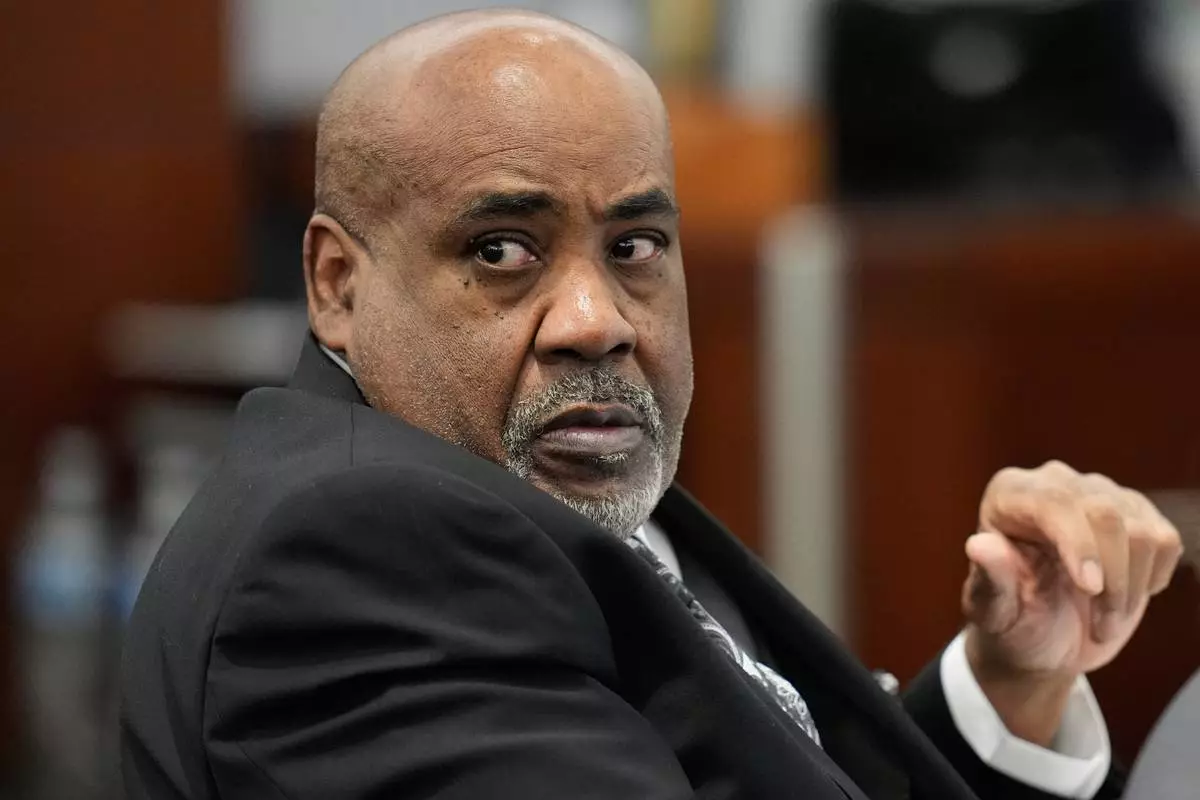
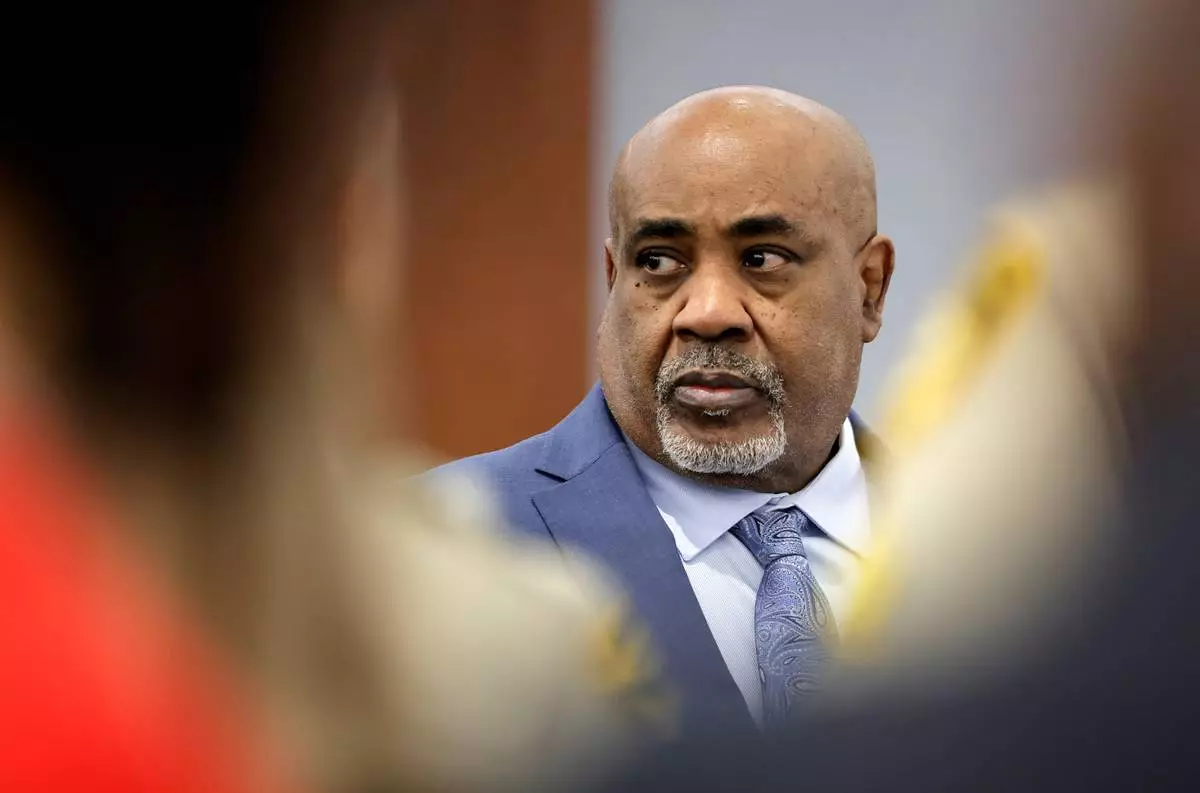
Duane "Keffe D" Davis in court for his murder trial related to the 1996 killing of rapper Tupac Shakur, at Clark County District Court Regional Justice Center in Las Vegas, on Tuesday, Aug. 18, 2026. (AP Photo/John Locher, Pool)
Duane "Keffe D" Davis in court for his murder trial related to the 1996 killing of rapper Tupac Shakur, at Clark County District Court Regional Justice Center in Las Vegas, on Tuesday, Aug. 18, 2026. (AP Photo/John Locher, Pool)

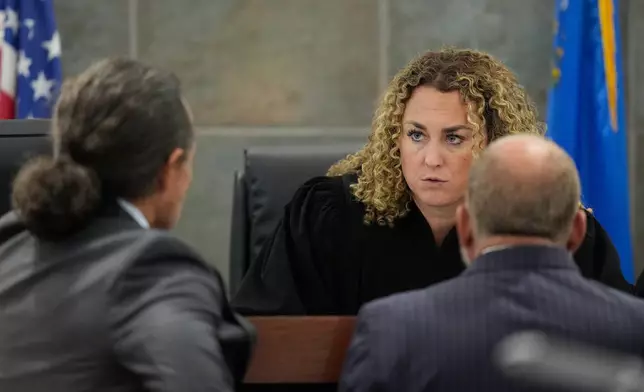
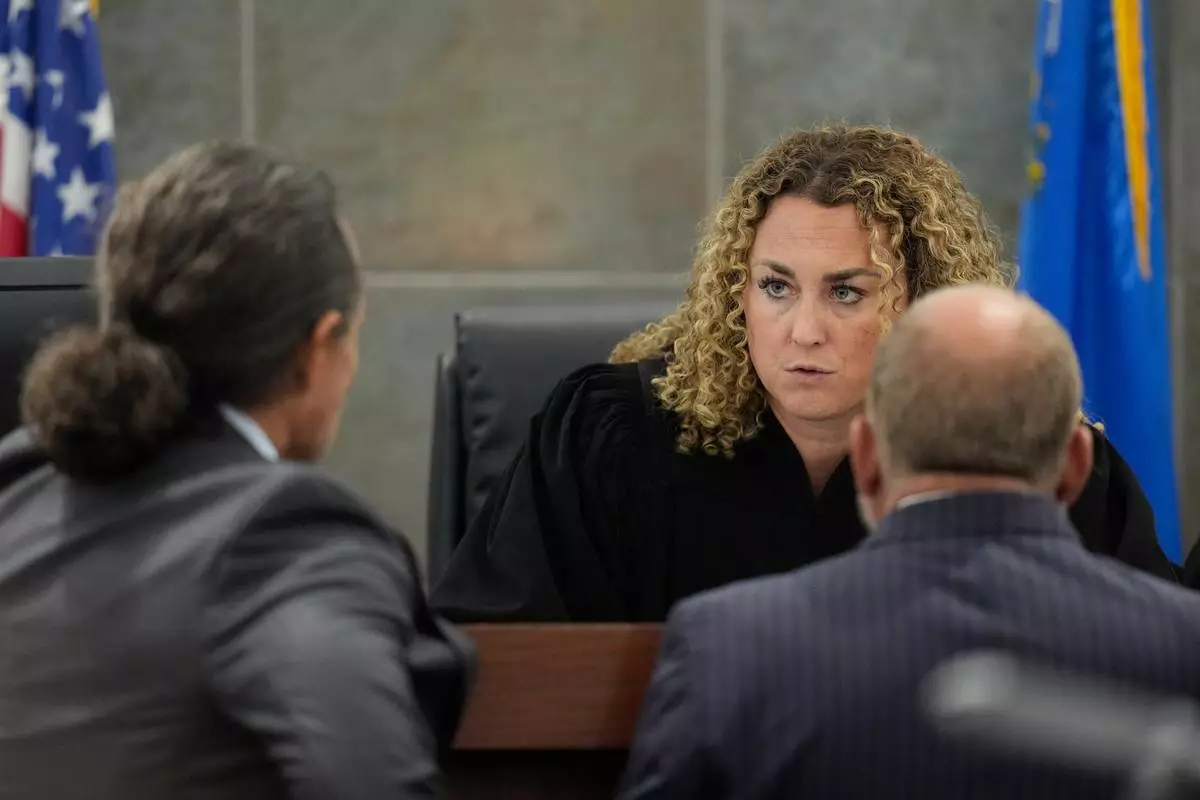
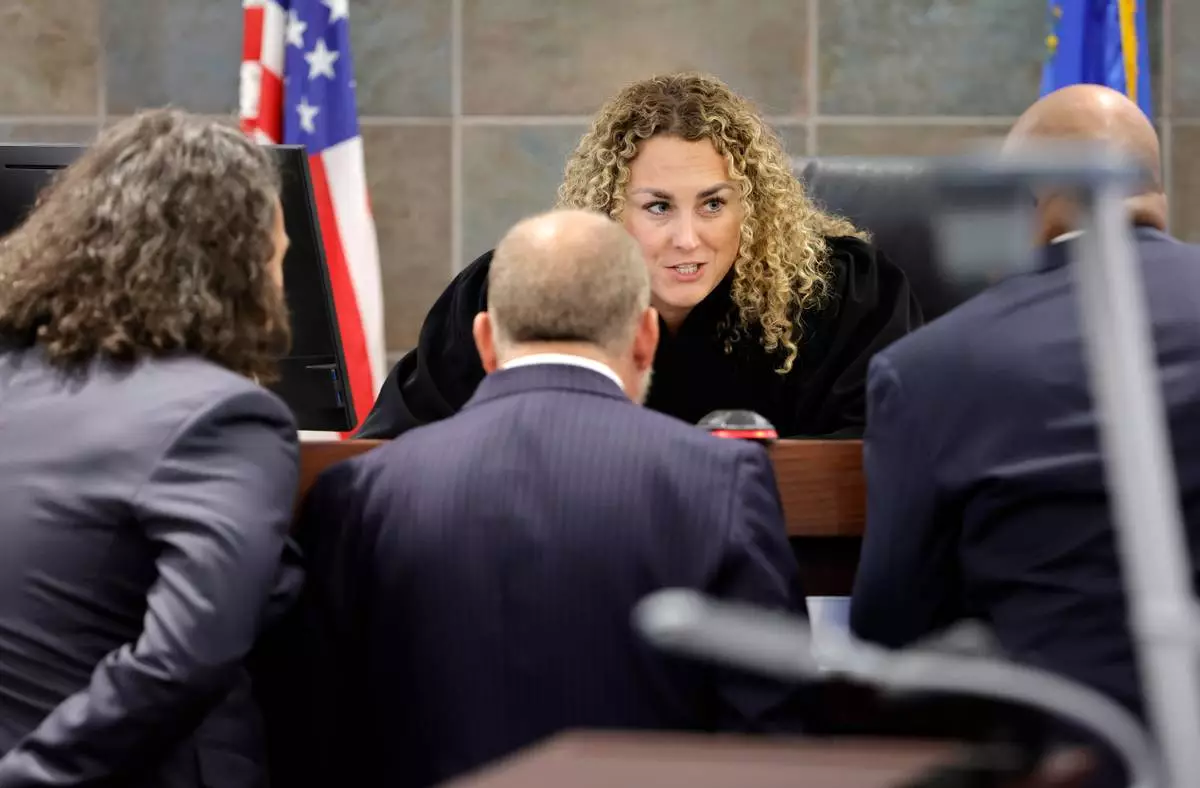
Clark District Court Judge Carli Kierny, center, speaks with defense attorney Michael Sanft, left, and Chief Deputy District Attorney Marc DiGiacomo during the murder trial of Duane "Keffe D" Davis related to the 1996 killing of rapper Tupac Shakur, at Clark County District Court Regional Justice Center in Las Vegas, on Tuesday, Aug. 18, 2026. (AP Photo/John Locher, Pool)

Clark District Court Judge Carli Kierny, center, speaks with defense attorney Michael Sanft, left, and Chief Deputy District Attorney Marc DiGiacomo during the murder trial of Duane "Keffe D" Davis related to the 1996 killing of rapper Tupac Shakur, at Clark County District Court Regional Justice Center in Las Vegas, on Tuesday, Aug. 18, 2026. (AP Photo/John Locher, Pool)

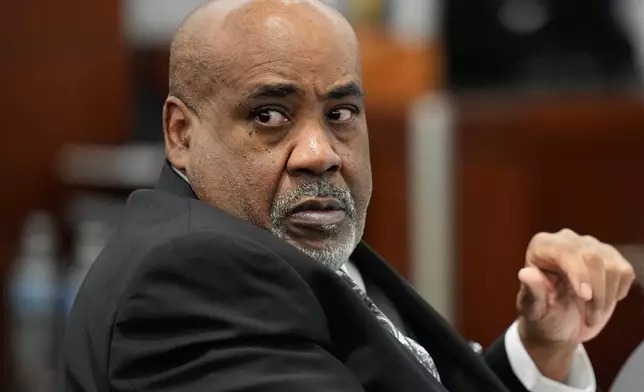
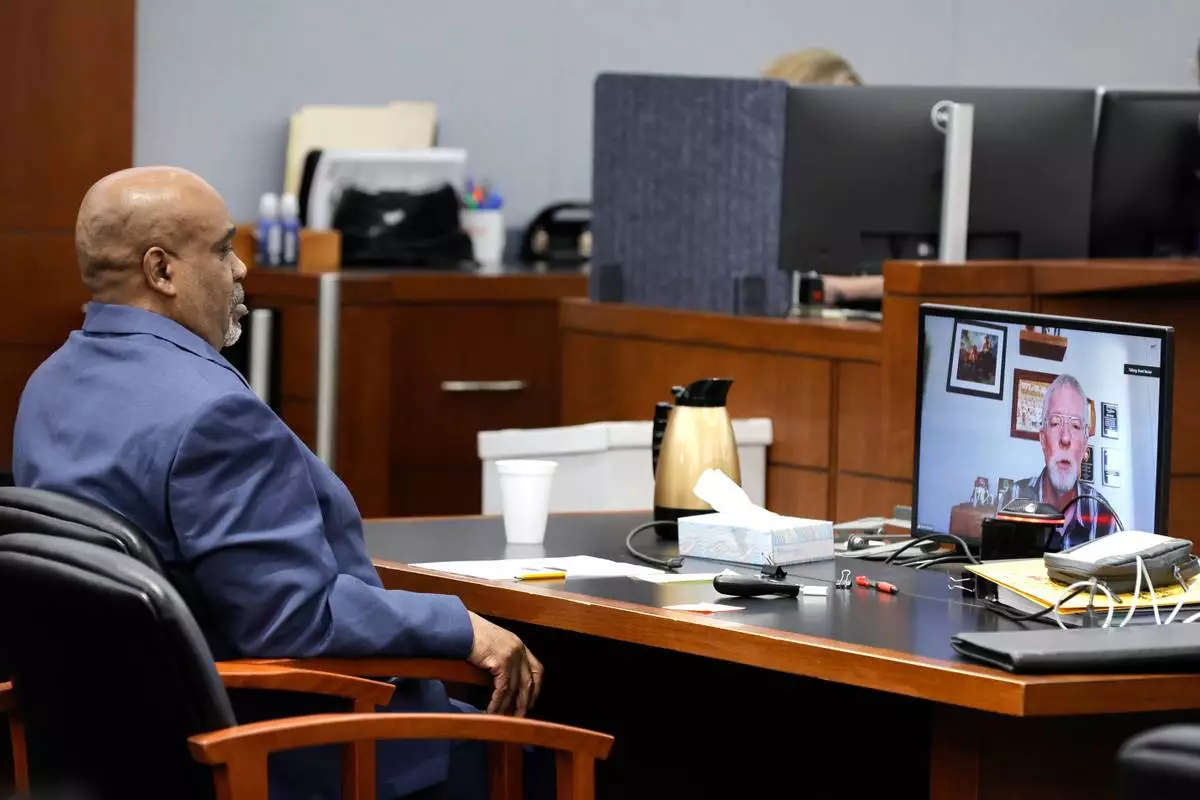
Duane Davis listens as Brent Becker, a retired Las Vegas Metro Police Department homicide detective, testifies by video feed during his murder trial, related to the 1996 killing of rapper Tupac Shakur, at Clark County District Court Regional Justice Center, Monday, Aug. 17, 2026, in Las Vegas. (Steve Marcus/Pool Photo via AP)
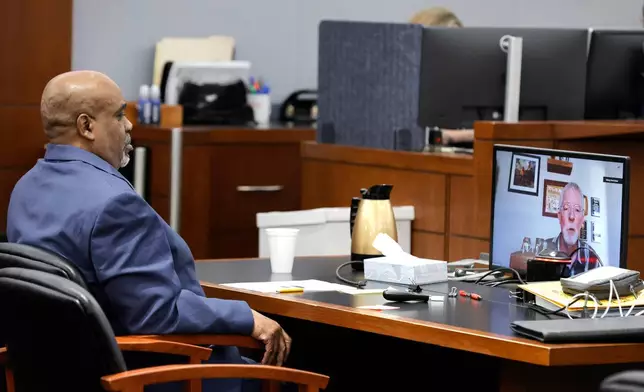
Duane Davis listens as Brent Becker, a retired Las Vegas Metro Police Department homicide detective, testifies by video feed during his murder trial, related to the 1996 killing of rapper Tupac Shakur, at Clark County District Court Regional Justice Center, Monday, Aug. 17, 2026, in Las Vegas. (Steve Marcus/Pool Photo via AP)

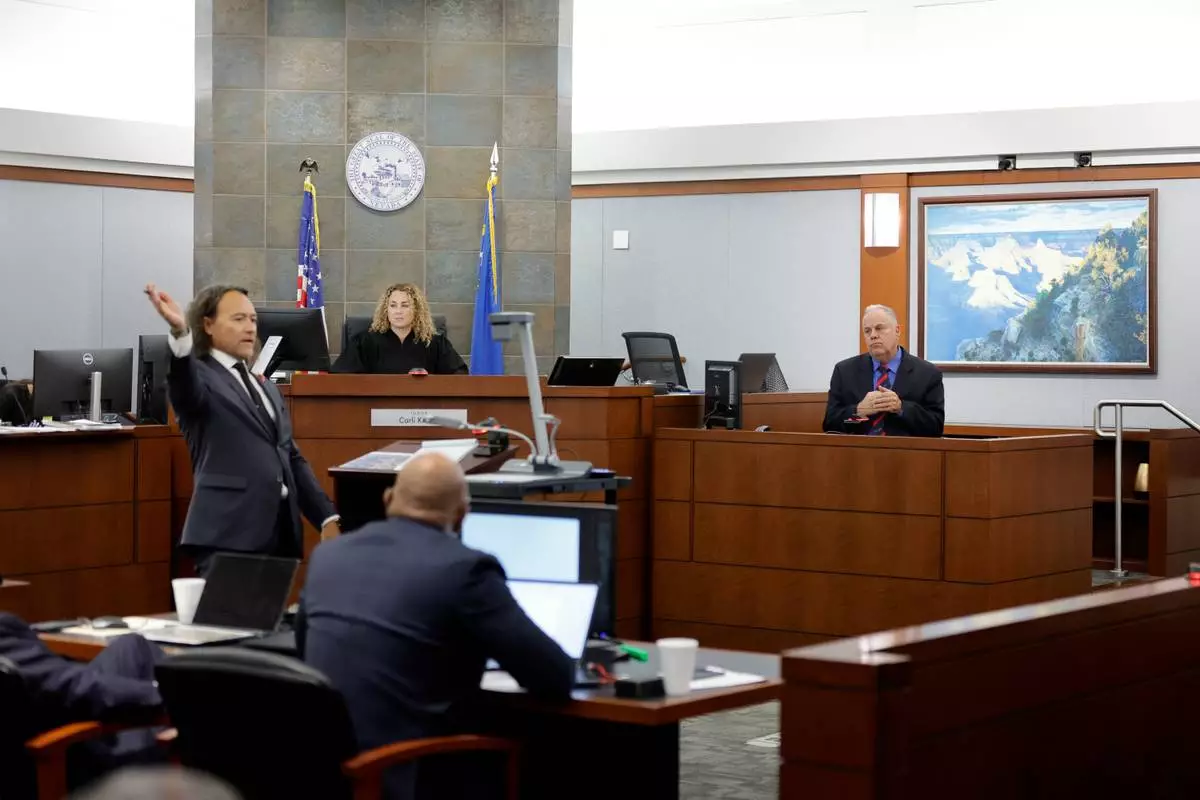
Michael Sanft, attorney for Duane Davis, left, asks a question to Garry Dale, a former Las Vegas Metro Police Department officer, during the Duane Davis murder trial, related to the 1996 killing of rapper Tupac Shakur, at Clark County District Court Regional Justice Center in Las Vegas,, Monday, Aug. 17, 2026. (Steve Marcus/Pool Photo via AP)
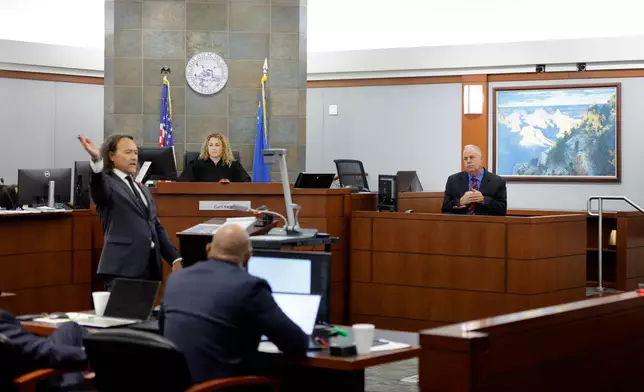
Michael Sanft, attorney for Duane Davis, left, asks a question to Garry Dale, a former Las Vegas Metro Police Department officer, during the Duane Davis murder trial, related to the 1996 killing of rapper Tupac Shakur, at Clark County District Court Regional Justice Center in Las Vegas,, Monday, Aug. 17, 2026. (Steve Marcus/Pool Photo via AP)

An illustration is displayed during the Duane Davis murder trial, related to the 1996 killing of rapper Tupac Shakur, at Clark County District Court Regional Justice Center in Las Vegas, Monday, Aug. 17, 2026. (Steve Marcus/Pool Photo via AP)
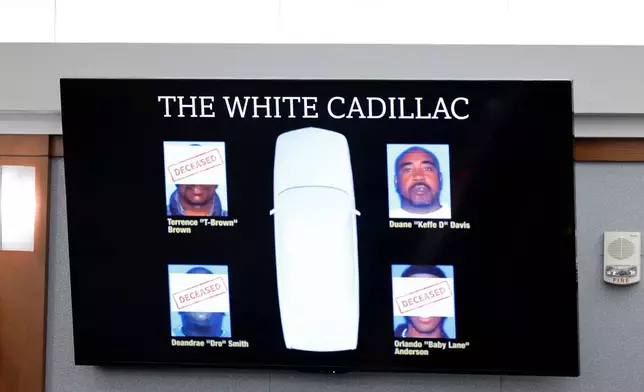
An illustration is displayed during the Duane Davis murder trial, related to the 1996 killing of rapper Tupac Shakur, at Clark County District Court Regional Justice Center in Las Vegas, Monday, Aug. 17, 2026. (Steve Marcus/Pool Photo via AP)
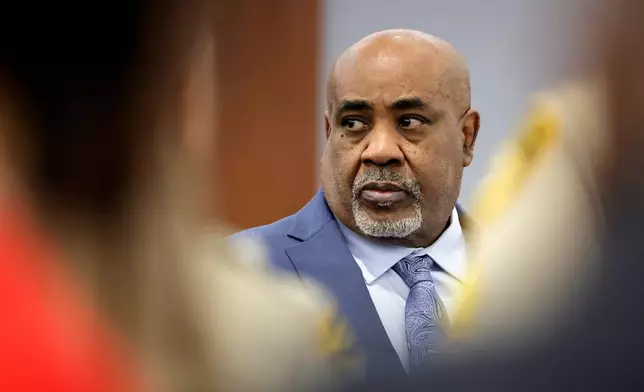
District Court Judge Carli Kierny confers with Michael Sanft, attorney for Duane Davis, left, and Chief Deputy District Attorneys Marc DiGiacomo, center, and Binu Palal, during the Duane Davis murder trial, related to the 1996 killing of rapper Tupac Shakur, at Clark County District Court Regional Justice Center in Las Vegas, Monday, Aug. 17, 2026. (Steve Marcus/Pool Photo via AP)

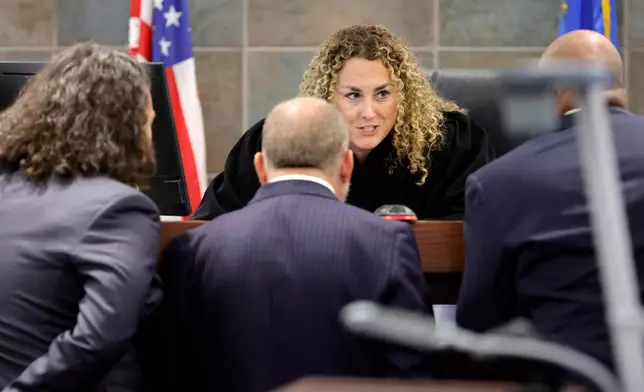
District Court Judge Carli Kierny confers with Michael Sanft, attorney for Duane Davis, left, and Chief Deputy District Attorneys Marc DiGiacomo, center, and Binu Palal, during the Duane Davis murder trial, related to the 1996 killing of rapper Tupac Shakur, at Clark County District Court Regional Justice Center in Las Vegas, Monday, Aug. 17, 2026. (Steve Marcus/Pool Photo via AP)

Duane Davis appears in court during his murder trial, related to the 1996 killing of rapper Tupac Shakur, at Clark County District Court Regional Justice Center in Las Vegas, Monday, Aug. 17, 2026. (Steve Marcus/Pool Photo via AP)

Duane Davis appears in court during his murder trial, related to the 1996 killing of rapper Tupac Shakur, at Clark County District Court Regional Justice Center in Las Vegas, Monday, Aug. 17, 2026. (Steve Marcus/Pool Photo via AP)

Dr. Lisa Gavin, a forensic pathologist and medical examiner for Clark County, Nevada, was among the early witnesses on the second day of testimony. Jurors were shown a photo of a green body bag at the beginning of her questioning, followed by a grisly photo of his body. Some relatives who remained in the courtroom looked away. One woman got up to leave once the photos were shown.

Shakur’s cousin Zayd Akinyela said he wanted to stay in court to learn more.

“I feel like the details, especially for people that are close to him, honestly for me helps, helps the grief process. I think we’ve been waiting 30 years to grieve properly,” Akinyela told The Associated Press outside the courtroom. “A lot of people don’t get to grieve until they understand what happened to their loved one and how it happened. He added, “That’s why I wanted to stay and just see for my own personal closure.”

Akinyela said he hadn't known how many times his cousin was shot. Gavin described three bullets, one of which traveled through Shakur's chest, including through a lung. That caused his lung to collapse and bleed, and doctors ultimately removed the damaged lung in an effort to save his life, she said.

Additional bullets damaged his intestines and other parts of his body, she said.

Jurors looked intently at the photos of Shakur’s body, which was bloated and had multiple chest wounds. The nearly full courtroom was quiet. One photo showed his tattoos and the chest tubes that were still in his body from the six days he spent in the hospital before dying.

The images were not shown in the video feed from the trial.

Gavin was not at Shakur’s autopsy but was called as an expert witness because the examiner from 30 years ago has since died.

As Gavin explained the photos, Davis sat still, looking at the screen in front of him. He occasionally whispered in his attorney’s ear.

Family members who had stepped out returned for the testimony of subsequent witnesses.

Akinyela said the photos made him feel “Very angry, very angry, to say the least, very sad.”

But he said, “I’m very spiritual, so just seeing the body doesn’t affect me the same way as it might some people. I do believe that his spirit is still around and still lives on through his family and through his legacy.”

Prosecutors allege Shakur was killed to avenge Shakur’s entourage attacking Davis’ nephew Orlando “Baby Lane” Anderson a few hours earlier at the MGM Grand after a Mike Tyson fight.

On Tuesday, jurors were shown the casino's surveillance video of the clash. The camera, which panned back and forth in the MGM Grand, showed a group of people beating and kicking someone on the ground.

The video showed Shakur and his entourage moving quickly through the crowded building in the minutes after. At times, the other men had to jog to keep up with the rapper.

The surveillance footage then showed security and police arriving at the scene and talking to Anderson, who was wearing a number 13 Dan Marino Miami Dolphins jersey.

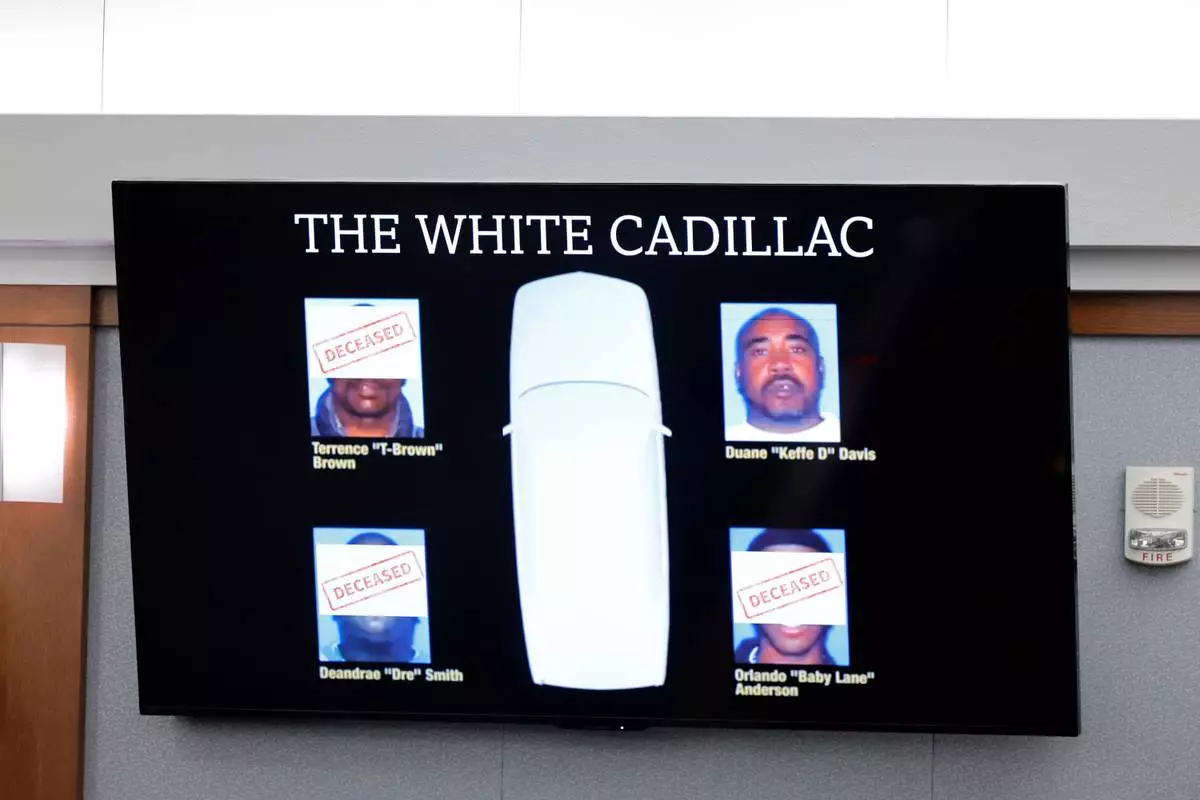
A few hours later, Shakur, riding in a black BMW with hip-hop mogul Marion “Suge” Knight, was gunned down by shots fired from a white Cadillac that had Davis, Anderson and two other men inside. Davis is not charged with pulling the trigger.

Davis, 63, could get life in prison if he's convicted of murder with a deadly weapon with the intent to promote, further or assist a criminal gang. He has pleaded not guilty. His lawyer in the defense opening called the prosecution's narrative “fiction.”

Lawyer Michael Sanft told jurors Davis wasn't previously charged, despite implicating himself in interviews and his memoir, because law enforcement knew that he was “full of crap.”

Shakur remains a cultural icon and is considered one of the most influential and versatile rappers of all time. He died as his popularity was peaking at age 25, and his legend has only grown in the years since.

His rap rival, the Notorious B.I.G., was killed six months later in a shooting that has always been paired with Shakur's in the public memory.

That shooting has already been discussed at this trial and likely will be again. A former Los Angeles police detective testified that Davis was briefly a suspect in the shooting of the rapper born Christopher Wallace, but was ruled out. The court day began Tuesday with a recording of Davis talking to detectives about the Wallace shooting.

Associated Press Writer Rebecca Boone contributed from Boise, Idaho.
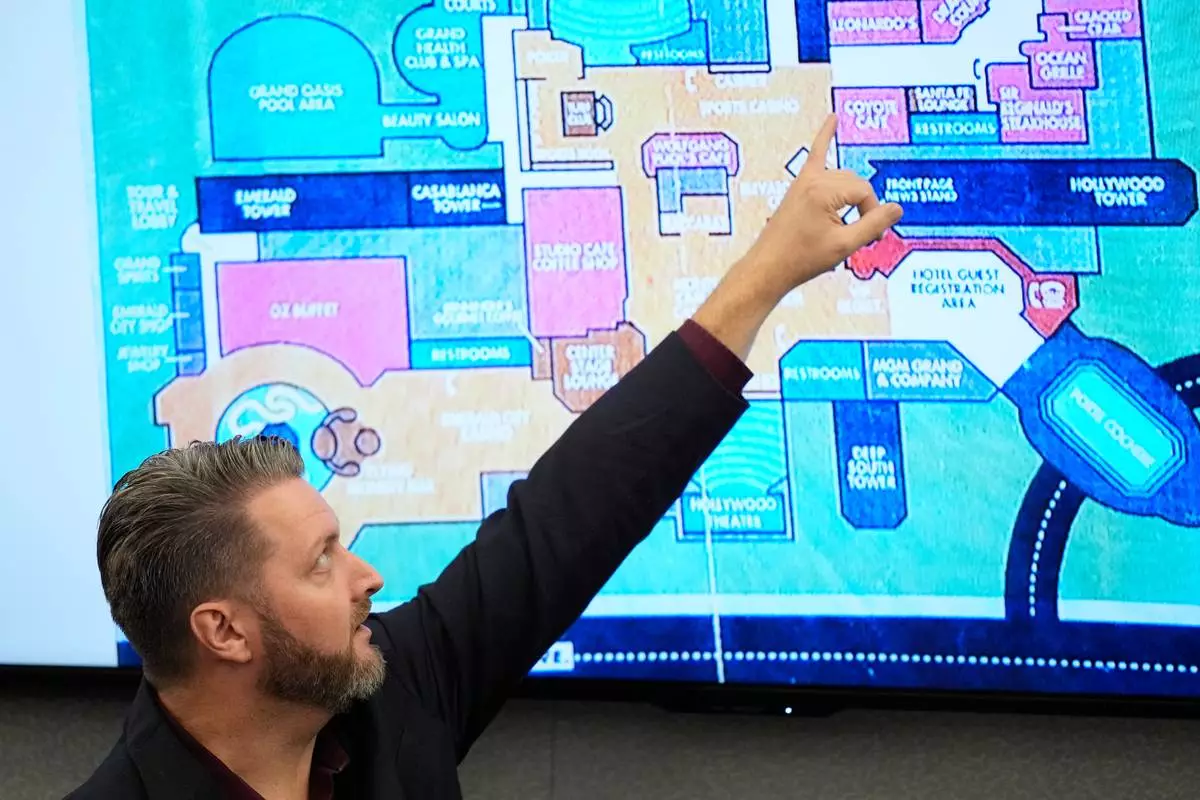
Michael Ingram, investigator for MGM Resorts, points to a map of the MGM Grand casino as he testifies during the murder trial of Duane "Keffe D" Davis related to the 1996 killing of rapper Tupac Shakur, at Clark County District Court Regional Justice Center in Las Vegas, on Tuesday, Aug. 18, 2026. (AP Photo/John Locher, Pool)
Michael Ingram, investigator for MGM Resorts, points to a map of the MGM Grand casino as he testifies during the murder trial of Duane "Keffe D" Davis related to the 1996 killing of rapper Tupac Shakur, at Clark County District Court Regional Justice Center in Las Vegas, on Tuesday, Aug. 18, 2026. (AP Photo/John Locher, Pool)
Duane "Keffe D" Davis in court for his murder trial related to the 1996 killing of rapper Tupac Shakur, at Clark County District Court Regional Justice Center in Las Vegas, on Tuesday, Aug. 18, 2026. (AP Photo/John Locher, Pool)
Duane "Keffe D" Davis in court for his murder trial related to the 1996 killing of rapper Tupac Shakur, at Clark County District Court Regional Justice Center in Las Vegas, on Tuesday, Aug. 18, 2026. (AP Photo/John Locher, Pool)

Clark District Court Judge Carli Kierny, center, speaks with defense attorney Michael Sanft, left, and Chief Deputy District Attorney Marc DiGiacomo during the murder trial of Duane "Keffe D" Davis related to the 1996 killing of rapper Tupac Shakur, at Clark County District Court Regional Justice Center in Las Vegas, on Tuesday, Aug. 18, 2026. (AP Photo/John Locher, Pool)

Clark District Court Judge Carli Kierny, center, speaks with defense attorney Michael Sanft, left, and Chief Deputy District Attorney Marc DiGiacomo during the murder trial of Duane "Keffe D" Davis related to the 1996 killing of rapper Tupac Shakur, at Clark County District Court Regional Justice Center in Las Vegas, on Tuesday, Aug. 18, 2026. (AP Photo/John Locher, Pool)

Duane Davis listens as Brent Becker, a retired Las Vegas Metro Police Department homicide detective, testifies by video feed during his murder trial, related to the 1996 killing of rapper Tupac Shakur, at Clark County District Court Regional Justice Center, Monday, Aug. 17, 2026, in Las Vegas. (Steve Marcus/Pool Photo via AP)
Duane Davis listens as Brent Becker, a retired Las Vegas Metro Police Department homicide detective, testifies by video feed during his murder trial, related to the 1996 killing of rapper Tupac Shakur, at Clark County District Court Regional Justice Center, Monday, Aug. 17, 2026, in Las Vegas. (Steve Marcus/Pool Photo via AP)

Michael Sanft, attorney for Duane Davis, left, asks a question to Garry Dale, a former Las Vegas Metro Police Department officer, during the Duane Davis murder trial, related to the 1996 killing of rapper Tupac Shakur, at Clark County District Court Regional Justice Center in Las Vegas,, Monday, Aug. 17, 2026. (Steve Marcus/Pool Photo via AP)
Michael Sanft, attorney for Duane Davis, left, asks a question to Garry Dale, a former Las Vegas Metro Police Department officer, during the Duane Davis murder trial, related to the 1996 killing of rapper Tupac Shakur, at Clark County District Court Regional Justice Center in Las Vegas,, Monday, Aug. 17, 2026. (Steve Marcus/Pool Photo via AP)

An illustration is displayed during the Duane Davis murder trial, related to the 1996 killing of rapper Tupac Shakur, at Clark County District Court Regional Justice Center in Las Vegas, Monday, Aug. 17, 2026. (Steve Marcus/Pool Photo via AP)
An illustration is displayed during the Duane Davis murder trial, related to the 1996 killing of rapper Tupac Shakur, at Clark County District Court Regional Justice Center in Las Vegas, Monday, Aug. 17, 2026. (Steve Marcus/Pool Photo via AP)
District Court Judge Carli Kierny confers with Michael Sanft, attorney for Duane Davis, left, and Chief Deputy District Attorneys Marc DiGiacomo, center, and Binu Palal, during the Duane Davis murder trial, related to the 1996 killing of rapper Tupac Shakur, at Clark County District Court Regional Justice Center in Las Vegas, Monday, Aug. 17, 2026. (Steve Marcus/Pool Photo via AP)

District Court Judge Carli Kierny confers with Michael Sanft, attorney for Duane Davis, left, and Chief Deputy District Attorneys Marc DiGiacomo, center, and Binu Palal, during the Duane Davis murder trial, related to the 1996 killing of rapper Tupac Shakur, at Clark County District Court Regional Justice Center in Las Vegas, Monday, Aug. 17, 2026. (Steve Marcus/Pool Photo via AP)
Duane Davis appears in court during his murder trial, related to the 1996 killing of rapper Tupac Shakur, at Clark County District Court Regional Justice Center in Las Vegas, Monday, Aug. 17, 2026. (Steve Marcus/Pool Photo via AP)
Duane Davis appears in court during his murder trial, related to the 1996 killing of rapper Tupac Shakur, at Clark County District Court Regional Justice Center in Las Vegas, Monday, Aug. 17, 2026. (Steve Marcus/Pool Photo via AP)
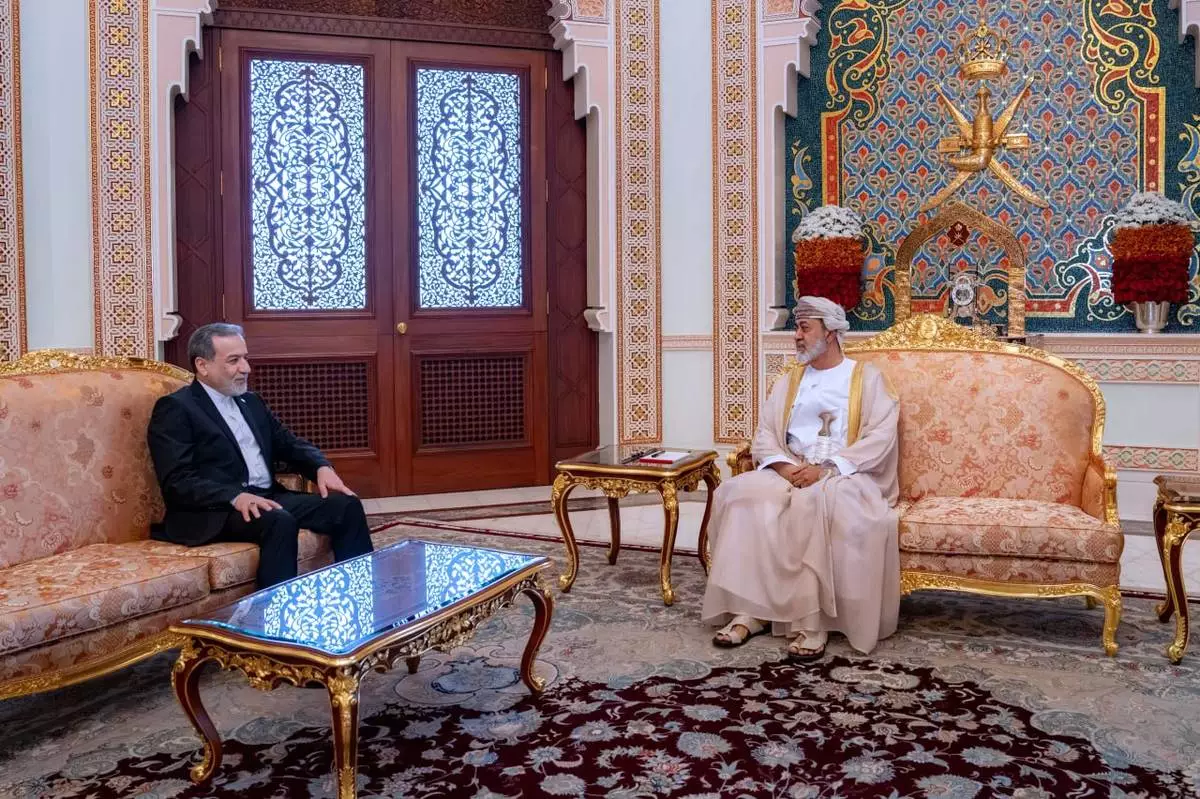
The world knows that U.S. President Donald Trump is angry with Iran. But he’s not happy with the small country lying across the Strait of Hormuz from the Islamic Republic, either: Oman.

Oman has played a relatively low-profile role since the Iran war began, including as a mediator. But its geography has thrust the sultanate into the uncomfortable position of negotiating with Tehran over management of the strait while facing Trump’s threats.

Trump this week told Fox News reporter Trey Yingst that the U.S. would bomb Oman if it “gets in the way,” using an expletive for emphasis. It’s not the first such threat he’s made. Oman’s foreign ministry didn’t immediately respond to emailed questions about Trump’s threat and when Oman and Iran might issue a joint statement on their deal.

Here’s a look at the country in the middle of the Washington-Tehran tug-of-war.

Trump threatened Oman because he’s not happy that it’s close to a deal with Iran over the strait, two regional officials said Tuesday.

Trump is under pressure. He vowed a quick war and a weakened Iran, along with a better deal on Tehran’s nuclear program. Instead, Iran has seized on the Strait of Hormuz as a new weapon in talks, asserting control of what had been seen as an international waterway before the war.

U.S.-Iran negotiations have dried up. This week ended the 60-day period that launched when the U.S. and Iran signed an interim agreement. It had been meant to open the way for more detailed talks. There's no sign of it being extended. Trump now says there are no planned talks with Iran.

So the only confirmed discussions happening now are between Iran and Oman about shipping on the strait. These have been going on for weeks. Oman hasn’t said much about them publicly. Tehran says they’re finalizing a joint statement. There’s widespread thinking that Iran is not in much of a hurry.

Trump has made plenty of threats against Iran. Now he's venting his frustration at Oman, too.

Oman, with a population of just over 5 million, is one of the quieter actors in the Gulf. It has allowed the U.S. military to use its facilities, though Washington has described defense relations as smaller in scale compared with Gulf neighbors like the United Arab Emirates.

Unlike other regional states, Oman hasn’t been targeted during the war in the way that Tehran has lashed out at other Gulf neighbors. The Washington-based Quincy Institute for Responsible Statecraft notes that while Omani ports have been targeted by drones, Iran hasn't claimed responsibility and Oman hasn't blamed Iran, and no missiles have struck Omani territory.

Oman’s leaders have long preferred engagement with Iran. The sultanate has been involved in mediation efforts, but that work is now being driven by Qatar and Pakistan.

The world's focus has turned more toward Oman since the interim agreement was signed. Not long after the signing, the relative calm was shattered when Iran started firing at ships trying to transit the Strait of Hormuz near the Oman coast on a route supported by the U.S.

Now Oman is in discussions that appear to be driven by Iran, which has described the talks as aiming to “develop mechanisms to ensure safe navigation through the Strait of Hormuz while respecting the sovereign rights and sovereignty of both coastal states, as well as Iran’s security and national interests.” The mechanisms might include fees.

Regional officials have said the emerging deal calls for ships to enter the Persian Gulf through an Iranian-controlled route and exit through a route controlled by Oman. But any deal appears to rely on the U.S. lifting its blockade of Iranian ports.

Oman earlier this month described the talks as “proceeding in a positive and constructive atmosphere,” while in the same statement condemning repeated attacks on ships transiting the strait.

After a meeting Tuesday between Oman’s foreign minister and his Egyptian counterpart, Egypt said the Iranian-Omani deal could pave the way for the U.S. and Tehran to return to negotiations for a “comprehensive and permanent deal that addresses all concerns and enhances regional security and stability.”

Oman is caught between two heavily armed and stubborn powers. Meanwhile, global supplies of oil, natural gas and related goods are only able to get through the strait at a reduced level, with ships still at risk of attack.

Since Trump's latest threat, the government's Oman News Agency has been posting about other things — the Muscat Stock Exchange, sports, imports of coffee and tea. Foreign ministry statements have focused on diplomatic meetings and greetings.

It is not clear whether Trump’s threat will make any difference in Oman's talks with Iran, including in hurrying the countries to finalize and announce a deal.

But it's clear that the U.S. president is passing along the growing heat his administration feels as midterm elections approach, and as the global economy watches events on the Iran-gripped strait for any sign of relief.

Associated Press writer Samy Magdy in Cairo contributed.

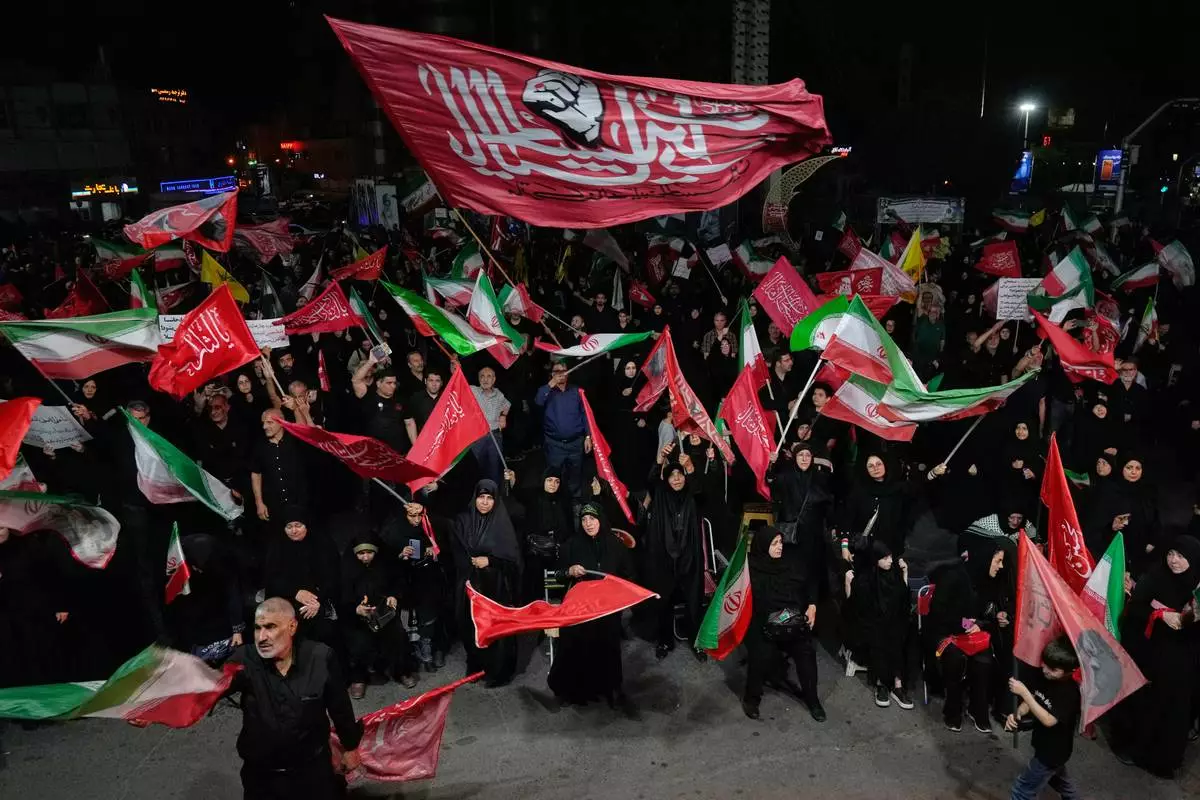
Iranian pro-government demonstrators wave flags in a gathering at a square in Tehran, Iran, Tuesday, Aug. 11, 2026. (AP Photo/Vahid Salemi)

Iranian pro-government demonstrators wave flags in a gathering at a square in Tehran, Iran, Tuesday, Aug. 11, 2026. (AP Photo/Vahid Salemi)

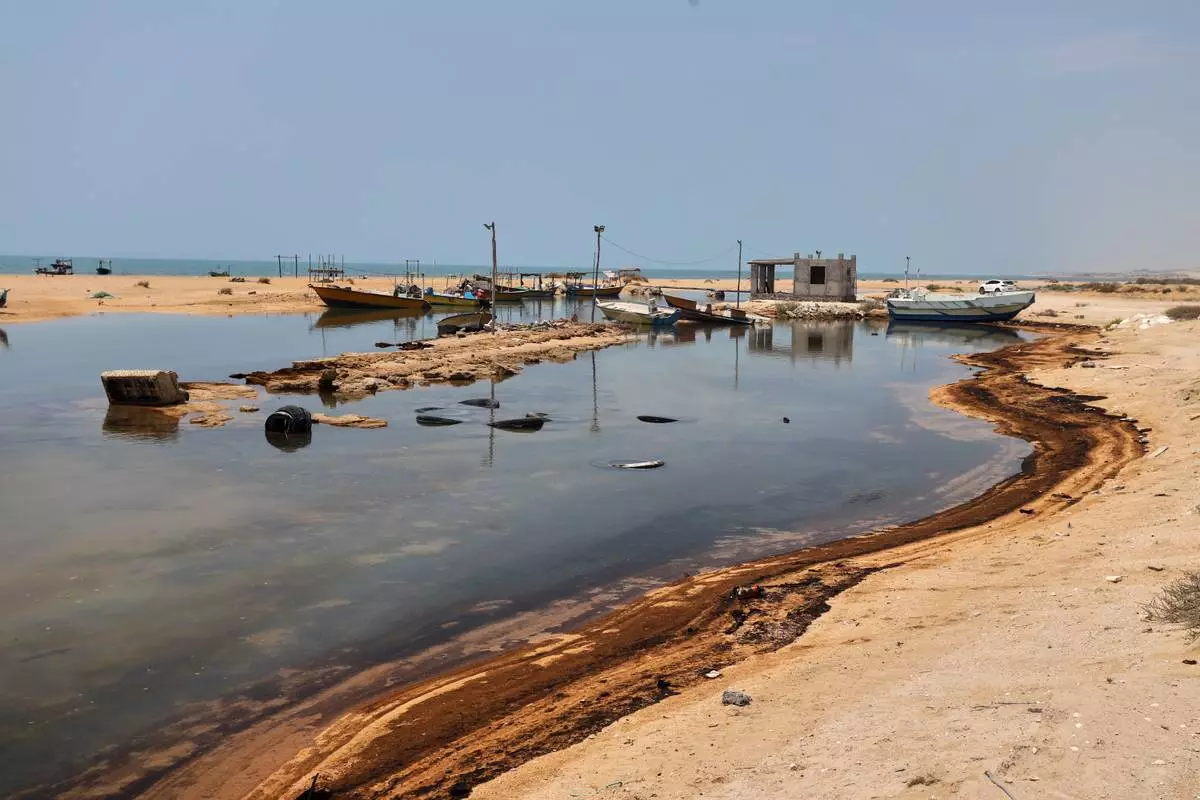
Oil residue lines the shore near fishing boats on Qeshm Island, Iran, Thursday, Aug. 13, 2026, amid ongoing wartime attacks on vessels and infrastructure in and around the Strait of Hormuz, though the spill's source has not been independently determined.(Amirhosein Khorgooi/ISNA via AP)

Oil residue lines the shore near fishing boats on Qeshm Island, Iran, Thursday, Aug. 13, 2026, amid ongoing wartime attacks on vessels and infrastructure in and around the Strait of Hormuz, though the spill's source has not been independently determined.(Amirhosein Khorgooi/ISNA via AP)

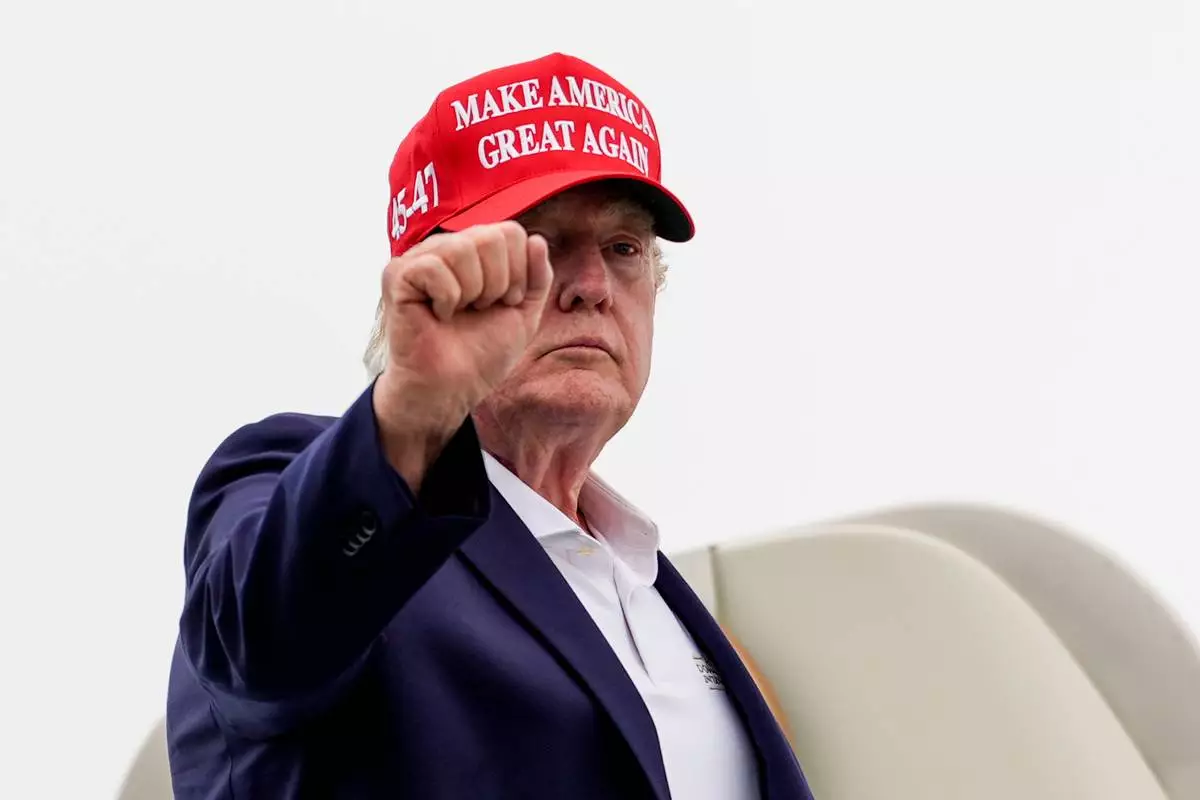
President Donald Trump gestures while boarding Air Force One at Morristown Airport, Sunday, Aug. 16, 2026, in Morristown, N.J. (AP Photo/Julia Demaree Nikhinson)

President Donald Trump gestures while boarding Air Force One at Morristown Airport, Sunday, Aug. 16, 2026, in Morristown, N.J. (AP Photo/Julia Demaree Nikhinson)

FILE - In this photo released by the Iranian Foreign Ministry, Iranian Foreign Minister Abbas Araghchi, left, meets with Oman's Sultan Haitham bin Tariq in Muscat, Oman, April 26, 2026. (Iranian Foreign Ministry via AP, File)

FILE - In this photo released by the Iranian Foreign Ministry, Iranian Foreign Minister Abbas Araghchi, left, meets with Oman's Sultan Haitham bin Tariq in Muscat, Oman, April 26, 2026. (Iranian Foreign Ministry via AP, File)

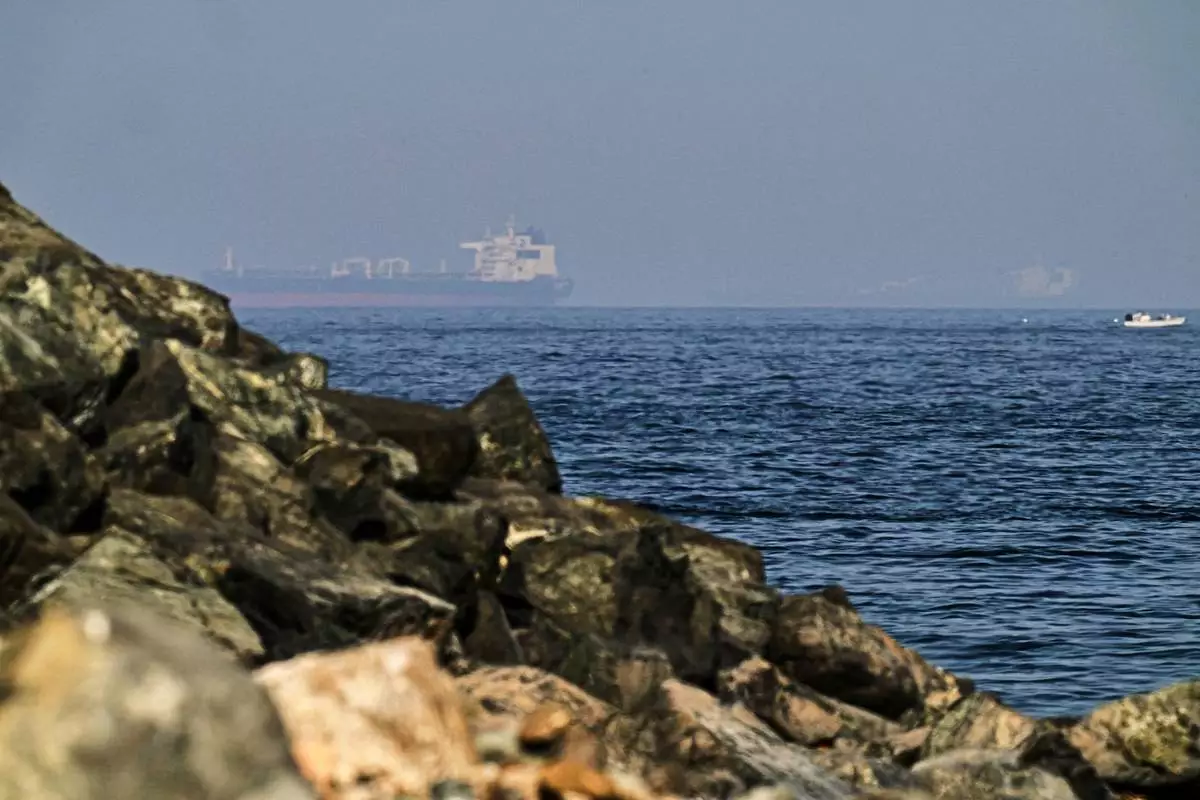
FILE - Cargo ships are seen at sea in the Gulf of Oman near the Strait of Hormuz, from a rocky shoreline near Khor Fakkan, United Arab Emirates, May 1, 2026. (AP Photo/Fatima Shbair, File)

FILE - Cargo ships are seen at sea in the Gulf of Oman near the Strait of Hormuz, from a rocky shoreline near Khor Fakkan, United Arab Emirates, May 1, 2026. (AP Photo/Fatima Shbair, File)

Recommended Articles