ISLAMABAD (AP) — Pakistani authorities on Wednesday asked the Supreme Court to review or withdraw an order requiring imprisoned former Prime Minister Imran Khan to receive a medical exam at a private hospital of his choice.
The government’s legal challenge could fuel anger among his supporters over his treatment in custody. It also may deepen tensions with Khan’s opposition Pakistan Tehreek-e-Insaf party and his family, who have pressed for prompt access to medical care at facilities of Khan's choice and more frequent prison visits.
The petition came a day after the court ordered authorities to take Khan to Shifa International Hospital in the capital Islamabad, where he would be examined by a medical board that would include his personal physician.
The government has said Khan will be taken to government hospitals whenever he needs medical care that is not available in prison. Khan has been taken to a government hospital several times for treatment of an eye condition.
In the petition, Islamabad’s chief commissioner argued the court issued the order without giving him prior notice and said Pakistan’s constitution guarantees equal treatment.
“The Constitution abhors discrimination and favoritism,” the petition said, arguing that allowing a convicted person to receive treatment at a private hospital when his medical report did not indicate a condition requiring immediate treatment could disrupt the criminal justice system.
Implementing the order could prompt other inmates to seek similar treatment outside prison, contrary to prison rules, the petition said.
The petition described Tuesday’s order as “discriminatory” and, unless it was recalled, could “open a flood gate” of prisoners seeking similar relief that cannot be granted under existing law.
Tuesday’s order came months after Khan petitioned the court for a transfer from a high-security prison to a hospital and access to his personal physicians, family and lawyers.
Also Wednesday, Pakistan's Information Minister Attaullah Tarar said the government had no objection to providing Khan with medical care and that he would continue receiving treatment in accordance with prison rules.
But the government was challenging the part of the Supreme Court order requiring Khan to be taken to a private hospital, Tarar said.
“There is no ambiguity” about Khan receiving medical treatment, Tarar said, adding that health issues should be kept separate from politics.
Concerns about Khan’s health intensified in late January after his family said he had lost about 85% of the vision in his right eye, an assertion disputed by the government. Authorities later said Khan had regained about 70% of his vision in the eye and that his condition was improving.
The former cricket star turned politician was removed from office in a parliamentary no-confidence vote in April 2022 and has been imprisoned since 2023 following convictions in multiple cases.
Khan’s supporters have staged repeated rallies across the country demanding his release in recent years, some of which have turned violent.
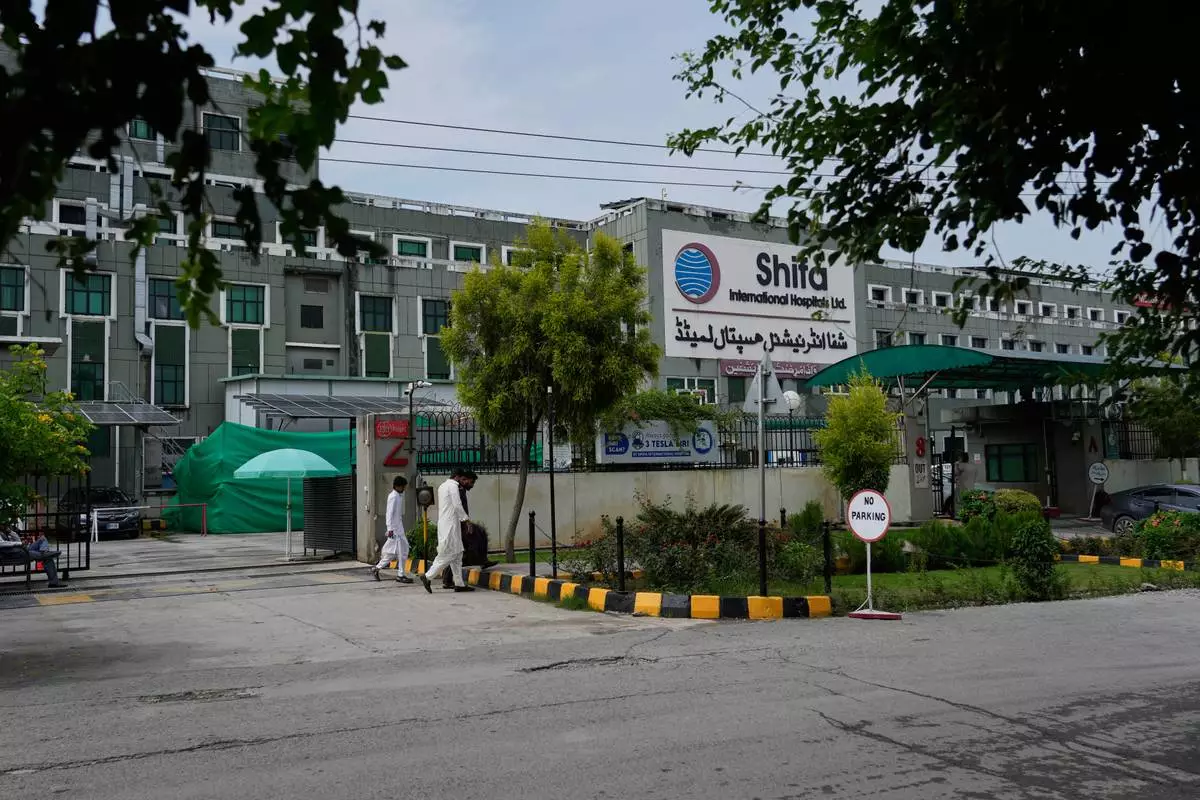
People walk past Shifa International Hospital, where imprisoned former Prime Minister Imran Khan will be transferred for a medical examination following Pakistan's Supreme Court order, in Islamabad, Pakistan, Tuesday, Aug. 18, 2026. (AP Photo/Anjum Naveed)
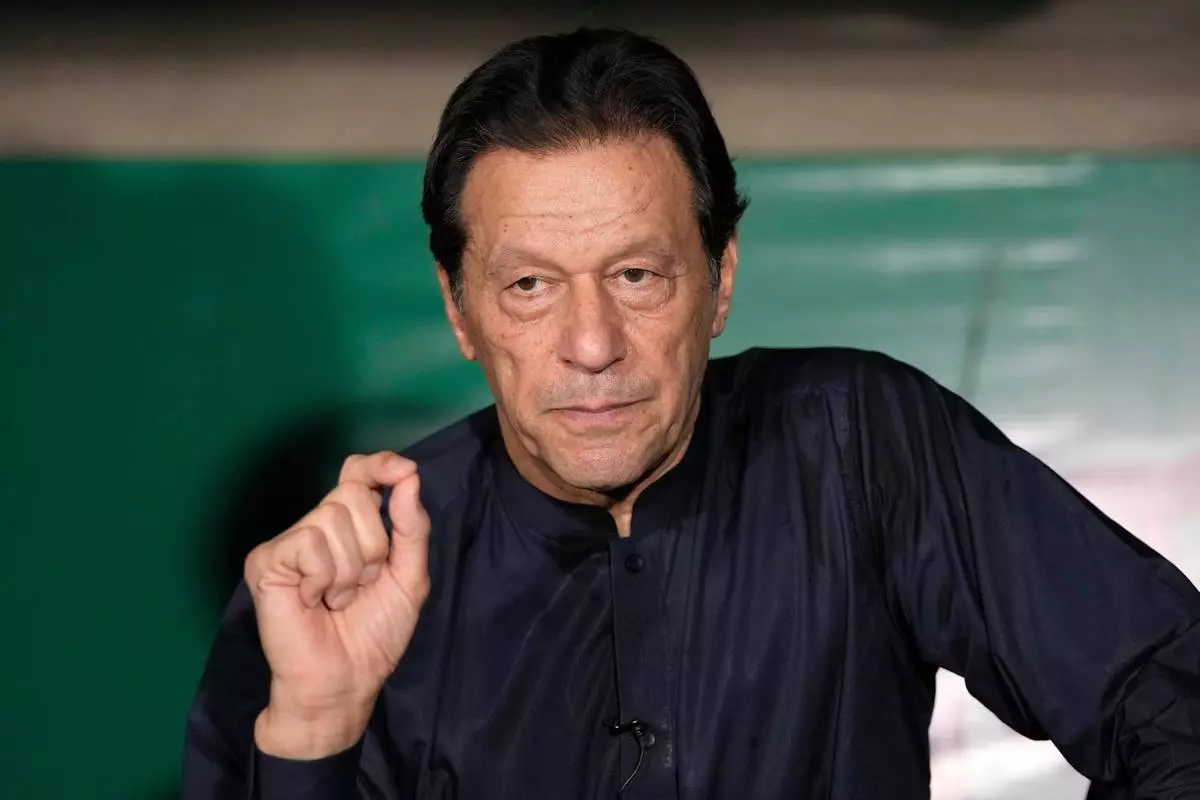
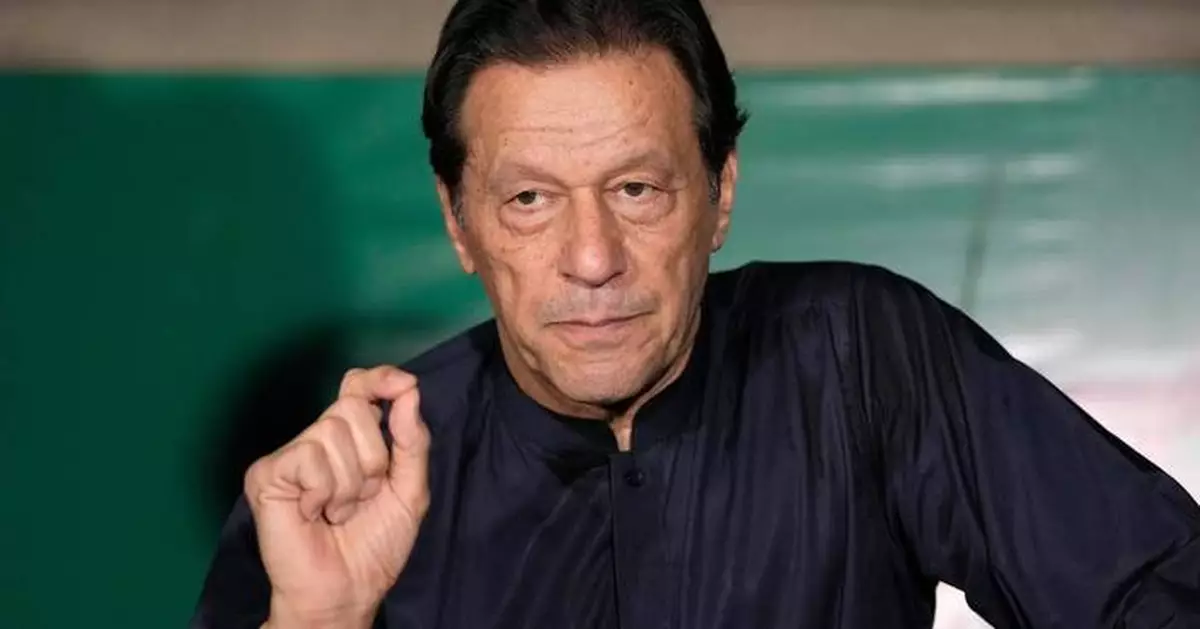
FILE - Pakistan's former Prime Minister Imran Khan gives a press conference at his home, in Lahore, Pakistan, on May 18, 2023. (AP Photo/K.M. Chaudary, File)
DAMASCUS, Syria (AP) — A Turkish delegation had visited an air base in northern Syria the day before it was hit by Israeli airstrikes, Syrian officials said.
The Israeli strikes hit the Abu Duhur base early Tuesday, hours after the delegation had left, causing damage but no casualties. Israeli Prime Minister Benjamin Netanyahu’s office said in a statement that Israel had attacked the base because Syria was “on the verge of breaching” an agreed-upon “status quo in security matters” by allowing Turkish troops to deploy there.
Two Syrian officials who spoke on condition of anonymity because they were not authorized to comment publicly said the Turkish delegation had visited the air base in the northwestern province of Idlib on Monday to review rehabilitation work underway at the facility.
It was the first confirmation of a Turkish presence at the Abu Duhur base.
Turkish and Syrian officials have not publicly commented on Turkey's role there but have condemned the attack, as did Tom Barrack, the U.S. ambassador to Turkey who also serves as special envoy to Syria, and a number of Arab countries.
Turkish officials on Wednesday did not comment on the reported presence of a Turkish military delegation. But Turkey’s communications directorate accused Netanyahu of making “untenable allegations ... intended to legitimize Israel’s unlawful airstrikes targeting Syria’s sovereignty and territorial integrity.” It alleged that Netanyahu aimed “to pursue expansionist and destabilizing policies in the region ahead of the elections in Israel.”
Turkey “will resolutely continue to cooperate with the Syrian Government on a legitimate basis for the establishment of peace, stability, and prosperity in Syria, and will never allow the destabilization of Syria,” it said.
The Abu Duhur air base lies at a strategic location near the borders between Idlib, Aleppo and Hama provinces. During the time of former Syrian President Bashar Assad, who was ousted by a rebel offensive in December 2024, MiG-23 and MiG-21 fighter jets and L-39 aircraft operated out of the base.
Turkey has been supporting Syria’s effort to rebuild its armed forces by training Syrian personnel at Turkish military schools and bases, and by supplying equipment and logistical support. Officials have not disclosed the types of equipment involved. The two countries signed an agreement last year that formalized their military cooperation.
Earlier this year, Syrian troops also took part in military exercises held in Turkey.
Turkish officials have repeatedly stated that Ankara does not consider Syria’s security separate from its own.
Israel, meanwhile, has remained suspicious of the new authorities in Damascus, led by former Islamist insurgents. Syria’s interim President Ahmad al-Sharaa has said repeatedly that he does not want a conflict with Israel.
Israel carried out hundreds of airstrikes around Syria after Assad’s fall, mainly destroying assets of the Syrian army to keep them out of the hands of his successors. The Israeli military also seized control of a U.N.-patrolled buffer zone in southern Syria, which it continues to occupy.
Turkey, a NATO member that also recently signed a defense pact with Saudi Arabia and Pakistan, gave no indication that it would respond militarily to the Israeli strikes in Syria, but the incident added further strain to already tense Turkish-Israeli relations.
Turkey and Israel once were close allies, but the relationship has been marked by deep frictions under Turkish President Recep Tayyip Erdogan’s more than two-decade rule, despite brief periods of reconciliation. Erdogan is an outspoken critic of Israel’s policies toward the Palestinians, while Israel has been angered by Erdogan’s support for the Hamas militant group.
The fall of Assad’s government further strained their relations as the two rivals sought to curb each other’s influence in the neighboring country, with some analysts fearing that they could be headed toward a proxy war.
——
Fraser reported from Ankara.
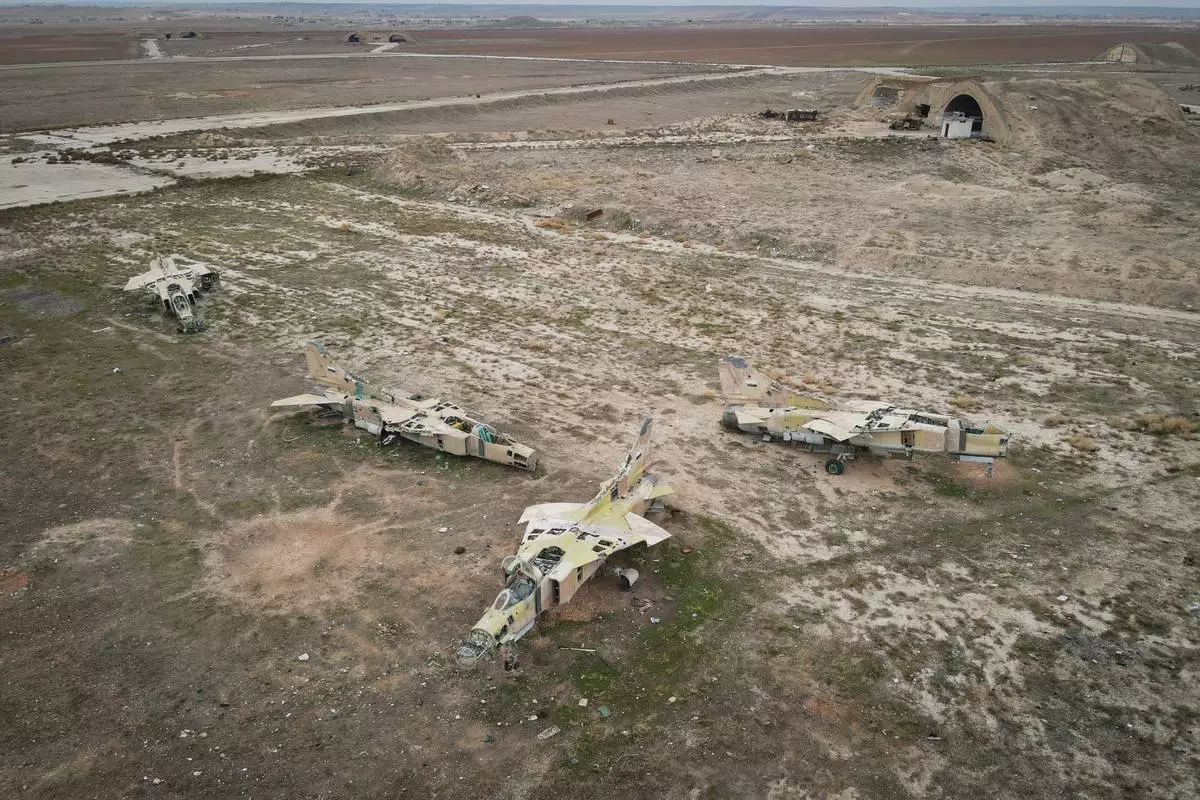
FILE - Decommissioned Syrian air force planes are seen at the Abu Duhur military air base east of Idlib, following the takeover of the area by Syrian opposition fighters on Saturday, Dec. 7, 2024. (AP Photo/Omar Albam, File)