The CMG Film Culture Carnival in north China's Tianjin has fueled a vibrant surge in the city's nighttime economy, with bustling cultural markets, themed river cruises and riverside leisure zones drawing throngs of visitors after dark.
The seven-day carnival kicked off last Friday, with two supporting fairs held at Binhai Cultural Center and Jinwan Plaza.
The Jinwan Plaza became a hub of evening activity, with the festive atmosphere stretching along both banks of Tianjin's iconic Haihe River and spilling over into surrounding consumption scenes.
As night fell, the carnival's intangible cultural heritage market hummed with energy. Opening right at dinnertime, the market gathered a wide array of classic regional delicacies in one place, offering visitors a one-stop chance to sample diverse local flavors.
"We came all the way from Sichuan to wander around. There's such a great variety of food here. It's my first time visiting Tianjin, so I wanted to check out signature dishes from different regions and try all the unique tastes," said Wang Li, a tourist.
The surge in visitor numbers translated into brisk business for vendors at the site.
"Foot traffic at Jinwan Plaza has been massive over the past couple of days. We used to prepare around 80 servings of menzi (traditional snack in Tianjin) and they would all sell out. Today we brought extra stock, hoping everyone gets a chance to taste our food," said Wang Yanran, a merchant at the market.
The area's nighttime appeal extended well beyond the food market. Adjacent to Jinwan Plaza, the Haihe River lit up with a dedicated evening show each day, and river cruises emerged as one of the most popular ways to take in the city's nightscape.
Bookings for Nezha-themed cruise ships saw a sharp spike, fueled by the runaway popularity of the hit Chinese animated film Ne Zha. Beyond the draw of the beloved film character, live Nezha-themed performance and interactive events on board added a fresh, magical dimension to the nighttime cruise experience.
Meanwhile, newly launched outdoor leisure zones along the riverbank grew into trendy consumption hotspots for young people, who gathered with friends by the glowing waterfront to soak up the relaxed evening vibe of the city.
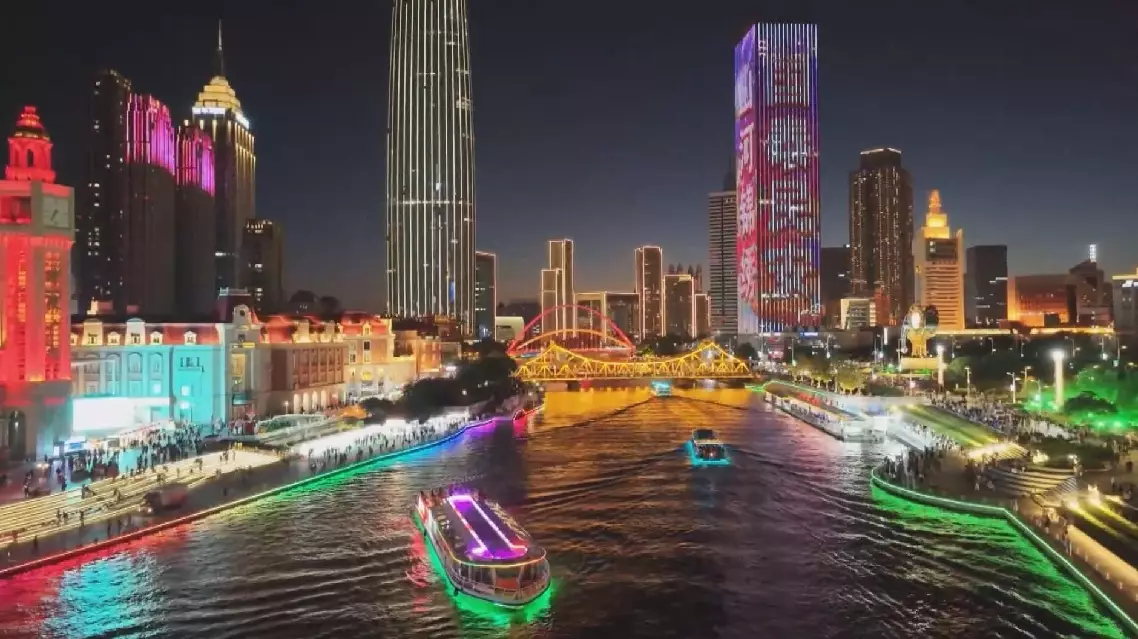
CMG Film Culture Carnival boosts Tianjin's nighttime economy
The Asia-Pacific Economic Cooperation (APEC) Energy Think Tank Forum was held in Dalian City, northeast China's Liaoning Province on Thursday, bringing together more than 100 representatives from 17 member economies of the APEC, international organizations, think tanks, and research institutions.
Participants engaged in in-depth discussions on energy security and regional resilience, energy technology and innovation cooperation, and multilateral cooperation and think tank network building, aiming to pool intellectual consensus for deepening practical regional energy cooperation and promoting shared prosperity in the Asia-Pacific.
Energy serves as a cornerstone of Asia-Pacific economic prosperity.
Faced with the current complex and volatile international energy situation, participants reached a consensus that Asia-Pacific economies should further eliminate barriers through institutionalized cooperation, coordinate energy security with green transition, strengthen collaborative innovation in key core technologies, promote interconnectivity in regional energy markets, and build an open and resilient Asia-Pacific energy security system.
However, uneven energy development within the region remains prominent. Energy access for remote areas and low-income groups still has shortcomings, and the energy transition process must also guard against excessively rapid increases in energy costs for people's livelihoods.
"We should adhere to a people-centered approach and integrate the concept of inclusive benefit throughout all aspects of energy cooperation, continuously promoting the extension of energy infrastructure to underdeveloped regions, and enhancing the stability and coverage of basic energy services," said Xiong Minfeng, Deputy Director General of the International Cooperation Department of the National Energy Administration of China.
The forum released a report on China and APEC energy cooperation.
The report shows that since joining the APEC in 1991, China has continuously aligned its energy development strategies with those of other economies, with cooperation covering traditional energy, new energy, electricity, and other fields, spanning the entire chain of investment, trade, and infrastructure. This has formed an energy cooperation pattern featuring complementary supply and demand, green empowerment, interconnection and supply chain stability, and collaborative governance, contributing Chinese strength to regional energy common security and sustainable development.
"The report targets 2030 and 2050. We need to persist in energy cooperation, which has formed an international practice and international consensus," said Lu Ruquan, Director of the Economics and Technology Research Institute of the China National Petroleum Corporation.
The 16th APEC Energy Ministerial Meeting is scheduled to be held in Beijing from Sept 10 to 11.
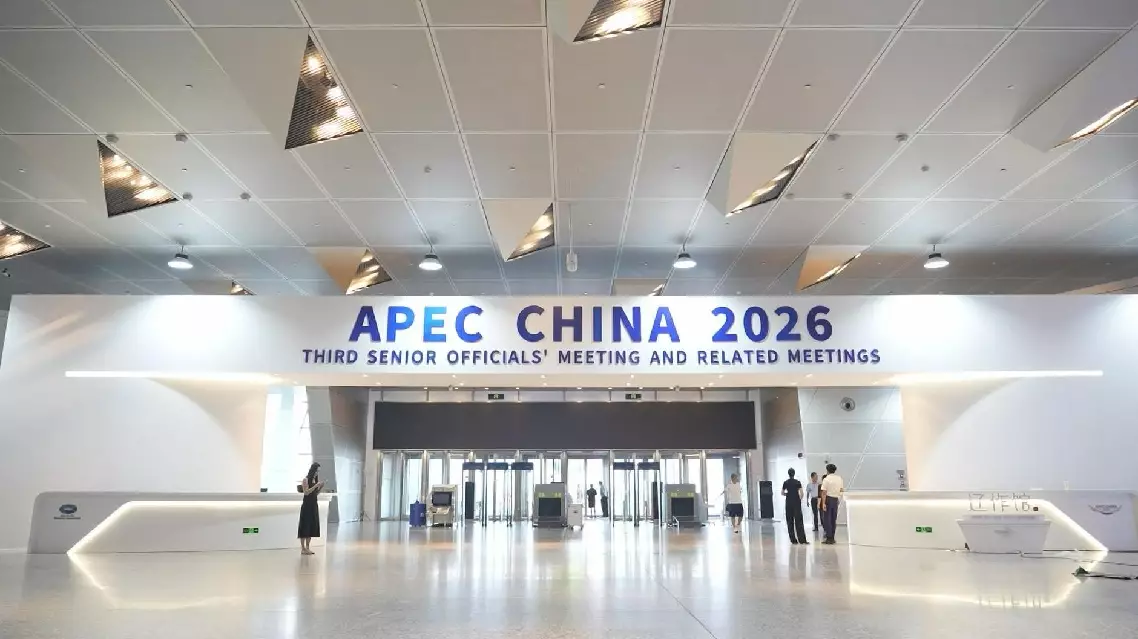
APEC Energy Think Tank Forum held to advance regional cooperation