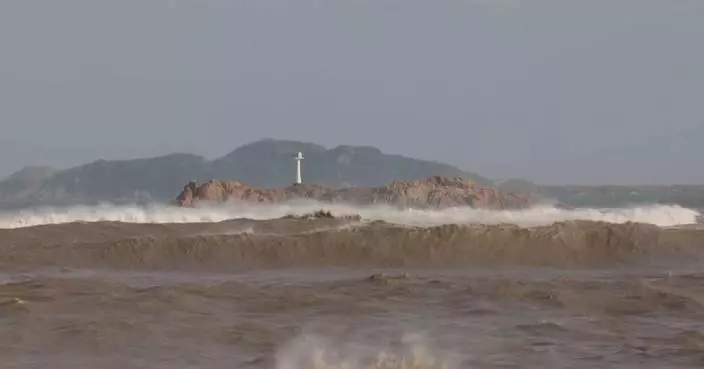
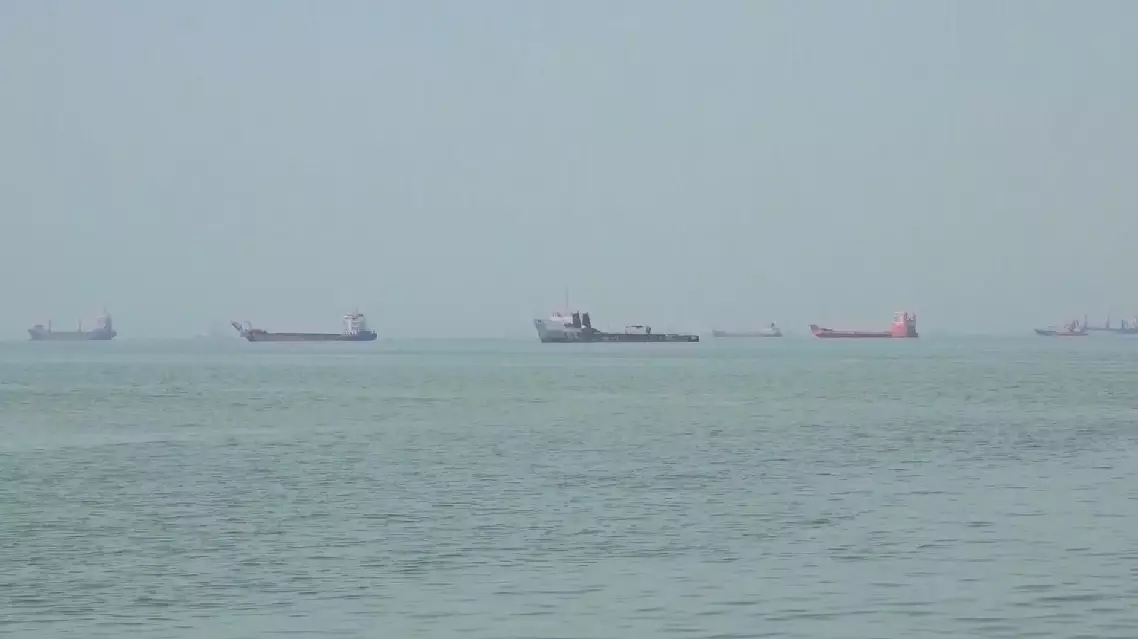
Iraq hopes that Iran could grant special permission for its oil tankers to pass through the Strait of Hormuz, according to media reports on Saturday.
The request was made during Iran's Parliament Speaker Mohammad Bagher Ghalibaf's visit to Iraq this week.
It was reported that Iraq has made this request to Iran several times via different channels. For now, Iran still only allows some Iraqi tankers to pass through the Strait of Hormuz.
Ghalibaf arrived in the Iraqi capital, Baghdad, on Wednesday, where he exchanged views with the Iraqi side on bilateral ties and regional tensions.
Iraq requests Iran’s permission for its tankers to pass through Strait of Hormuz
Iraq requests Iran’s permission for its tankers to pass through Strait of Hormuz
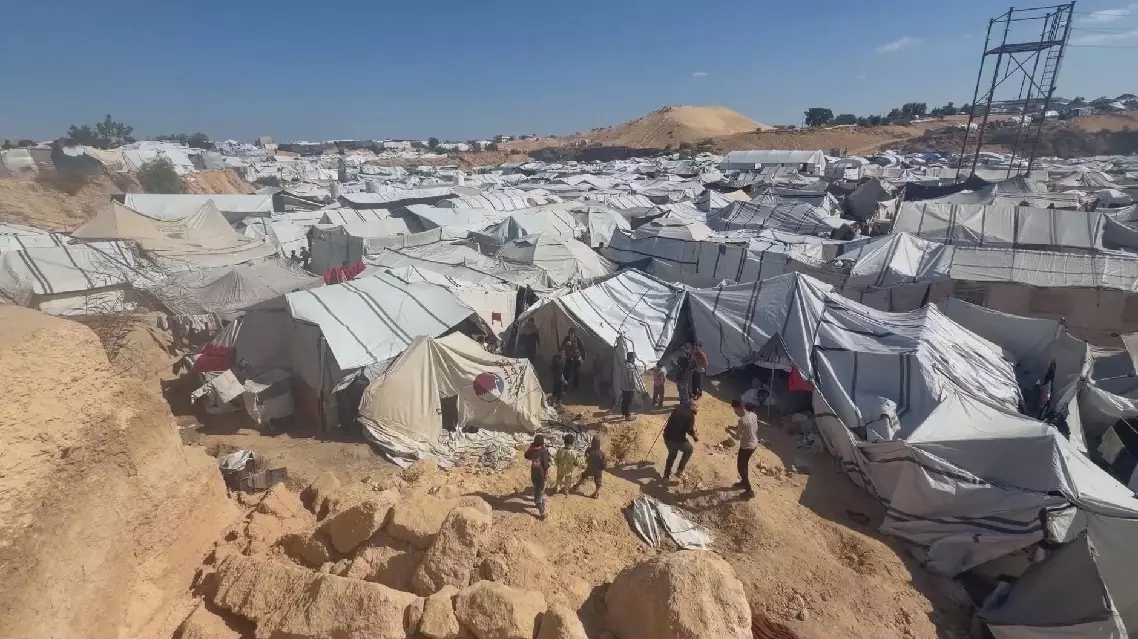
At least five Palestinians, including three children, were killed late Sunday when a sand embankment collapsed at a displacement camp in Deir al-Balah in central Gaza, raising fresh concerns over the perilous living conditions faced by displaced Palestinian families.
The deadly incident was triggered by recent heavy rainfall as the rainy winter season sets in. Several others were injured as large amounts of earth cascaded down, burying their tents. Local authorities warned that the danger remains high in and around these makeshift shelters.
Survivors recounted harrowing scenes of desperation as they scrambled to save their loved ones in the collapse.
"The masses of earth collapsed on us, burying my mother, my children and my sister beneath the tent. I managed to rescue my mother and children from under the sand. I also saved my brother, whose face was completely covered in sand. Thank God, he survived," said Abdel Karim Al-Sahhar, a displaced Palestinian.
However, not everyone was as fortunate. Mustafa Al-Masri, another displaced resident, described the agonizing lack of resources during the rescue efforts.
"When we arrived, we found this huge mass of mud had collapsed onto people. We had no lights or equipment to rescue them, including the children and a pregnant woman. We couldn't help them because we had no rescue equipment. We dug with our bare hands and pulled the children out dead," said Al-Masri.
The tragedy underscores the dire reality for the vast majority of Gaza's two million residents, who continue to live in fragile tent encampments or the ruins of bombed-out buildings.
With large-scale reconstruction yet to begin following Israel's three-year military assault, many families are now bracing for their fourth winter of coping with floodwaters that frequently overtake tents and soak their meager belongings.
Mohammed Abboud, acting head of the Ministry of Public Works and Housing in Gaza, warned that such disasters are likely to recur as long as aid supplies remain severely restricted from entering the besieged strip.
"This is a tragedy that could happen again every day because basic living conditions are lacking. We are talking about camps set up in dangerous areas, facing a harsh winter. The solution is to provide safe places and permanent mobile homes for people here, because tents offer no protection from the winter cold or the summer heat," said Abboud.
Rain-triggered sand embankment collapse kills 5 in central Gaza