The second phase of China's first nuclear power project with private capital investment entered full-scale construction in east China's Zhejiang Province on Tuesday.
The start of full-scale construction of Phase II of the project was marked by the beginning of work on the main part of Unit 4 of the project, named Zhejiang San'ao Nuclear Power Project of China General Nuclear Power Corporation (CGN).
Private capital investment in the second phase of the project, which includes two units, increased to 10 percent as the country encouraged more private investment in the nuclear power sector.
The project, located in Cangnan County in the city of Wenzhou, is designed to have six units of Hualong One, a domestically developed third-generation reactor. One unit has started power generation.
After all six units are operational, the project will be capable of supplying over 54 billion kWh of clean electricity annually to the Yangtze River Delta, which covers Shanghai Municipality and the provinces of Jiangsu, Zhejiang and Anhui, all in east China, and is one of China's most economically dynamic, open and innovative areas.
When fully operational, the project will be able to meet the annual electricity demand for production and daily life of about 5.4 million people and help reduce annual coal consumption by more than 16 million tonnes and carbon dioxide emissions by 50 million tonnes, said State Grid Zhejiang Electric Power Co., Ltd.
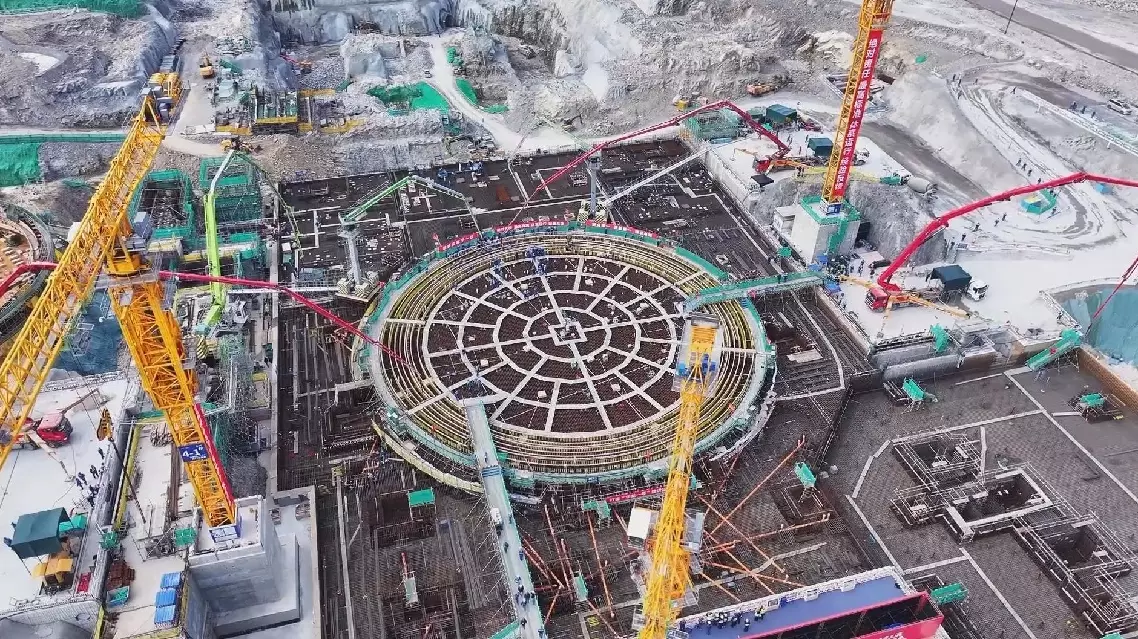
China's first nuclear power project with private investment progresses in Zhejiang
The current Super El Nino has fueled typhoon activity in the Western Pacific, with the Western North Pacific and South China Sea seeing the forming of 32 typhoons so far this year, the highest annual total since the start of the 21st century, according to a chief forecaster at China's National Climate Center.
The region has averaged 24.3 typhoons a year this century. Only 2004 and 2013 saw more than 30, with 2013's 31 typhoons setting the previous record.
"Under the influence of the developing Super El Nino, the subtropical high pressure has remained farther north since this summer, averaging about two degrees of latitude farther north from August to October. A northward shift in the subtropical high pressure is favorable for typhoon formation. A total of 23 typhoons formed from July to October this year. The numbers of storms formed and making landfalls were significantly above average, and their overall intensity was stronger than usual," said Zhao Junhu, chief forecaster at the National Climate Center.
The high number of typhoons comes amid a broader climate shift. The National Climate Center's monitoring showed that a Super El Nino event emerged in the central and eastern equatorial Pacific in September and had become the strongest on record by October.
"Next summer, the Super El Nino is expected to make the subtropical high pressure over the Western North Pacific stronger and make it shift westward and southward. This is likely to result in fewer typhoons forming, though their intensity is expected to remain strong, with tracks mainly heading west. The pattern of typhoons next autumn will also depend on how El Nino evolves from summer into autumn next year," Zhao said.
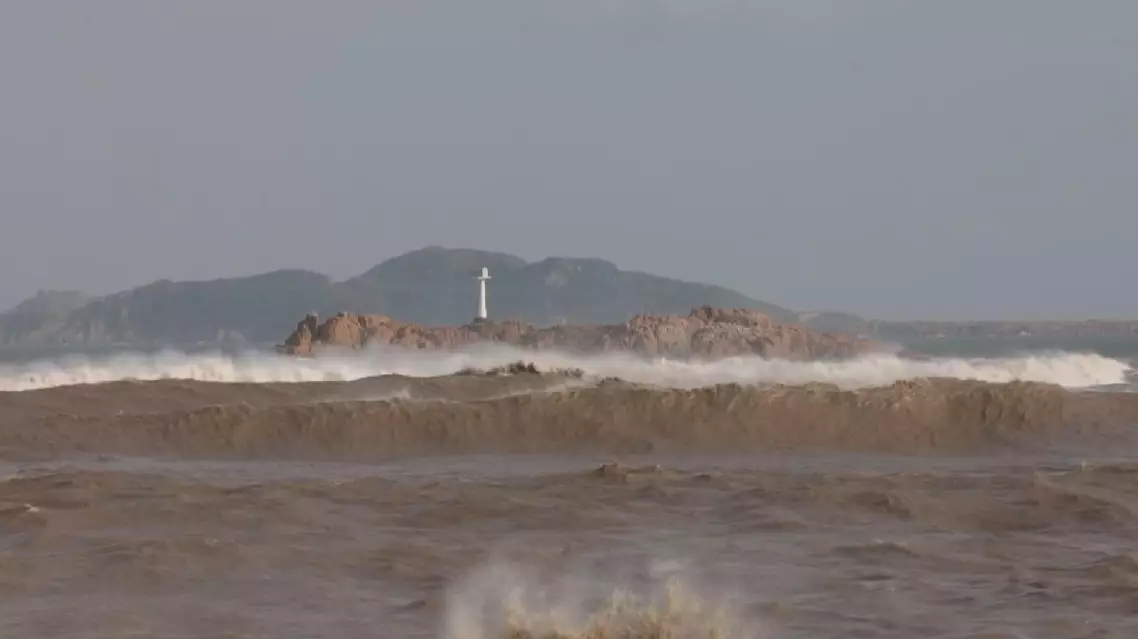
Super El Nino fuels typhoon activity in Western Pacific: chief forecaster