Skip to Content Facebook Feature Image

HKIA's Dongguan Logistics Park to Launch Permanent Facilities in 2027, with Annual Capacity Topping 1 Million Tonnes

China

China

China

HKIA's Dongguan Logistics Park to Launch Permanent Facilities in 2027, with Annual Capacity Topping 1 Million Tonnes

2026-08-26 15:35 Last Updated At:15:35

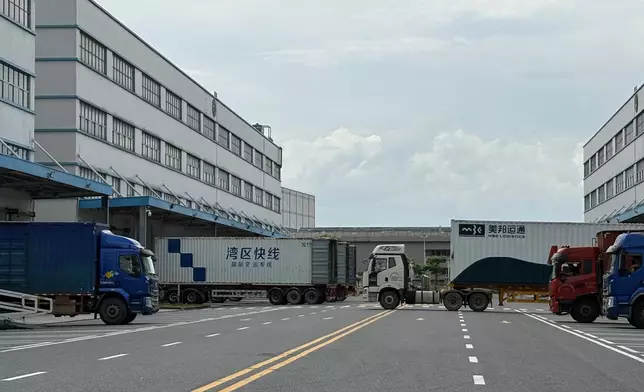
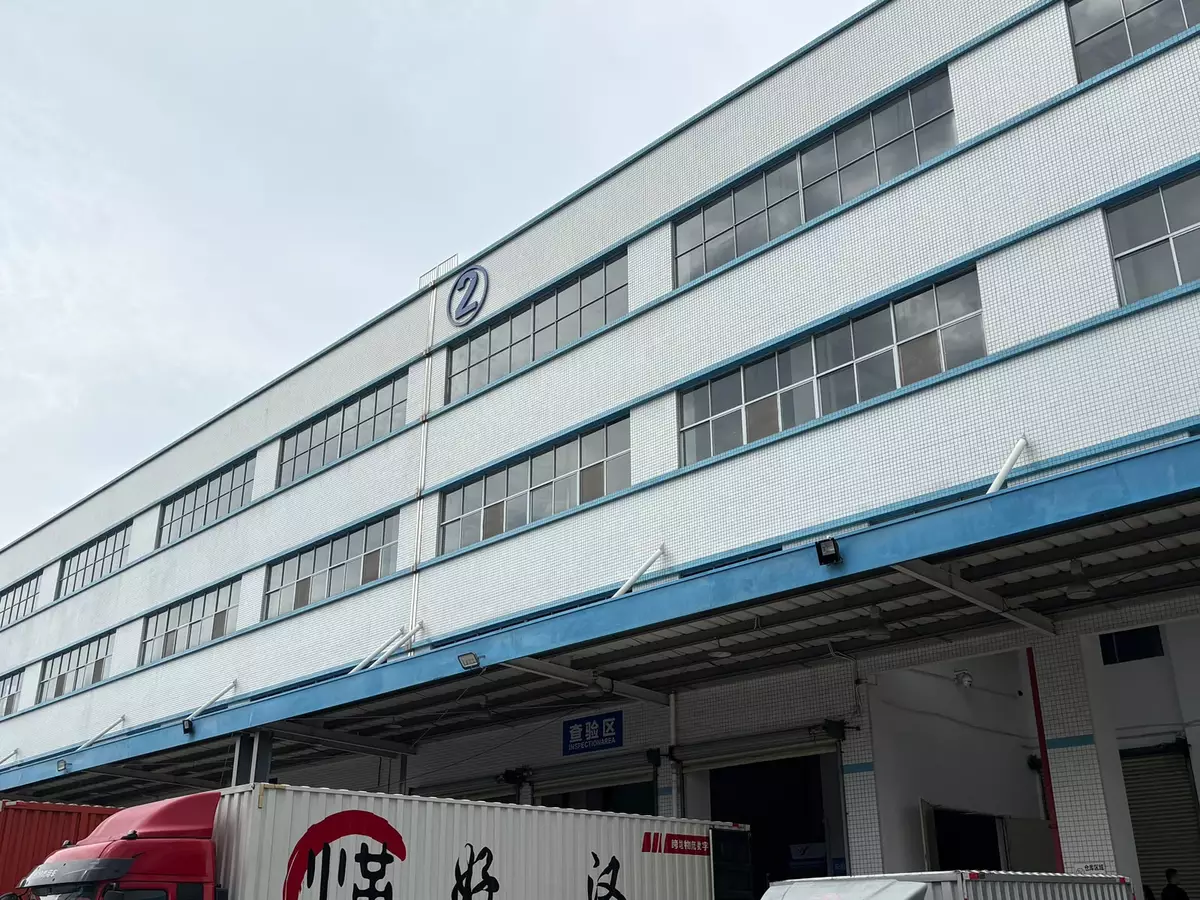
The long-term plan for the Hong Kong International Airport Dongguan Logistics Park is being accelerated. Ian Kwok, General Manager of Aviation Logistics (Dongguan), Airport Authority Hong Kong, said the permanent logistics park facilities are expected to begin trial operations in April 2027 and formally commence operations in June. Once the long-term plan reaches full maturity, the annual cargo handling capacity is expected to exceed 1 million tonnes.
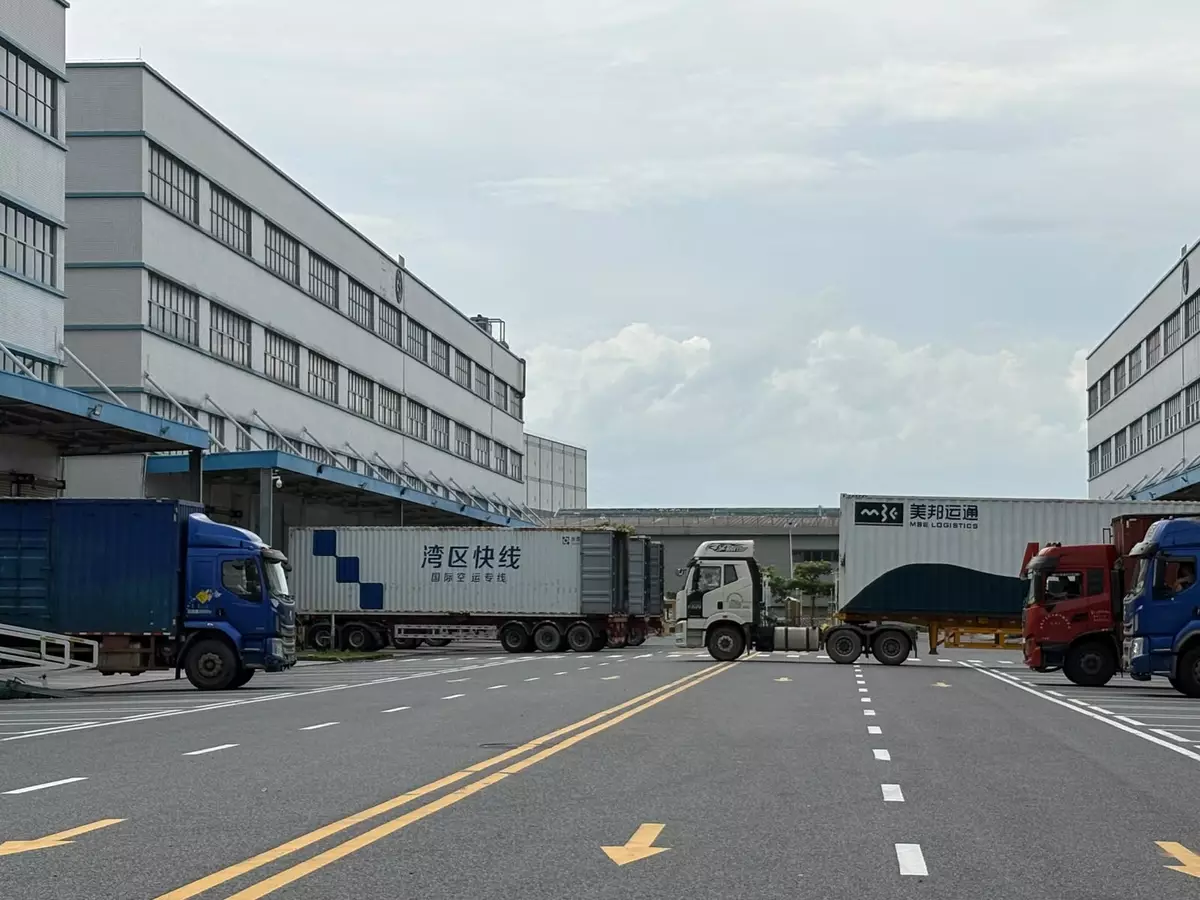
The Hong Kong International Airport Dongguan Logistics Park, Photo by Bastille Post
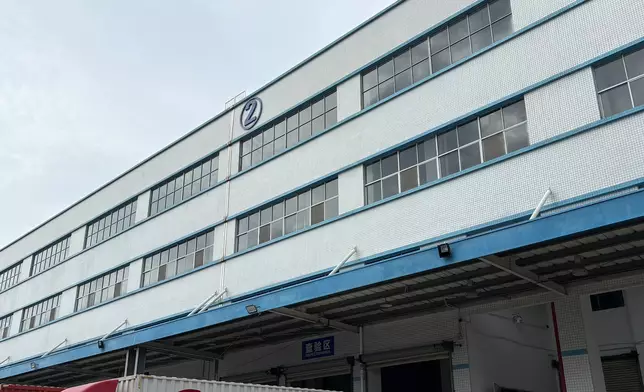
The Hong Kong International Airport Dongguan Logistics Park, Photo by Bastille Post
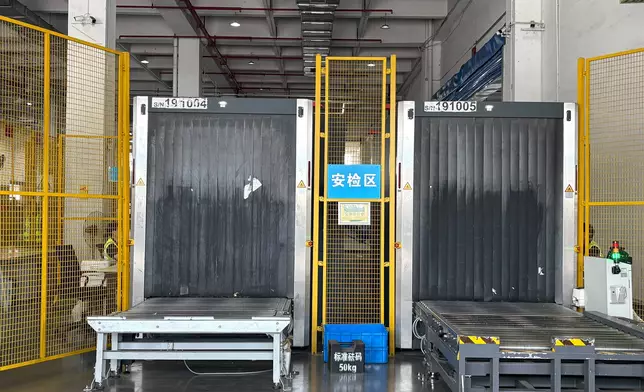
Ian Kwok noted that the core purpose of the Dongguan Logistics Park is to serve the Guangdong-Hong Kong-Macao Greater Bay Area market by “front-loading” Hong Kong Airport’s cargo and business services to the hinterland of the Greater Bay Area, relocating them upstream to extend service reach and improve efficiency and quality.

More Images
The Hong Kong International Airport Dongguan Logistics Park, Photo by Bastille Post

The Hong Kong International Airport Dongguan Logistics Park, Photo by Bastille Post
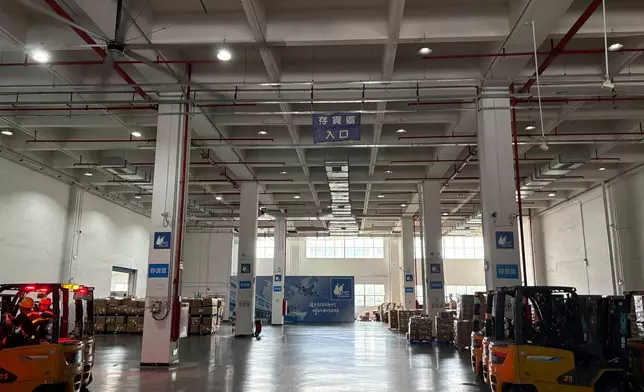
The Hong Kong International Airport Dongguan Logistics Park, Photo by Bastille Post
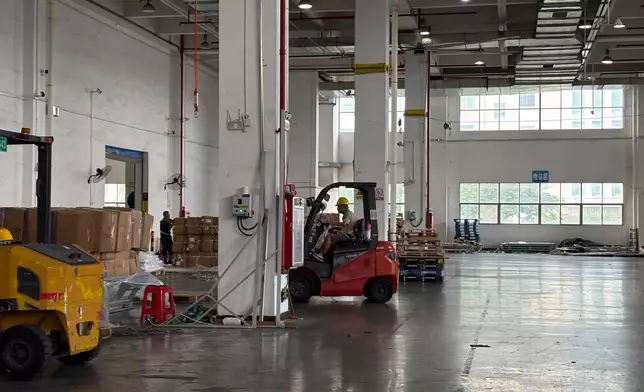
The Hong Kong International Airport Dongguan Logistics Park, Photo by Bastille Post
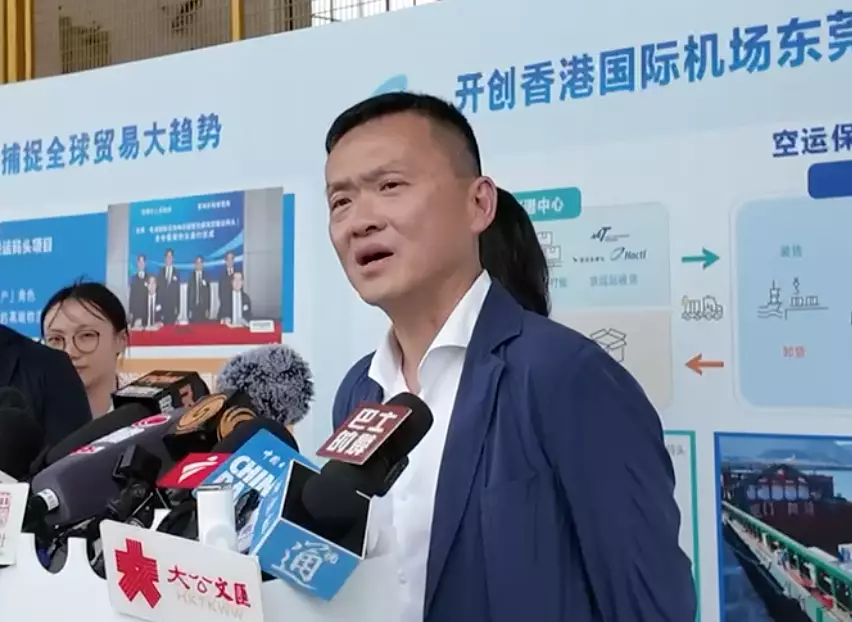
The Hong Kong International Airport Dongguan Logistics Park, Photo by Bastille Post

The Hong Kong International Airport Dongguan Logistics Park, Photo by Bastille Post

The Hong Kong International Airport Dongguan Logistics Park, Photo by Bastille Post

The Hong Kong International Airport Dongguan Logistics Park, Photo by Bastille Post

The Hong Kong International Airport Dongguan Logistics Park, Photo by Bastille Post

The Hong Kong International Airport Dongguan Logistics Park, Photo by Bastille Post

Ian Kwok, General Manager of Aviation Logistics (Dongguan), Airport Authority Hong Kong, Photo by Bastille Post
Ian Kwok, General Manager of Aviation Logistics (Dongguan), Airport Authority Hong Kong, Photo by Bastille Post

The Hong Kong International Airport Dongguan Logistics Park, Photo by Bastille Post

The Hong Kong International Airport Dongguan Logistics Park, Photo by Bastille Post

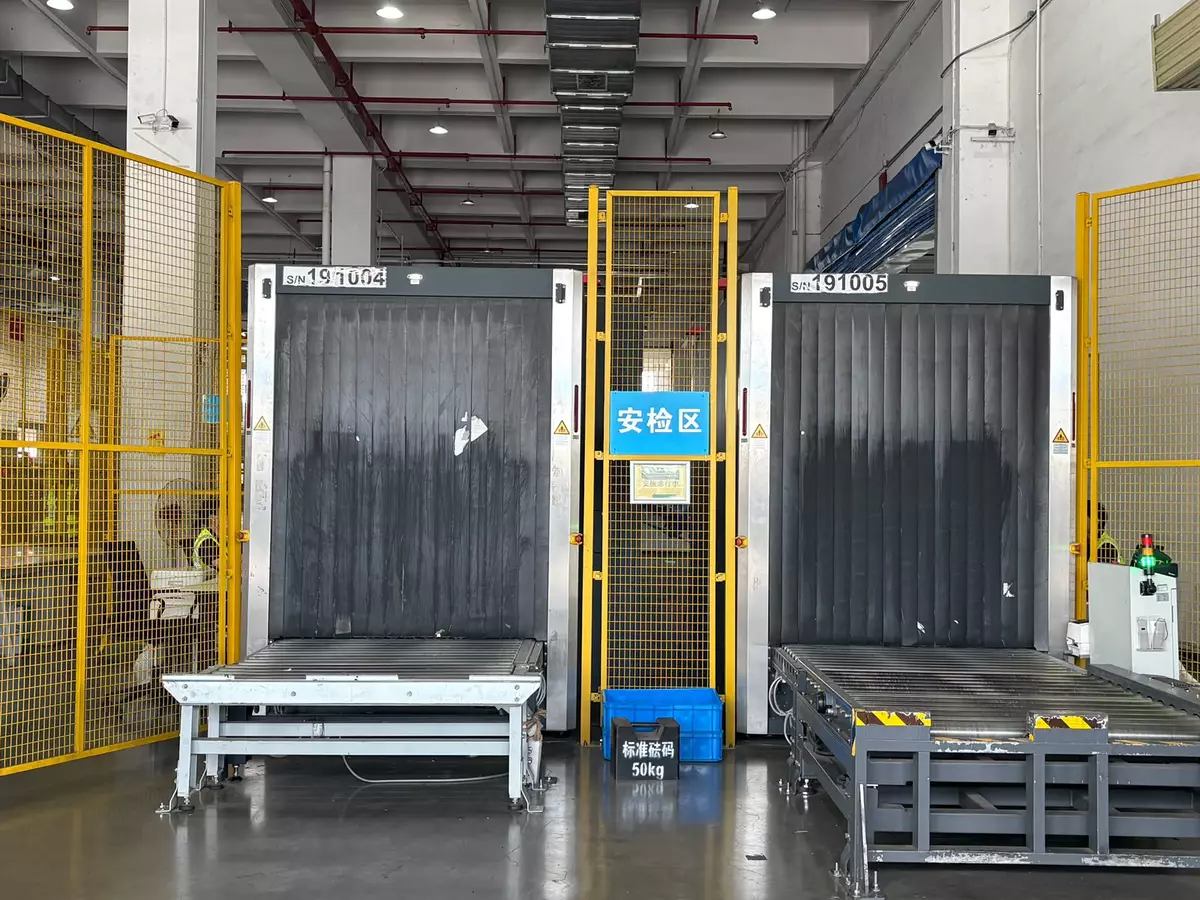
During the 15th Five-Year Plan period, the Dongguan Logistics Park is expected to achieve breakthroughs and growth, which includes a significant increase in the first-phase site area to 380,000 square metres; the introduction of intelligent systems and equipment such as intelligent quay cranes, driverless cargo trucks, and automated racking; and the customisation of high-speed cargo vessels to reduce shipping time to within four hours.
The Hong Kong International Airport Dongguan Logistics Park, Photo by Bastille Post

The Hong Kong International Airport Dongguan Logistics Park, Photo by Bastille Post

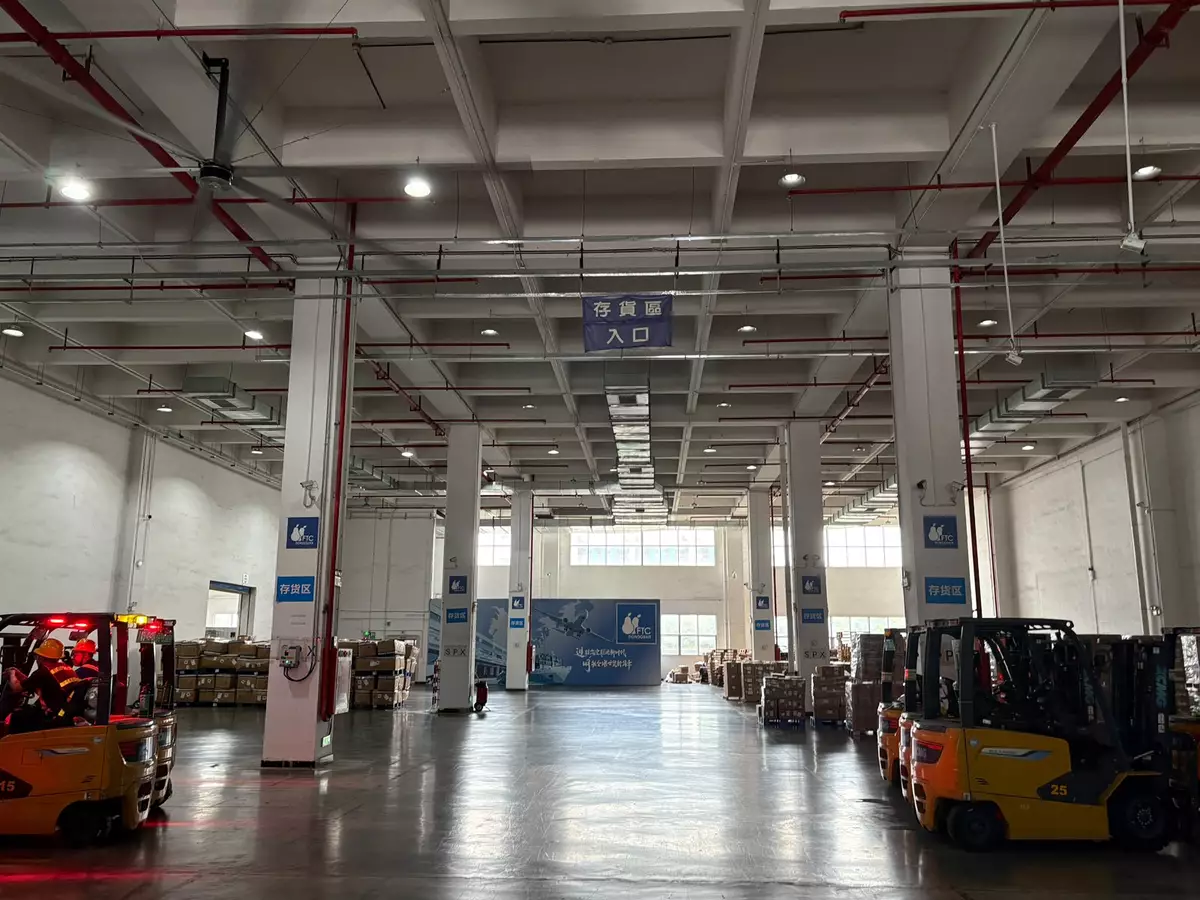
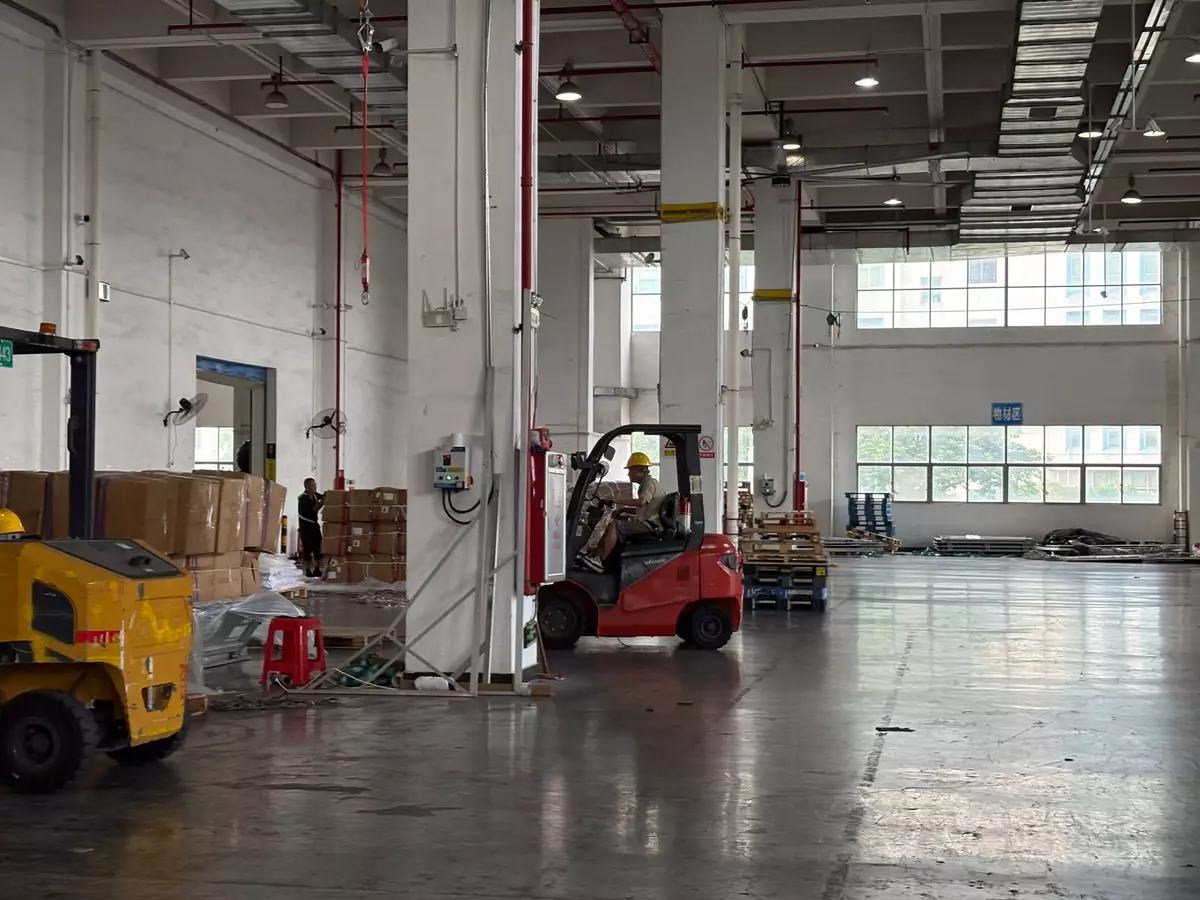
The long-term plan involves a total investment of approximately RMB6 billion, with a gross floor area exceeding 550,000 square metres. It includes a fully automated terminal, an intelligent air cargo terminal, a high-value-added logistics centre, a modern international express warehouse, and a six-storey freight forwarding and air cargo terminal integrated warehouse. The terminal works were completed and passed acceptance at the end of May 2026, and the integrated warehouse on the main site was topped out in June 2026.
The Hong Kong International Airport Dongguan Logistics Park, Photo by Bastille Post
The Hong Kong International Airport Dongguan Logistics Park, Photo by Bastille Post

The Hong Kong International Airport Dongguan Logistics Park, Photo by Bastille Post

The Hong Kong International Airport Dongguan Logistics Park, Photo by Bastille Post

The Park expects that once the long-term plan reaches full maturity, the annual cargo handling capacity will exceed 1 million tonnes, contributing approximately RMB 700 billion in foreign trade import and export value and creating more than 6,000 jobs.

Ian Kwok, General Manager of Aviation Logistics (Dongguan), Airport Authority Hong Kong, Photo by Bastille Post

Ian Kwok, General Manager of Aviation Logistics (Dongguan), Airport Authority Hong Kong, Photo by Bastille Post

Ian Kwok explained that the Dongguan Logistics Park maintains collaboration with Hong Kong. Security screening completed at the Dongguan Logistics Park is recognised by Hong Kong Customs, and cargo arriving in Hong Kong by security methods approved by the Civil Aviation Administration of China does not require secondary security screening. The freight forwarders and cargo terminals providing services in Dongguan are all Hong Kong industry organisations that strictly comply with the air transport regulations of the Hong Kong Civil Aviation Department. He said that since operations began in 2023, the annual cargo value handled by the Dongguan Logistics Park has continued to grow significantly, with cumulative handled cargo value currently exceeding approximately HK$80 billion.

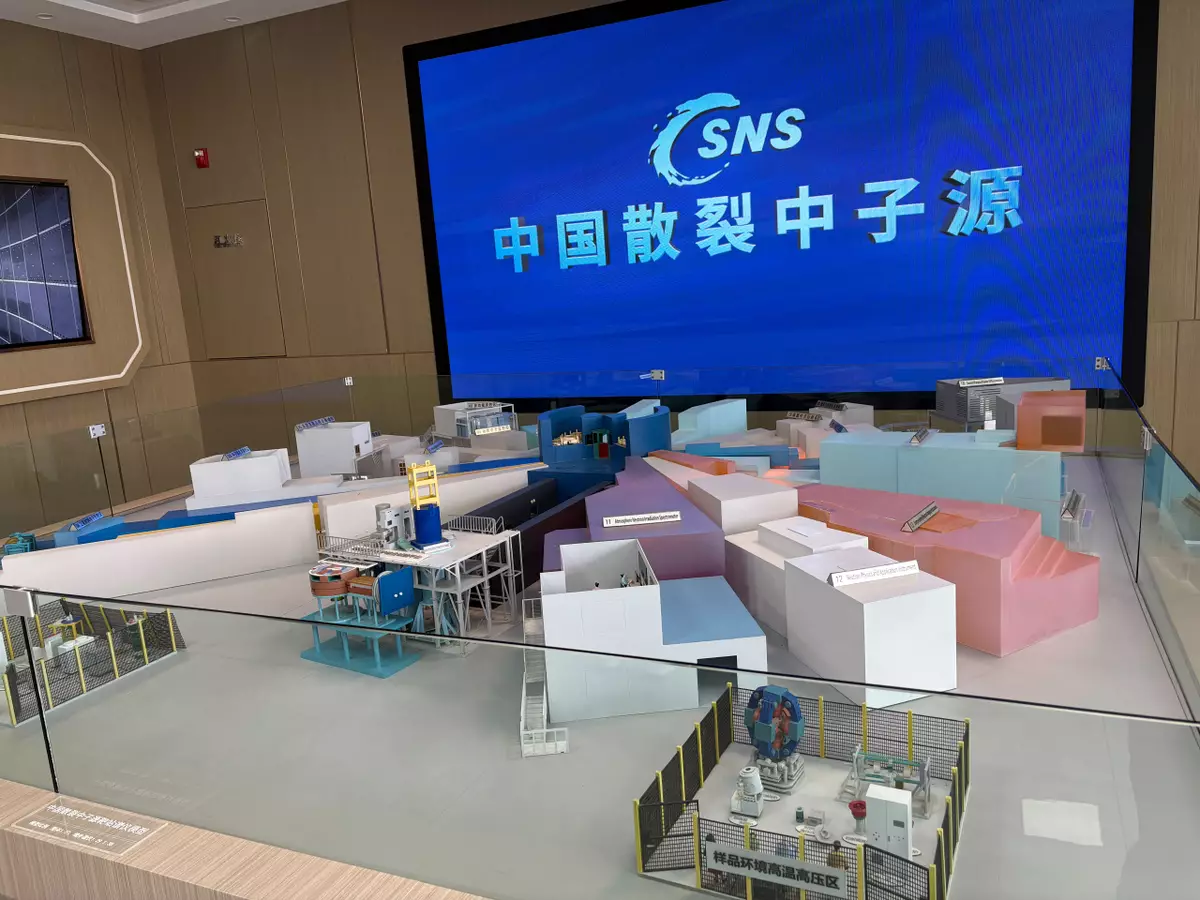
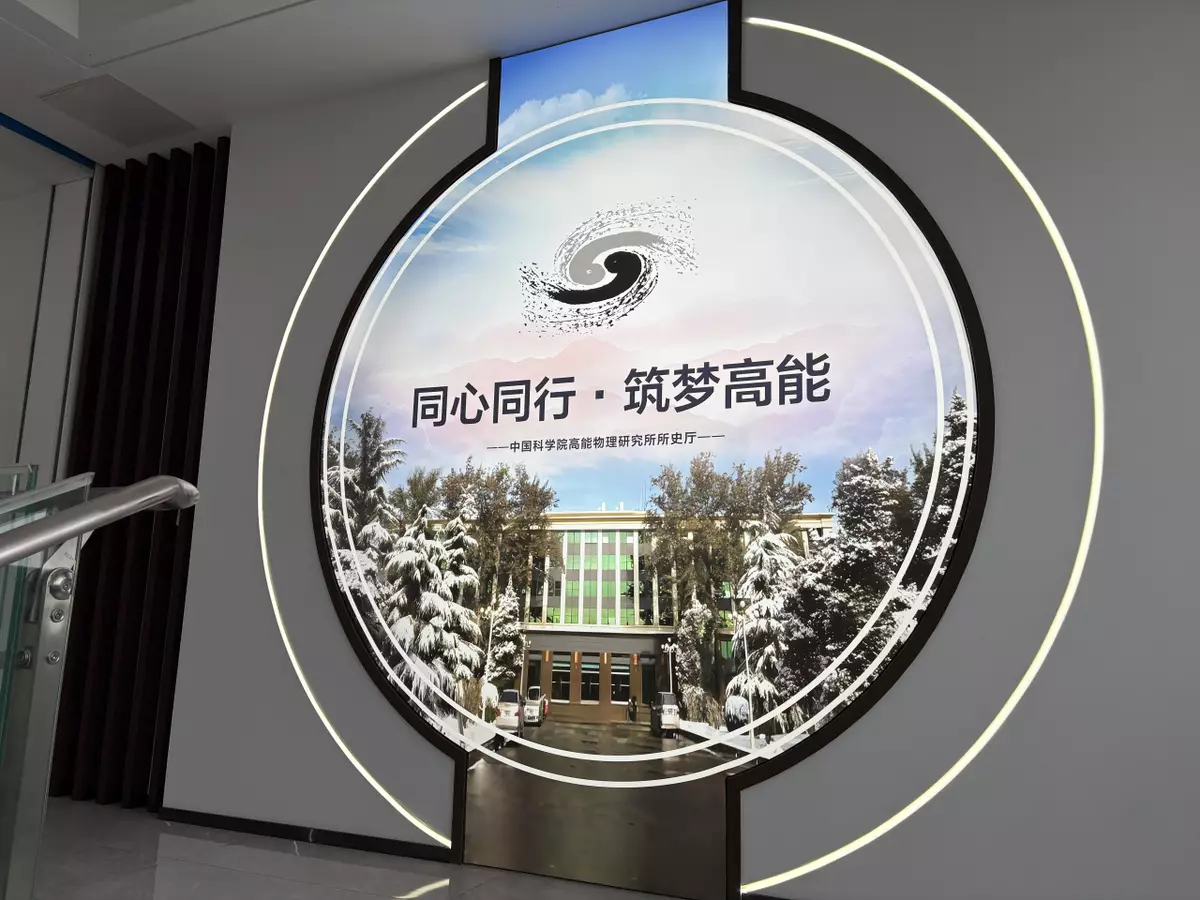
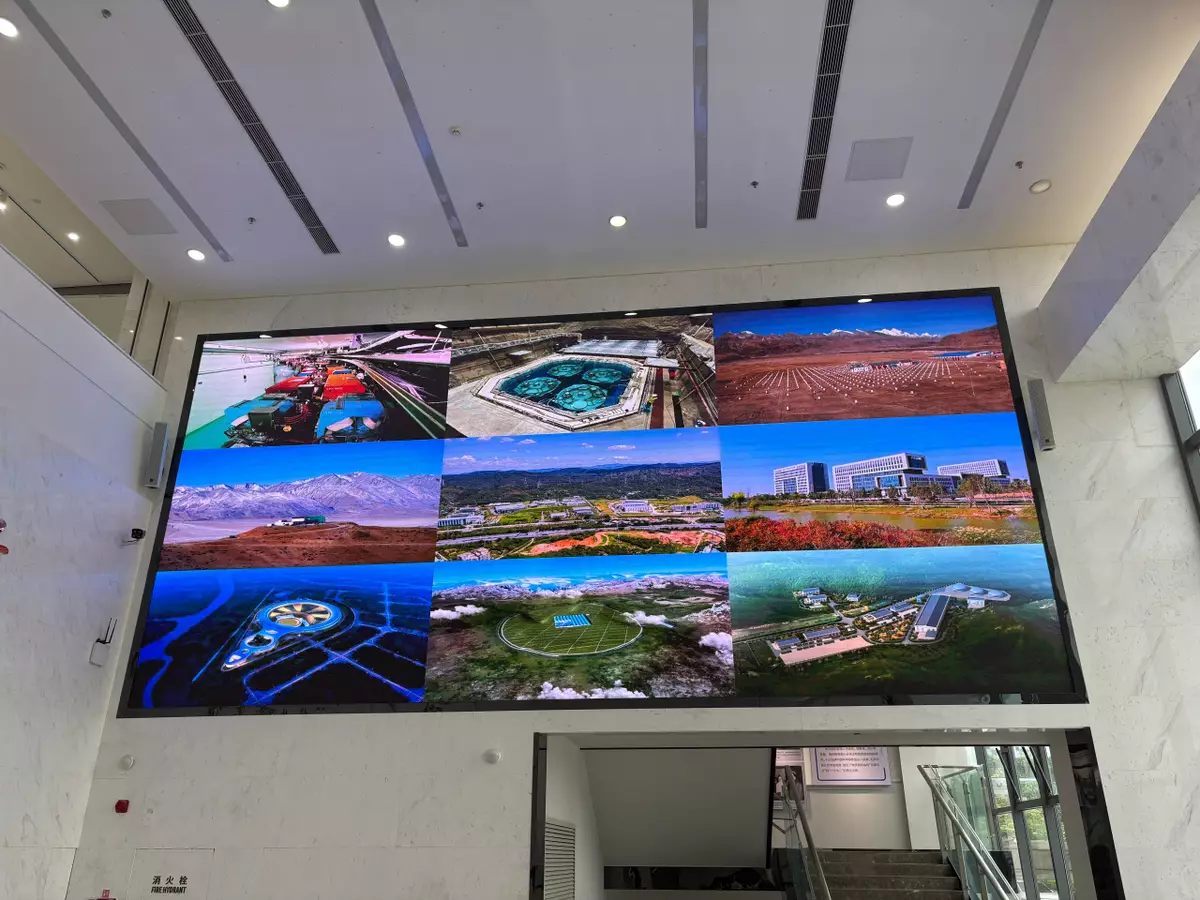
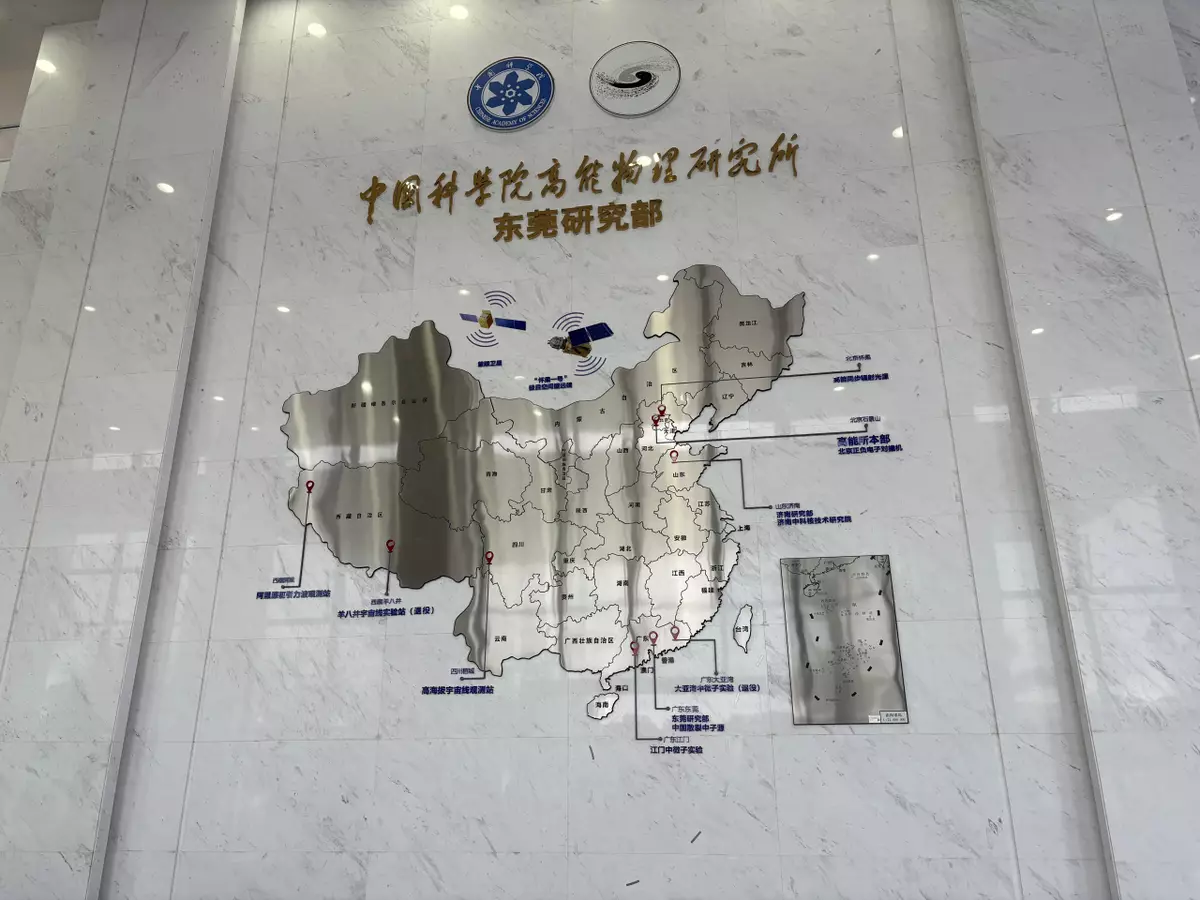
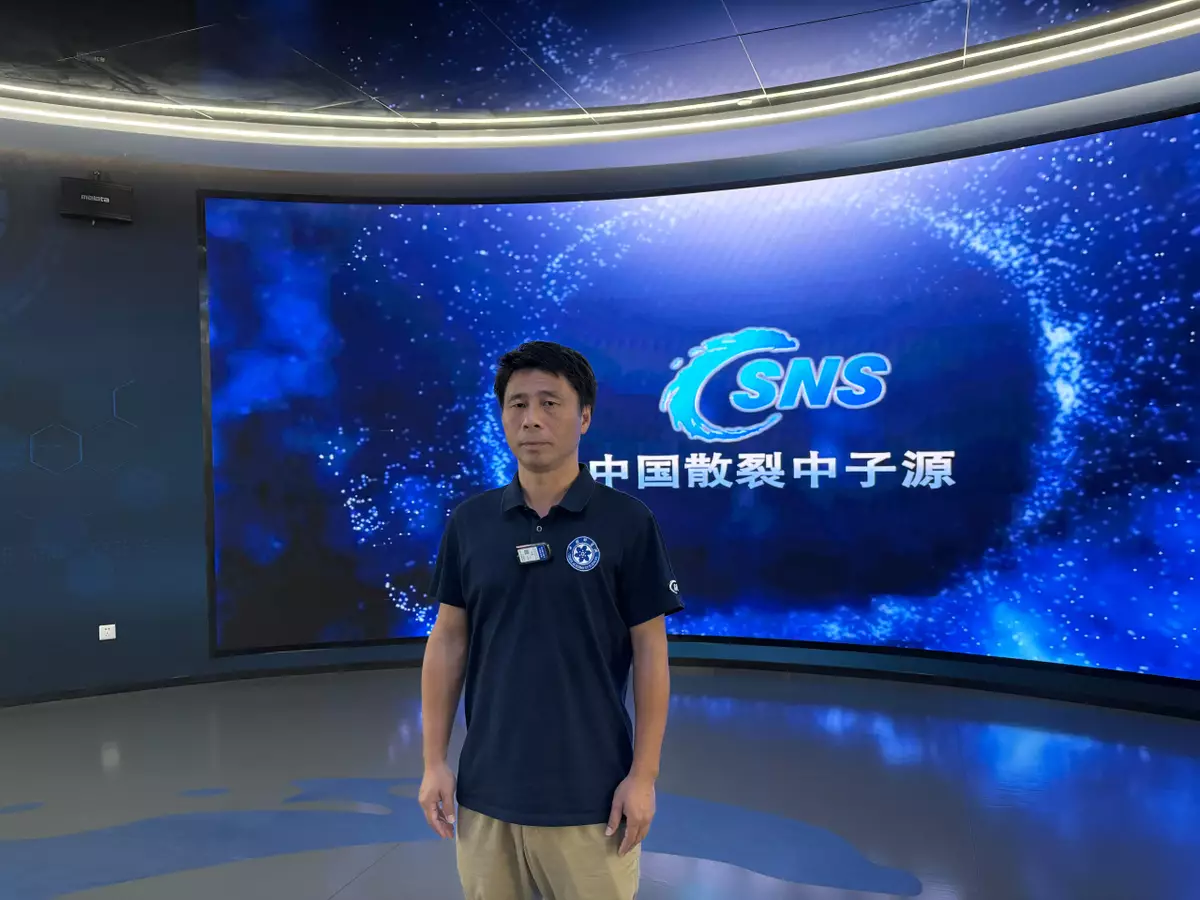
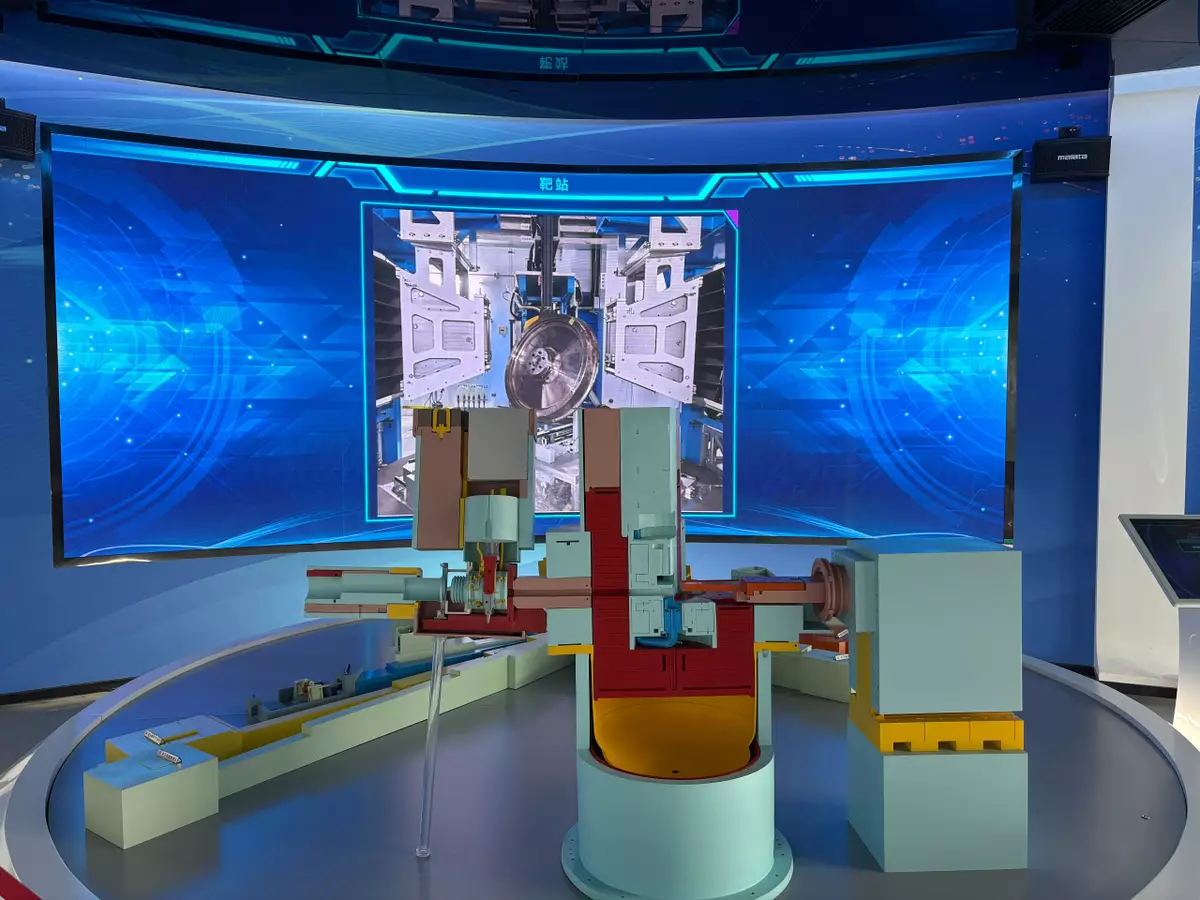
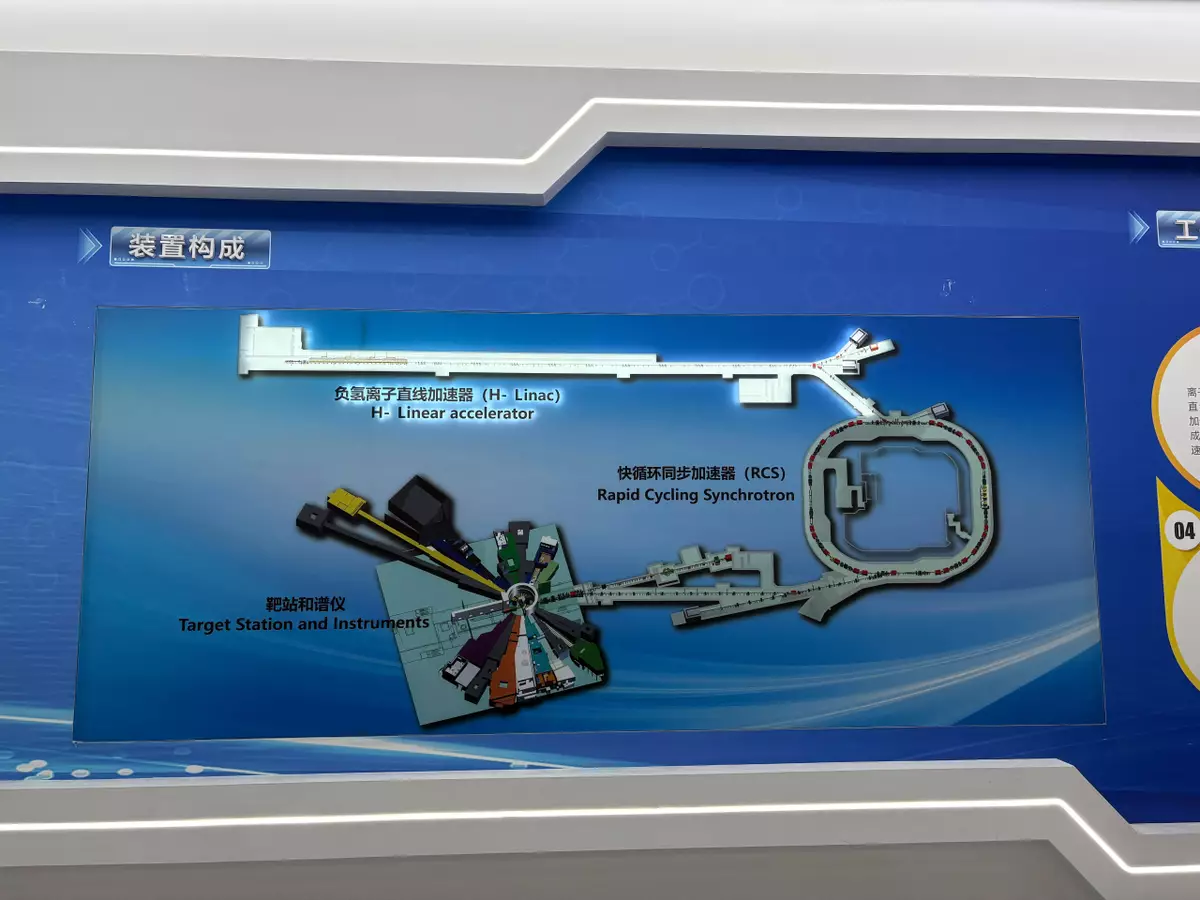
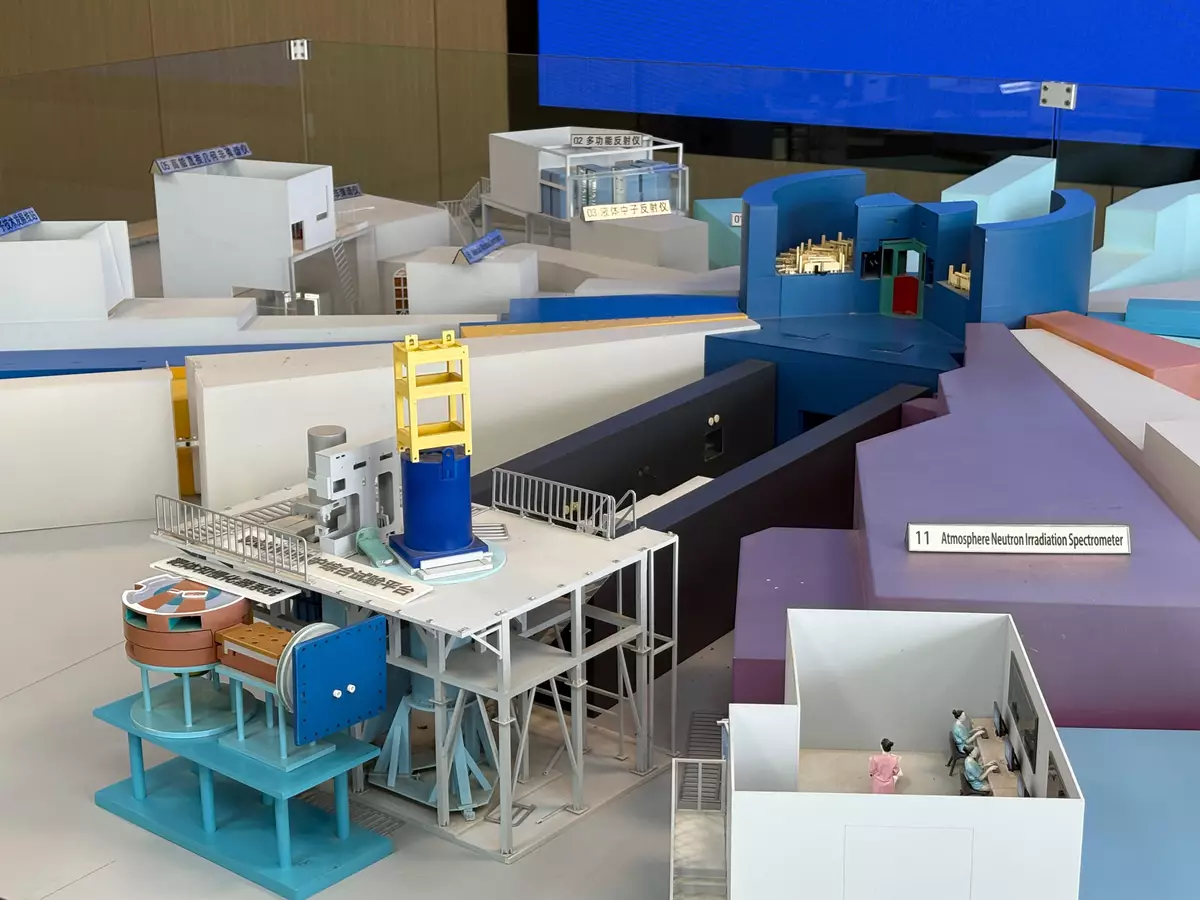
On August 26, the joint interview delegation themed “Leveraging New Advantages to Align with the 15th Five-Year Plan” visited the China Spallation Neutron Source (CSNS) in Songshan Lake Science City, Dongguan. It is China's first and the world’s fourth pulsed spallation neutron source.

The China Spallation Neutron Source (CSNS), Photo by Bastille Post

The China Spallation Neutron Source (CSNS), Photo by Bastille Post

The China Spallation Neutron Source (CSNS), Photo by Bastille Post

The China Spallation Neutron Source (CSNS), Photo by Bastille Post

The first phase of CSNS is currently operating steadily. The second phase, which began construction in 2024, is scheduled for completion in 2029. Upon completion, the project is expected to markedly enhance neutron flux and substantially broaden the scope of scientific inquiry, facilitating advanced research in quantum materials, superconducting materials, and micro‑biological structures.

The China Spallation Neutron Source (CSNS), Photo by Bastille Post

The China Spallation Neutron Source (CSNS), Photo by Bastille Post

The China Spallation Neutron Source (CSNS), Photo by Bastille Post

The China Spallation Neutron Source (CSNS), Photo by Bastille Post

Spallation neutron sources are expensive, technologically complex, and experimentally demanding. Apart from China, only the U.K., the U.S., and Japan operate such facilities. After nearly two decades of planning and construction, CSNS was completed in Songshan Lake in 2018 and officially began operations.

Tong Xin, Deputy Director of the Spallation Neutron Source Science Center, explained that neutron techniques are applied across disciplines including new energy, chemistry and biology, and archaeology. Since neutrons offer exceptional capabilities for probing the internal structure of bulk materials, they have been used by Professor Huang Mingxin's team at the University of Hong Kong to study the microscopic mechanisms behind the “high strength plus high toughness” of super steel.

Tong Xin, Deputy Director of the Spallation Neutron Source Science Center, Photo by Bastille Post

Tong Xin, Deputy Director of the Spallation Neutron Source Science Center, Photo by Bastille Post

The facility currently has over 11,000 registered users worldwide and has completed roughly 2,500 experiments. Its beam supply duration and operational efficiency rank among the top of similar facilities globally. Seven universities in Hong Kong and Macau, including the University of Hong Kong and City University of Hong Kong, have conducted 131 cutting-edge experiments using CSNS, producing numerous world-class research results.

In 2024, CSNS, together with eight universities in Hong Kong and Macau, the Beijing-Hong Kong Academic Exchange Centre, and the Greater Bay Area Association of Academicians, applied to jointly build the “Southern Advanced Light Source," aiming to construct the first large-scale scientific facility for a synchrotron radiation light source in the Greater Bay Area.

The China Spallation Neutron Source (CSNS), Photo by Bastille Post

The China Spallation Neutron Source (CSNS), Photo by Bastille Post

The China Spallation Neutron Source (CSNS), Photo by Bastille Post

The China Spallation Neutron Source (CSNS), Photo by Bastille Post

Tong Xin noted that the Southern Advanced Light Source is currently in the pre-research stage and has not yet received formal approval. Once built, it will become the fourth national fourth-generation synchrotron radiation light source, complementing the neutron source and jointly supporting microscopic detection of matter.

The China Spallation Neutron Source (CSNS), Photo by Bastille Post

The China Spallation Neutron Source (CSNS), Photo by Bastille Post

The Shenzhou-23 crewed spacecraft, which carried Hong Kong‘s first female astronaut, also involved neutron source technology. Tong Xin explained that the team used a neutron source on the ground to simulate space neutrons, ensuring that the chips inside the spacecraft were not damaged by high-energy neutron bombardment during launch. “The tests we conducted provided very good protection for the launch vehicle,” he said.

Recommended Articles