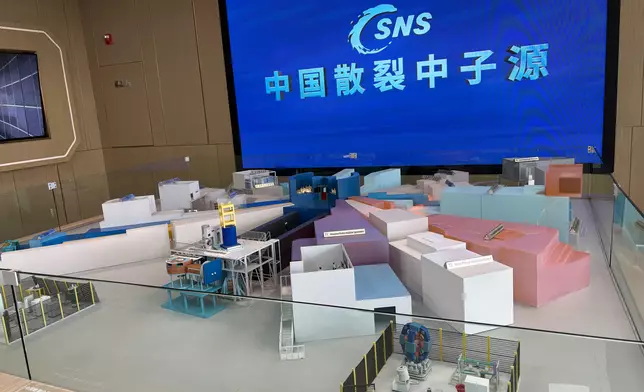
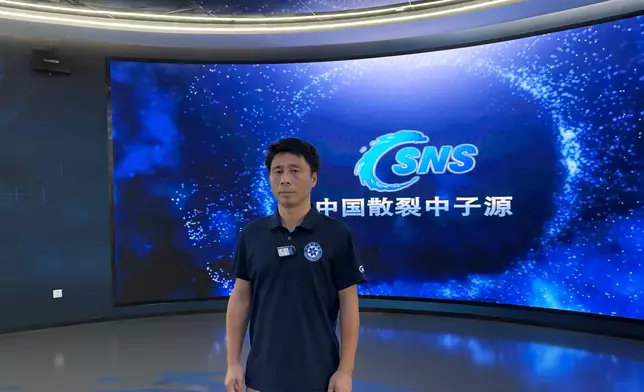
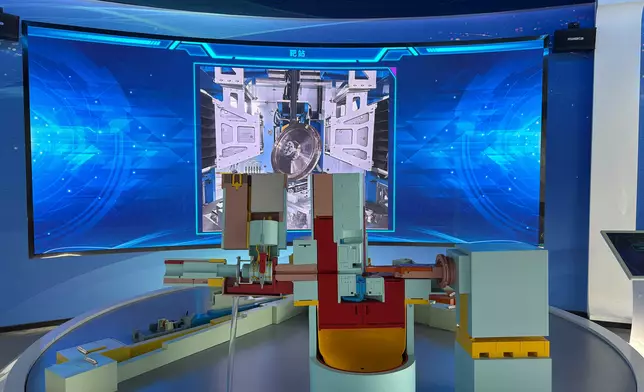
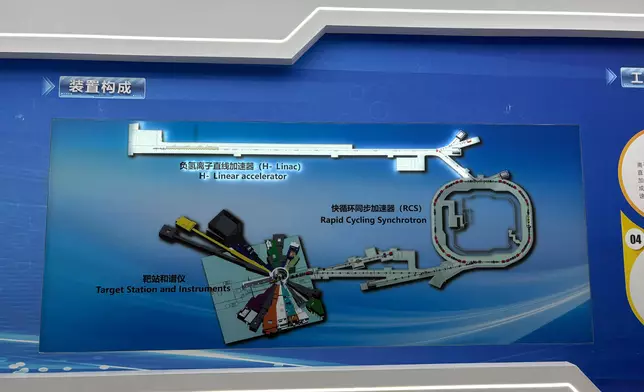
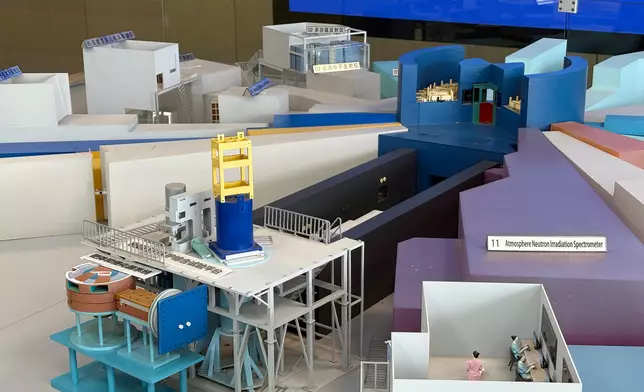
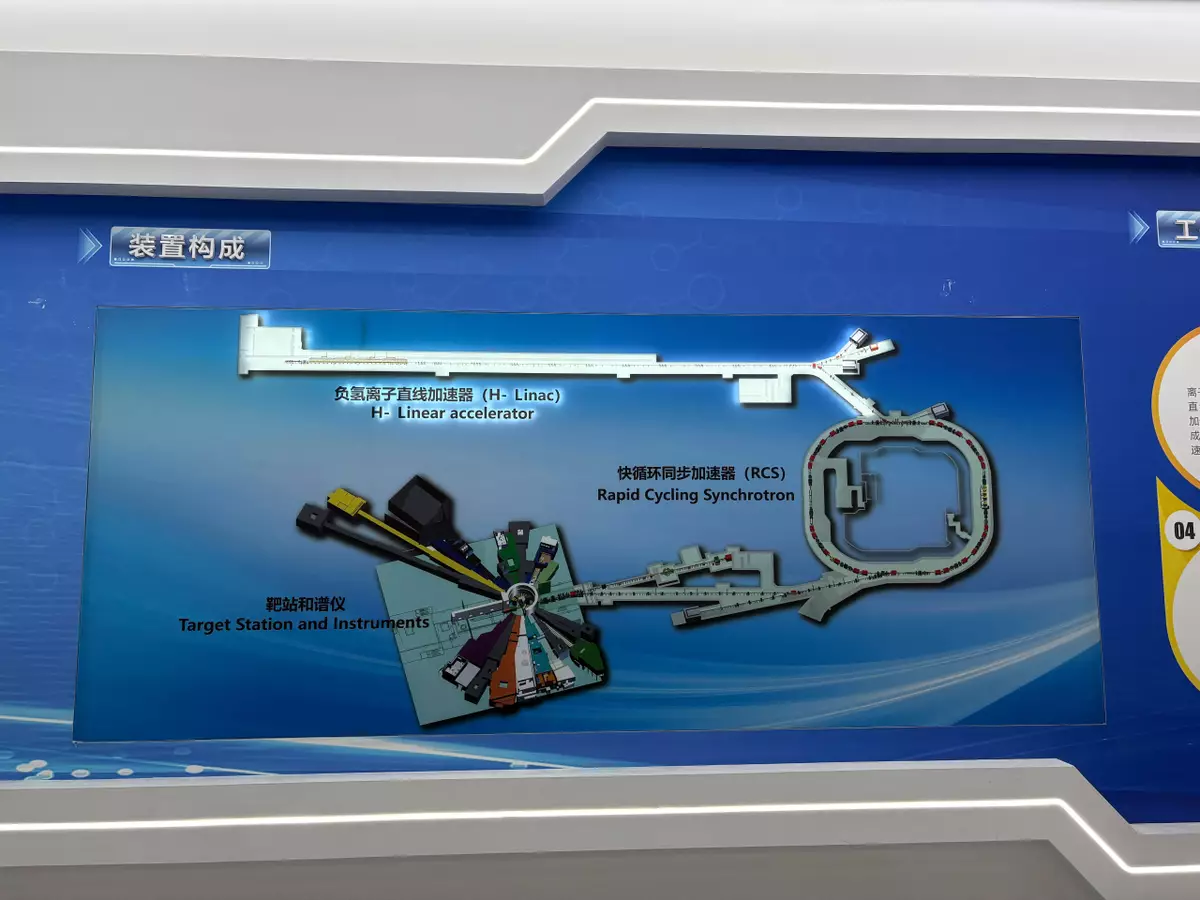
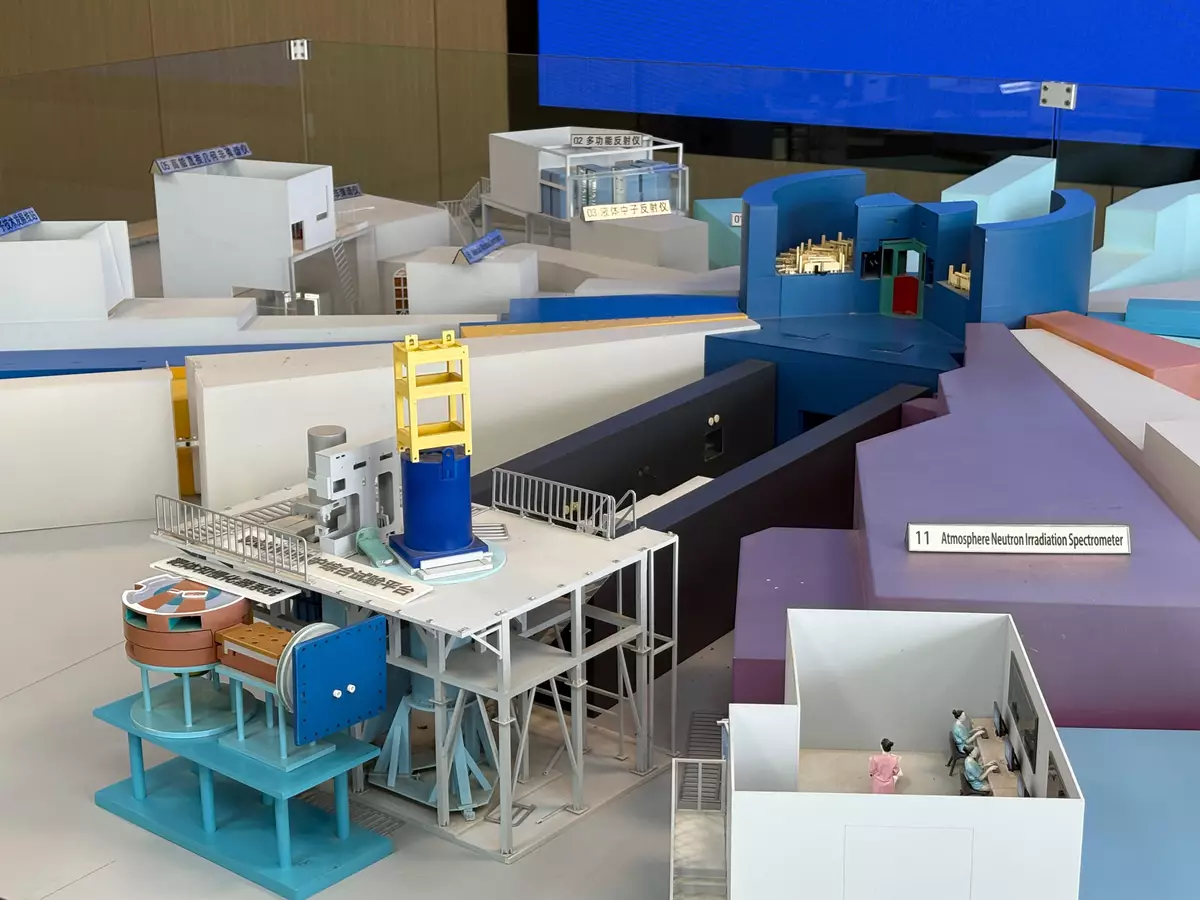
On August 26, the joint interview delegation themed “Leveraging New Advantages to Align with the 15th Five-Year Plan” visited the China Spallation Neutron Source (CSNS) in Songshan Lake Science City, Dongguan. It is China's first and the world’s fourth pulsed spallation neutron source.
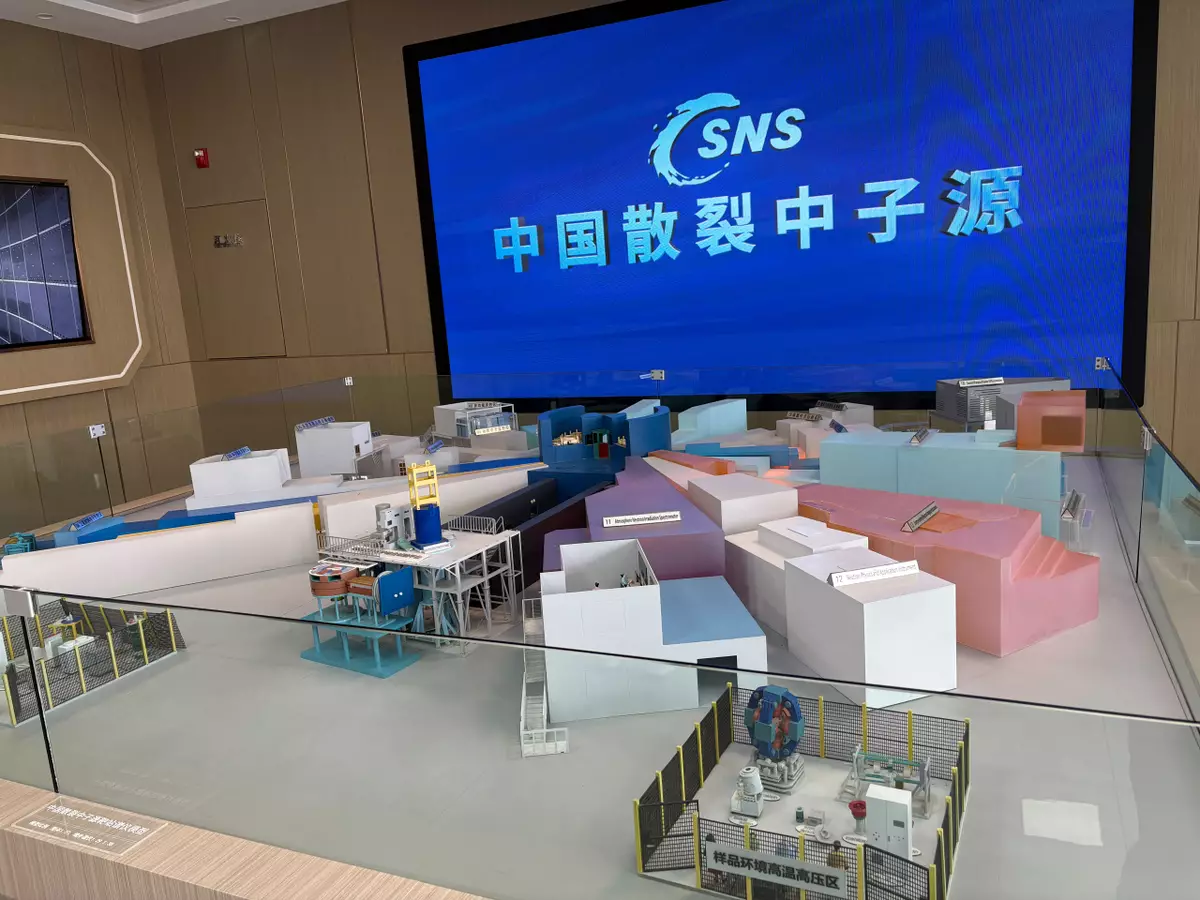
The China Spallation Neutron Source (CSNS), Photo by Bastille Post
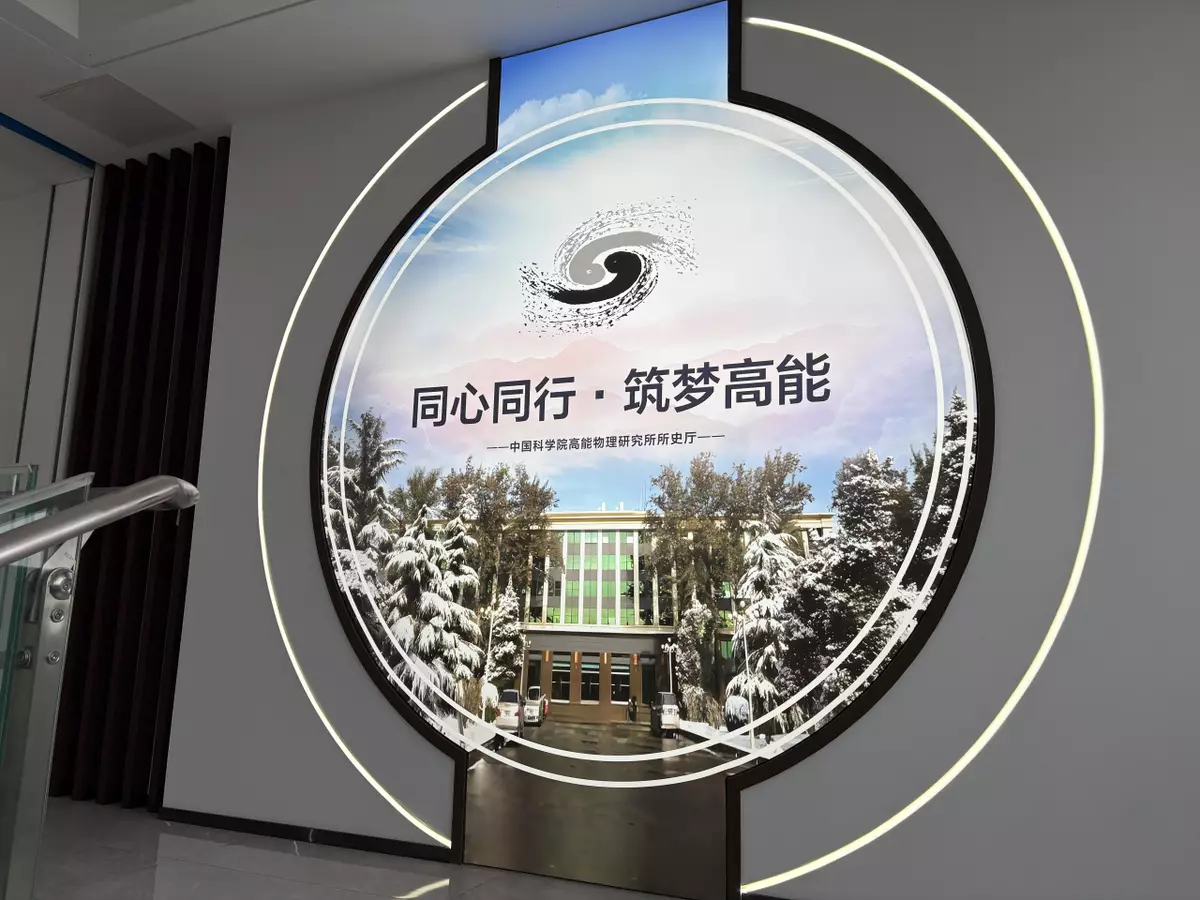
The China Spallation Neutron Source (CSNS), Photo by Bastille Post
The first phase of CSNS is currently operating steadily. The second phase, which began construction in 2024, is scheduled for completion in 2029. Upon completion, the project is expected to markedly enhance neutron flux and substantially broaden the scope of scientific inquiry, facilitating advanced research in quantum materials, superconducting materials, and micro‑biological structures.
Click to Gallery
The China Spallation Neutron Source (CSNS), Photo by Bastille Post
The China Spallation Neutron Source (CSNS), Photo by Bastille Post
The China Spallation Neutron Source (CSNS), Photo by Bastille Post
The China Spallation Neutron Source (CSNS), Photo by Bastille Post
Tong Xin, Deputy Director of the Spallation Neutron Source Science Center, Photo by Bastille Post
The China Spallation Neutron Source (CSNS), Photo by Bastille Post
The China Spallation Neutron Source (CSNS), Photo by Bastille Post
The China Spallation Neutron Source (CSNS), Photo by Bastille Post
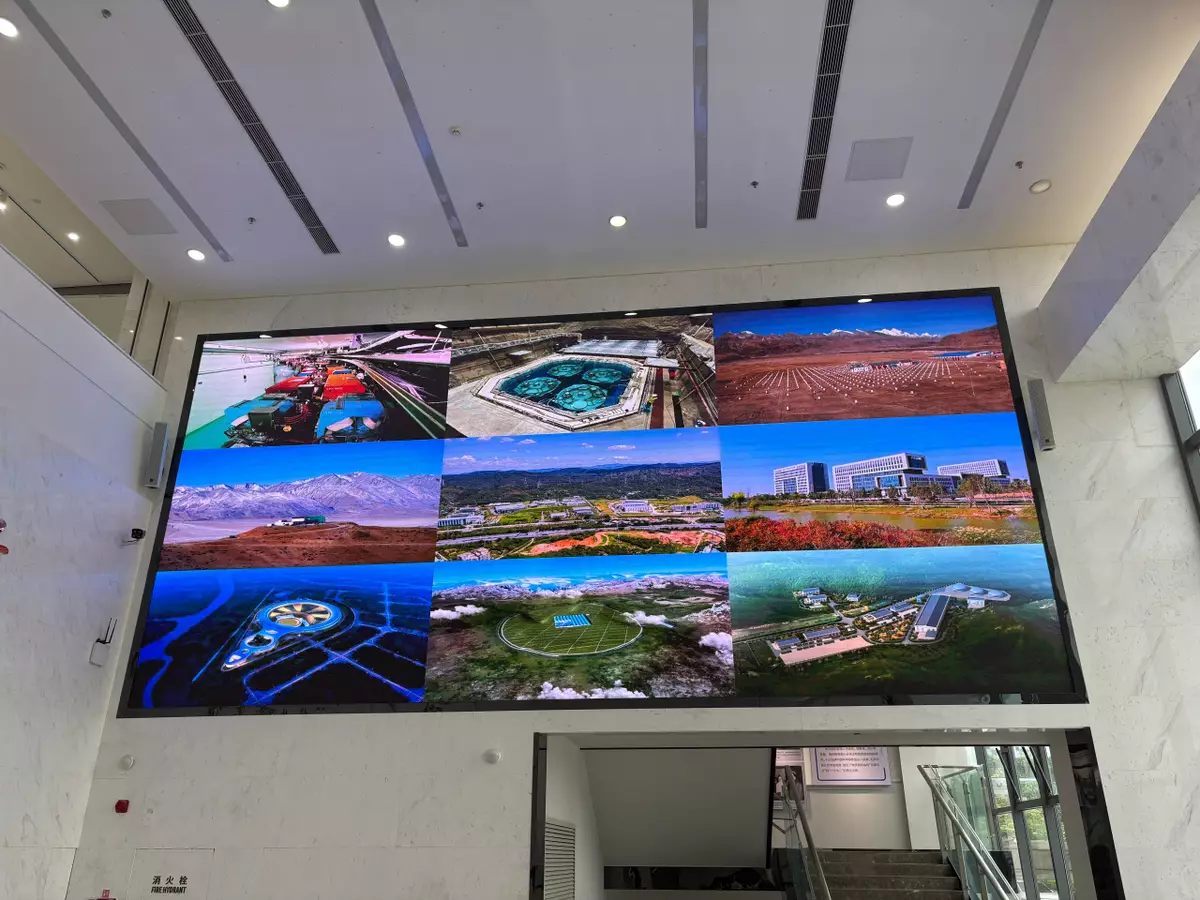
The China Spallation Neutron Source (CSNS), Photo by Bastille Post
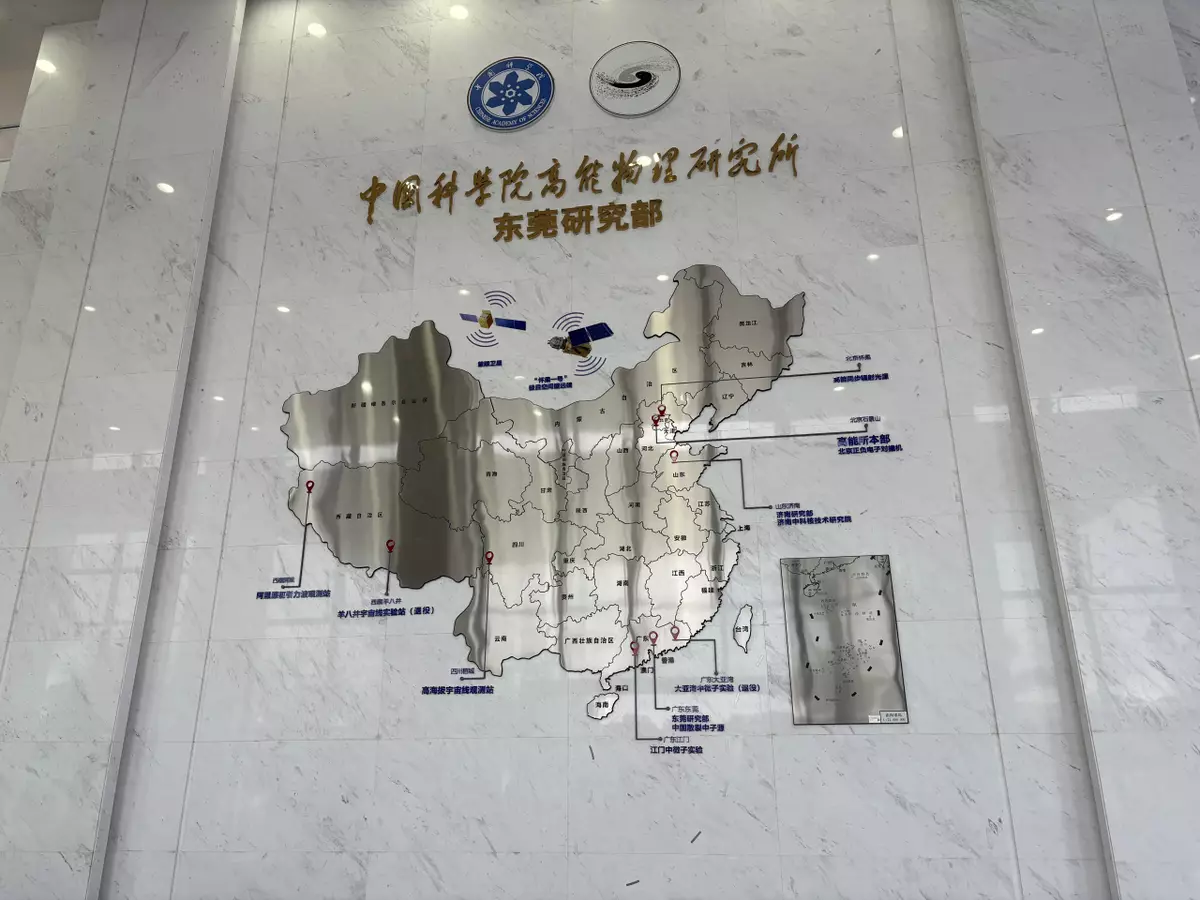
The China Spallation Neutron Source (CSNS), Photo by Bastille Post
Spallation neutron sources are expensive, technologically complex, and experimentally demanding. Apart from China, only the U.K., the U.S., and Japan operate such facilities. After nearly two decades of planning and construction, CSNS was completed in Songshan Lake in 2018 and officially began operations.
Tong Xin, Deputy Director of the Spallation Neutron Source Science Center, explained that neutron techniques are applied across disciplines including new energy, chemistry and biology, and archaeology. Since neutrons offer exceptional capabilities for probing the internal structure of bulk materials, they have been used by Professor Huang Mingxin's team at the University of Hong Kong to study the microscopic mechanisms behind the “high strength plus high toughness” of super steel.
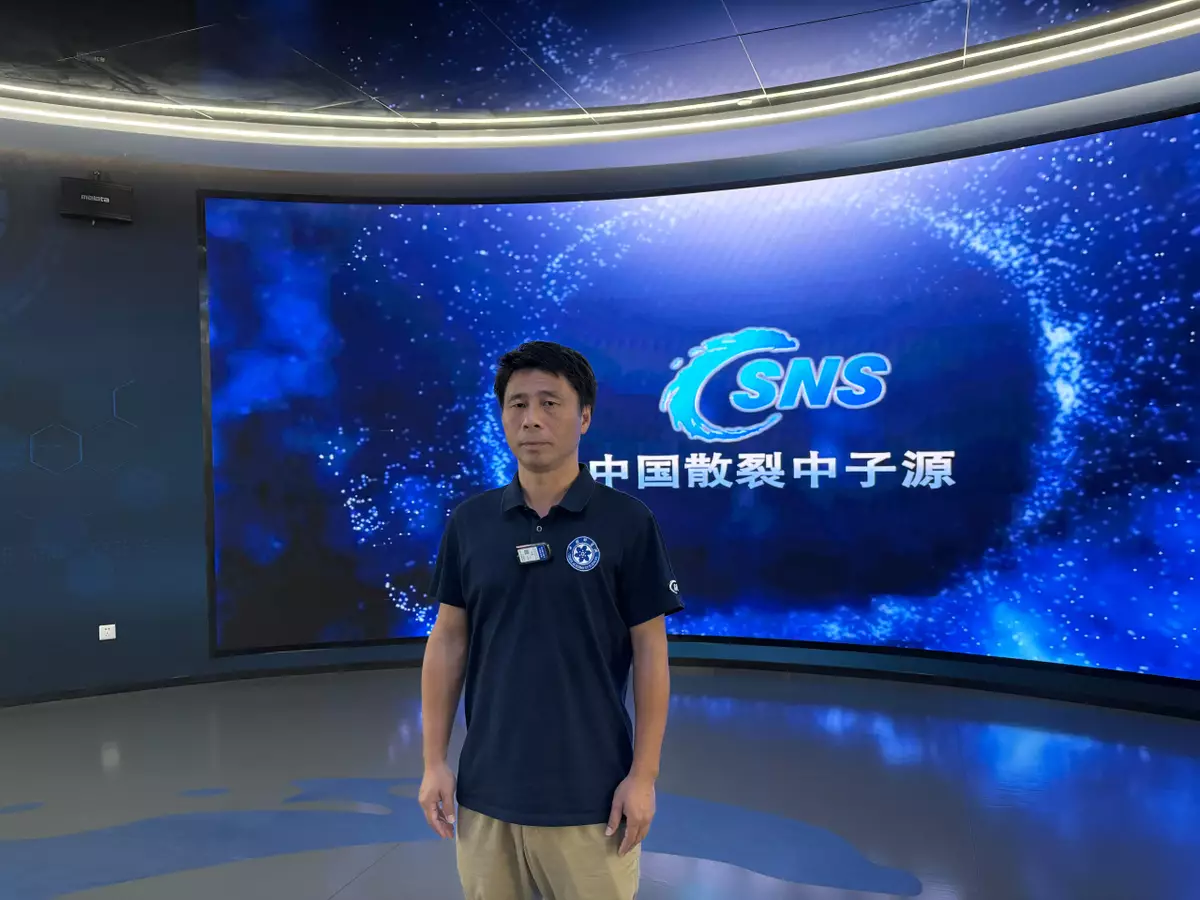
Tong Xin, Deputy Director of the Spallation Neutron Source Science Center, Photo by Bastille Post
The facility currently has over 11,000 registered users worldwide and has completed roughly 2,500 experiments. Its beam supply duration and operational efficiency rank among the top of similar facilities globally. Seven universities in Hong Kong and Macau, including the University of Hong Kong and City University of Hong Kong, have conducted 131 cutting-edge experiments using CSNS, producing numerous world-class research results.
In 2024, CSNS, together with eight universities in Hong Kong and Macau, the Beijing-Hong Kong Academic Exchange Centre, and the Greater Bay Area Association of Academicians, applied to jointly build the “Southern Advanced Light Source," aiming to construct the first large-scale scientific facility for a synchrotron radiation light source in the Greater Bay Area.
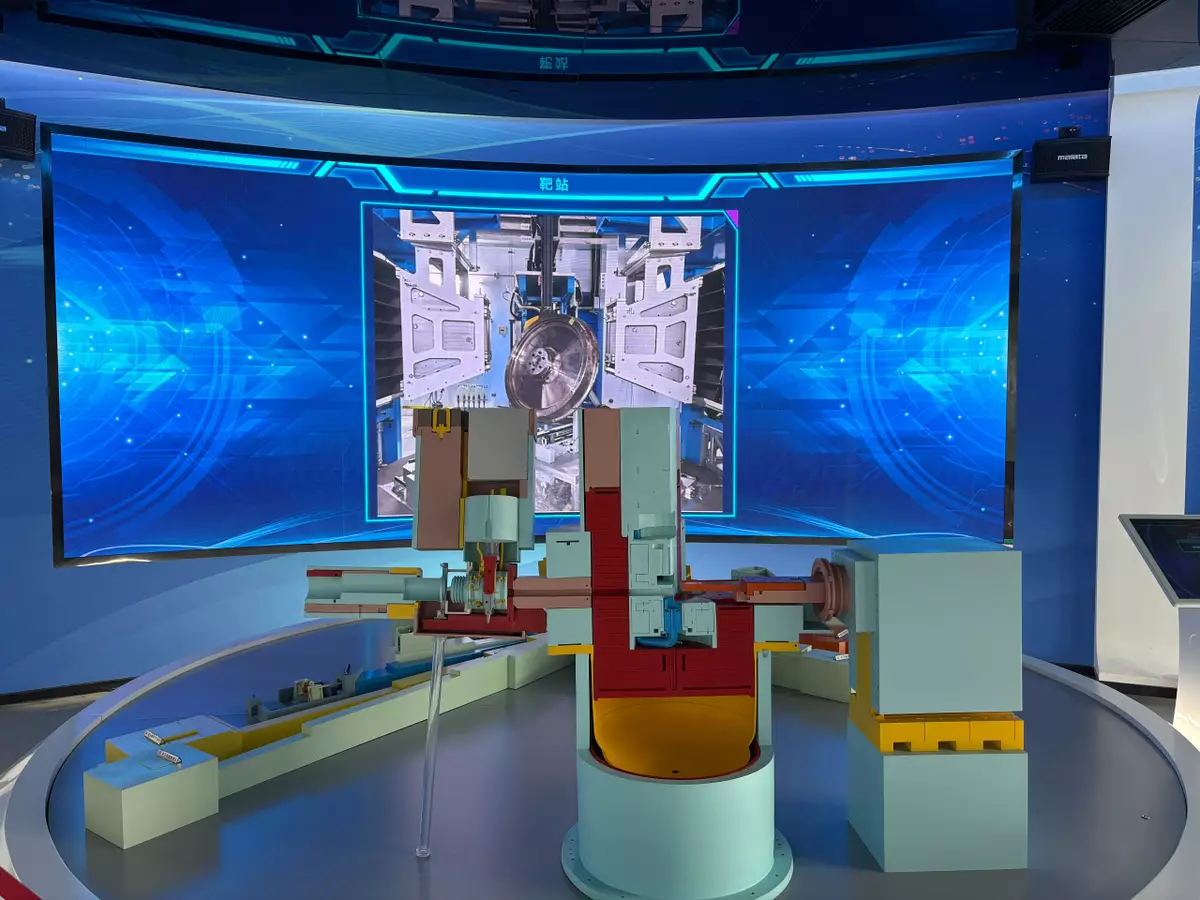
The China Spallation Neutron Source (CSNS), Photo by Bastille Post
The China Spallation Neutron Source (CSNS), Photo by Bastille Post
Tong Xin noted that the Southern Advanced Light Source is currently in the pre-research stage and has not yet received formal approval. Once built, it will become the fourth national fourth-generation synchrotron radiation light source, complementing the neutron source and jointly supporting microscopic detection of matter.
The China Spallation Neutron Source (CSNS), Photo by Bastille Post
The Shenzhou-23 crewed spacecraft, which carried Hong Kong‘s first female astronaut, also involved neutron source technology. Tong Xin explained that the team used a neutron source on the ground to simulate space neutrons, ensuring that the chips inside the spacecraft were not damaged by high-energy neutron bombardment during launch. “The tests we conducted provided very good protection for the launch vehicle,” he said.
On the afternoon of August 25, the joint interview delegation themed “Leveraging New Advantages to Align with the 15th Five-Year Plan” visited the Dongguan Songshan Lake Science City to explore a new model of integrated industry-academia-innovation collaboration.
The XbotPark in Songshan Lake, Photo by Bastille Post
Planning to Set up Overseas Expansion Hub
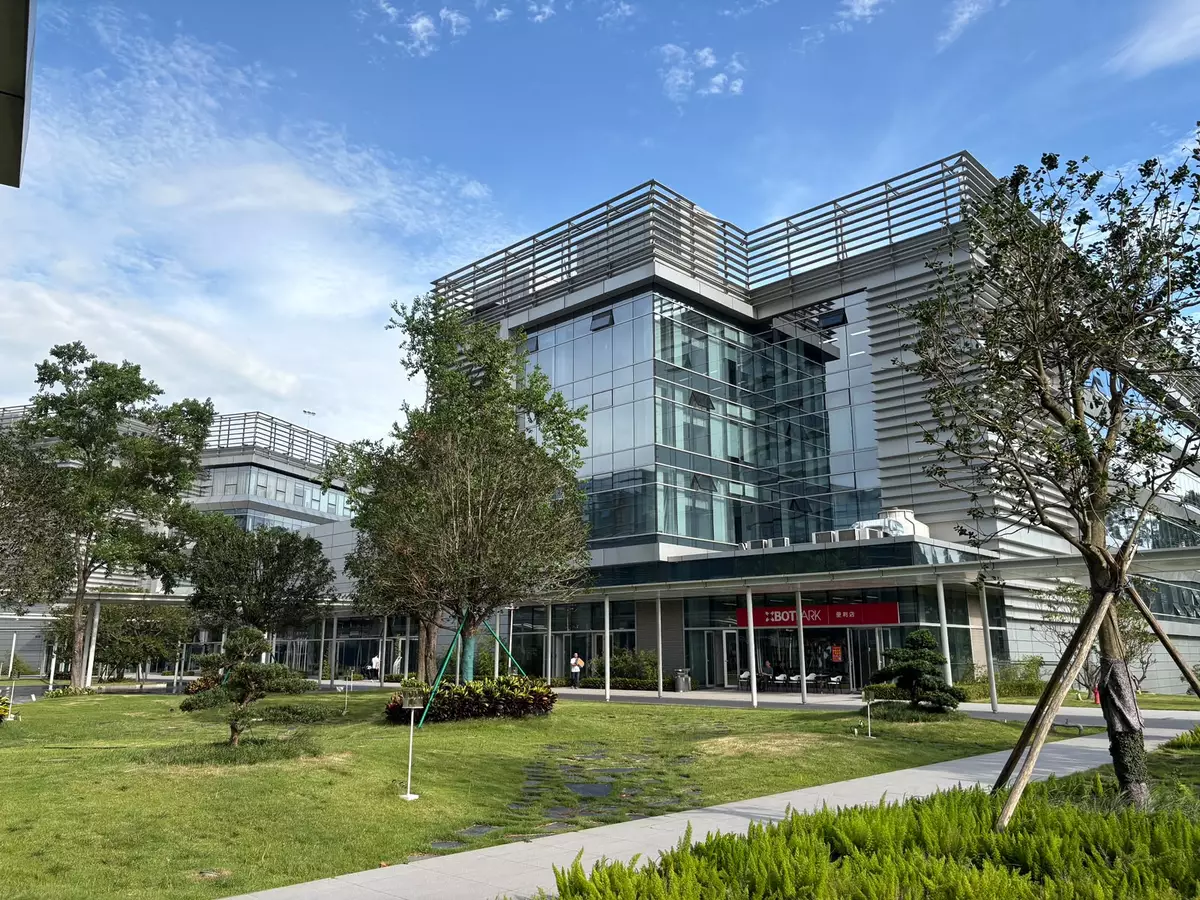
The XbotPark in Songshan Lake leverages the Greater Bay Area's comprehensive industrial chain and mature innovation and entrepreneurship ecosystem to incubate start-ups in robotics and smart hardware. Since its establishment in 2014, XbotPark has incubated more than 200 companies nationwide, with two already listed in Hong Kong, one preparing for listing, and several having achieved unicorn status.
The XbotPark in Songshan Lake, Photo by Bastille Post
The XbotPark in Songshan Lake, Photo by Bastille Post
CYC Motor, an electric bicycle company founded in Hong Kong in 2017, later relocated to XbotPark. Founder Jon Chan said the company’s core supply chain resources are located close to XbotPark, with ample technical talent available in Dongguan and Shenzhen. He noted that recruiting specialised talent is far more efficient there than in Hong Kong. With the support of the Greater Bay Area supply chain, the company has accelerated the entire process, from prototyping and testing to mass production, enabling rapid responses to the product iteration demands of top professional cyclists.
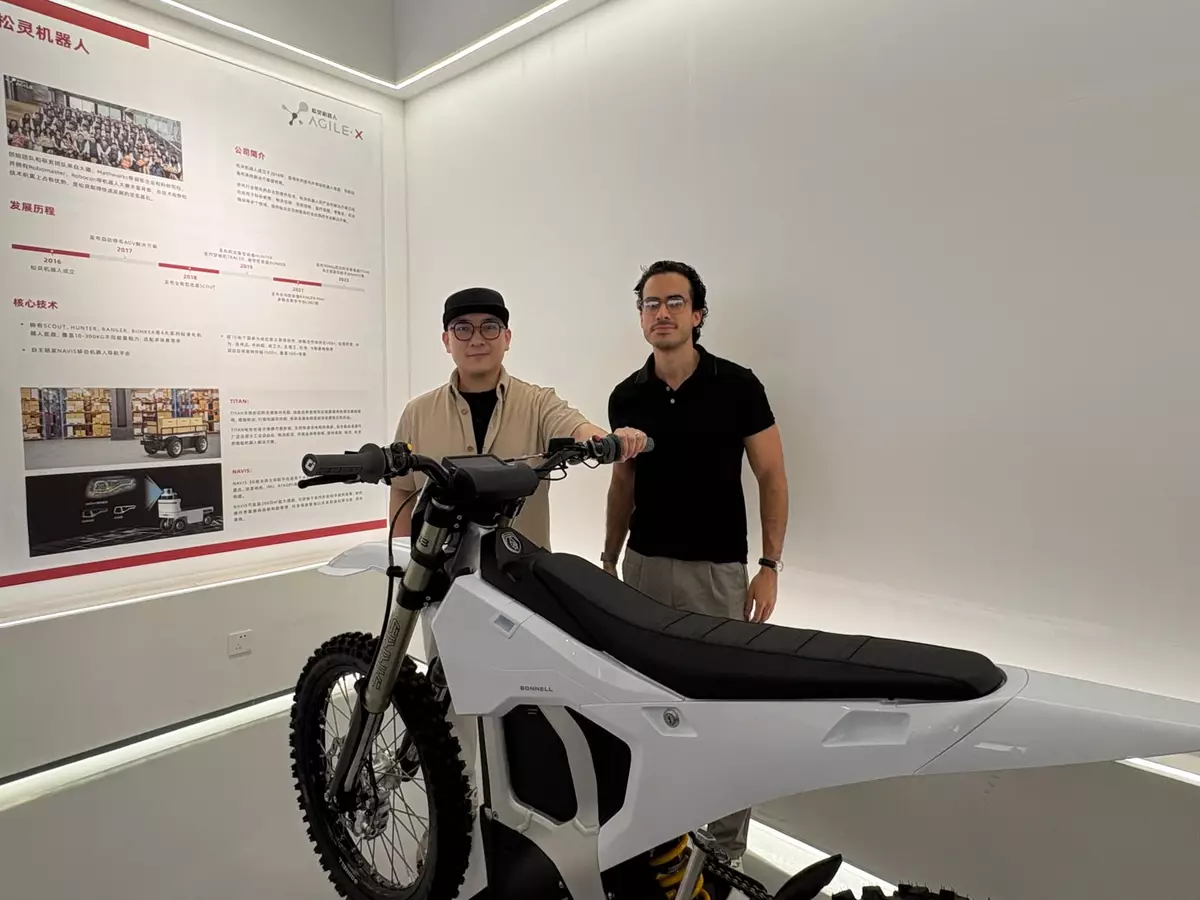
Jon Chan, the founder of CYC Motor (left), and Christopher Gerardino (right), CEO of its sub-brand Ristretto, Photo by Bastille Post
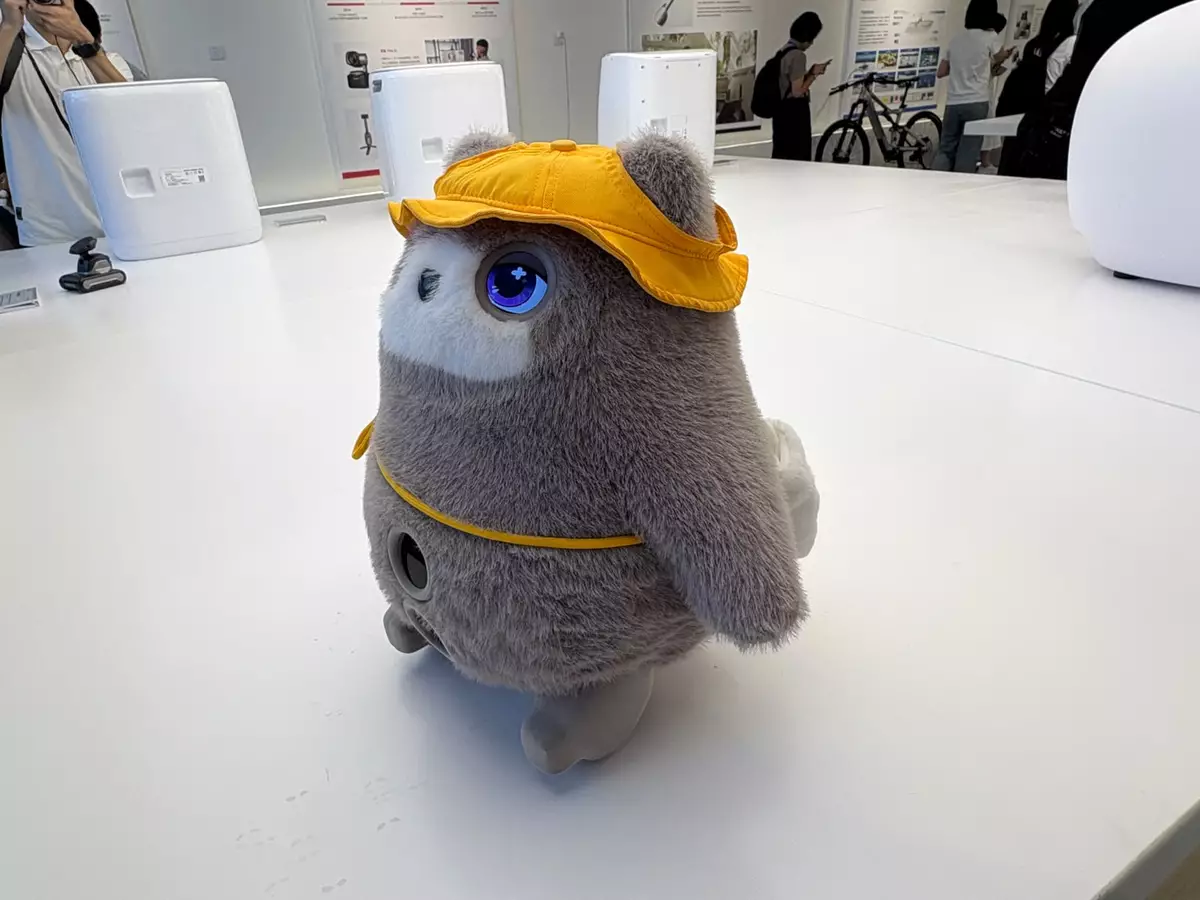
Incubated products on display at the XbotPark, Photo by Bastille Post
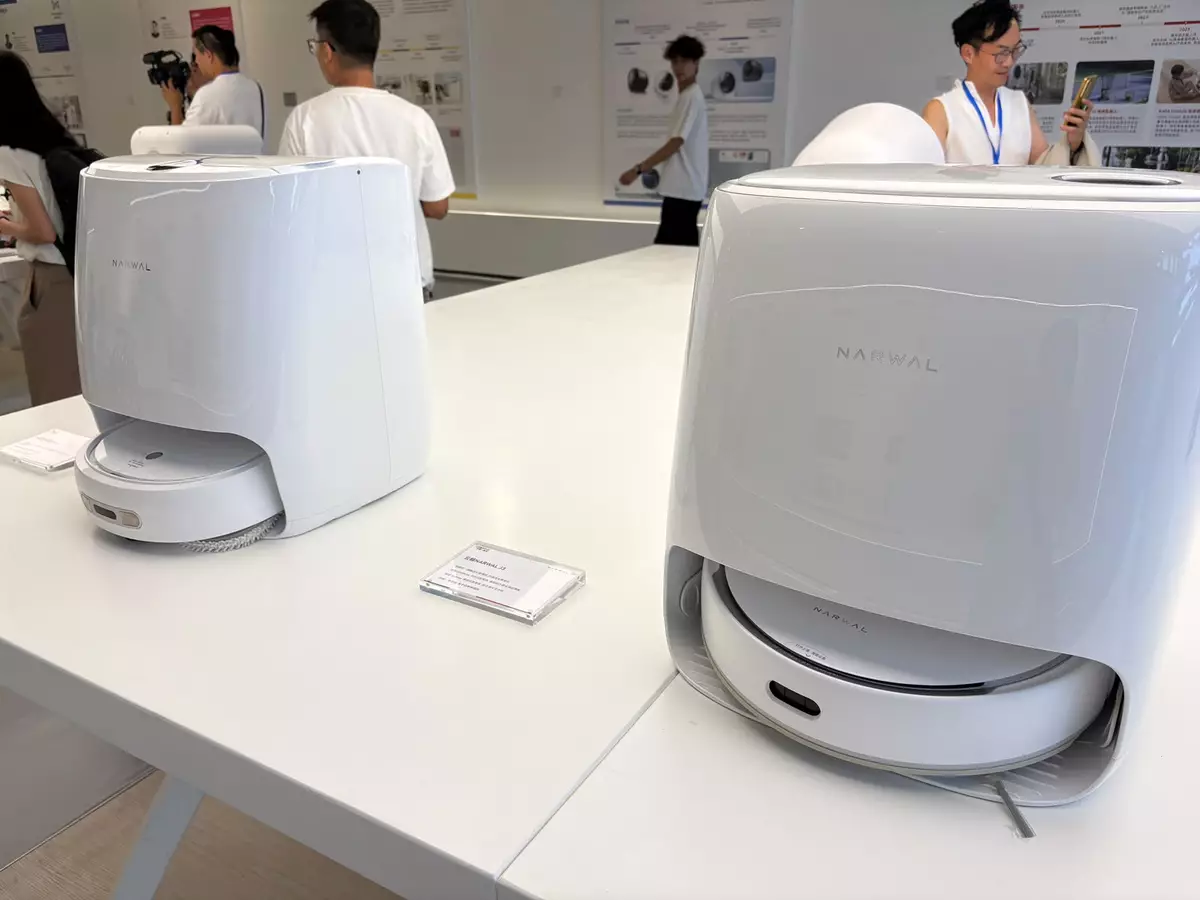
Incubated products on display at the XbotPark, Photo by Bastille Post
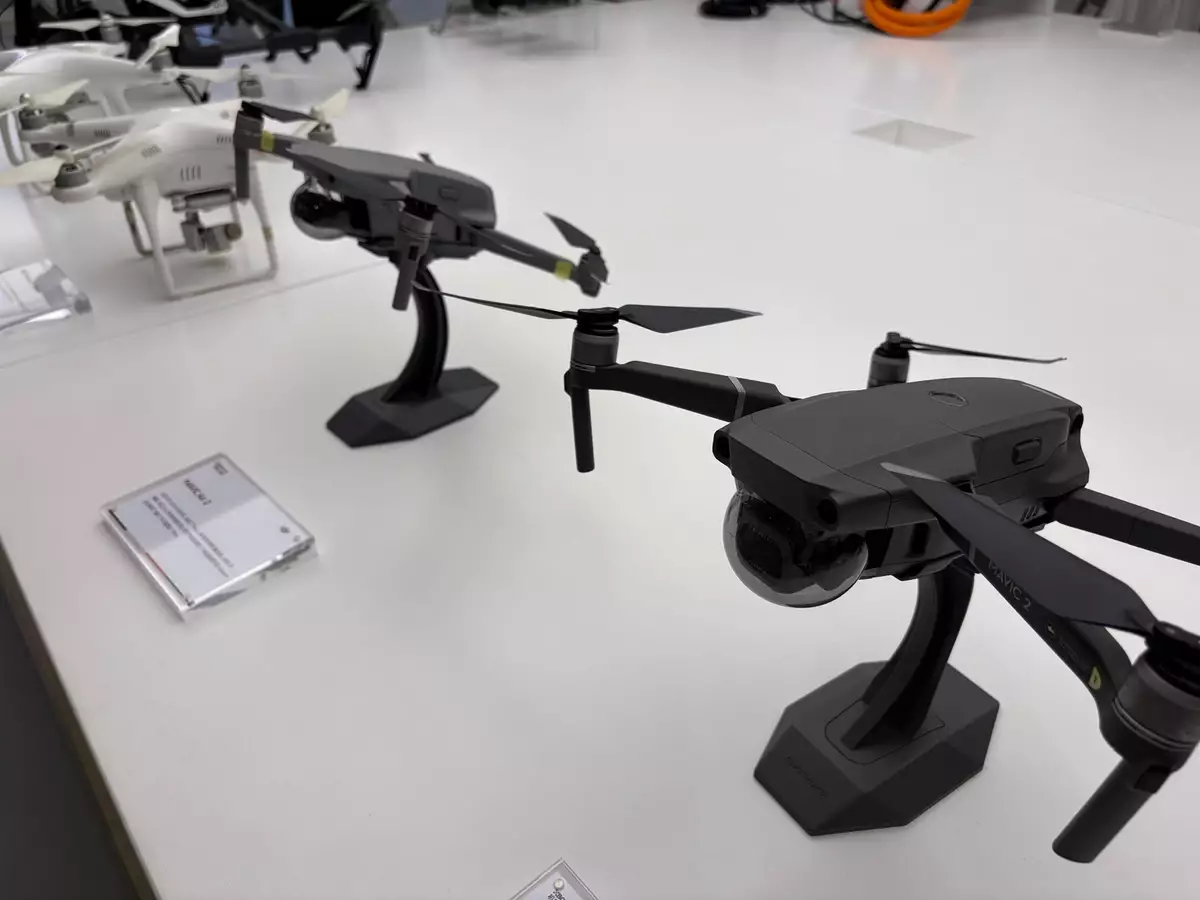
Incubated products on display at the XbotPark, Photo by Bastille Post
Yu Chunhua, Technical Director of Supply Chain at XbotPark, said the park has a mature screening process for early-stage projects, opens incubation channels to entrepreneurs worldwide, and provides full-chain support for start-ups at different stages of development.
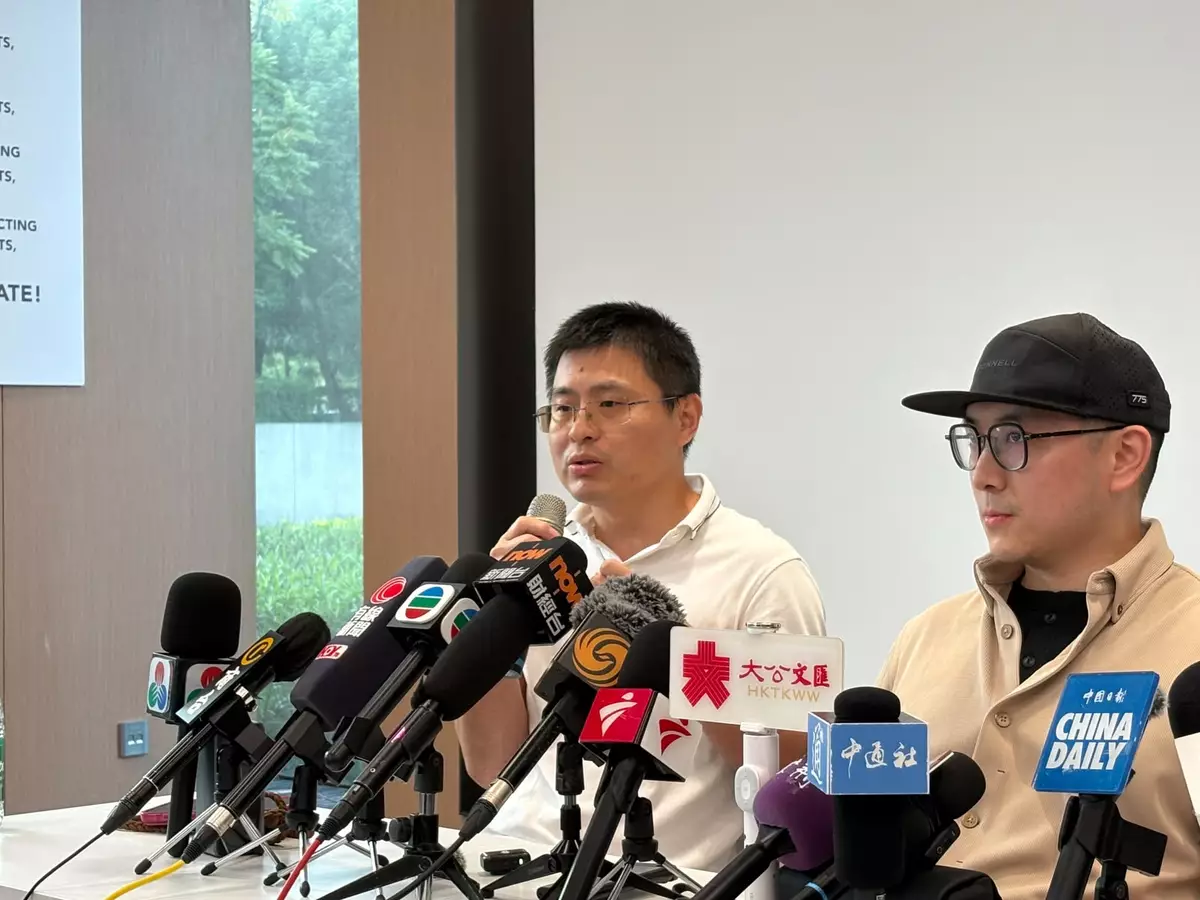
Yu Chunhua, Technical Director of Supply Chain at XbotPark (left), Photo by Bastille Post
He added that the park is planning to establish an overseas expansion hub in Hong Kong, offering a bridge for hardware technology companies to connect with international markets and helping teams navigate the challenges of going global.
HK Universities in GBA Embrace Innovation and Entrepreneurship
City University of Hong Kong (Dongguan), also located in Songshan Lake, received official approval for establishment in 2024 as a cooperative university in the Guangdong-Hong Kong-Macao Greater Bay Area. Prof. Chiu Chi Yue, Vice President (Administration) of CityUHK (Dongguan), believes that Songshan Lake Science City, home to both high-tech enterprises and higher education institutions, resembles a “Chinese version of Silicon Valley."
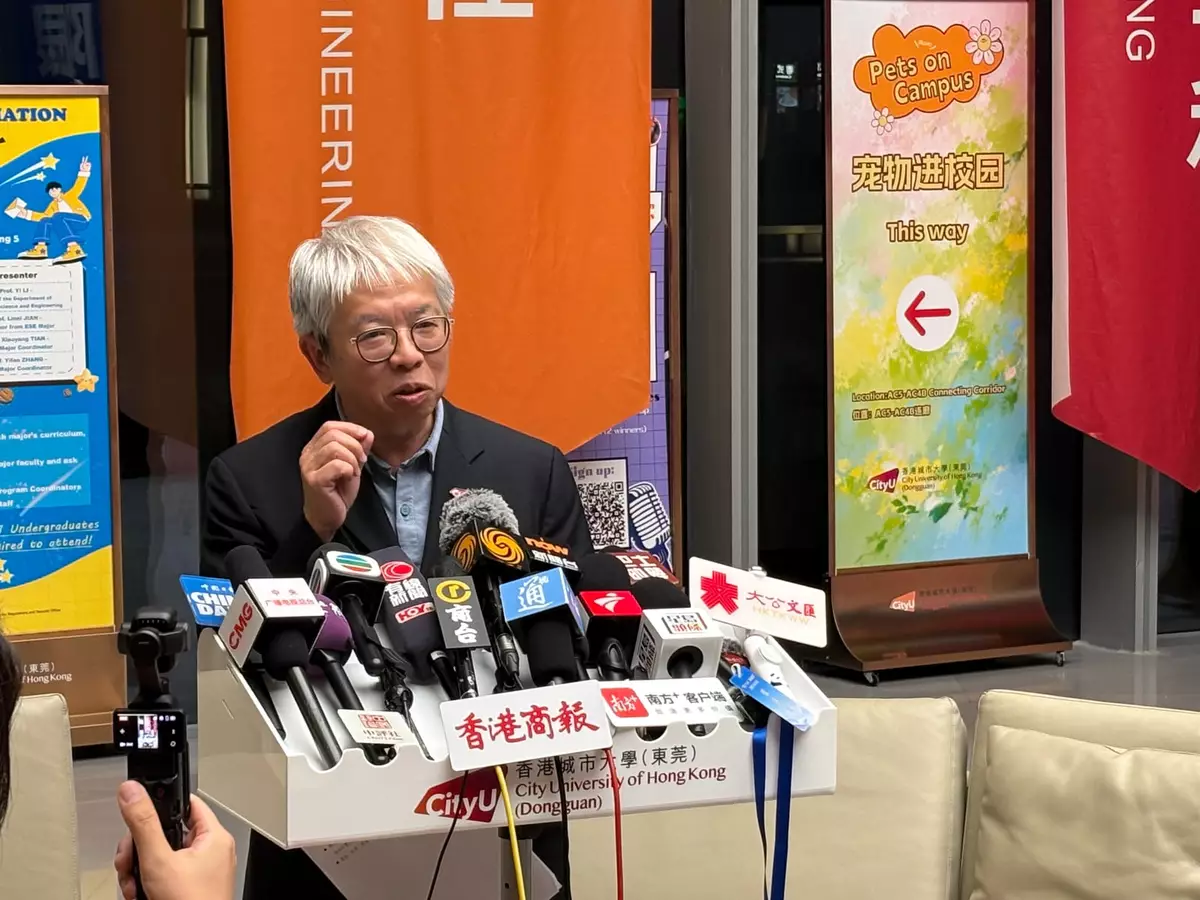
Prof. Chiu Chi Yue, Vice President (Administration) of CityUHK (Dongguan), Photo by Bastille Post
Currently, CityUHK (Dongguan), adhering to a “small but elite” education model, has approximately 2,600 students, mainly at the postgraduate level. The university is focused on specific disciplines aligned with national and regional development strategies, including natural sciences, new energy, new materials and big data, instead of pursuing large-scale enrolment expansion.
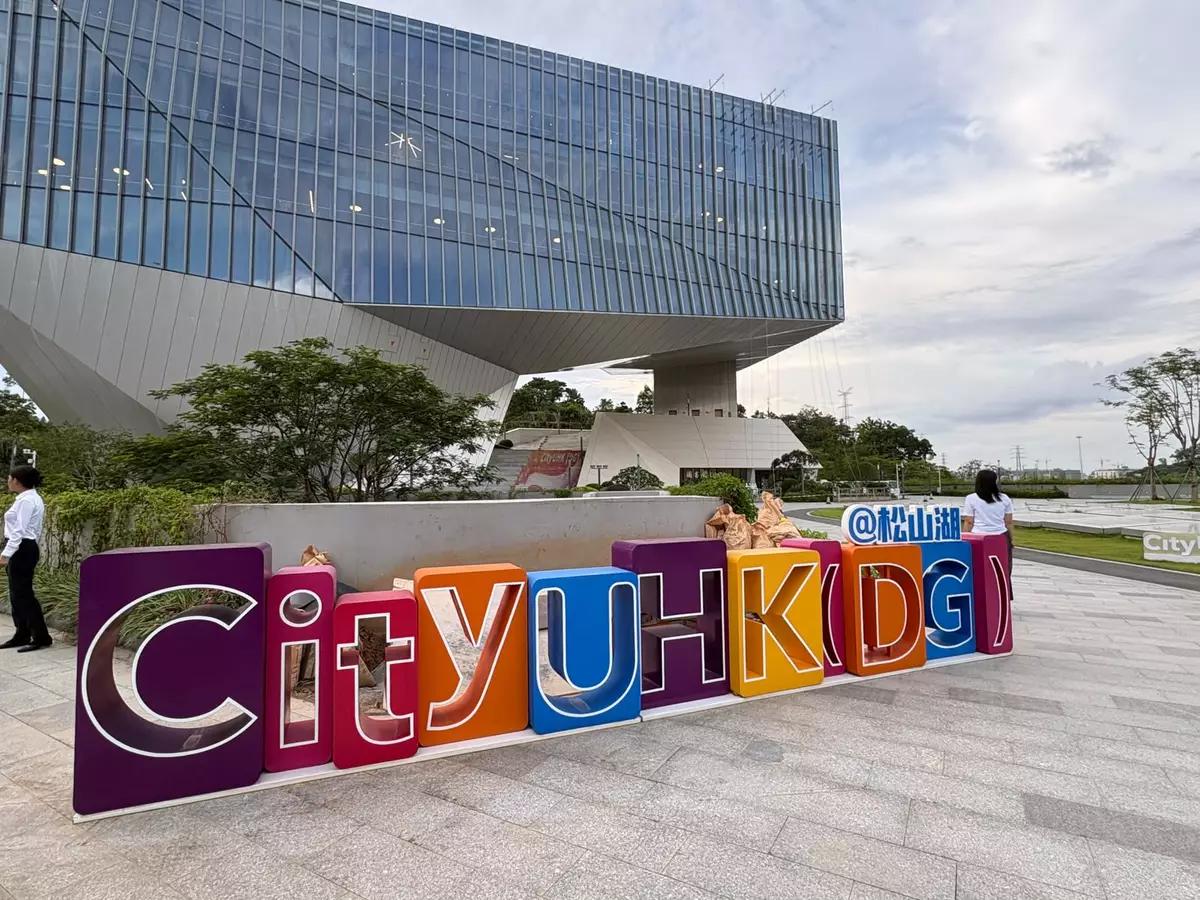
City University of Hong Kong (Dongguan), Photo by Bastille Post
Prof. Chiu said the university follows the philosophy of “integrating teaching and research, maintaining consistent quality across two campuses, and fostering limitless innovation," ensuring full alignment with the curriculum and teaching quality of the Hong Kong campus while cultivating students’ innovation and entrepreneurship capabilities in the era of rapid AI advancement. The university also encourages collaboration between faculty, students and industry to translate research outcomes into new ventures or commercially viable products.
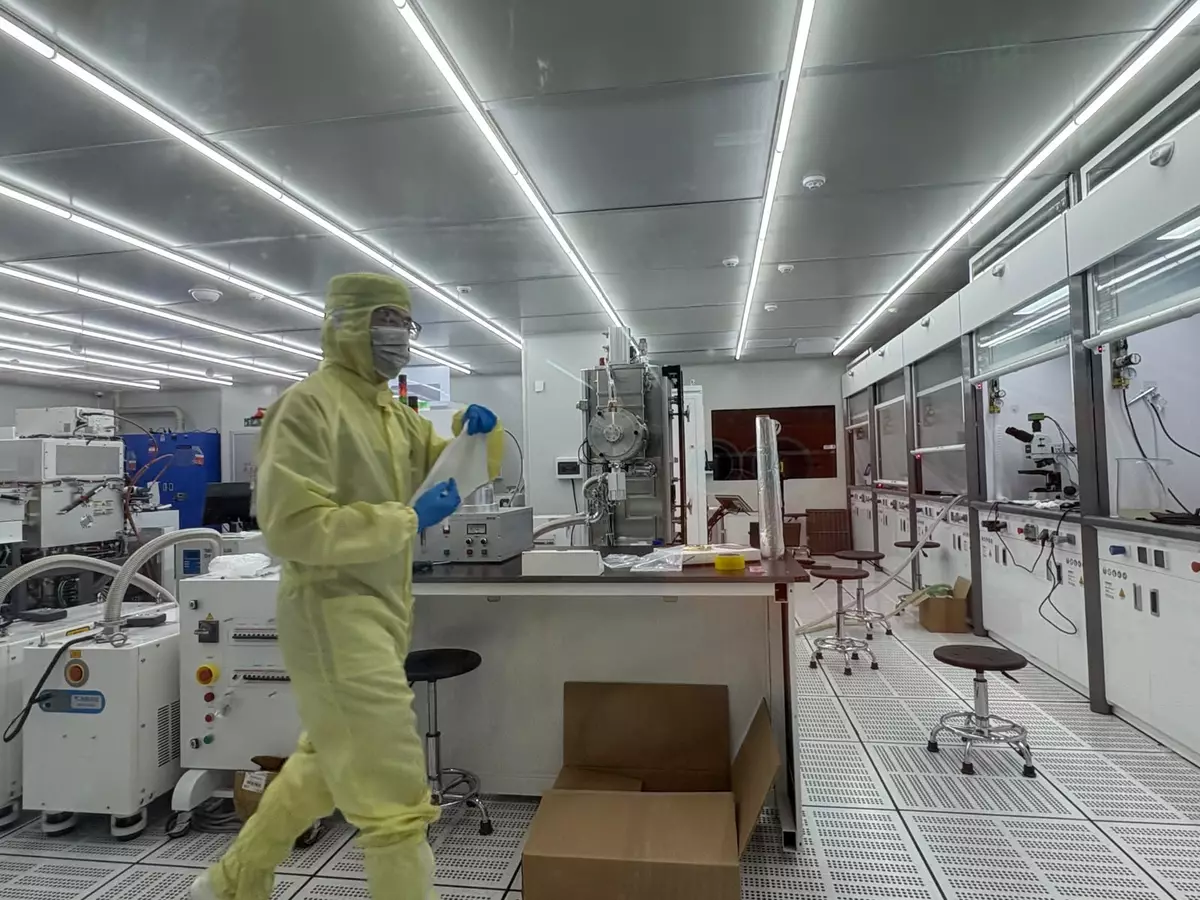
The nanotechnology lab at City University of Hong Kong (Dongguan), Photo by Bastille Post
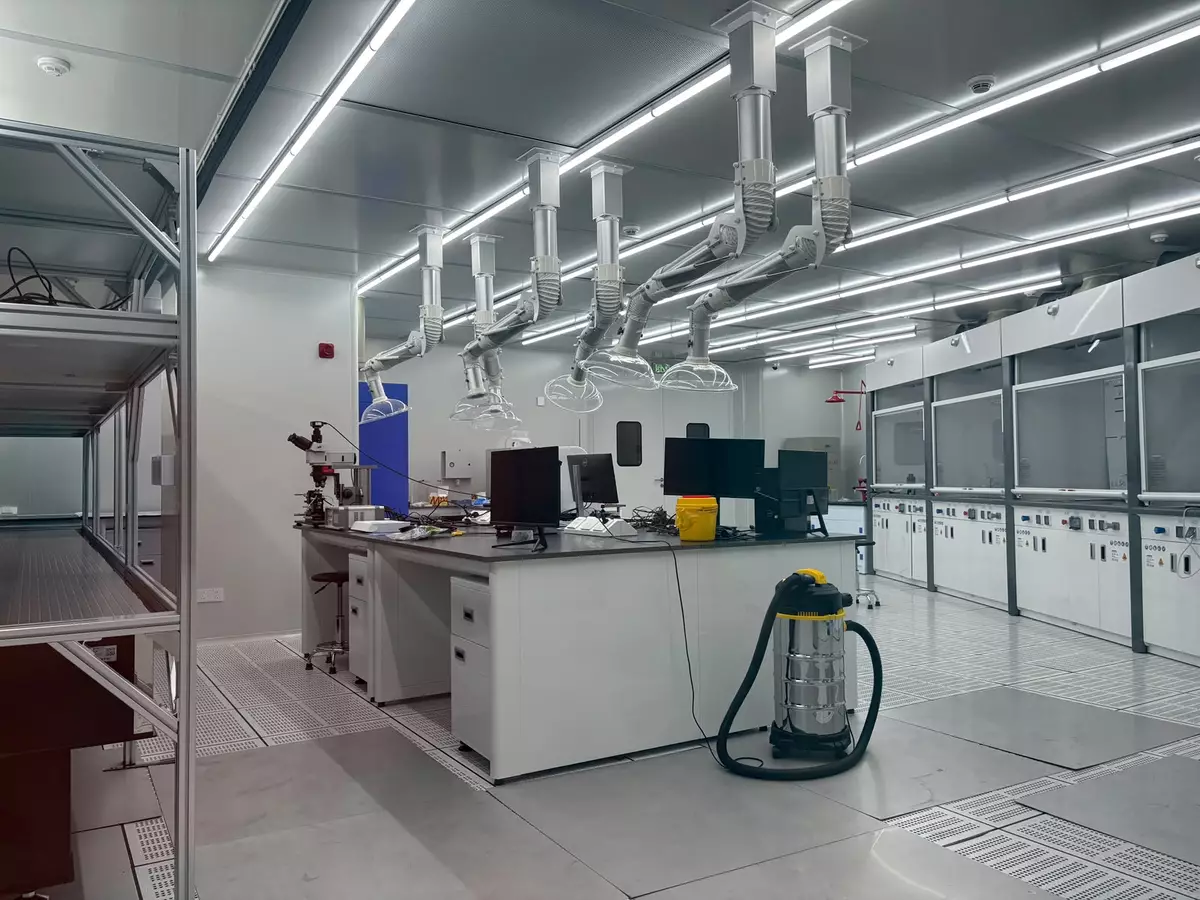
The nanotechnology lab at City University of Hong Kong (Dongguan), Photo by Bastille Post
He revealed that the university will welcome its first batch of master‘s graduates in 2026, with a high rate of further study, particularly in the research university pathway. Some 90% of graduates have secured employment with leading companies such as Huawei and Tencent, as well as research institutions.
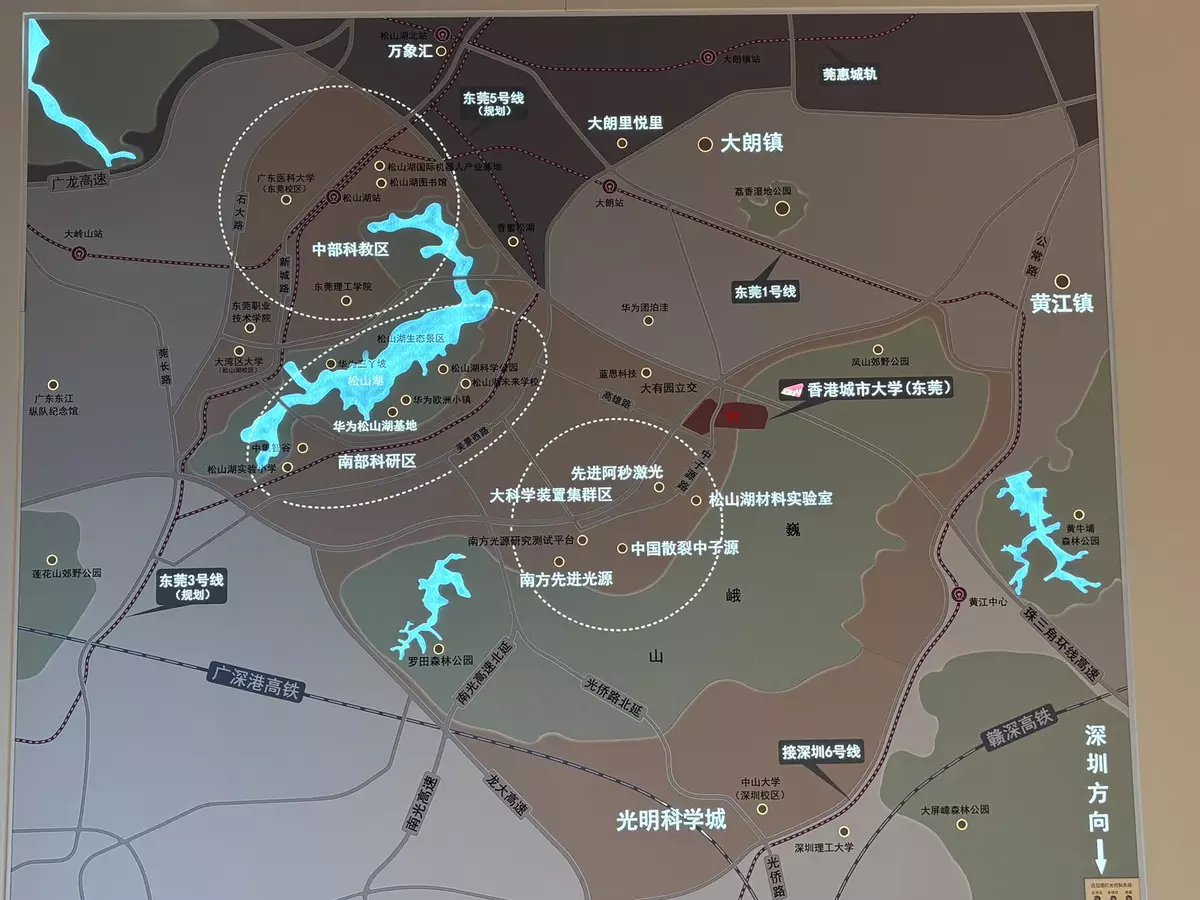
City University of Hong Kong (Dongguan),, Photo by Bastille Post
Prof. Chiu explained that a think tank delegation previously sent by the HKSAR Government visited the university, and both sides agreed that CityUHK (Dongguan)’s educational philosophy closely aligns with the current development vision for the Northern Metropolis. He therefore anticipates that as the university town development in the Northern Metropolis progresses, there will be extensive opportunities for cooperation and exchange between the university and the Northern Metropolis, and the university looks forward to building even closer ties with the Northern Metropolis in the future.
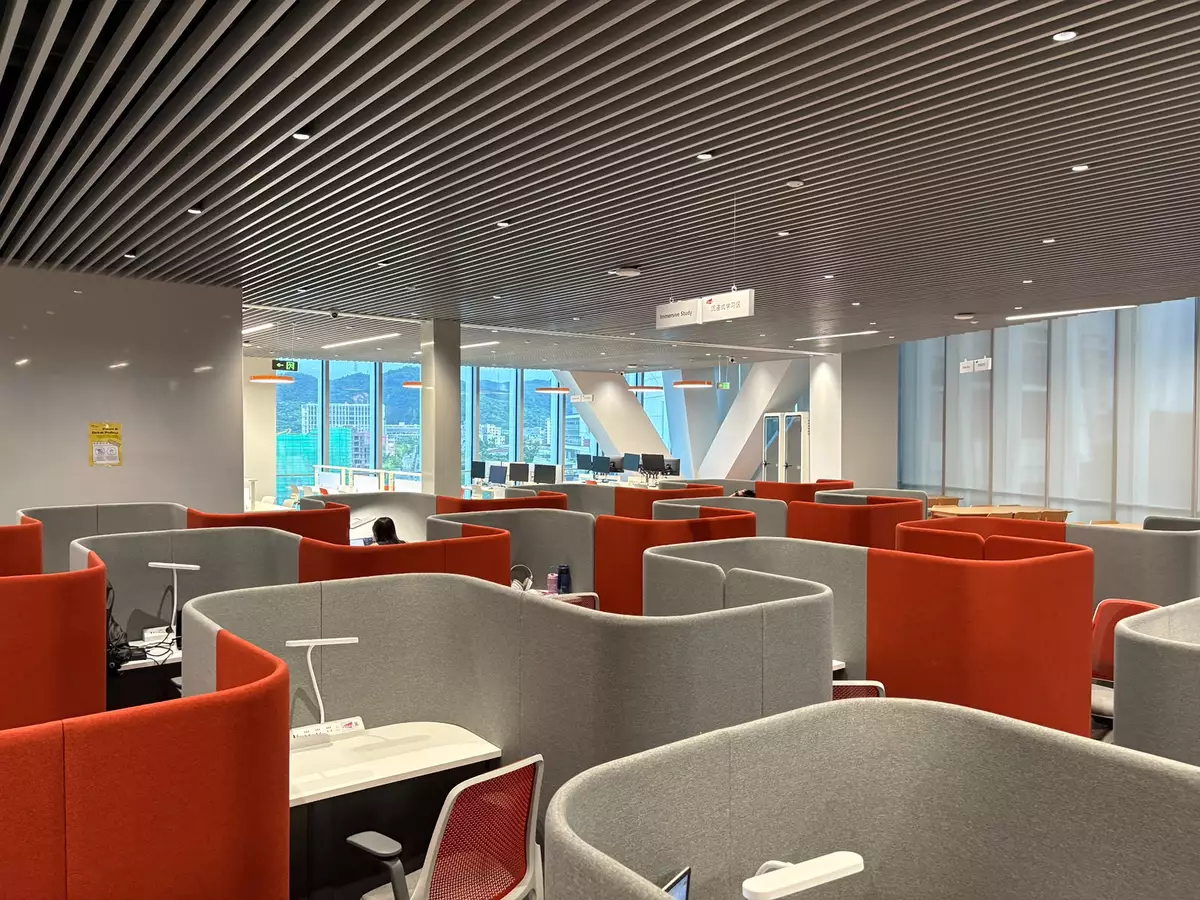
City University of Hong Kong (Dongguan),, Photo by Bastille Post
The first phase of the CityUHK (Dongguan) campus covers 180 mu (12 hectares) and was put into use in 2024. The second phase, covering 342 mu (22.8 hectares), began construction this year and is scheduled for completion by the end of 2027, with opening planned for 2028. The university also has plans for a third-phase campus.