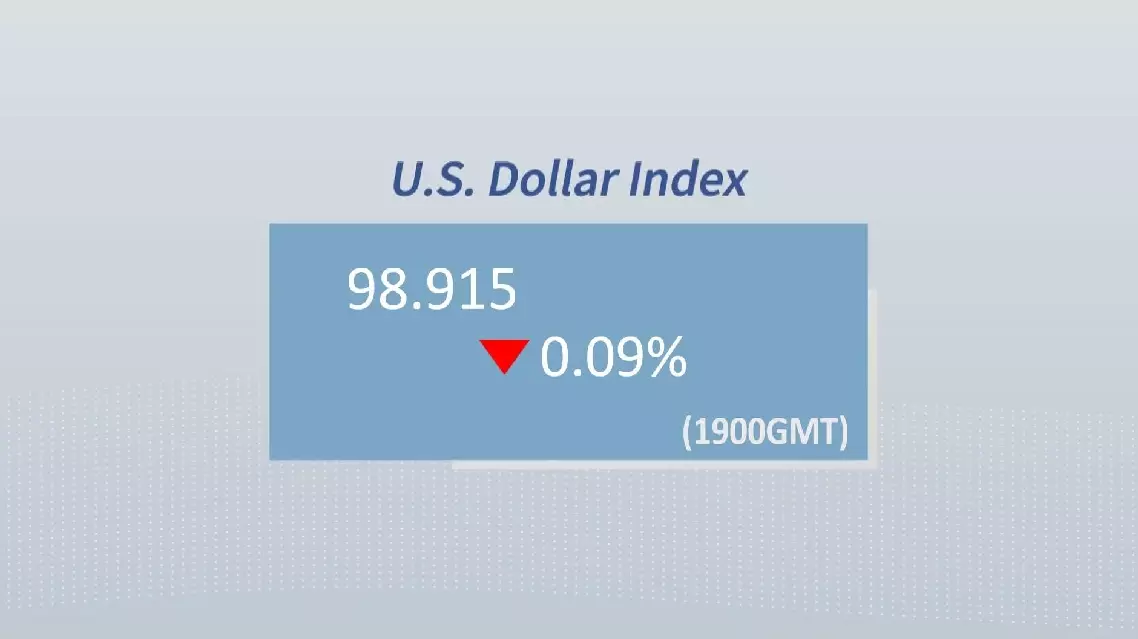
The U.S. dollar weakened in late trading on Tuesday. The dollar index, which measures the greenback against six major peers, decreased by 0.09 percent to 98.915 at 15:00 (1900 GMT).
In late New York trading, the euro climbed to 1.1674 U.S. dollars from 1.1663 dollars in the previous session, and the British pound increased to 1.3646 dollars from 1.3631 dollars in the previous session.
The U.S. dollar bought 159.22 Japanese yen, higher than 159.19 Japanese yen of the previous session. The U.S. dollar lost to 0.8020 Swiss francs from 0.8026 Swiss francs, and it decreased to 1.3830 Canadian dollars from 1.3850 Canadian dollars. The U.S. dollar fell to 9.4659 Swedish kronor from 9.4973 Swedish kronor.
U.S. dollar ticks down
U.S. stocks ended higher on Tuesday as a rebound in technology and semiconductor equities allowed investors to look past escalating cross-border trade tensions following Canada's announcement of retaliatory tariffs on U.S. goods.
The Dow Jones Industrial Average rose 160.24 points, or 0.3 percent, to 53,577.4. The Standard and Poor's 500 added 24.42 points, or 0.32 percent, to 7,677.28. The Nasdaq Composite Index increased by 171.11 points, or 0.66 percent, to 26,151.3.
Seven of the 11 primary Standard and Poor's 500 sectors ended in the green, with technology and communication services leading the gainers by advancing 0.98 percent and 0.46 percent, respectively. Energy and consumer staples paced the decliners, sliding 1.7 percent and 0.87 percent, respectively.
North American trade friction escalated after the Canadian government announced retaliatory tariffs targeting approximately 20 billion U.S. dollars in annual imports from the United States, alongside financial relief measures for affected domestic businesses and workers. The countermeasures, set to take effect on Sept. 8, levy duties of 15 percent, 25 percent, and 50 percent across more than 700 U.S. product categories to match recent trade measures imposed by Washington.
On the macroeconomic front, the Conference Board's Consumer Confidence Index for the United States decreased by 0.8 points to 89.4 in August, the lowest level in seven months, down from July's reading of 90.2.
U.S. housing data also pointed to cooling demand. Joint figures released Tuesday by the U.S. Census Bureau and the Department of Housing and Urban Development showed that the median sales price of new single-family homes fell 2.3 percent month-on-month to 393,800 dollars in July. Concurrently, new home sales tumbled 10.5 percent from June to a seasonally adjusted annual rate of 607,000 units, marking a 6.3 percent decrease compared to the same period last year and indicating that price reductions have yet to revive broad buyer activity.
In corporate developments, shares of DICK'S Sporting Goods plummeted more than 30 percent after the athletic apparel retailer missed second-quarter earnings estimates and slashed its full-year outlook, citing softening consumer demand across the sports retail sector.
Semiconductor shares spearheaded the advance on the tech-heavy Nasdaq. Graphics processing unit leader Nvidia rose 2.19 percent ahead of its highly anticipated second-quarter earnings report on Wednesday, while peers Advanced Micro Devices and Micron Technology gained nearly 5 percent and 2.5 percent, respectively.
Market participants now turn their focus to the release of the U.S. Personal Consumption Expenditures price index for July on Wednesday for further clues about the trajectory of domestic inflation.
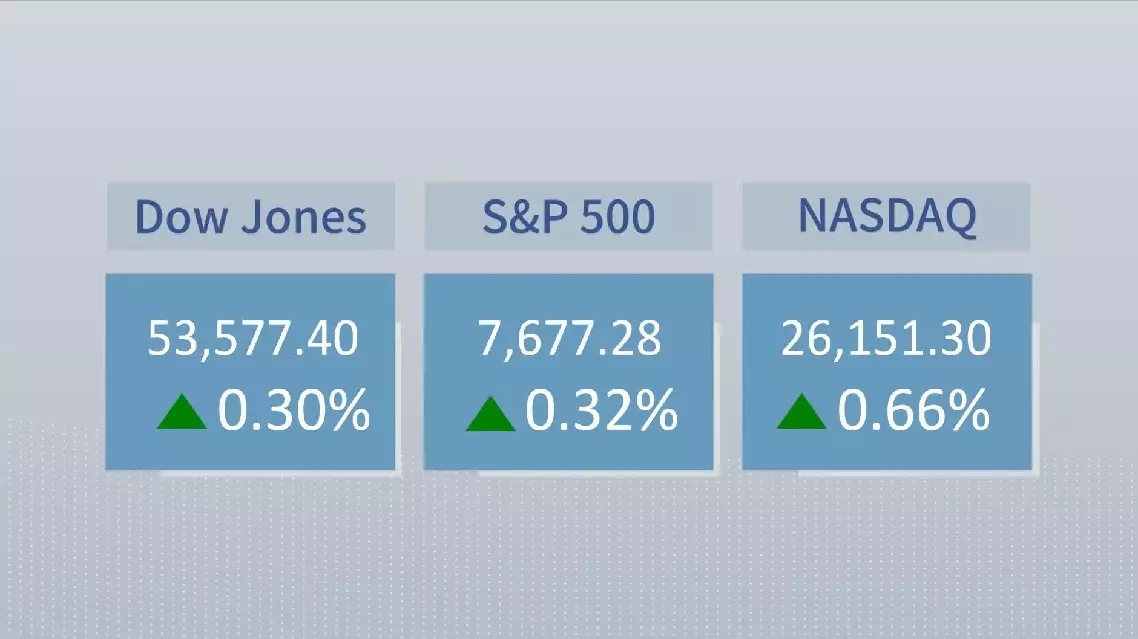
U.S. stocks close higher on tech gains despite Canadian retaliatory tariffs