Chinese lawmakers on Tuesday began reviewing a draft healthcare security law, aiming to further protect the rights and interests of insured people.
The draft is now under a third reading at the ongoing session of the Standing Committee of the National People's Congress, the country's top legislature, which runs through Friday. Under the draft, China will have a multi-tier medical security system with basic medical insurance at its core, complemented by other forms of protection, such as critical illness insurance.
China's basic medical insurance has two major schemes.
One scheme for formal employees is relatively well-funded, whereas the scheme for non-formal workers relies on government subsidies and faces more pressure.
The review emphasizes better financial coordination between the two schemes.
"If the draft passes, it would help move China toward more equitable and unified medical coverage. It also clarifies the institutional framework and realizes the principle of fairness and unity. This is an important signal about the future direction of the country's medical insurance system," said Zheng Gongcheng, a member of the Standing Committee of the 14th NPC.
The review addresses barriers for flexible workers, calling for clearer rules for them to enroll in employee medical insurance. It also targets people in financial hardship, proposing financial support for those in extreme need.
"We also propose financial assistance for vulnerable groups, including people facing extreme hardship, low income families, and those at risk of falling back into poverty, by helping cover their contributions to resident medical insurance," Zheng said.
The legislation marks China's first effort to regulate medical security through a dedicated law. It is expected to transform medical security from policy-driven initiatives into a stable, rights-based legal framework, ensuring long-term protection for every citizen.
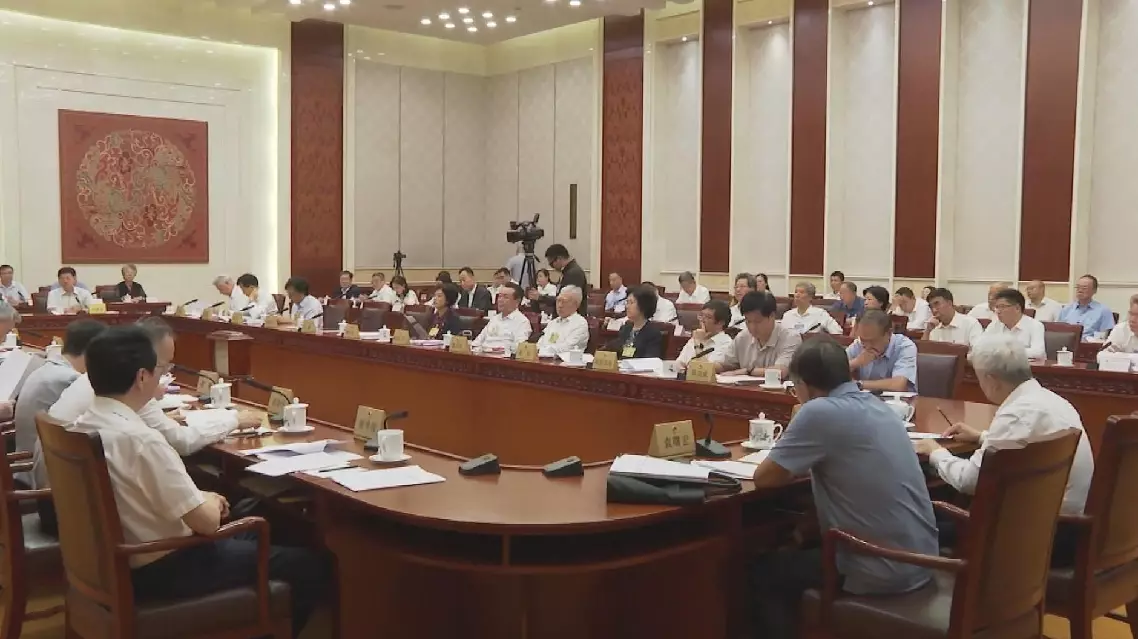
China's top legislature reviews draft medical security law