LD further enhances Heat Stress at Work Warning system
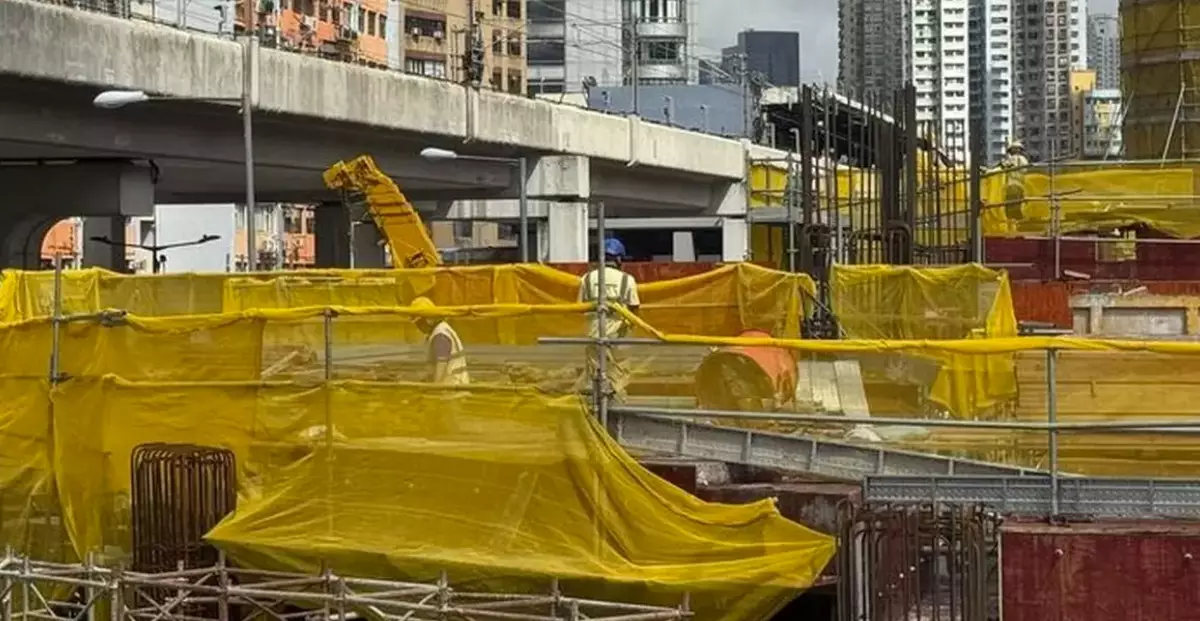
The Labour Department (LD) announced today (August 27) that with effect from tomorrow (August 28), the Heat Stress at Work Warning (HSWW) system will be further enhanced to better safeguard the occupational health of employees working under hot weather or in high-temperature environments.
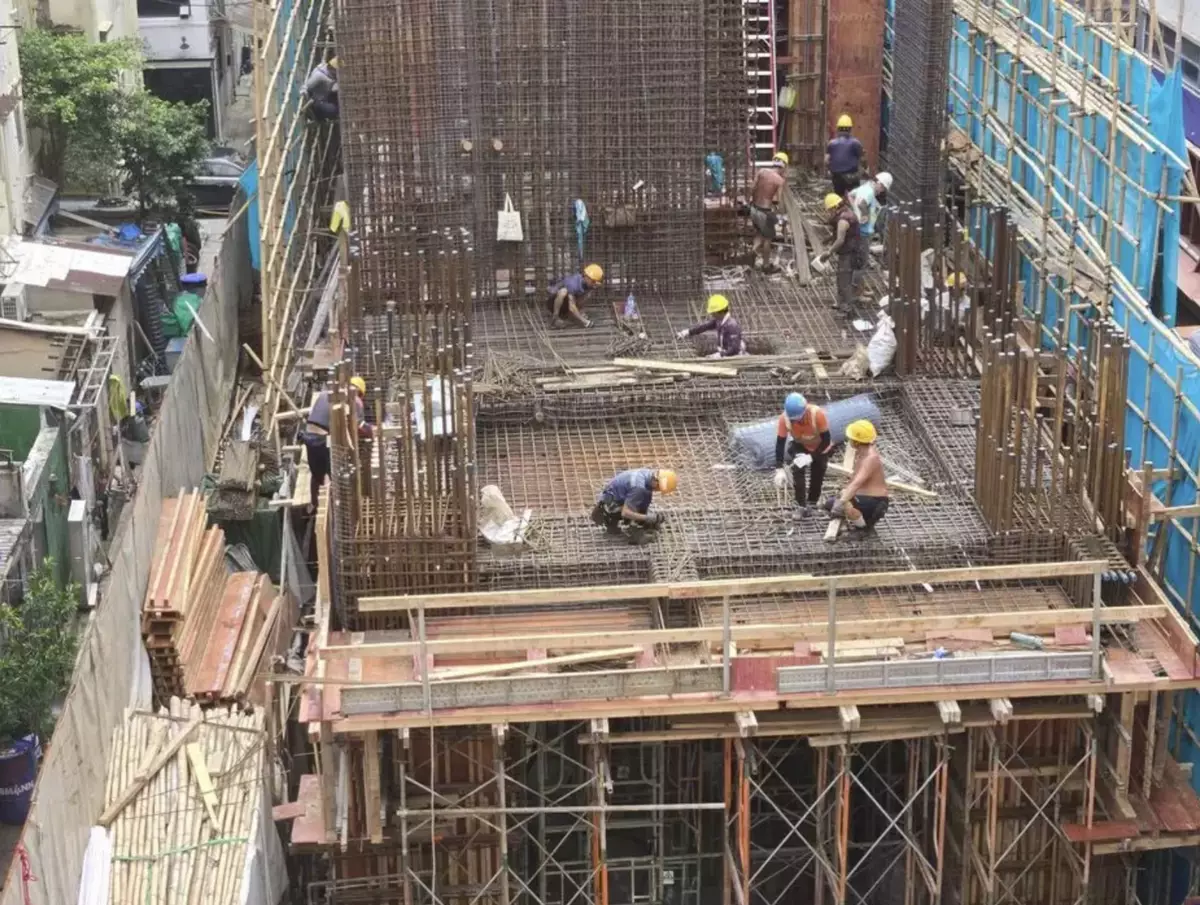
Photo source: reference image
To cope with the extremely hot weather due to climate change, the LD has promptly reviewed and enhanced the existing HSWW system on top of its original functions to enhance the warning alert under abnormally high temperatures.
The enhanced system will introduce two new conditions for triggering different levels of HSWW. First, when the "Extremely Hot Weather" Special Alert issued by the Hong Kong Observatory (HKO) is in effect, the monitoring threshold for triggering a higher level of warning will be lowered, enabling the early activation of a higher level of warning. Second, when the measured temperatures generally over Hong Kong reach 35 degrees Celsius or above, apart from lowering the monitoring threshold for triggering a warning, the warning level will be raised by one level automatically (i.e. from Amber Warning to Red Warning, or from Red Warning to Black Warning), in order to alert the public of the health risks of heat stress when working under abnormally high temperatures. For details of the enhanced system, please refer to the annex.
Since the establishment of the HSWW system in 2023, the LD has maintained communication with stakeholders and listened to their views. The LD has also continuously reviewed and enhanced the system as appropriate by making reference to information and advice provided by other departments, including the HKO, to suit the actual circumstances of Hong Kong. Since 2024, when the HKO issues the "Extremely Hot Weather" Special Alert, the LD will issue an Amber Warning even if the index has not reached the level for issuing the HSWW, to take into account the hot weather conditions. From this April, in addition to using the Hong Kong Heat Index measured at the monitoring station at King's Park, the LD has added the indices measured at the other nine locations as issuing criteria of the HSWW, enhancing the coverage and sensitivity of the system. After the launch of the enhanced system, the LD will continue to review the operation of the system and make improvements, such as studying whether to include other monitoring data, for example, the Wet Bulb Globe Temperature, as one of the indicators of the system.
The enhancement of the system will not impose additional work for employers and employees. They should continue to pay heed to the level of the HSWW issued by the LD and make corresponding work arrangements. Employers shall conduct heat-stress risk assessments for employees working in hot environments, and based on the assessment results and the risks of heat stroke faced by employees at different levels of the HSWW, implement the heat stroke prevention measures recommended in the Guidance Notes on Prevention of Heat Stroke at Work, including rescheduling work periods, setting up shade covers, providing ventilation and heat dissipation equipment, and reminding employees to replenish their water and rest in a timely manner. In addition, employers should keep assessment records and explain the assessment results to employees and give appropriate instructions to ensure that employees take an appropriate amount of rest according to the assessment results to minimise the heat stress at work.
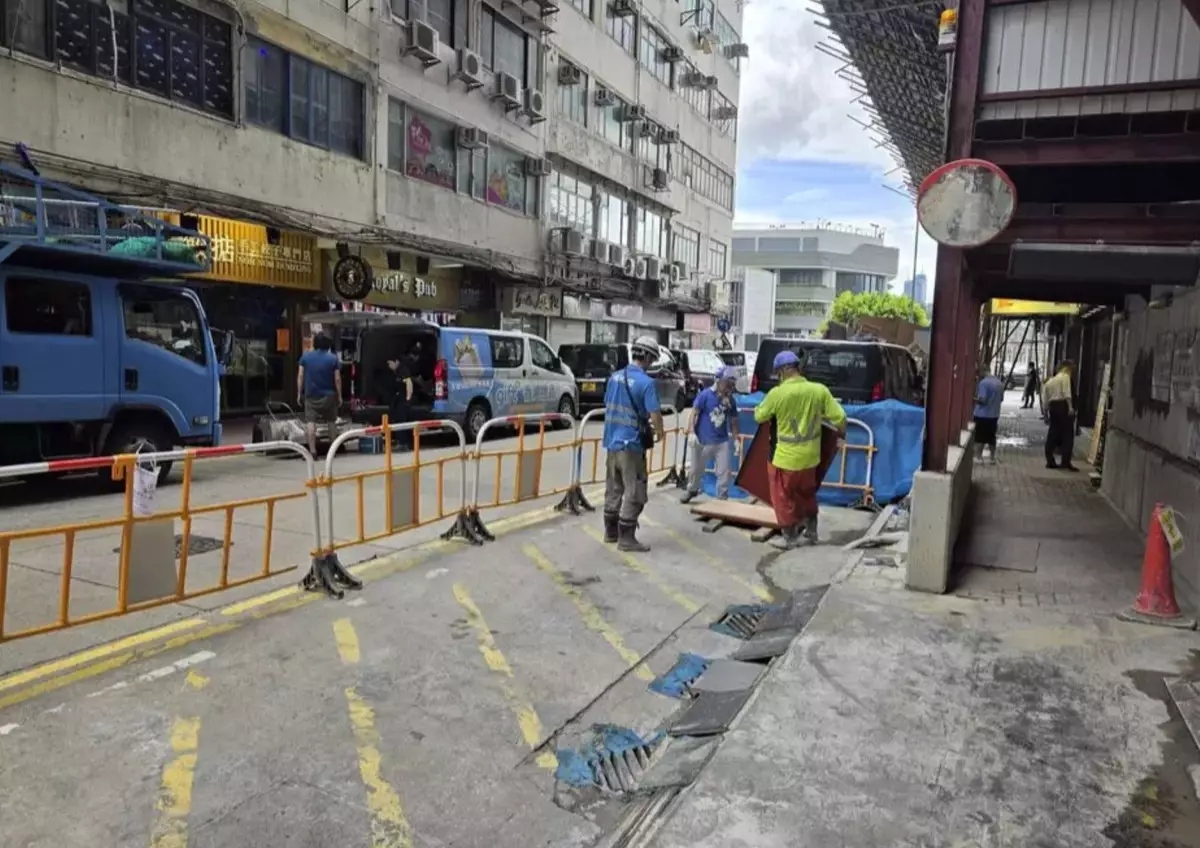
Photo source: reference image
The LD also encourages and motivates employers to arrange on-site heat-stress risk assessments, taking into account the special circumstances of their work nature and workplace (such as geographical locations and specific working environments). They can also seek assistance from occupational health professionals, and take appropriate preventive measures based on the results to reduce the risk of heat stroke at work.
The LD reminds employers that they may face prosecution if they endanger the health of employees without providing suitable heat stroke prevention measures. The LD also enhances inspections and enforcement actions targeting workplaces with a higher risk of heat stroke to safeguard the occupational safety and health (OSH) of employees.
Employees should also pay attention to their own physical condition and inform their employer if they feel unwell. When necessary, they can call the LD's OSH complaint hotline at 2542 2172 or submit an online OSH complaint form (eform.cefs.gov.hk/form/ld0001/en/) to seek assistance from the LD.
The LD disseminates the HSWW levels to members of public through multiple channels, including the "iAm Smart" and "My Observatory" mobile applications, government press releases, the HKO's official website, and major media platforms. For the HSWW and related guidelines, please refer to the LD's thematic webpage: www.labour.gov.hk/eng/news/prevention_of_heat_stroke_at_work.htm.
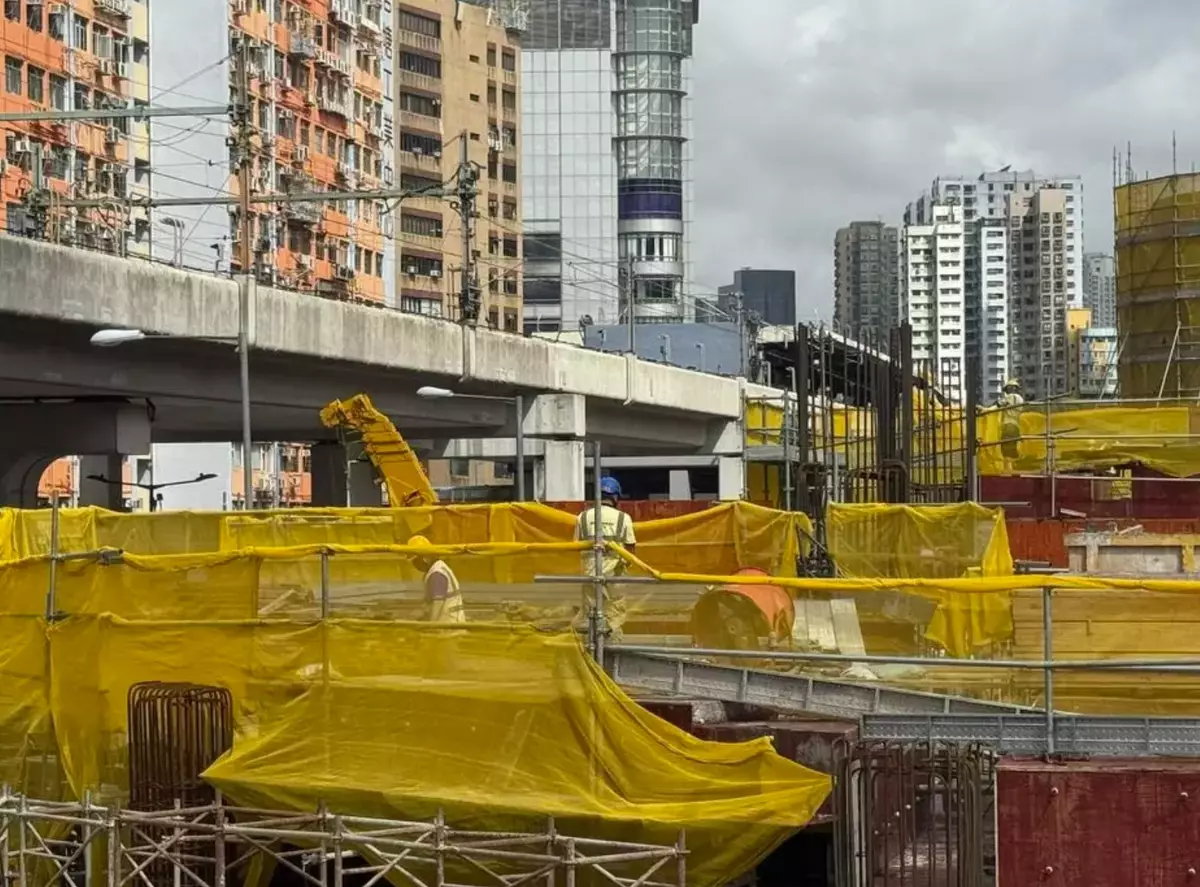
Photo source: reference image
Speech by CE at Hong Kong Legal Week 2026: UNIDROIT Centenary: Regional Conference for the Asia-Pacific and Opening Ceremony of the Asia-Pacific Liaison Office
Following is the speech by the Chief Executive, Mr John Lee, at Hong Kong Legal Week 2026: UNIDROIT Centenary: Regional Conference for the Asia-Pacific and Opening Ceremony of the Asia-Pacific Liaison Office today (November 2):
Professor Enzo Moavero-Milanesi, (President of the International Institute for the Unification of Private Law (UNIDROIT)), Professor Ignacio Tirado (Secretary-General of the UNIDROIT), Commissioner Cui Jianchun (Commissioner of the Office of the Commissioner of the Ministry of Foreign Affairs in Hong Kong Special Administrative Region), distinguished guests, ladies and gentlemen,
Good morning, and welcome to Hong Kong.
It is my honour and privilege to be here, with you, at the opening of the UNIDROIT Centenary Regional Conference for the Asia-Pacific.
This is a day of double celebration. Today we commemorate 100 years of UNIDROIT's extraordinary contribution to the modernisation and harmonisation of private law. Equally significant, we're here to witness the opening of a new chapter of UNIDROIT – the establishment of its inaugural office outside its seat in Rome, right here in Asia's World City, Hong Kong.
UNIDROIT was established in 1926, under the auspices of the League of Nations. Back then, few could have imagined the profound impact it would have on the global legal landscape in the century to follow.
Today, UNIDROIT stands as one of the world's oldest international organisations dedicated to strengthening the rule of law in international private and commercial law. Its 65 member states come from five continents.
While the League of Nations no longer exists, UNIDROIT remains a prominent and independent inter-governmental organisation based on the 1940 UNIDROIT Statute.
Its mission – to study the needs and methods for modernising, harmonising and co-ordinating private and commercial law among states, formulating uniform law instruments, principles and rules to achieve those objectives – has become more relevant than ever.
UNIDROIT has been instrumental in reducing legal barriers to trade, investment and cross-border co-operation. In doing so, it promotes the connectivity and prosperity that our region treasures.
So, yes, Hong Kong gladly welcomes the establishment of the UNIDROIT Asia Pacific Liaison Office in our city.
It is a decision of profound significance – for UNIDROIT, for Hong Kong and for the entire Asia-Pacific region.
The Liaison Office will serve as a focal point for enhanced engagement with member states and stakeholders in the region. And it will play a crucial role in the legislative and institutional work of UNIDROIT.
Hong Kong, strategically located at the heart of Asia, is an ideal home for the Asia-Pacific Liaison Office.
We are a renowned international legal, trade and financial hub, and a host to many international organisations.
Hong Kong is also the only common law jurisdiction within China, our country, operating under the unique principle of "one country, two systems". Our legal system is renowned for its robust rule of law, buttressed by a deep pool of legal talent.
Our laws and dispute resolution framework are well aligned with international standards and recognised globally. Indeed, the 2026 World Justice Project Rule of Law Index, published last month, ranks Hong Kong sixth in East Asia and the Pacific, and within the first quintile out of 143 countries and jurisdictions. And Hong Kong maintained its position within the top 10 globally in "Absence of Corruption" and "Order and Security".
The National 15th Five-Year Plan supports Hong Kong in deepening its development as an international legal and dispute resolution services centre.
Hong Kong's First Five-Year Plan, launched in September, sets out a range of measures to harness the unique advantages of our common law system.
And this year's Policy Address reaffirms our commitments in greater detail, specifically noting our support for the establishment of the UNIDROIT Asia-Pacific Liaison Office in Hong Kong.
The Liaison Office will also enjoy benefits from co-operation with other partner organisations here. That includes the International Organization for Mediation, headquartered in Hong Kong since last year, as well as the Asian-African Legal Consultative Organization's Hong Kong Regional Arbitration Centre and the Hague Conference on Private International Law's Regional Office for the Asia Pacific.
The Liaison Office may also enjoy benefits from the stakeholder network established by the Hong Kong International Legal Talents Training Academy. The Academy was launched by the Department of Justice two years ago this month. Working together, I'm confident the two organisations can address UNIDROIT's needs for capacity building.
Such legal co-operation is essential in a city that thrives on openness, connectivity and rules-based international order.
We strive to attract global organisations and talent, enable international legal co-operation and position Hong Kong as a "super connector" and "super value-adder" for East and West.
The Asia-Pacific accounts for more than 40 per cent of global GDP and encompasses vital trade corridors.
The Liaison Office reflects the importance of the Asia-Pacific region in UNIDROIT's work and will deepen collaboration, resulting in a better understanding and implementation of private law.
This Liaison Office is a symbol of our collective ambition to build a more harmonious and prosperous future for the Asia-Pacific and beyond.
I wish to thank UNIDROIT for its enduring trust in Hong Kong, and to express my gratitude to our country for its staunch and unwavering support, without which this milestone would not have been possible. My thanks, as well, to all of you for your commitment to this shared endeavour.
I am confident that the establishment of the Liaison Office will strengthen the long-standing collaborative relationship between Hong Kong and UNIDROIT, serving as a catalyst for deeper engagement throughout the region.
Let us continue to work together – to harmonise, connect and build a future rooted in peace and prosperity.
I wish this conference and the Liaison Office every success. The conference, let me add, is the opening event of this year's Hong Kong Legal Week, five days of high-profile discussions and gatherings designed to strengthen regional and cross-sector collaboration, including the Second Guangdong-Hong Kong-Macao Greater Bay Area Lawyers Forum and the third Asia-Pacific International Private Law Summit.
For those of you here from overseas, I wish you a memorable stay in Hong Kong, the world's rising East-meets-West centre for international cultural exchange, and legal exchange, too.
Thank you.

Source: AI-found images