Skip to Content Facebook Feature Image

Hong Kong EDB announces Primary One Admission details for 2027, encouraging digital applications through ePOA platform.

HK

Hong Kong EDB announces Primary One Admission details for 2027, encouraging digital applications through ePOA platform.
HK

HK

Hong Kong EDB announces Primary One Admission details for 2027, encouraging digital applications through ePOA platform.

2026-08-28 15:00 Last Updated At:15:08

EDB announces arrangements under Primary One Admission System for admission to Primary One in September 2027

A spokesman for the Education Bureau (EDB) said today (August 28) that all Hong Kong children born on or before December 31, 2021, who have not attended any primary schools and have never been allocated a Primary One (P1) place, are eligible to join the Primary One Admission (POA) System for admission to P1 in September 2027 .

Digitalisation of POA

-------------------

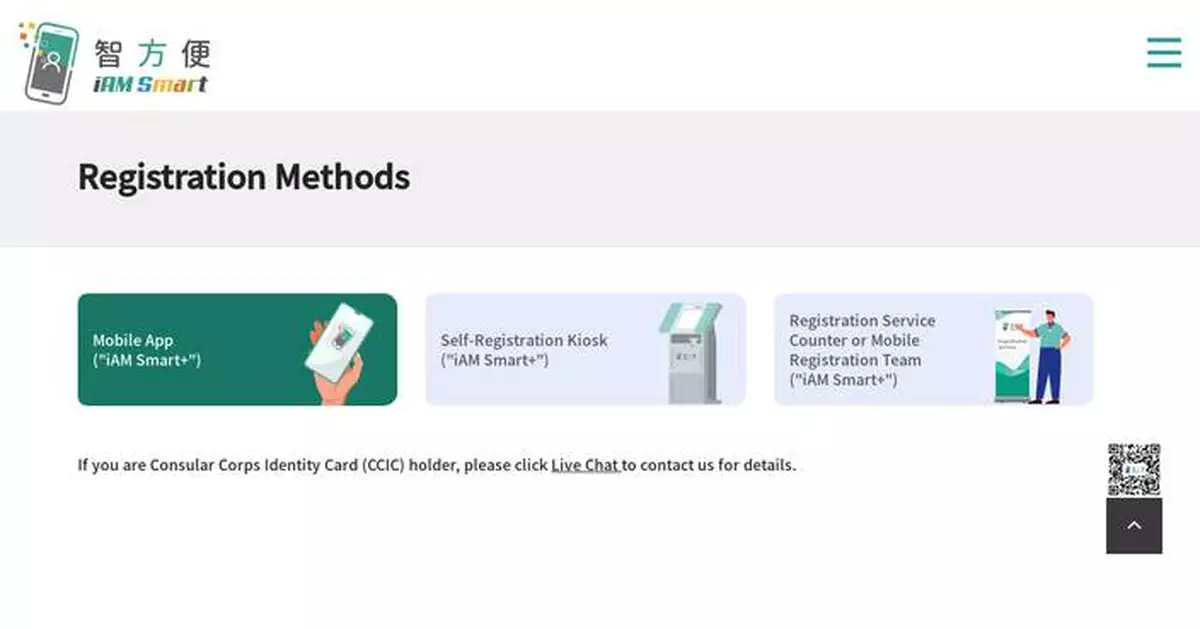
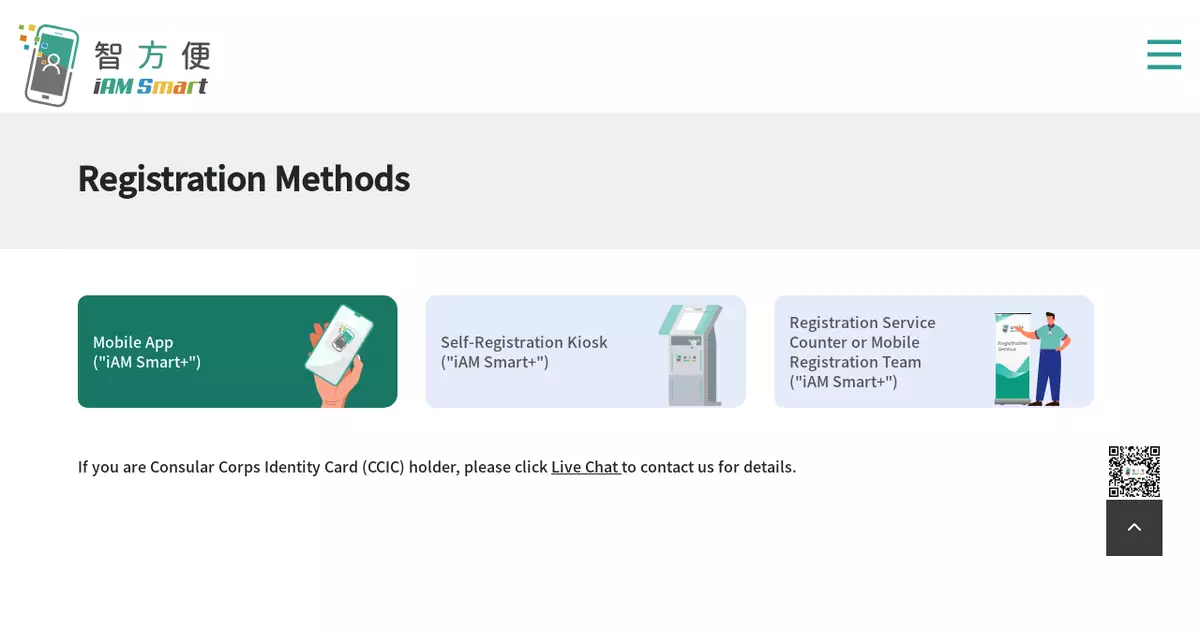
In line with the Smart Government strategy, the EDB has fully digitalised POA. Parents who have registered as POA e-platform (ePOA) users and bound their account to "iAM Smart+" may submit applications and check the results for discretionary places and Central Allocation online via ePOA. The EDB encourages parents to register with "iAM Smart+" (www.iamsmart.gov.hk/en/reg.html) as early as possible for more convenient and faster P1 school place allocation services.

Submission of applications for discretionary places

-------------------

At the Discretionary Places Admission stage, parents can submit an application to any government or aided primary school and the school choice is not restricted to the school net in which the child resides. Parents who wish to apply for a POA discretionary place in a government or aided primary school may submit an application via ePOA (epoa.edb.gov.hk) from September 17 to 25. Please refer to the related videos and Parent's Guide on the EDB's website (www.edb.gov.hk/en/edu-system/primary-secondary/spa-systems/primary-1-admission/poa_eplatform/index.html) for details of the procedures for creating an ePOA account and submitting applications for discretionary places via ePOA.

If parents choose to submit paper application forms, they may obtain the Application Form for Admission to Primary One, Notes on How to Complete the Application Form for Admission to Primary One, POA information leaflet, etc, from their children's kindergartens or kindergarten-cum-child care centres, District Offices (Home Affairs Enquiry Centres), and the Regional Education Offices and School Places Allocation Section of the EDB from next Tuesday (September 1). They should submit the completed application form together with all supporting documents directly to the school during school office hours between September 21 and 25. Parents who are unable to submit the application form in person may authorise in writing a representative to bring along the above-mentioned documents to the primary school on their behalf.

The spokesman reminded that irrespective of whether the application is submitted via ePOA or in paper form, parents should submit only one application for each child. If parents have applied to more than one government or aided primary school, their application for a POA discretionary place will be rendered void. In addition, parents should not submit duplicate applications via ePOA and in paper form for the same child. Parents who wish to enrol their children in Direct Subsidy Scheme (DSS) primary schools or private primary schools (including international schools) should apply directly to those schools as they are not included in the POA System. Parents should also note that children who have accepted the offer of P1 places in DSS primary schools will not be allocated P1 places in government or aided primary schools through the POA System.

Application for Central Allocation only

-------------------

If parents only intend to apply for the POA Central Allocation, they should submit an application to the EDB via ePOA or in paper form on or before January 22, 2027. For submission of paper forms, they should return the completed application form and supporting documents to the School Places Allocation Section (Primary One Admission) of the EDB at Podium Floor, West Block, Education Bureau Kowloon Tong Education Services Centre, 19 Suffolk Road, Kowloon Tong.

Residential address

-------------------

"When completing the POA Application Form, parents should fill in the actual residential address of their child. If a false address is given by parents to secure a P1 place for their child under the POA System, the application will be rendered void and the P1 place allocated will be withdrawn. If a false instrument has been used or a false statutory declaration has been made in the application, the offender is liable on conviction to imprisonment for 14 years or imprisonment for two years and to a fine respectively under the Crimes Ordinance. Members of public who suspect that a parent has used a false address for POA applications for their child may report it to the School Places Allocation Section by calling its hotline at 2832 7700," the EDB spokesman said.

Enquiries

-------------------

The information leaflet for POA 2027 is available on the EDB's website for parents' reference. Other details of POA and the discretionary places quota of each school will be available from next Tuesday (September 1) on the EDB's website and 24-hour Automatic Telephone Enquiry System at 2891 0088.
Source: AI-found images

Source: AI-found images

DH reminds public to take precautions against heat-related illnesses during very hot weather

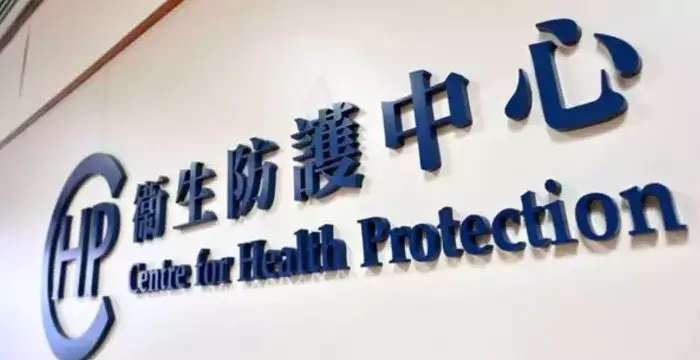
The Centre for Health Protection (CHP) of the Department of Health (DH) today (August 28) reminded members of the public to take appropriate precautions against heat-related illnesses, such as heat cramps, heat exhaustion and heat stroke, during very hot weather.

The Centre for Health Protection, Photo source: reference image

The Centre for Health Protection, Photo source: reference image

In a high-temperature environment, excessive sweating and difficulty in heat dissipation can cause stress to the body. Members of the public should take the following precautions:

  • Hydrate in a timely manner to prevent dehydration;

  • Wear light-coloured, loose-fitting and breathable clothing to minimise heat absorption and facilitate perspiration and heat dissipation;

  • Keep indoor areas well ventilated and maintain appropriate temperature and humidity, e.g. by opening windows or using a fan or air-conditioning;

  • Avoid strenuous exercise and prolonged activities such as hiking or trekking;

  • Arrange outdoor activities in the morning or the late afternoon, if possible, and bring enough water; and

  • Avoid beverages containing caffeine, such as coffee and tea, as well as alcoholic beverages, which may speed up water loss through the urinary system.

In addition, infants and children, the elderly, pregnant women, individuals with chronic illnesses such as heart disease or high blood pressure, overweight people and outdoor/manual workers are more susceptible to heat stroke. These groups should pay special attention to the following:

  • Infants and young children: Avoid going outside when the temperature is high. If they must go outside, adults should ensure they stay in places with moderate temperatures and good ventilation or air-conditioning. Infants and young children should never be left unattended in a confined space such as a vehicle;

  • The elderly, pregnant women, individuals with chronic illnesses and overweight people: Pay close attention to health conditions and seek help as soon as possible if experiencing any abnormalities in health indicators such as blood pressure, heart rate, etc or if there are fluctuations in health conditions. Avoid going out when the temperature is high. Make sure there is good ventilation, or turn on a fan or air-conditioner to keep an appropriate temperature indoors. High temperatures can also worsen the condition of people with chronic illnesses (such as cardiovascular and respiratory diseases). Therefore, they should have an ample supply of their usual medication and keep in contact with family members, neighbours and the community. People should seek immediate help if they feel unwell.

  • Outdoor/manual workers: Reschedule work to cooler hours as far as feasible. If working in a hot environment is unavoidable, provide shade where practicable and use ventilation and heat dissipation equipment. Once work has begun, gradually adjust the pace of work and take breaks in the shade to regain strength.

The DH reminded the public that heat stroke is one of the most common health risks in hot weather. Over the past five years, there have been over 200 hospital admissions due to heat stroke each year in Hong Kong, with two to five fatal cases occurring mainly during the summer months from May to September. Vulnerable groups are more susceptible to heat stroke. Symptoms include dizziness, headache, nausea, shortness of breath or confusion. In severe cases, patients may suffer from convulsions or become unconscious, which can be life-threatening if they are not cooled down and resuscitated in a timely manner.

Members of the public are also advised to pay attention to the latest weather, as well as the real-time and forecasted ultraviolet (UV) index released by the Hong Kong Observatory (HKO). When the UV index is high (6 or above), the public should note the following:

  • Avoid direct sunlight exposure to the skin and the eyes;

  • Apply broad-spectrum, water-resistant sunscreen liberally, with a sun protection factor (SPF) of at least 30 or higher, when participating in outdoor activities. Reapply every two hours if staying outdoors for long periods, or after swimming, sweating or towelling off;

  • While using DEET-containing insect repellents for personal protection against mosquito-borne diseases, apply sunscreen before insect repellent;

  • Seek shade;

  • Wear UV-blocking sunglasses;

  • Wear loose-fitting clothing with long-sleeves; and

  • Wear a wide-brimmed hat or use an umbrella.

If symptoms develop, such as dizziness, headache, nausea, shortness of breath or confusion, rest and seek help immediately, and seek medical advice as soon as possible.

For more health information, the public may visit the CHP's heat stroke page and UV radiation page; the HKO's Dial-a-Weather (1878 200), latest weather report and forecastUV Index and weather information for hiking and mountaineering; and press releases of the Labour Department on precautions against heat stroke for outdoor workers and their employers when the Heat Stress at Work Warning is in force.

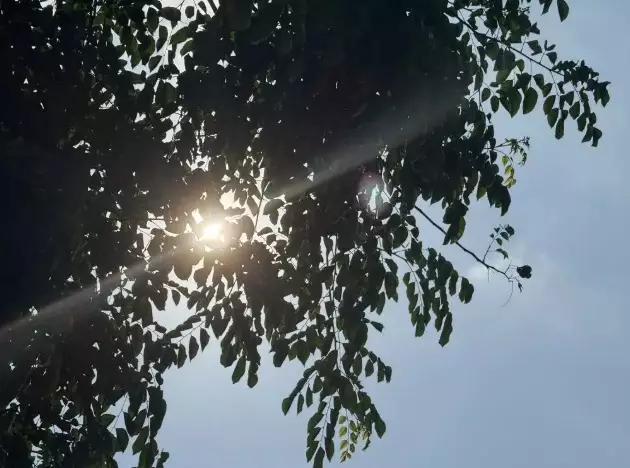
Hot weather in Hong Kong, Photo by Bastille Post

Hot weather in Hong Kong, Photo by Bastille Post

Recommended Articles