The United Nations on Friday called on the United States and Iran to return to meaningful negotiations to end their conflict through diplomacy, warning that the six-month-long conflict has inflicted devastating humanitarian and economic consequences far beyond the region.
Stephane Dujarric, spokesman for UN Secretary-General Antonio Guterres, made the remarks at a press briefing, responding to a question about the stalled diplomatic process between the United States and Iran.
"This is a sad marker of six months of this ongoing conflict. We again stress that the only solution to this is a diplomatic solution, and we urge both the United States and the Islamic Republic of Iran to engage in meaningful negotiations. We're very supportive of the efforts that we've seen by the mediators," he said.
The United Nations is very supportive of the mediation efforts of Qatar, Pakistan, Egypt, Saudi Arabia and Kuwait, Dujarric said, adding that the secretary-general has been very much staying in touch with them.
He cautioned that prolonging the diplomatic impasse would only deepen the suffering already endured by civilians and destabilize the global economy further.
"Devastating humanitarian and economic consequences of this conflict, notably for civilians in the region who at different times had been bombarded, who've had civilian infrastructure been destroyed, but as we've said here from this podium many times, also from the economic impact globally," he said.
Dujarric further noted that the fallout from the conflict has spilled well beyond the region, disrupting global food supplies, humanitarian aid deliveries and fertilizer shipments, pushing up energy prices, and taking a heavy toll on the world's least resilient economies.
Regarding the closely watched mechanism related to the Strait of Hormuz, Dujarric confirmed that a UN task force is still in consultations with relevant parties.
He added that while the framework could be rolled out relatively quickly on a technical level, its deployment still requires the approval of all countries concerned.
The United States and Israel launched military attacks against Iran on Feb 28. In retaliation, Iran attacked Israel and U.S. military bases in the Gulf.
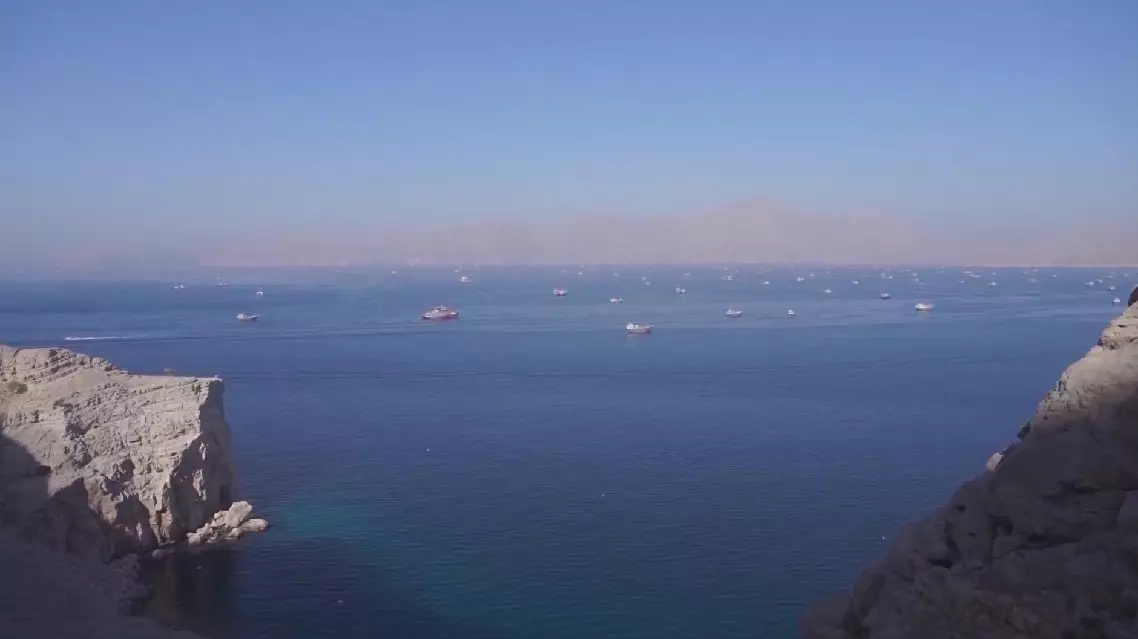
The Strait of Hormuz, a major maritime chokepoint for global energy trade, was largely blocked, severely disrupting the flow of oil and other commodities.
On June 18, the United States and Iran signed a memorandum of understanding, under which the two countries were scheduled to hold negotiations within 60 days to reach a final agreement. However, the fate of the talks remains unclear following renewed escalation between the two countries.
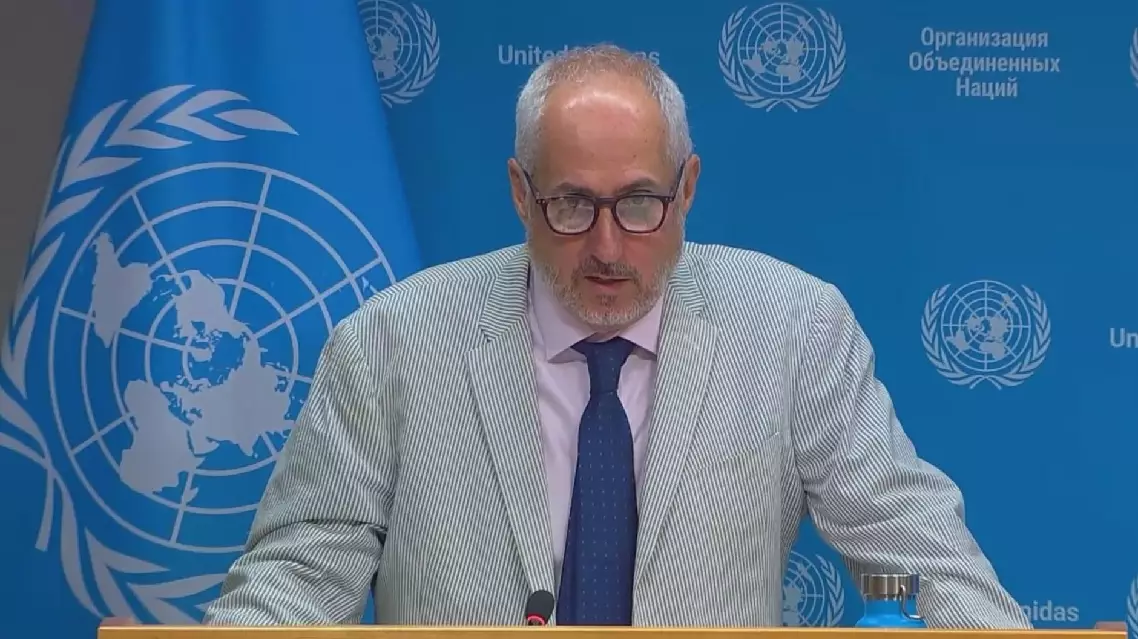
UN urges US, Iran to return to diplomacy