Environmental experts say that glacial disasters such as the one which led to the devastating mudslide at the China-Nepal border region are becoming more frequent and severe amid global warming, as they warn of grave consequences unless more action is taken to slow the pace of climate change.
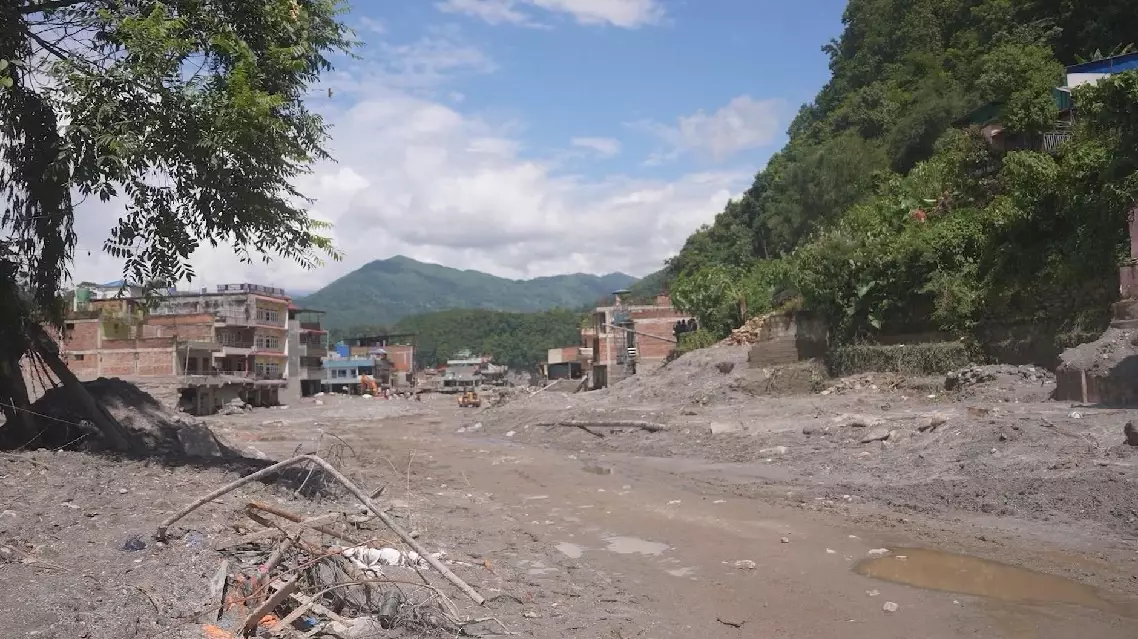
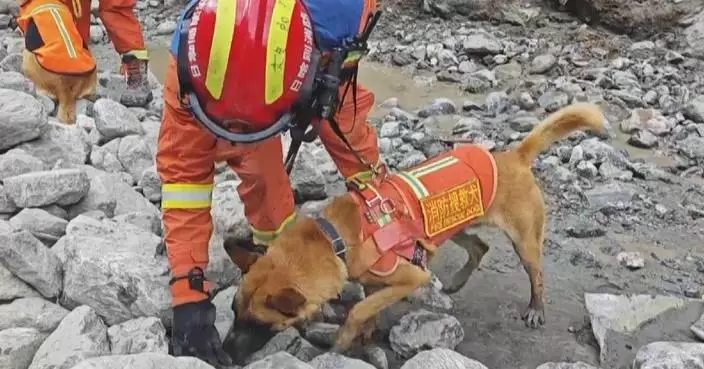
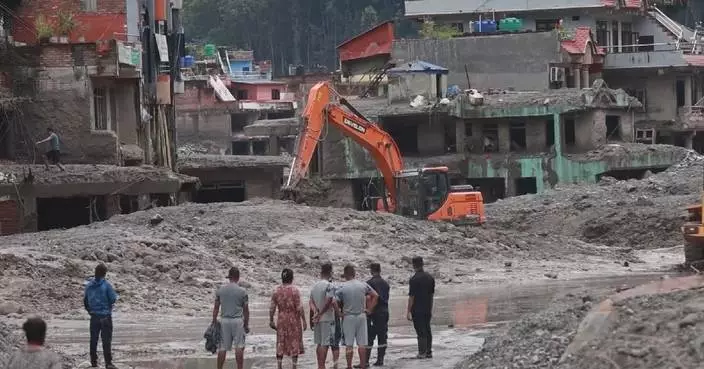
The mudslide struck the Gyirong Port, a major China-Nepal land border crossing in southwest China's Xizang Autonomous Region, on Wednesday morning. As of Sunday, at least 16 people had been confirmed dead while 546 others remained missing on the Chinese side, according to the latest official figures, while the death toll on the Nepalese side has risen to 794, authorities said.
Satellite imagery and analysis by Chinese geological experts suggest that a high-altitude glacier collapsed in Nepal, triggering the massive mudslide.
After the glacier collapsed, it was not just ice that came down. Vast amounts of ice and rock debris plunged down a mountain river channel, gathering mass and momentum as it moved downstream, according to experts.
"The slurry moves extremely fast. The ice reduces friction and helps lift and carry the debris, making the whole mass flow much faster. Once it enters the river, large amounts of meltwater add even more force, sending the flow downstream with destructive impacts," said Liu Qiao, a professor at the Institute of Mountain Hazards and Environment under the Chinese Academy of Sciences.
Aside from the Antarctic and the Arctic, the Qinghai-Tibet Plateau and its surrounding areas are the world's largest glacier-covered region, known as the "Third Pole" of the Earth.
Similar ice avalanches occurred on the plateau in 2016 and in India's mountain regions in 2021. According to scientists, against the backdrop of global warming, where more extreme weather events are being experienced, such glacial disasters on the "Third Pole" and its surrounding areas are becoming more frequent, more widespread and more destructive.
Glaciers are sensitive to temperature rises, with human-caused climate warming being the primary driver of the widespread glacial retreat observed globally since the 1990s.
Scientists say continued glacier melting will destabilize the glaciers themselves, make them more sensitive to external disturbances, and increase the frequency and intensify the severity of glacial disasters and their cascading hazard chains.
"More frequent glacial disasters are becoming harder to avoid. The key is to slow the pace of global warming. Cutting greenhouse gas emissions is the fundamental solution. But even then, some changes are already underway," said Xiao Cunde, a professor at the Institute of Atmospheric Sciences under the Fudan University in Shanghai.
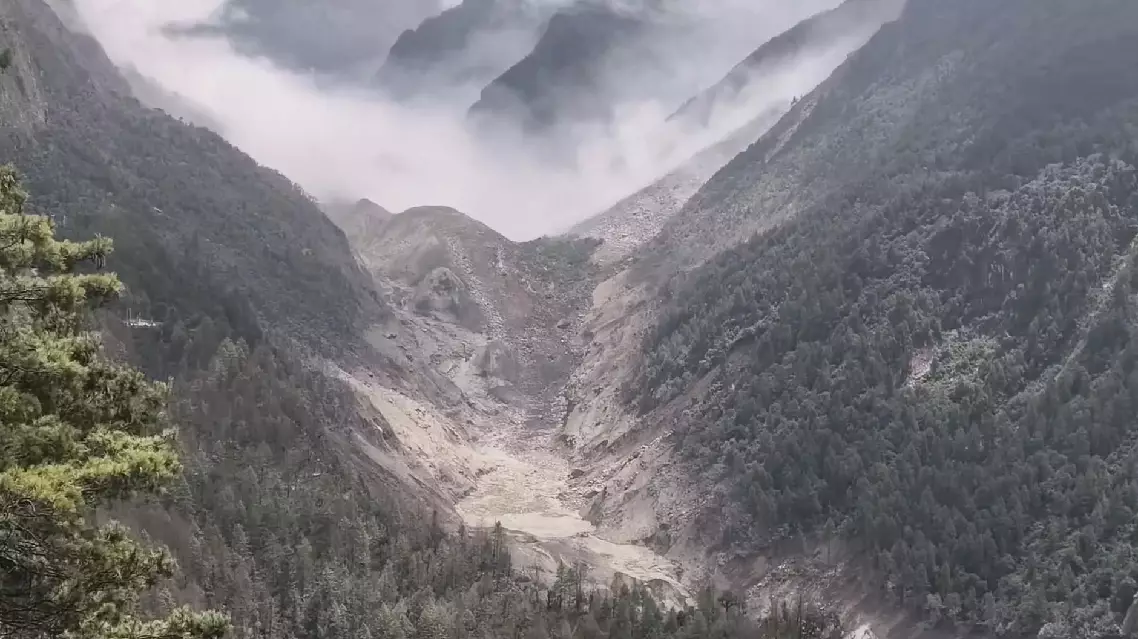
Glacial disasters becoming more frequent, severe amid global warming: experts