The joint interview delegation themed “Leveraging New Advantages to Align with the 15th Five-Year Plan” visited the University of Macau Advanced Research Institute in Hengqin (HUMRI) and iCarbonX to gain insights into scientific research and innovation in the Guangdong-Macao In-Depth Cooperation Zone in Hengqin.
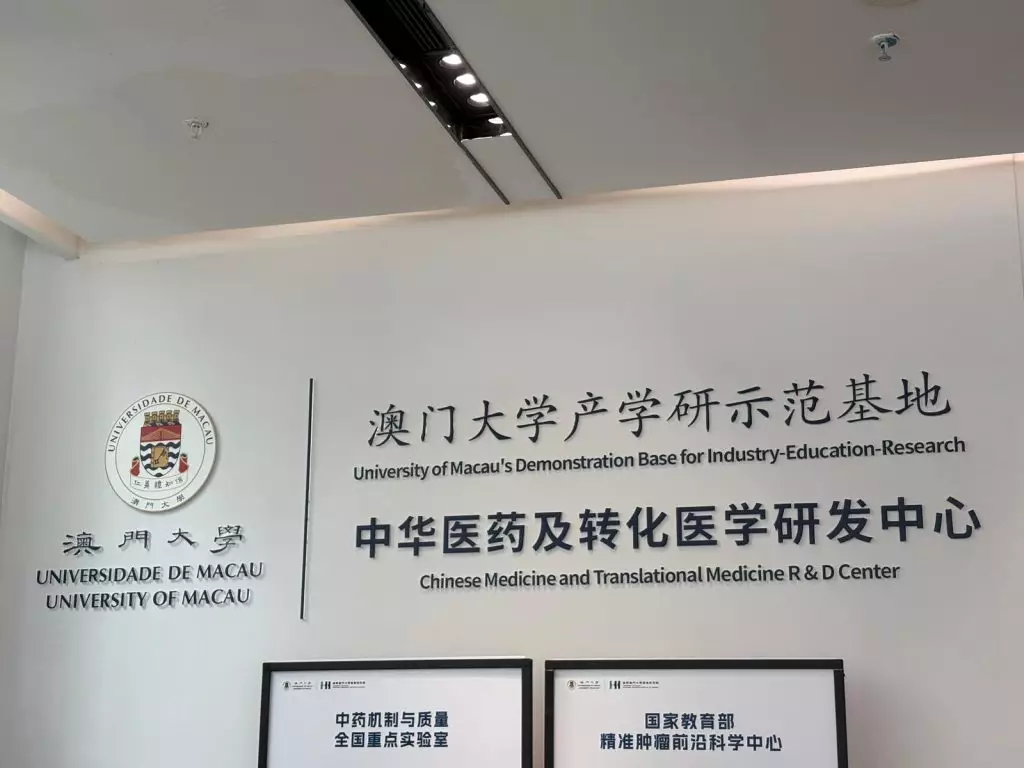
The University of Macau Advanced Research Institute in Hengqin (HUMRI), Photo by Bastille Post
HUMRI leverages the unique "30-minute cross-border research translation" advantage between Macau and Hengqin to drive industry-academia-research collaboration. iCarbonX, an intelligent technology company, partners with hospitals across the Greater Bay Area and Hong Kong, and is currently working with the Chinese University of Hong Kong on a neonatal food allergy clinical project exploring immunochip applications.
Click to Gallery
The University of Macau Advanced Research Institute in Hengqin (HUMRI), Photo by Bastille Post
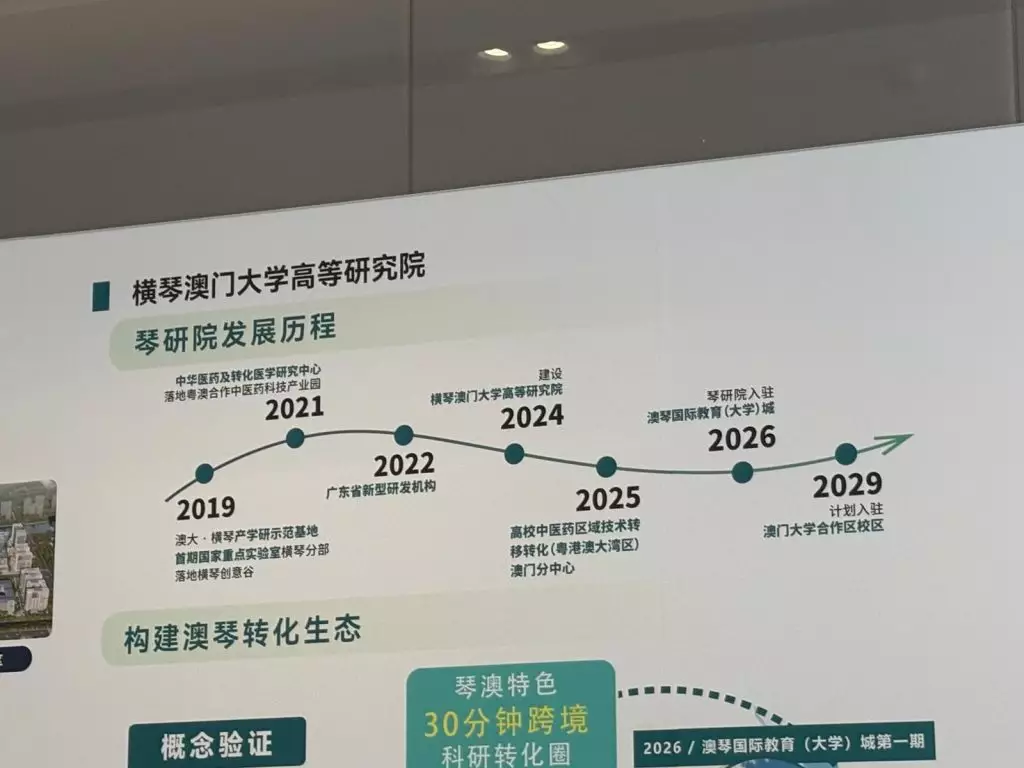
The development process of HUMRI, Photo by Bastille Post
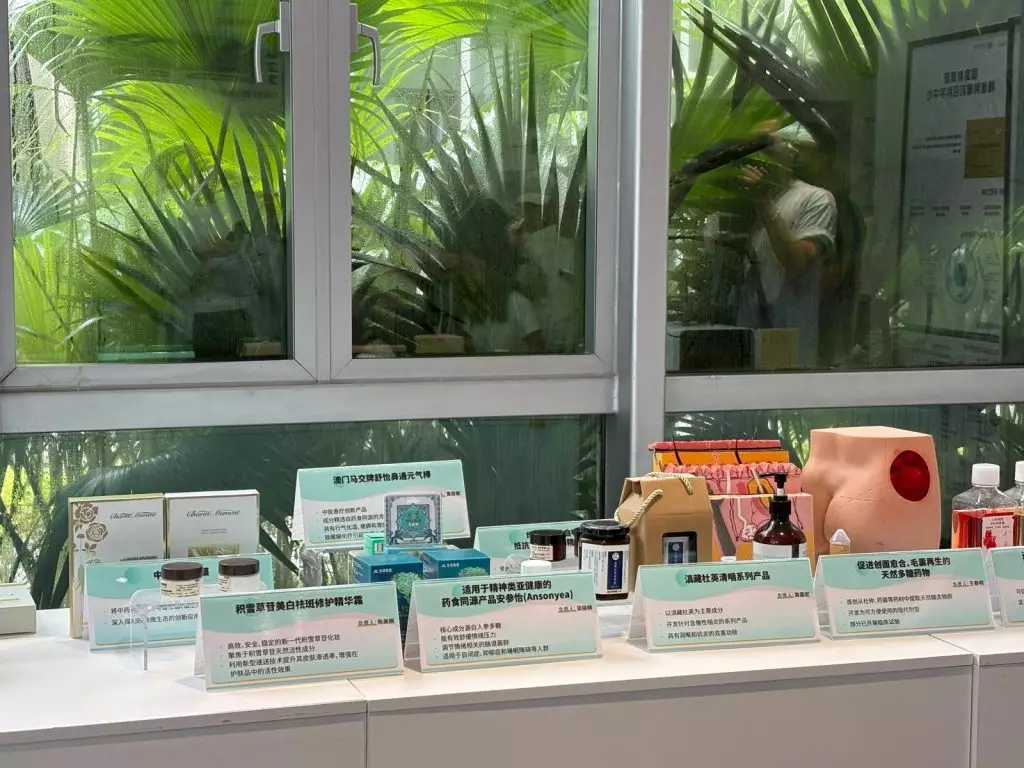
The products displayed at HUMRI, Photo by Bastille Post
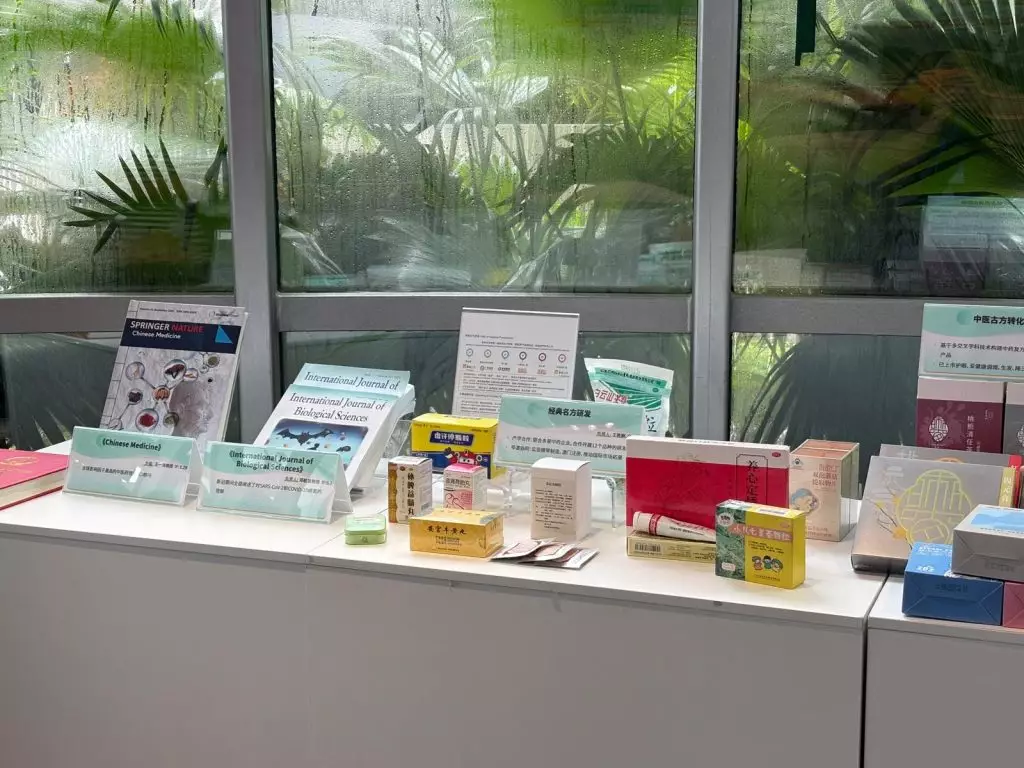
The products displayed at HUMRI, Photo by Bastille Post
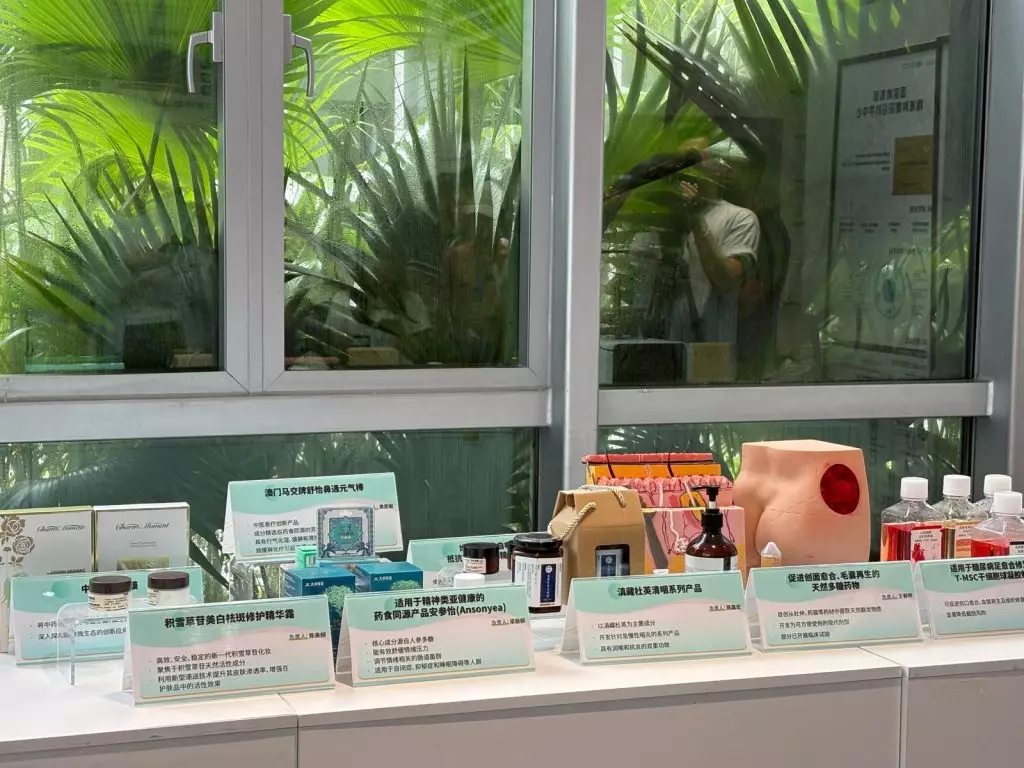
The products displayed at HUMRI, Photo by Bastille Post
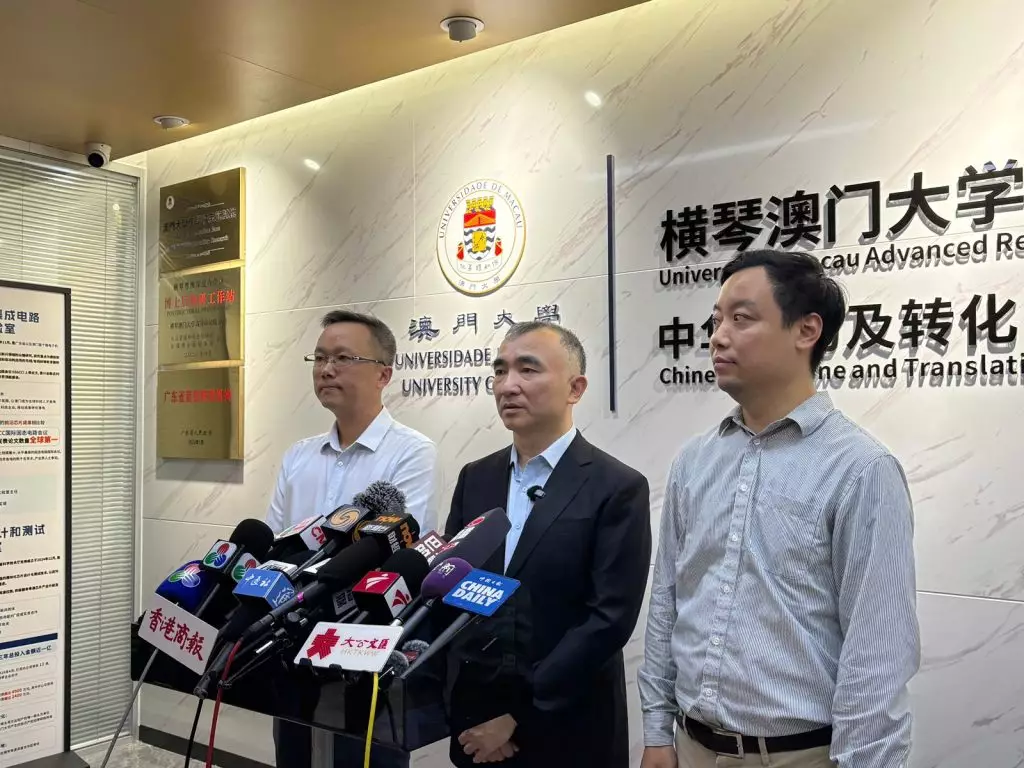
Prof. Chen Guokai from the University of Macau's Faculty of Medicine and Executive Deputy Director of HUMRI (center), Photo by Bastille Post
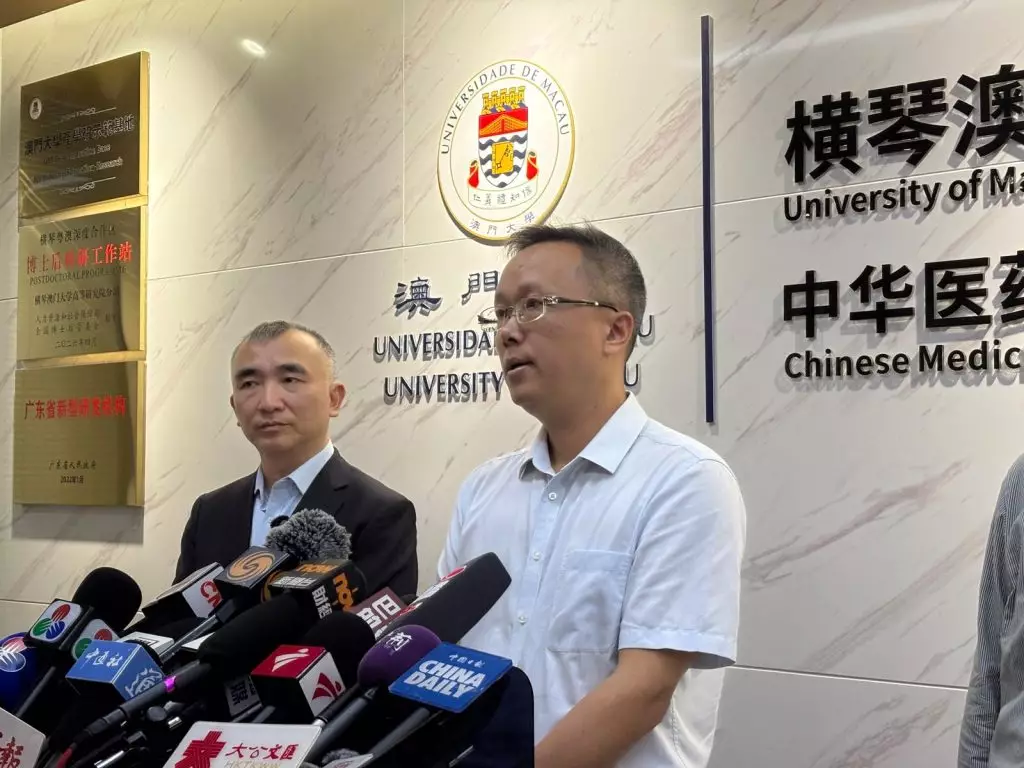
Prof. Li Peng from the University of Macau's State Key Laboratory of Mechanism and Quality of Chinese Medicine and Director of Macao Centre for Research and Development in Chinese Medicine, Photo by Bastille Post
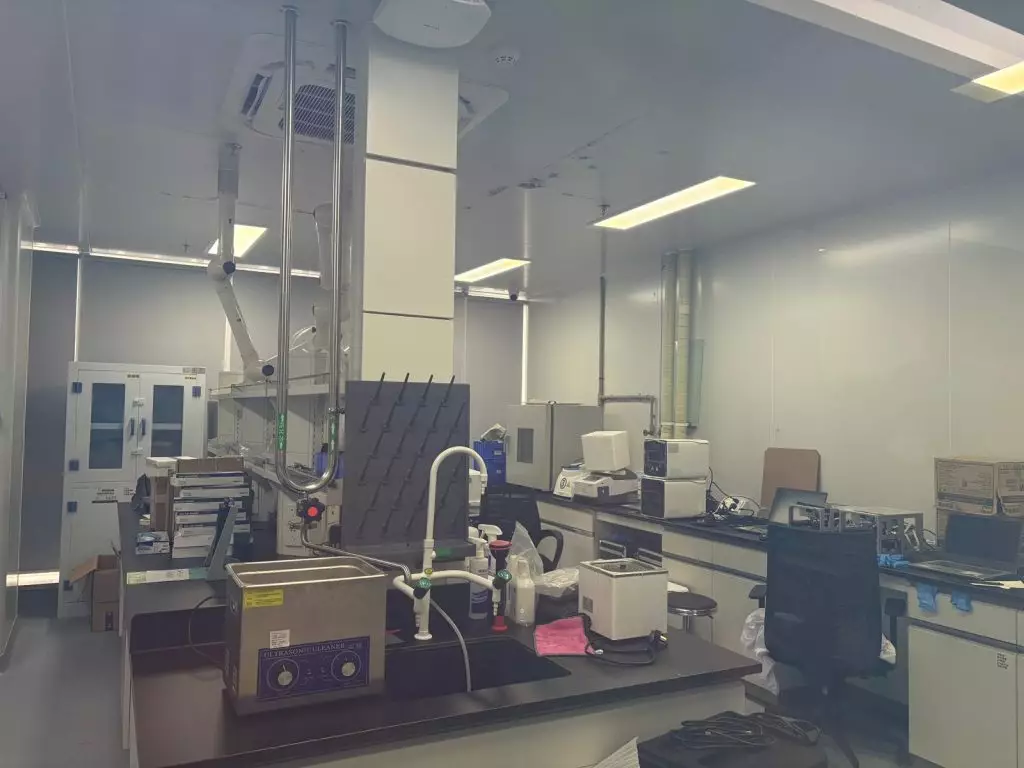
The University of Macau Advanced Research Institute in Hengqin (HUMRI), Photo by Bastille Post
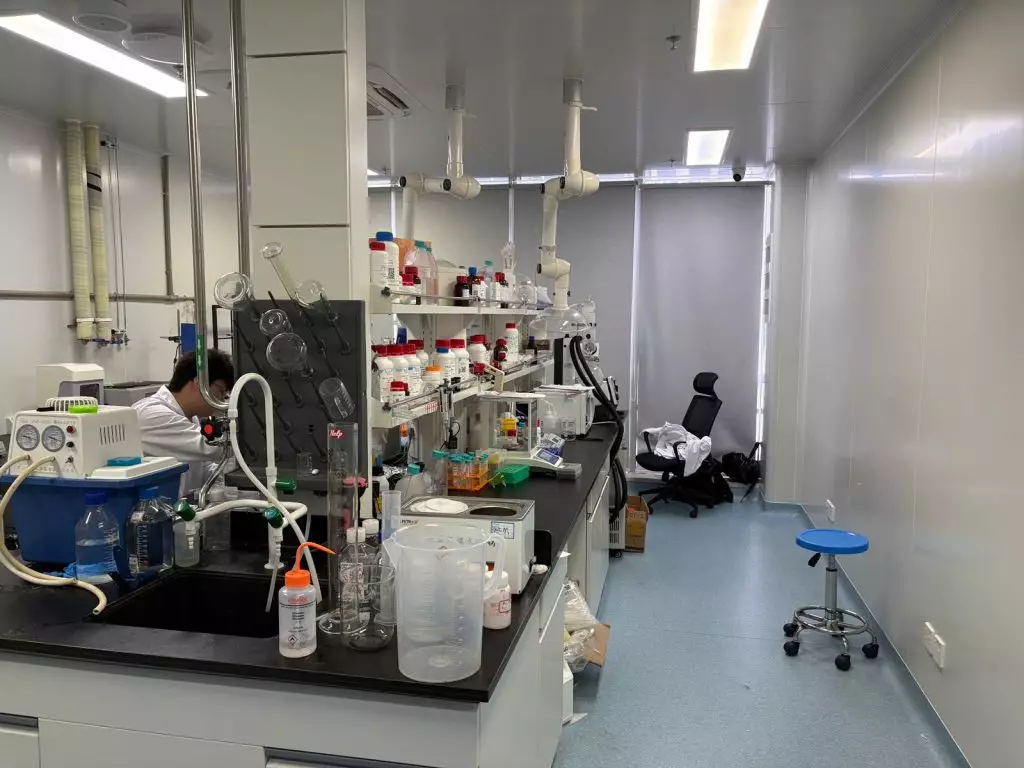
Photo by Bastille Post
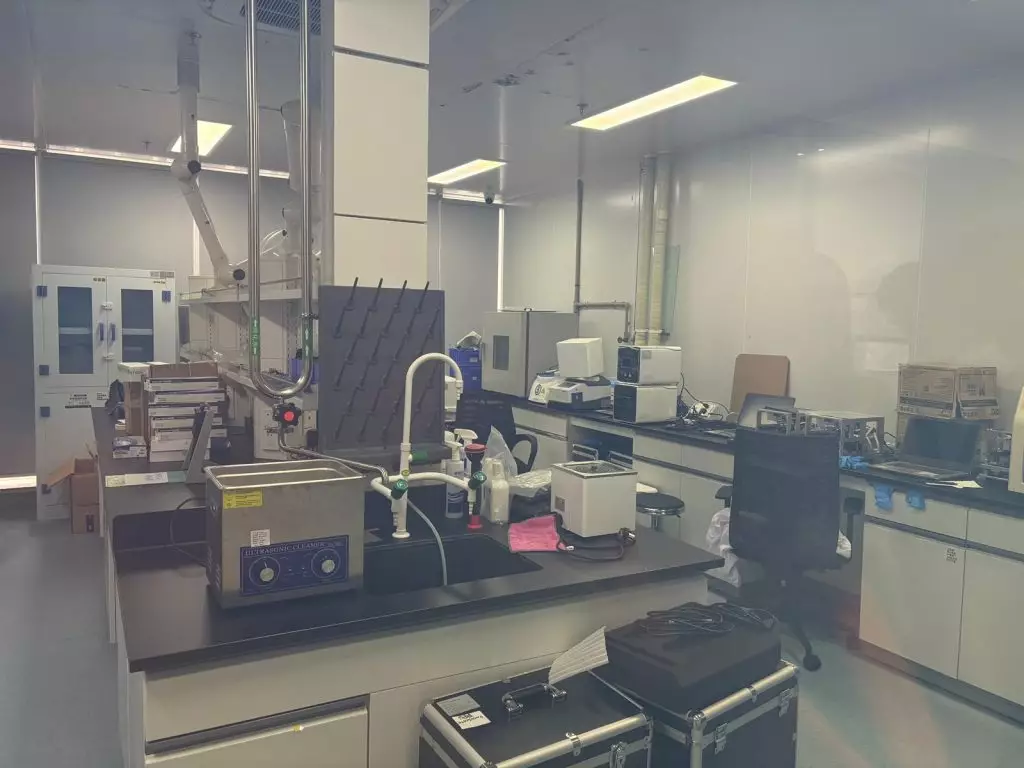
The University of Macau Advanced Research Institute in Hengqin (HUMRI), Photo by Bastille Post
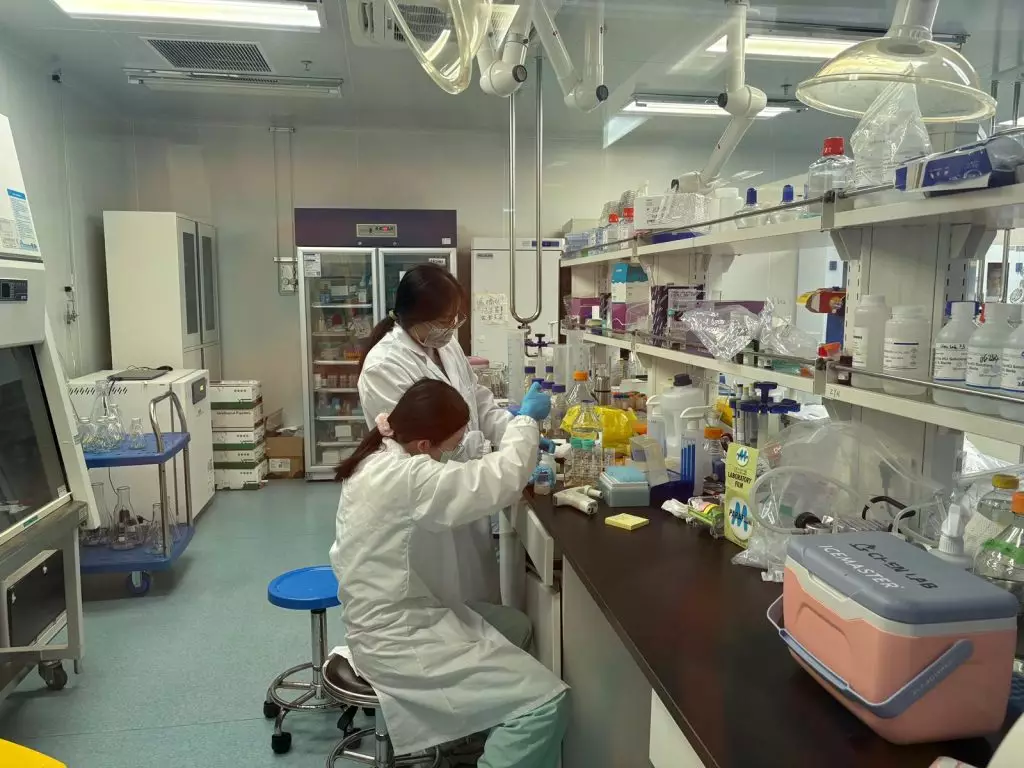
Photo by Bastille Post
iCarbonX, Photo by Bastille Post
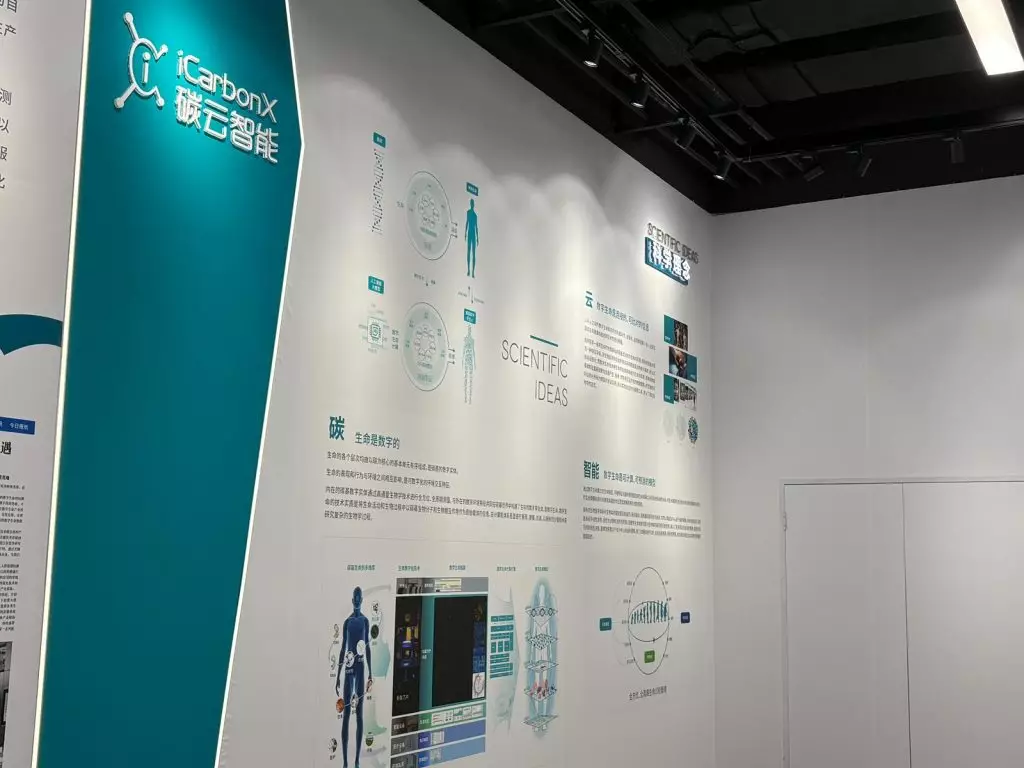
iCarbonX, Photo by Bastille Post
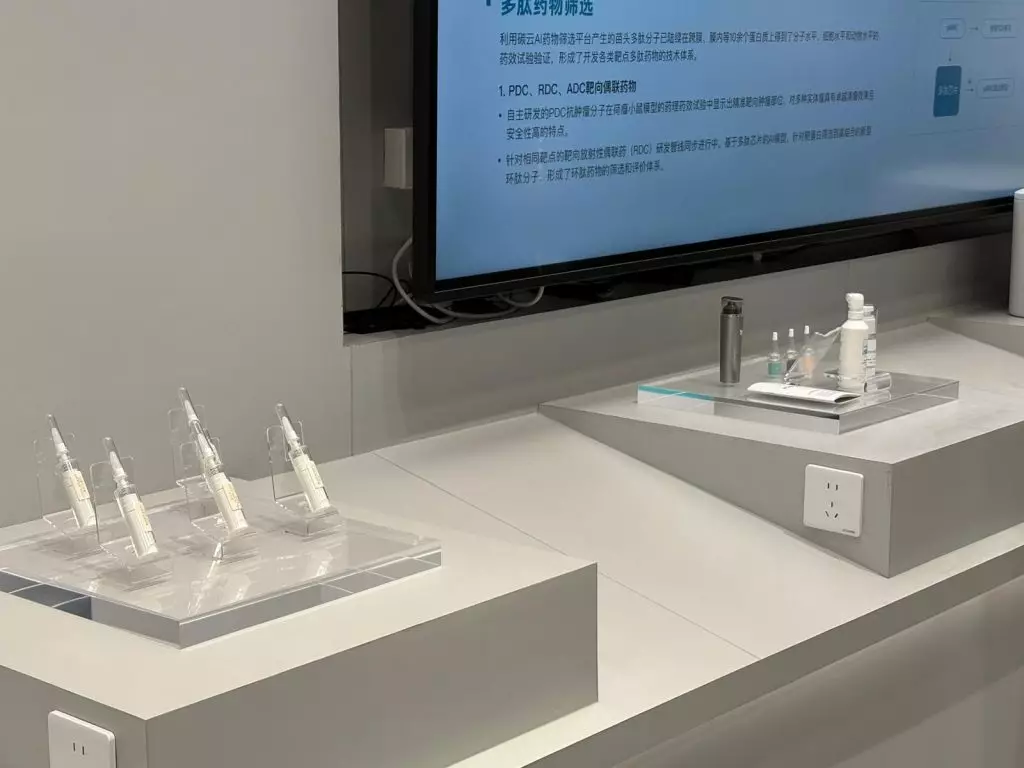
iCarbonX, Photo by Bastille Post
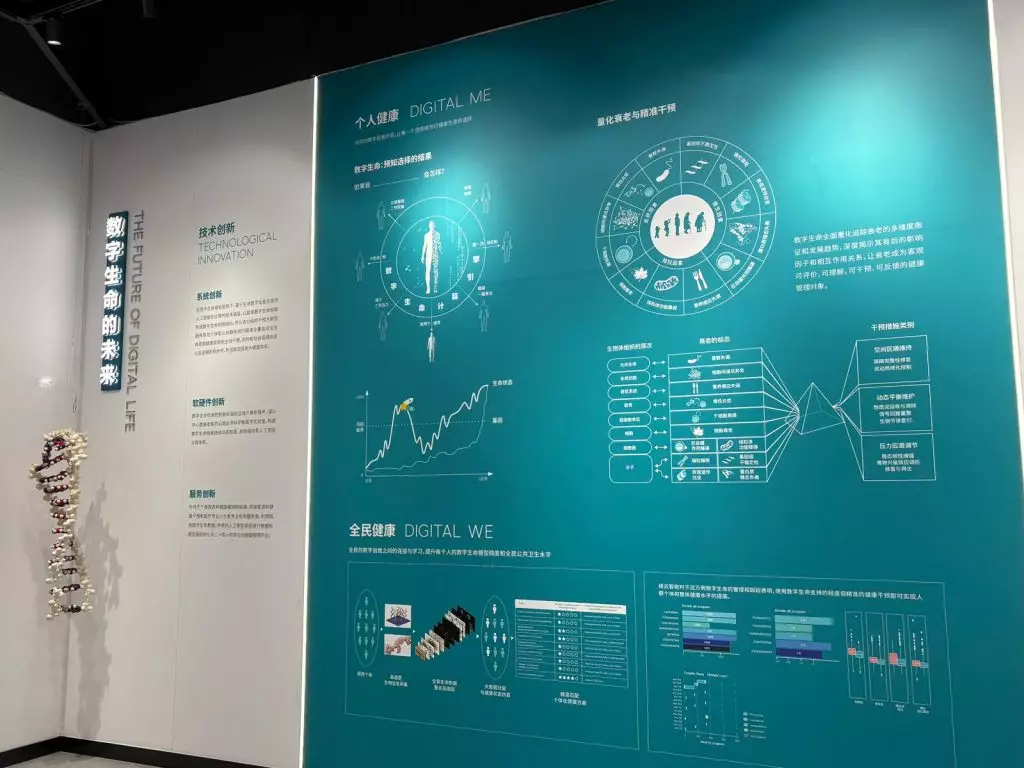
iCarbonX, Photo by Bastille Post
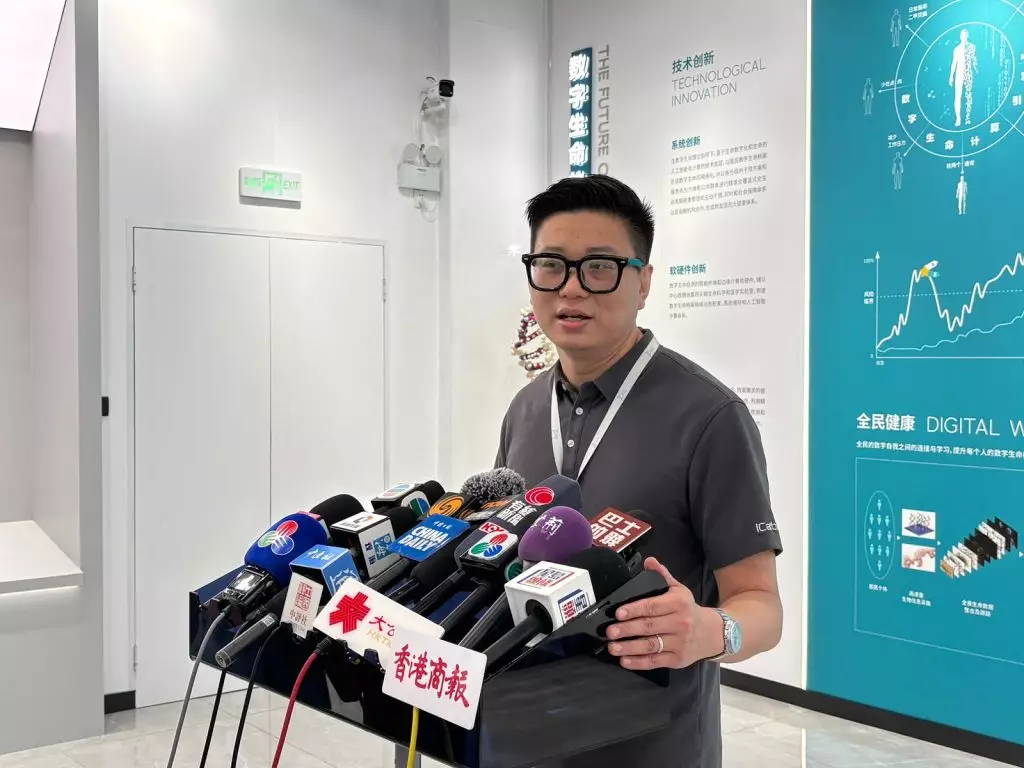
Wang Minkun, Product Owner at iCarbonX, Photo by Bastille Post
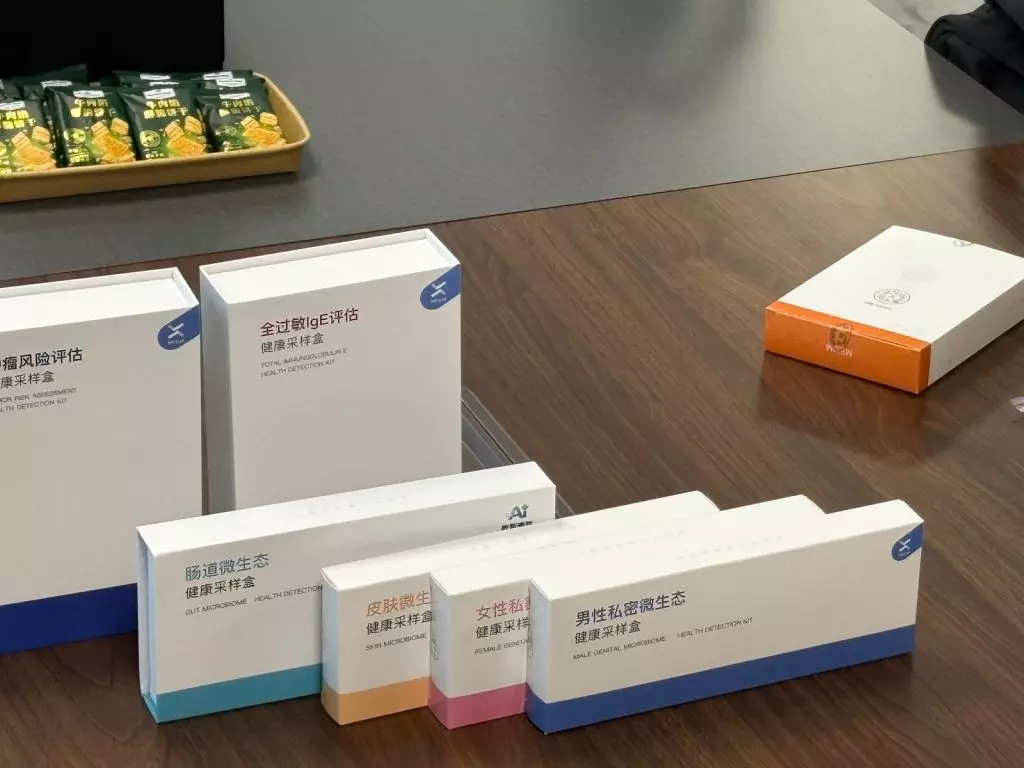
The self-sampling test kits developed by iCarbonX, Photo by Bastille Post
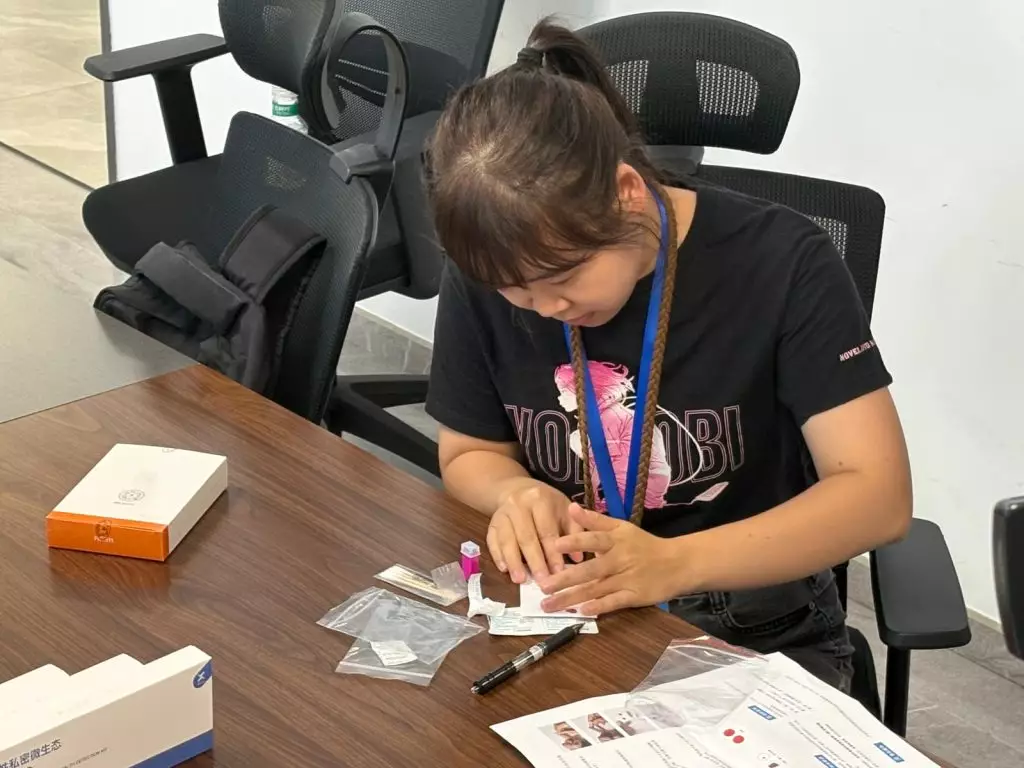
A member of the delegation tries out self-sampling test kits developed by iCarbonX. Photo by Bastille Post
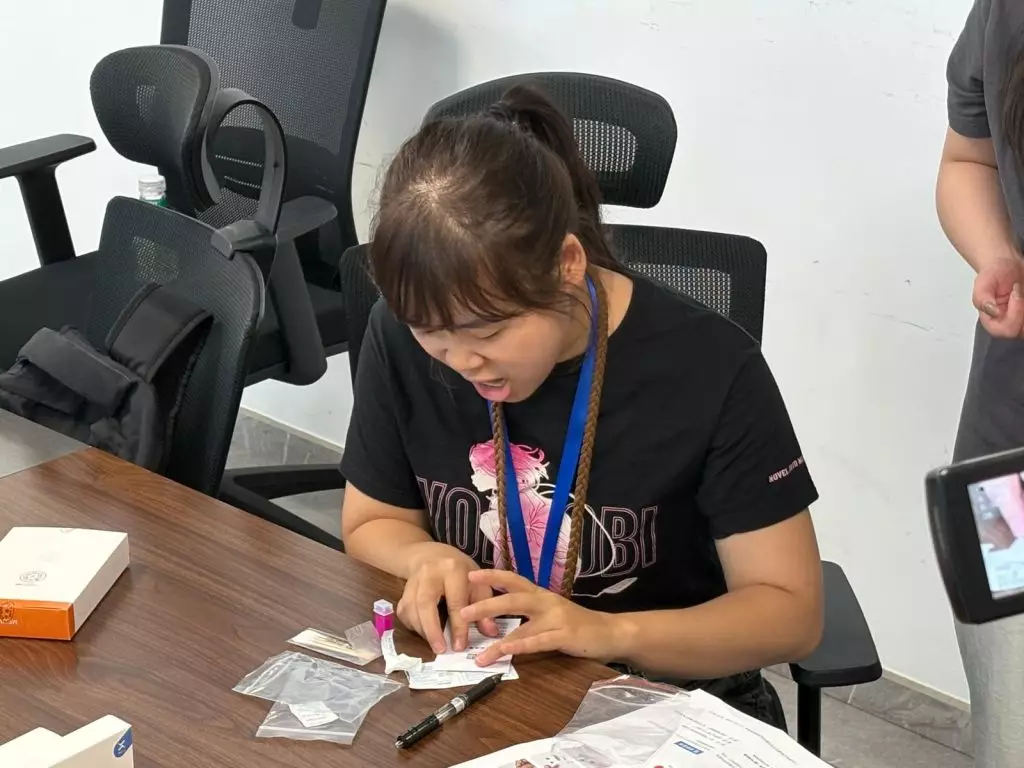
A member of the delegation tries out self-sampling test kits developed by iCarbonX. Photo by Bastille Post
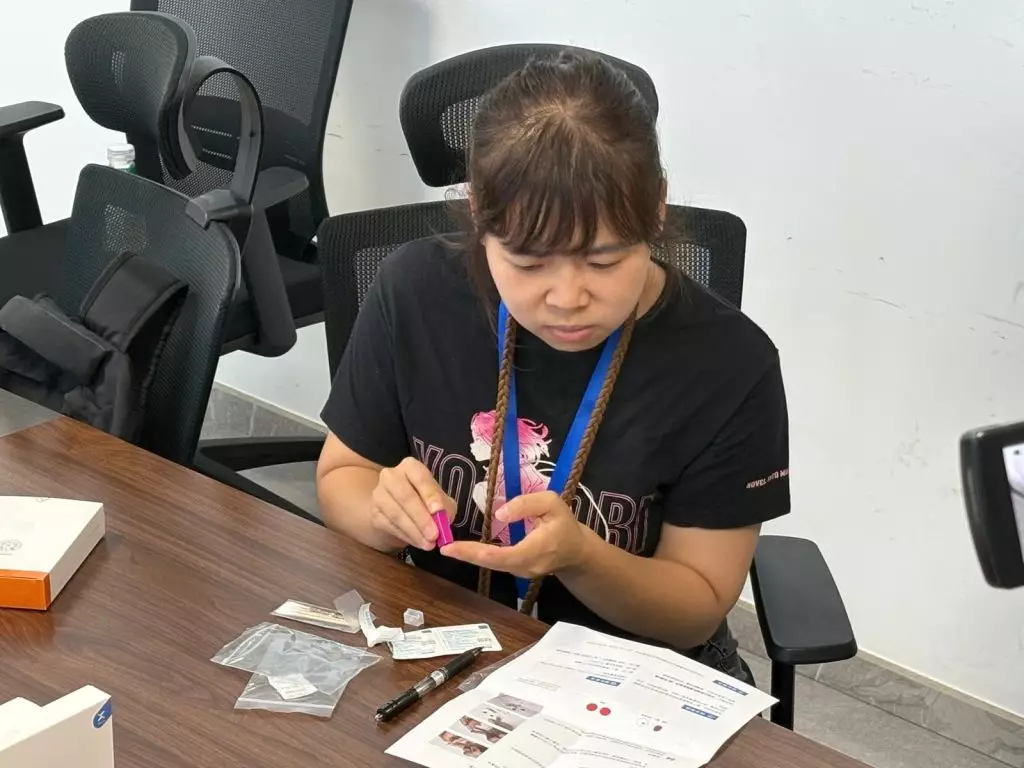
A member of the delegation tries out self-sampling test kits developed by iCarbonX. Photo by Bastille Post
The development process of HUMRI, Photo by Bastille Post
The products displayed at HUMRI, Photo by Bastille Post
The products displayed at HUMRI, Photo by Bastille Post
The products displayed at HUMRI, Photo by Bastille Post
HUMRI has been deeply engaged in industry-academia-research translation for years. Relying on the distinctive "30-minute cross-border research translation" advantage of Macau and Hengqin, it has built an integrated R&D translation platform that deeply combines research, translation, investment, and incubation.
Prof. Chen Guokai from the University of Macau's Faculty of Medicine and Executive Deputy Director of HUMRI (center), Photo by Bastille Post
Prof. Chen Guokai from the University of Macau's Faculty of Medicine and Executive Deputy Director of HUMRI, said that Macau and Hengqin have formed a relay-style collaborative relationship of "Macau R&D, Hengqin manufacturing translation". Under the "30-minute cross-border research translation" model, the drive from the Macau office to the Hengqin laboratory takes no more than half an hour. Cross-border commuting between campuses turns "remote R&D" into "city-based collaboration," enabling rapid aggregation of enterprises and researchers.
Prof. Li Peng from the University of Macau's State Key Laboratory of Mechanism and Quality of Chinese Medicine and Director of Macao Centre for Research and Development in Chinese Medicine, Photo by Bastille Post
Prof. Li Peng from the University of Macau's State Key Laboratory of Mechanism and Quality of Chinese Medicine and Director of Macao Centre for Research and Development in Chinese Medicine, noted that HUMRI also maintains close cooperation with the Chinese University of Hong Kong and the Centre for Chinese Medicine R & D. The collaboration with Hong Kong focuses on early-stage basic research, such as jointly applying for new drug approval with the U.S. Food and Drug Administration. In this setup, the Macau side handles quality standards and mechanism-of-action research, while the Hong Kong side focuses on clinical data accumulation and validation.
The University of Macau Advanced Research Institute in Hengqin (HUMRI), Photo by Bastille Post
Photo by Bastille Post
Li Peng also revealed that HUMRI anticipates future collaboration with the Chinese Medicine Hospital of Hong Kong in areas such as clinical resources and medical equipment planning.
The University of Macau Advanced Research Institute in Hengqin (HUMRI), Photo by Bastille Post
Photo by Bastille Post
iCarbonX, based in Hengqin, is a technology company in the digital life sciences field. In recent years, it has been building digital life detection and digital life computing technologies. Leveraging Hengqin's industrial translation conditions, the company has jointly established a digital life joint laboratory with the Macau University of Science and Technology, forming a collaborative mechanism that spans scientific research cooperation to technology transfer.
iCarbonX, Photo by Bastille Post
iCarbonX, Photo by Bastille Post
iCarbonX, Photo by Bastille Post
iCarbonX, Photo by Bastille Post
Wang Minkun, Product Owner at iCarbonX, said the company's digital life sciences technology is positioned as a global initiative benefiting all of humanity and is being simultaneously implemented in the Chinese Mainland, Hong Kong, and Macau. He noted that the company views the Hong Kong and Macau markets as key bridgeheads for education, scientific research, and internationalisation.
Wang Minkun, Product Owner at iCarbonX, Photo by Bastille Post
iCarbonX has partnered with leading hospitals in the Greater Bay Area and hospitals in Hong Kong. Wang Minkun revealed that the company is currently collaborating with the Chinese University of Hong Kong and other Hong Kong hospitals on a clinical project targeting neonatal food allergies, using immunochips to simultaneously detect IgE (allergy) and IgG (intolerance) antibodies.
The self-sampling test kits developed by iCarbonX, Photo by Bastille Post
A member of the delegation tries out self-sampling test kits developed by iCarbonX. Photo by Bastille Post
A member of the delegation tries out self-sampling test kits developed by iCarbonX. Photo by Bastille Post
A member of the delegation tries out self-sampling test kits developed by iCarbonX. Photo by Bastille Post
"A tiny chip can capture 4,000 allergen antibodies and trace them back to the food source," Wang Minkun said. "Hong Kong is also an important pilot market for us. Once this niche market demand is validated, we will quickly launch corresponding products internationally."