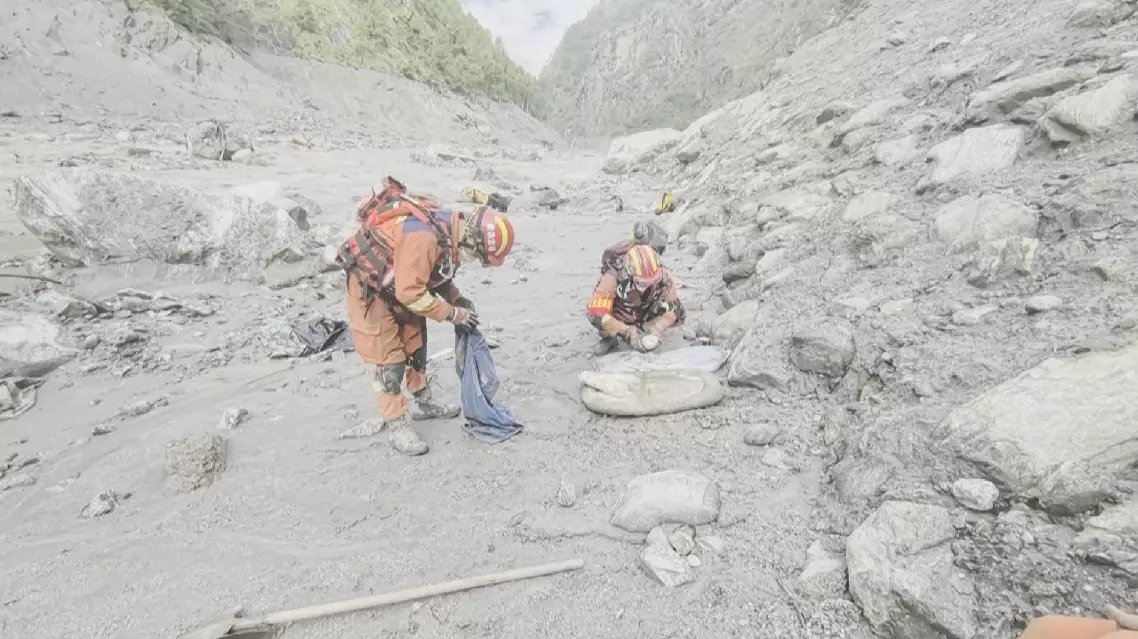
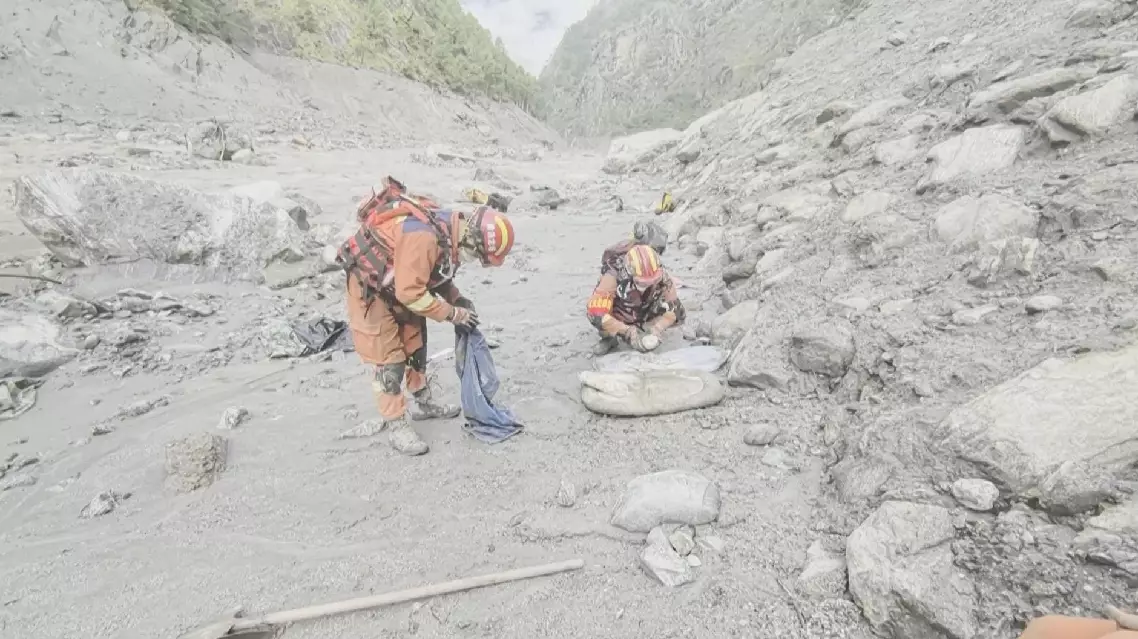
More rescue teams and relief supplies have been rushed to the hardest-hit area after a devastating mudslide, triggered by an ice-rock avalanche in Nepal, hit the border port of Gyirong in southwest China's Xizang Autonomous Region.
The disaster, which occurred on Aug 26, has killed 16 people and left 546 others missing as of 18:00 Saturday, according to a press conference held by the information office of the regional government on Sunday.
At a State Council executive meeting on Monday, Chinese Premier Li Qiang urged all-out efforts to search for the missing and called for the coordinated deployment of all available rescue forces.
He stressed the need to strengthen monitoring and early warning systems to prevent secondary disasters, and called for proper follow-up arrangements, including enhanced humanitarian care for families of the deceased and missing, as well as compensation and relief assistance.
Li also emphasized the importance of international coordination and the timely release of authoritative information to address public concerns.
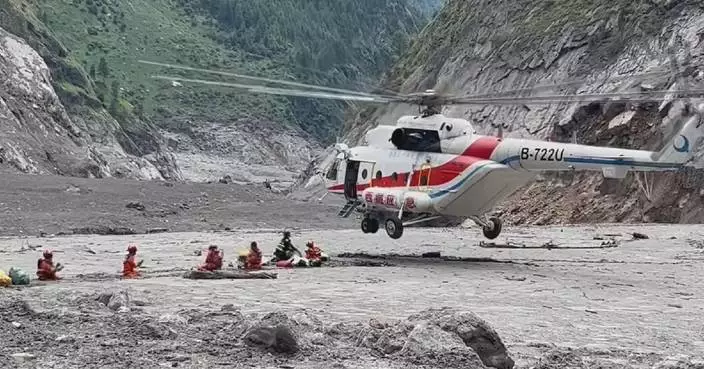
At the hardest-hit area of Gyirong Port, high-altitude emergency rescue helicopters were dispatched in multiple waves on Monday to transport rescue personnel, including firefighters, police officers, and health and epidemic prevention teams, along with equipment and supplies for further search operations.
On the G216 national highway, the main route leading to the port, road clearance crews have pushed into the final bend of the damaged section, advancing to within about one kilometer of the hardest-hit area as of 17:00 on Monday.
Communication signals at Gyirong Port have been restored to support rescue and relief coordination.
A preliminary risk assessment of the mudslide zone has identified eight high-risk geological hazard points, and relevant authorities are conducting follow-up monitoring.
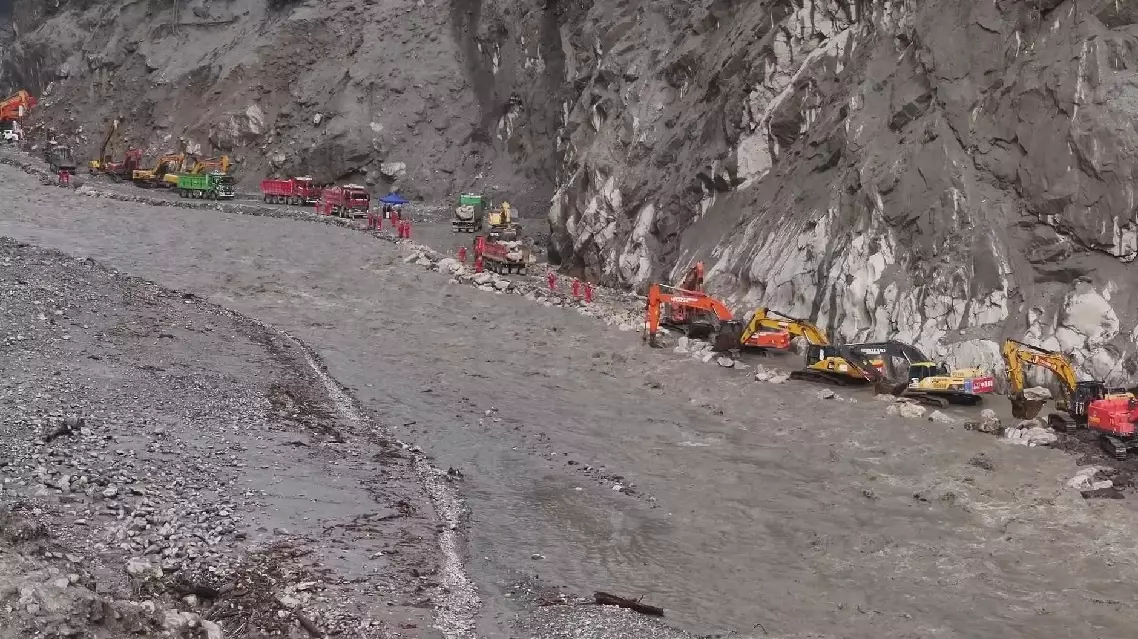
More rescuers, supplies sent to mudslide-hit area in Xizang