A 17-year-old North Carolina girl who recorded a livestream of a shooting that killed three people at a San Diego mosque and disseminated the attackers’ white-supremacist writings has been charged with murder by aiding and abetting, a district attorney said Monday.
Forsyth County District Attorney Jim O’Neill said at a news conference in Winston-Salem that the girl, identified in court records as Sarah Lindsey Santiago, was arrested last week. A grand jury indicted her on three counts of murder and one count of conspiracy Monday.
Santiago’s attorney did not immediately return a message from The Associated Press seeking comment Monday.
Under North Carolina law, the aiding-and-abetting charges carry the same penalties as if the girl had committed the attack herself, O'Neill said. According to the indictment, Santiago agreed prior to the attack that she would record the livestream, distribute it and release a document written by the attackers. She carried out those tasks, it said, and she purchased a patch bearing a white-supremacist symbol and sent it to one of the gunmen to wear during the attack.
“The individual here, locally, was the person who was recording the livestream," O'Neill said. “She disseminated that information and she published their manifesto.”
Cain Clark, 17, and Caleb Vazquez, 18, stormed the Islamic Center on May 18 before being driven back outside by a security guard who exchanged gunfire with them as he initiated a lockdown, helping to protect 140 children who were just steps away.
The pair killed the guard, Amin Abdullah, and two other men before taking their own lives in a vehicle nearby. They left behind rambling writings full of vitriol against a wide range of people, and cited the shooter who killed 51 people at two mosques in Christchurch, New Zealand, in 2019, as one of their models for their violence.
The two also planned subsequent attacks on two other targets: a Jewish temple and a predominantly Black high school, O'Neill said. He credited the guard and other victims at the mosque with having saved countless lives.
The attackers' writings cited a range of far-right ideological inspirations, including the notion that white people are being replaced by other populations, and detailed their motives and goals. They included hateful rhetoric toward Jewish people, Muslims and Islam, as well as the LGBTQ+ community, Black people, women, and the political left and right.
They indicated they were trying to accelerate the collapse of society. Vazquez wrote of having “some mental health issues” and being rejected by women.
In a written statement, the Vazquez family said Caleb Vazquez was on the autism spectrum and had grown to resent parts of his identity. The family said they believed that, combined with exposure to hateful rhetoric online, contributed to his radicalization.
Johnson reported from Seattle. Associated Press writer John Raby in Charleston, West Virginia, contributed.
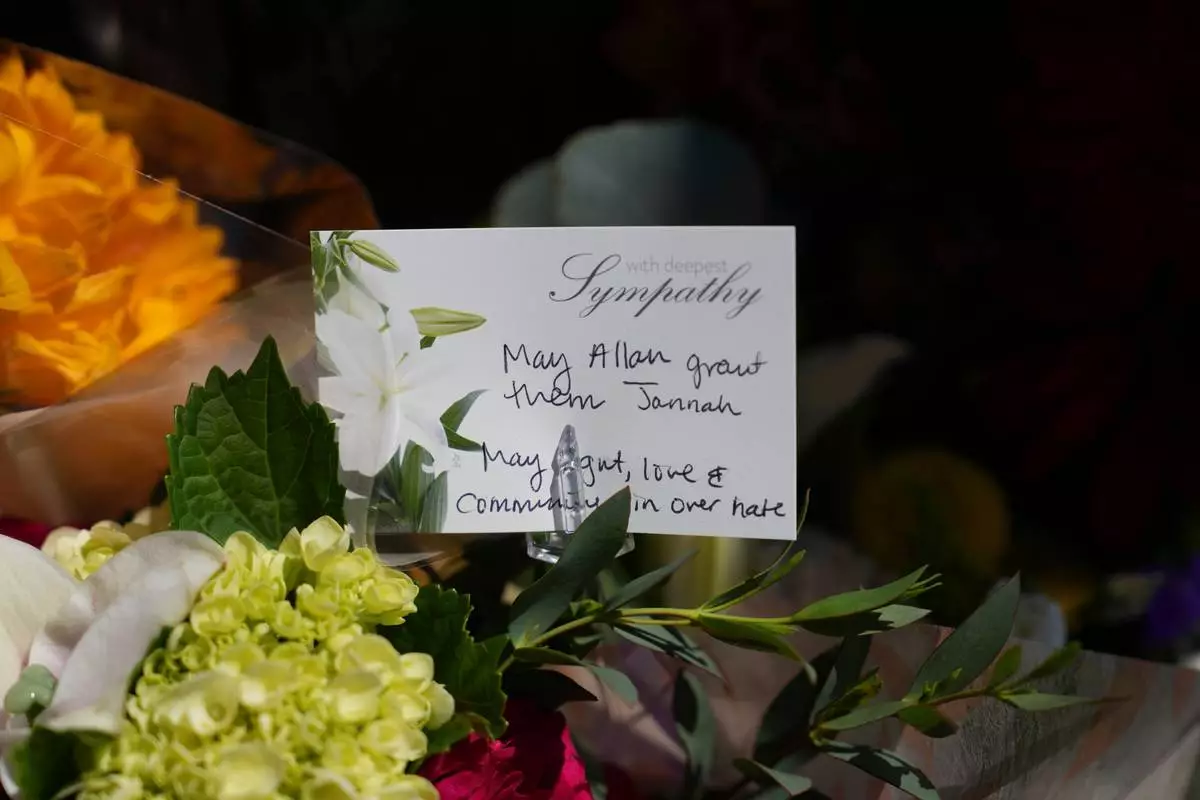
FILE - A note attached to flowers is placed outside of the Islamic Center of San Diego, the day after a shooting, May 19, 2026, in San Diego. (AP Photo/Jae C. Hong, File)
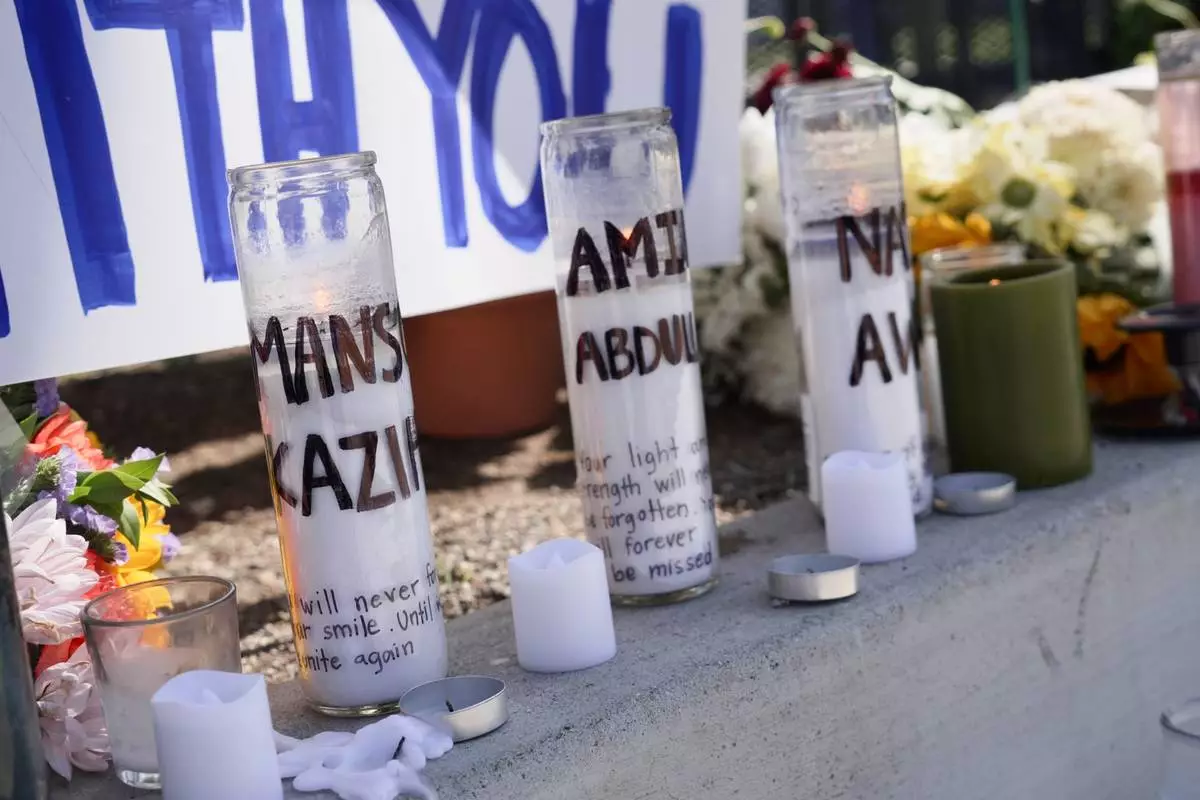
FILE - Candles with victim's names written on them are placed outside the Islamic Center of San Diego, in the aftermath of a shooting, on May 20, 2026, in San Diego. (AP Photo/Ty ONeil, File)
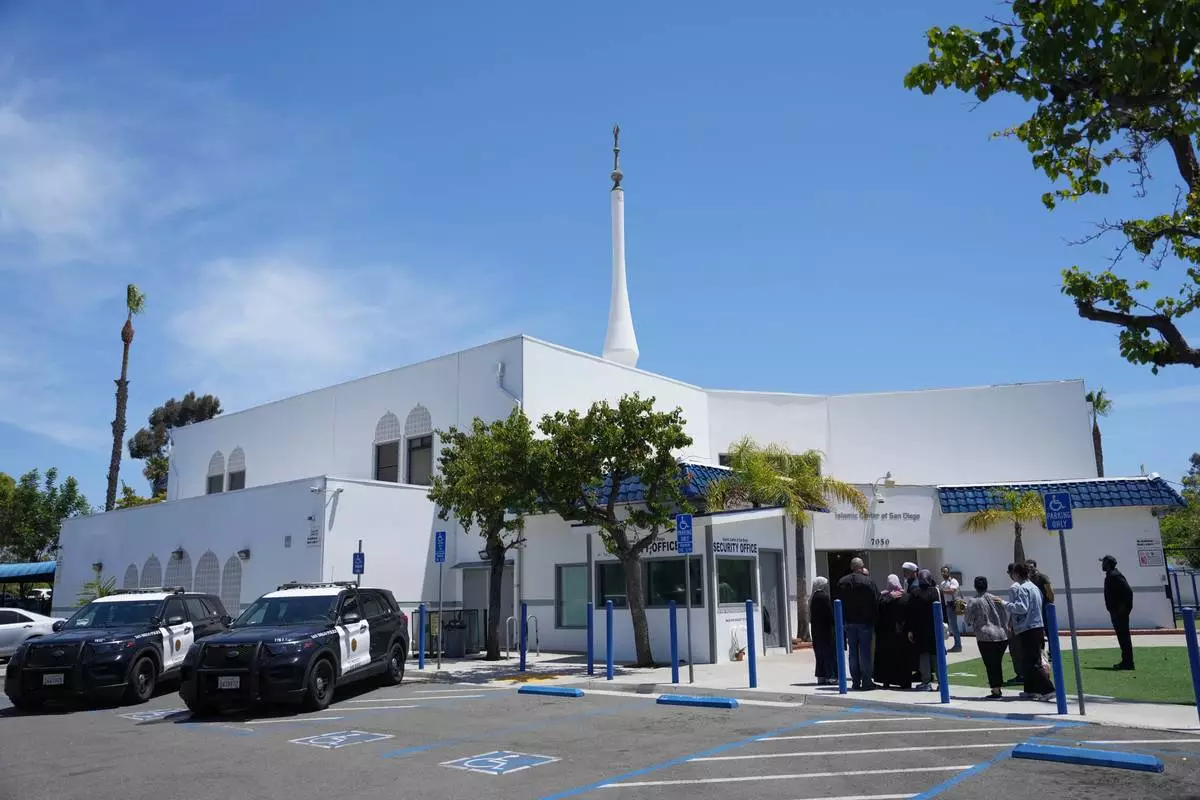
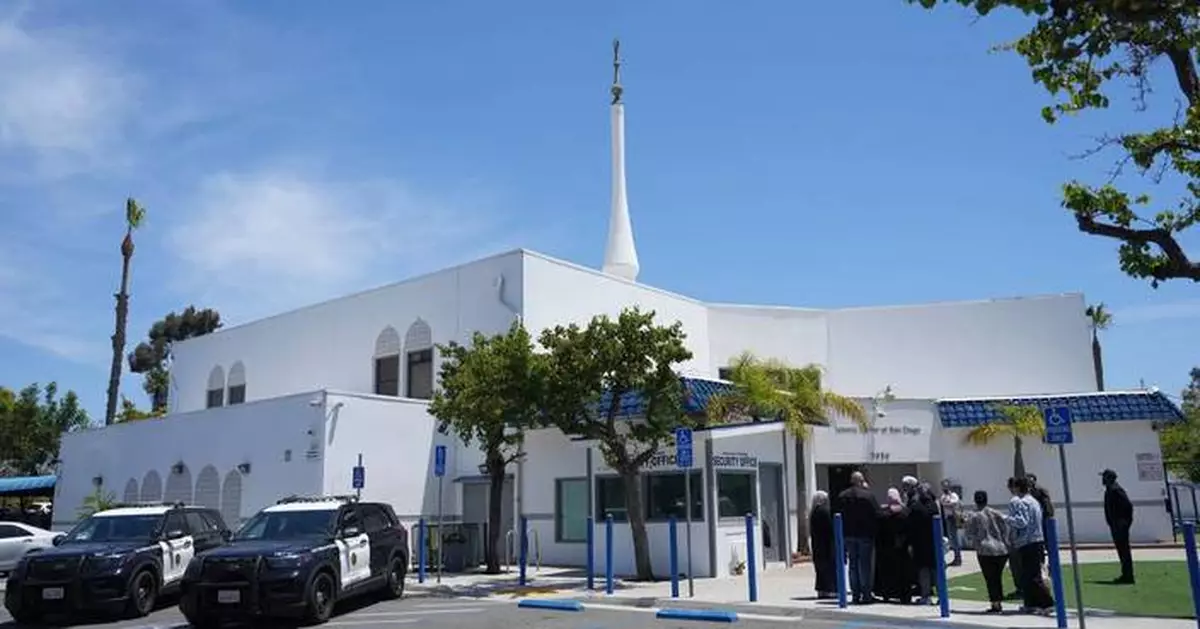
FILE - People gather as police vehicles are parked outside of the Islamic Center of San Diego, the day after a shooting, May 19, 2026, in San Diego. (AP Photo/Jae C. Hong, File)
GRAND CANYON NATIONAL PARK, Ariz. (AP) — Family members identified a hiker killed in weekend flooding in the Grand Canyon as a Texas chiropractor and said two other men who went on their dream trip remain missing.
John Giusti and his friends planned to spend two nights at the bottom of the canyon fishing and exploring. They spoke to their families Thursday and found their campsite Friday. They have not been heard from since, the three families said in a joint statement released Monday.
Searchers on the air and ground continue to look for Brent Rosenkranz and Timothy Smith, their families said.
THIS IS A BREAKING NEWS UPDATE. AP’s earlier story follows below.
GRAND CANYON NATIONAL PARK, Ariz. (AP) —
Rescue crews looking for missing people have found at least two bodies since a major flash flood swept through the Grand Canyon, and forecasters warned Monday that more flooding was possible as heavy rain shrouded the canyon walls.
Saturday's flash flood severely damaged the only water pipeline into the canyon. Officials barred tourists from staying at lodges and hotels inside Grand Canyon National Park and issued emergency water restrictions for year-round residents.
At least two people have been found dead. More than a dozen others are missing following waves of rain in the Bright Angel Creek area of the tourist destination that hosts 4.4 million visitors a year.
The flood happened deep in the canyon near where the Colorado River flows, around popular lodges and camping areas where people hiking from one rim of the Grand Canyon to the other stop for the night.
Scores of visitors had to be evacuated from the area by helicopter. They talked of a massive deluge and rangers warning of rockslides, and saw huge pools of logs and debris rolling down the river as they stood nearby awaiting rescue.
Hiker Daniel Evans said it rained several times before the worst 30-minute downpour Saturday afternoon. He had been planning to rest through the hot day and spend the night near the hard-hit Bright Angel campground area.
Earlier, rangers told him it looked to be safe. Then, as the rain poured, they told him it was time to go. He thought of Nepal and the massive floods and landslides that poured down mountain valleys last week.
“The entire time it was raining — the entire time I’m going through all this and packing — I’m just keeping my eyes upstream, just praying that a wall of water isn’t coming toward us,” Evans said.
The body of a 46-year-old man was recovered Sunday evening near Crystal Rapids along the Colorado River, the National Park Service said without providing details. Crews Monday were trying to recover a second body, park officials said in an email that provided no other details.
More than a dozen people remained missing and officials urged anyone who was in the park when the flood happened to contact park rangers or anyone else to let them know they are OK.
Late Monday morning more rain fell as the state Department of Emergency and Military Affairs was coordinating with the park service and county emergency management officials in search and recovery efforts.
Visiting the Grand Canyon can be particularly dangerous in the summer because of the risk of flash flooding that accompanies the monsoon, or rainy season. Clear days can quickly give way to thunderstorms and downpours. Forecasters warned more flooding could happen Monday or just about any time storms pop up.
Rain also fell on part of the Dragon Bravo fire scar, a burn area left by a lightning-caused wildfire in July 2025. It burned for days before exploding into a fast-moving conflagration that forced evacuations and consumed the historic Grand Canyon Lodge, some cabins and other structures.
Without vegetation, a barren burn scar allows runoff to flow more quickly.
The steep, rocky nature of the canyon itself funnels water rapidly. What might be a normal summer downpour somewhere else can become a charging wall of water in the canyon.
This year's heavy monsoon rains are especially intense because there is a higher amount of water vapor in the atmosphere, mostly because of a strong El Nino, said A. Park Williams, a hydroclimatologist at the University of California, Los Angeles.
The natural warming of parts of the Pacific Ocean can warp weather globally. That extra water vapor in the southwest U.S. gets wrung out in the storm in the form of rainfall, he said.
The link to human-caused climate change and the heavy Arizona rain is pretty strong, said climate scientist Daniel Swain of the California Institute for Water Resources.
A few months ago, Swain and colleagues published a study in the journal Weather and Climate Extremes finding that during the summer, short-term intense downpours in the West — akin to the one that hit the Grand Canyon — have become 10% stronger since 2000.
The flood was a major blow to an enduring effort to modernize the water pipeline that serves visitors and the roughly 1,600 residents of Grand Canyon Village.
A $208 million rehabilitation of the pipeline and upgrades to the associated water delivery system started in 2023, with the park service calling it a crucial investment to ensure the park can meet the needs of residents and visitors. The project was expected to be completed next year.
While the Grand Canyon has large storage tanks for potable water on the South Rim, they won’t be refilled while the pipeline is out of service.
Stengle reported from Dallas. Seth Borenstein in Kensington, Maryland; Julie Walker in New York City, Jeffrey Collins in Columbia, South Carolina; Kathy McCormack in Concord, New Hampshire; and Christopher Weber in Los Angeles contributed.
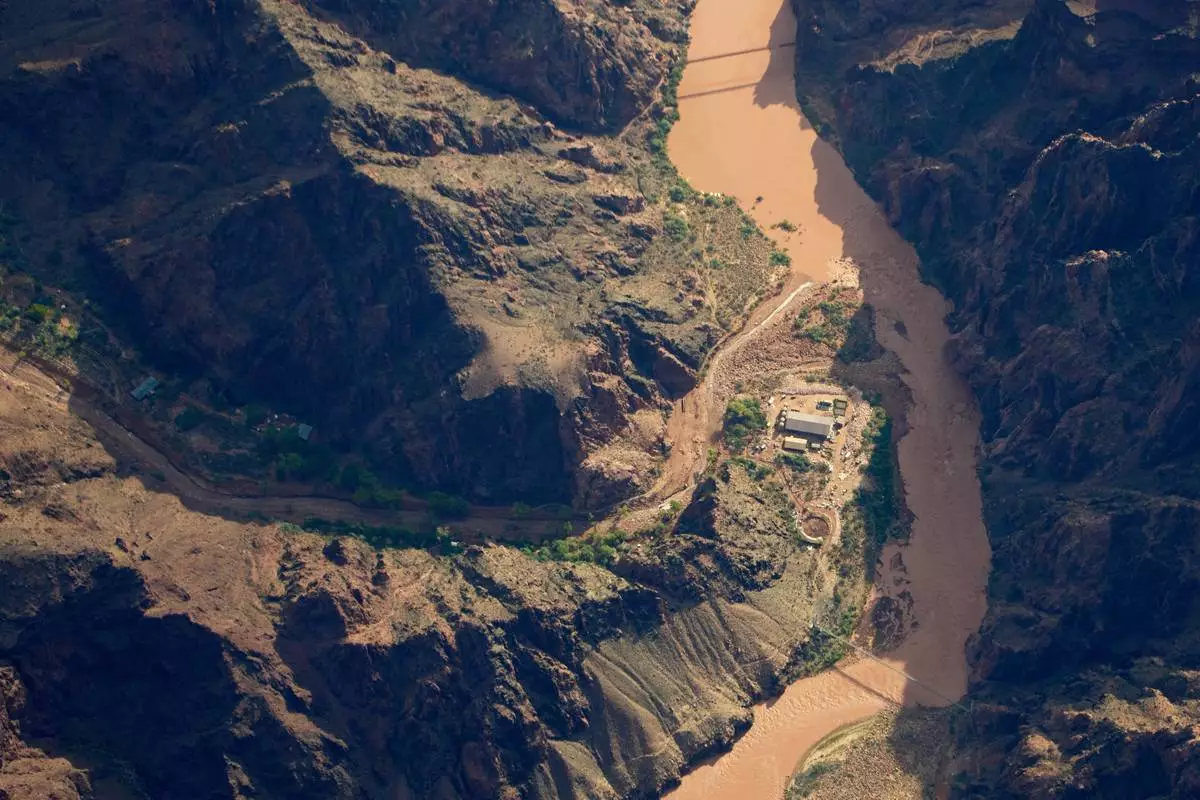
Bright Angel Canyon, damaged by flash floods, runs into the Colorado River in the Grand Canyon, Monday, Aug. 31, 2026, at Grand Canyon National Park, Ariz. (AP Photo/John Locher)
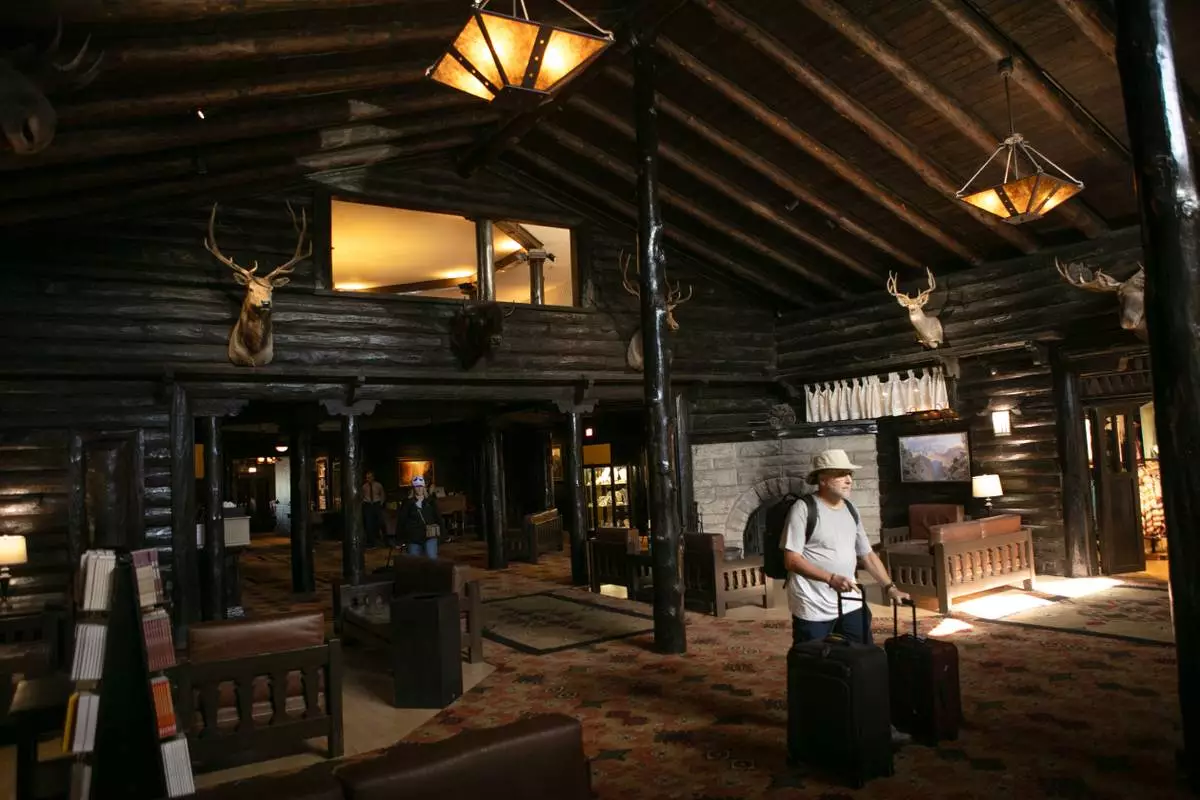
Tourists check out of the El Tovar Hotel as lodging along the rim of the canyon was shut down due to flooding, Monday, Aug. 31, 2026 at Grand Canyon National Park, Ariz. (AP Photo/Josh Biggs)
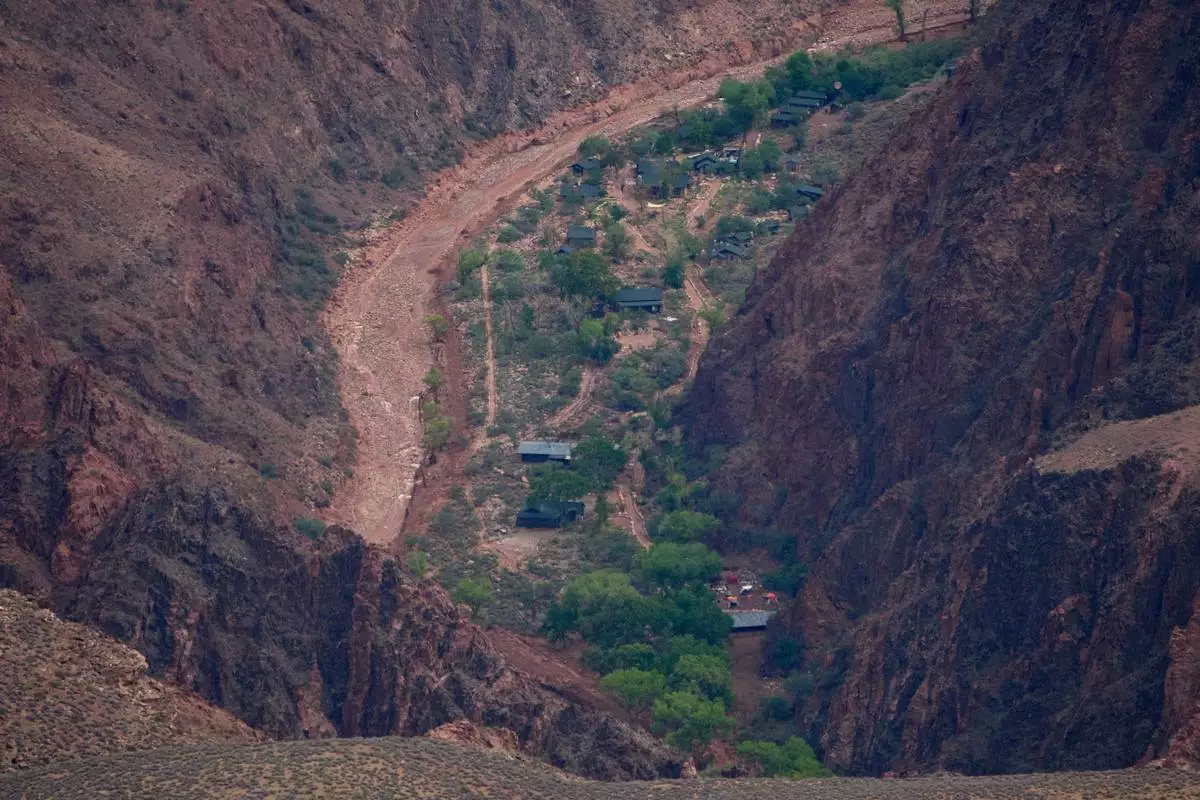
Buildings are seen in a flood damaged Bright Angel Canyon the Grand Canyon, Monday, Aug. 31, 2026, in Grand Canyon National Park, Ariz. (AP Photo/John Locher)
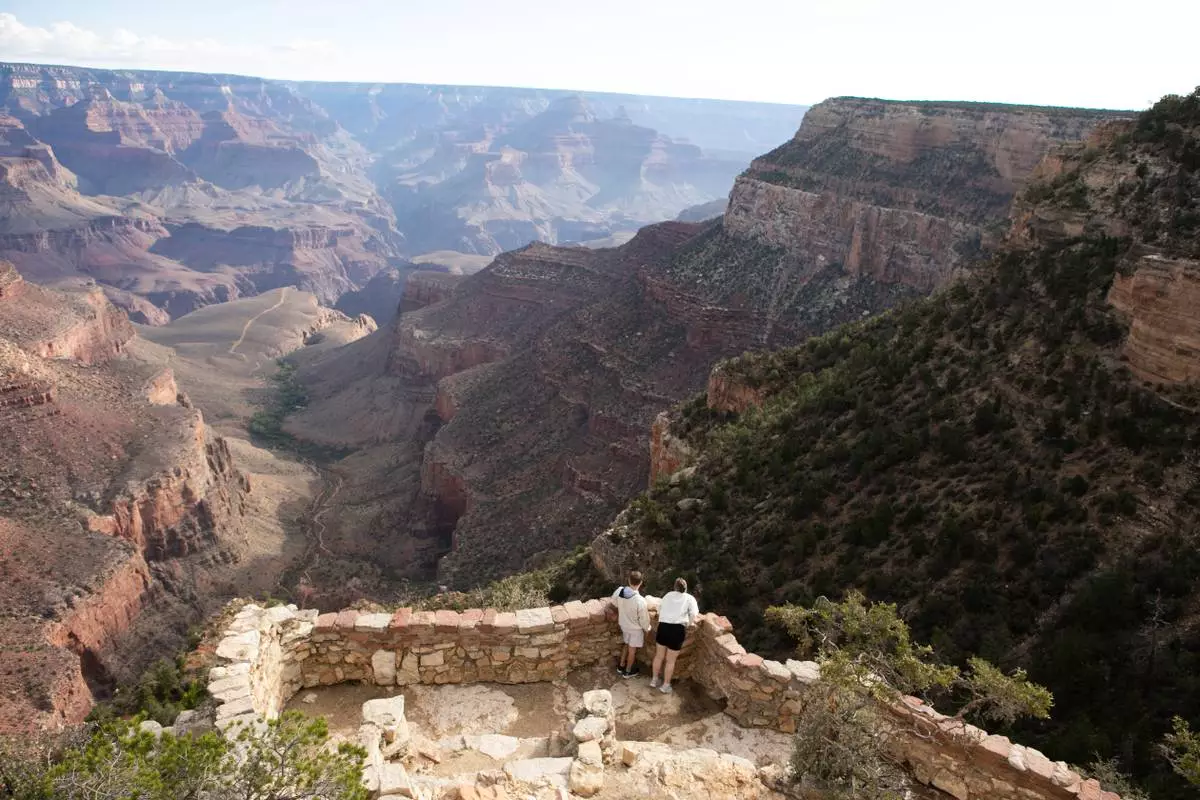
Tourists look down into the Grand Canyon off of the south rim, Monday, Aug. 31, 2026 at Grand Canyon National Park, Ariz. (AP Photo/Josh Biggs)
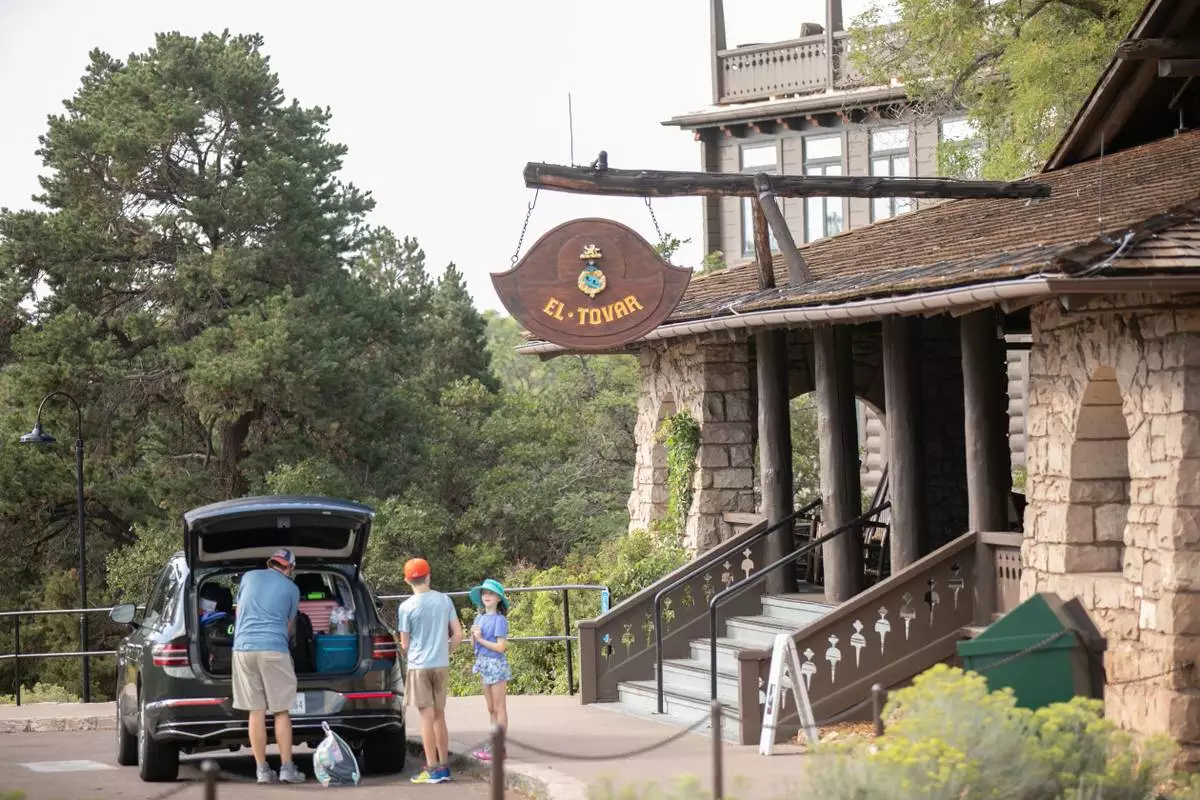
Tourists check out of the El Tovar Hotel as lodging along the rim of the canyon was shut down due to flooding, Monday, Aug. 31, 2026 at Grand Canyon National Park, Ariz. (AP Photo/Josh Biggs)
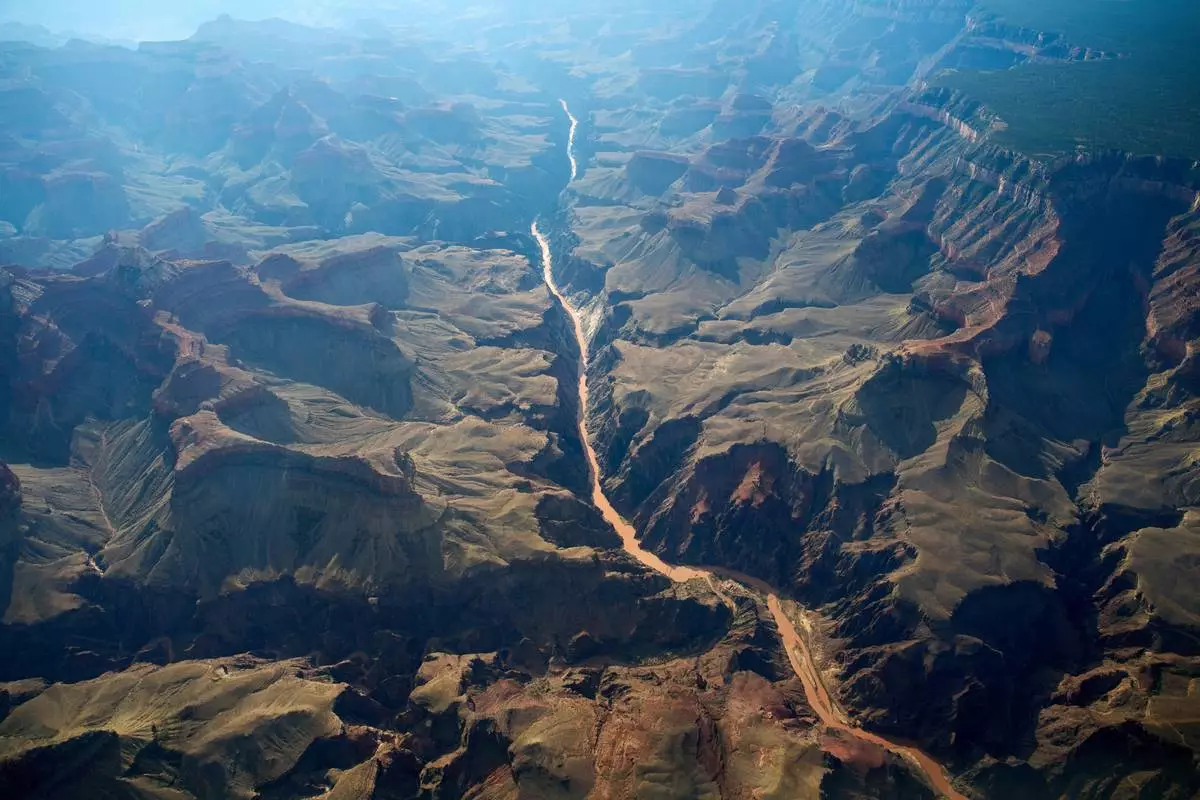
Bright Angel Canyon, bottom left, the scene of flash floods, merges into the Colorado River in the Grand Canyon, Monday, Aug. 31, 2026, at Grand Canyon National Park, Ariz. (AP Photo/John Locher)
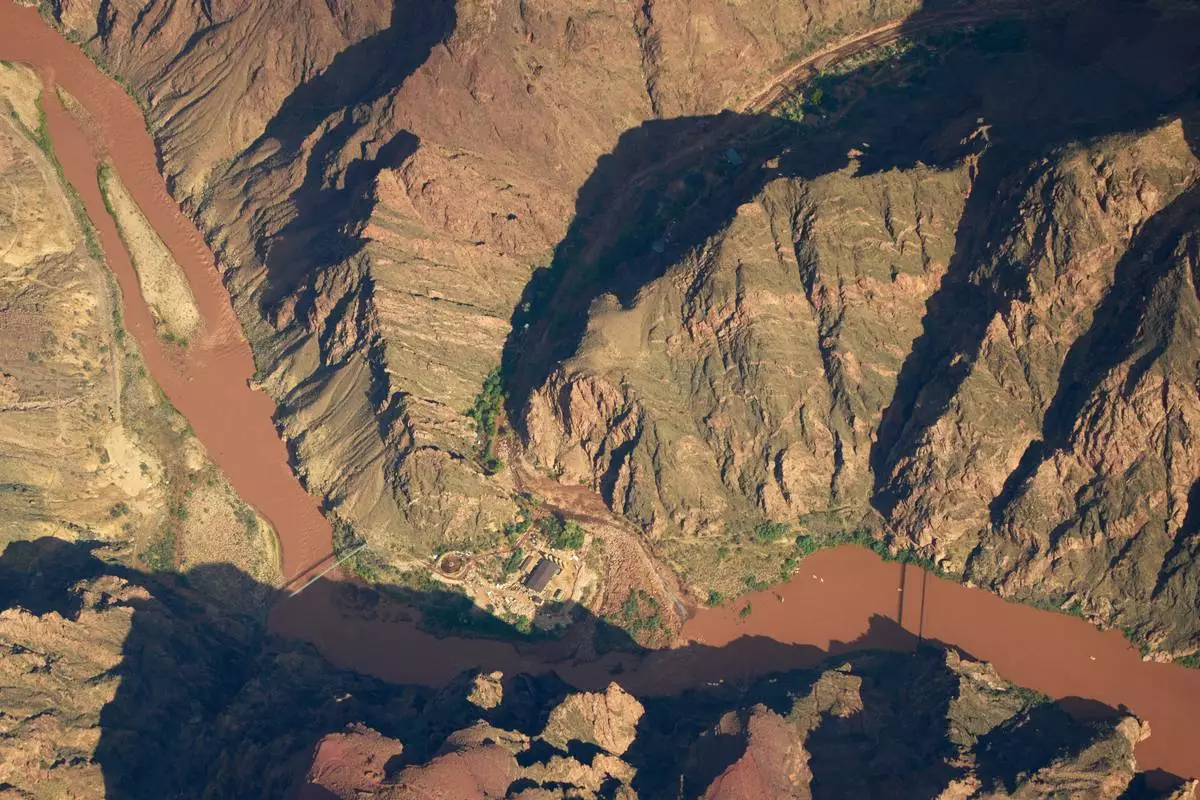
Bright Angel Canyon, the scene of flash floods, runs into the Colorado River in the Grand Canyon, Monday, Aug. 31, 2026, at Grand Canyon National Park, Ariz. (AP Photo/John Locher)
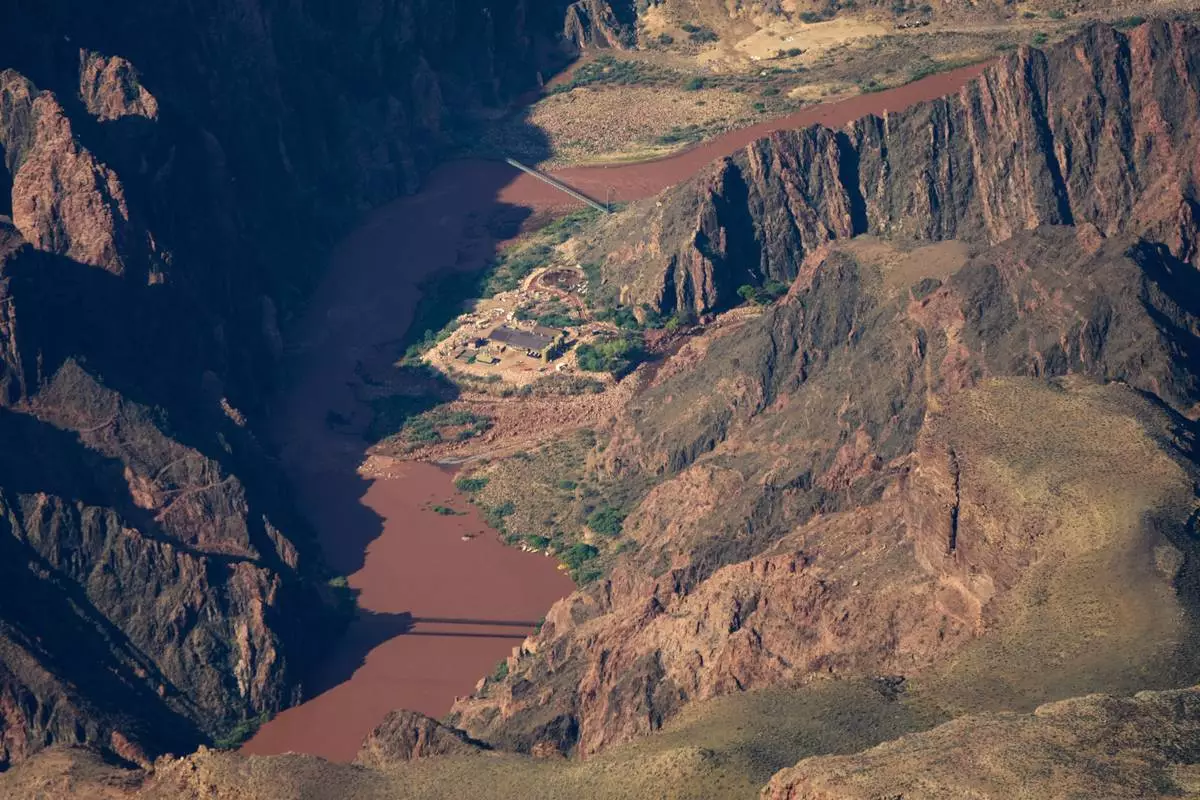
Bright Angel Canyon, the scene of flash floods, center right, merges with the Colorado River in the Grand Canyon, Monday, Aug. 31, 2026, at Grand Canyon National Park, Ariz. (AP Photo/John Locher)
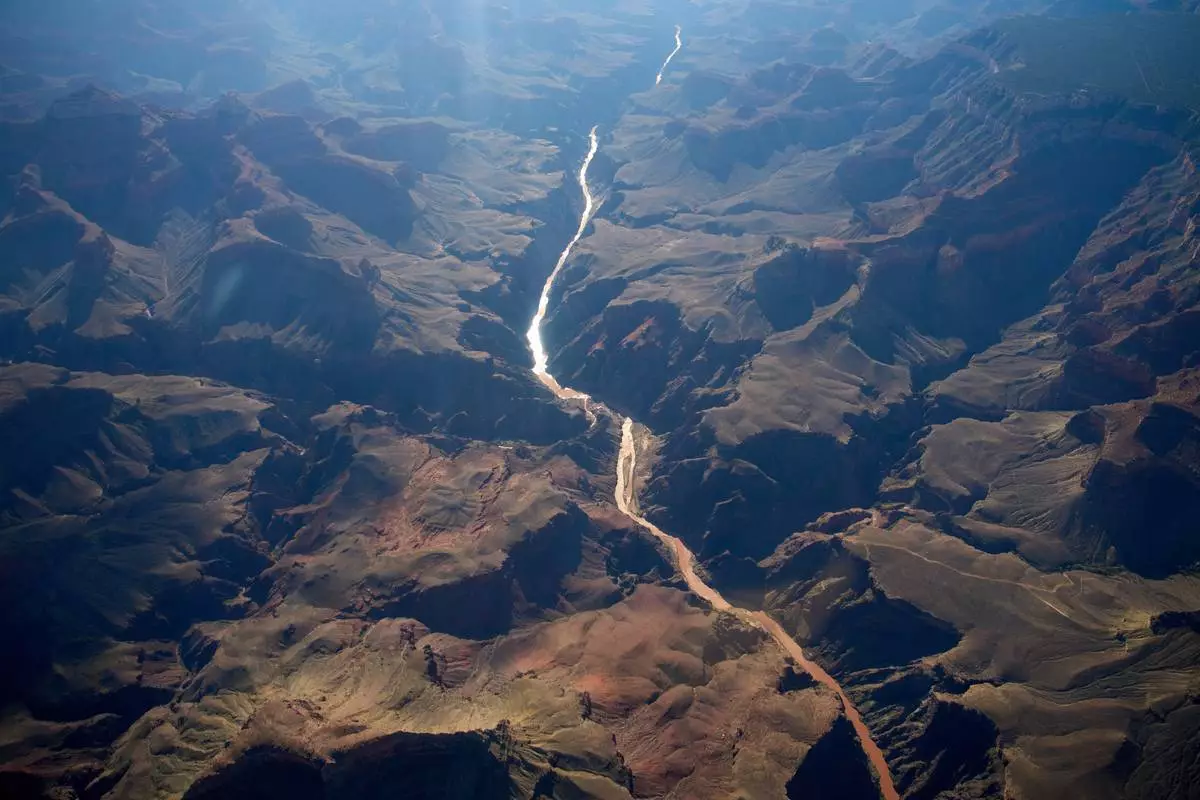
Bright Angel Canyon, middle left, the scene of flash floods, meets with the Colorado River in the Grand Canyon, Monday, Aug. 31, 2026, at Grand Canyon National Park, Ariz. (AP Photo/John Locher)
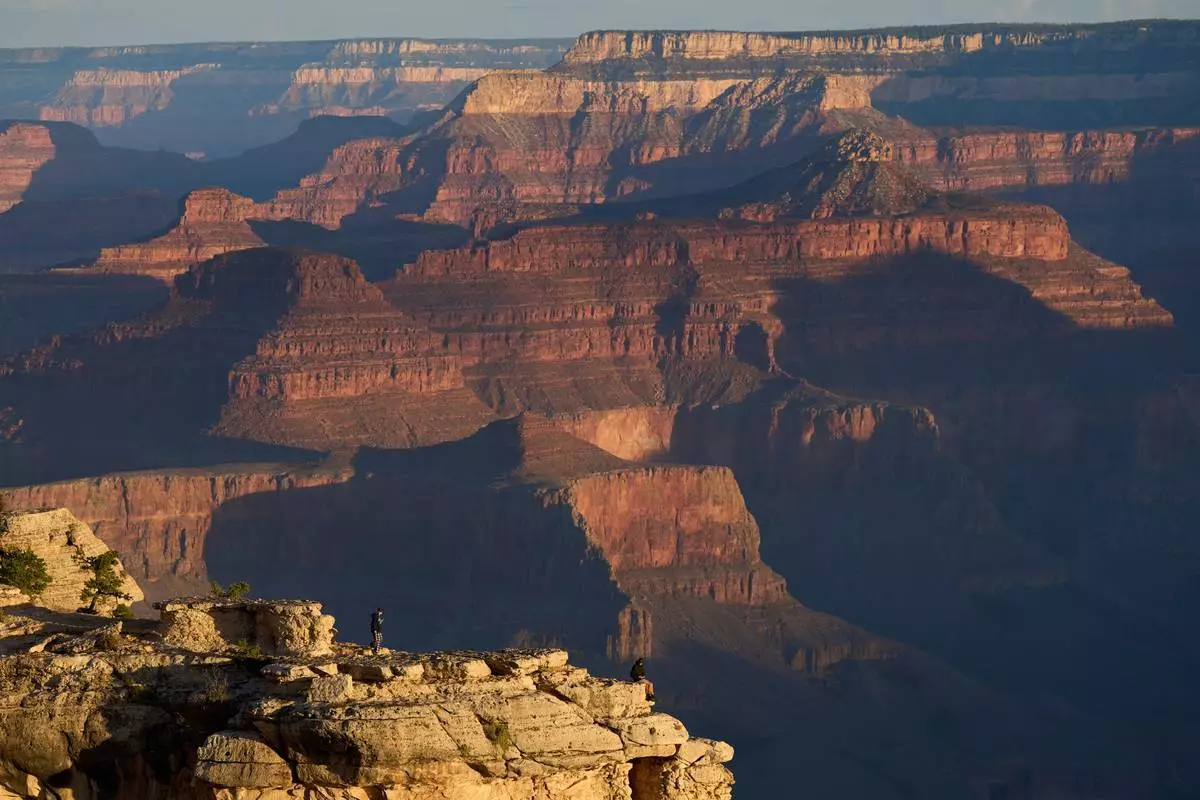
People stand at the rim of the Grand Canyon, Monday, Aug. 31, 2026, in Grand Canyon National Park, Ariz. (AP Photo/John Locher)
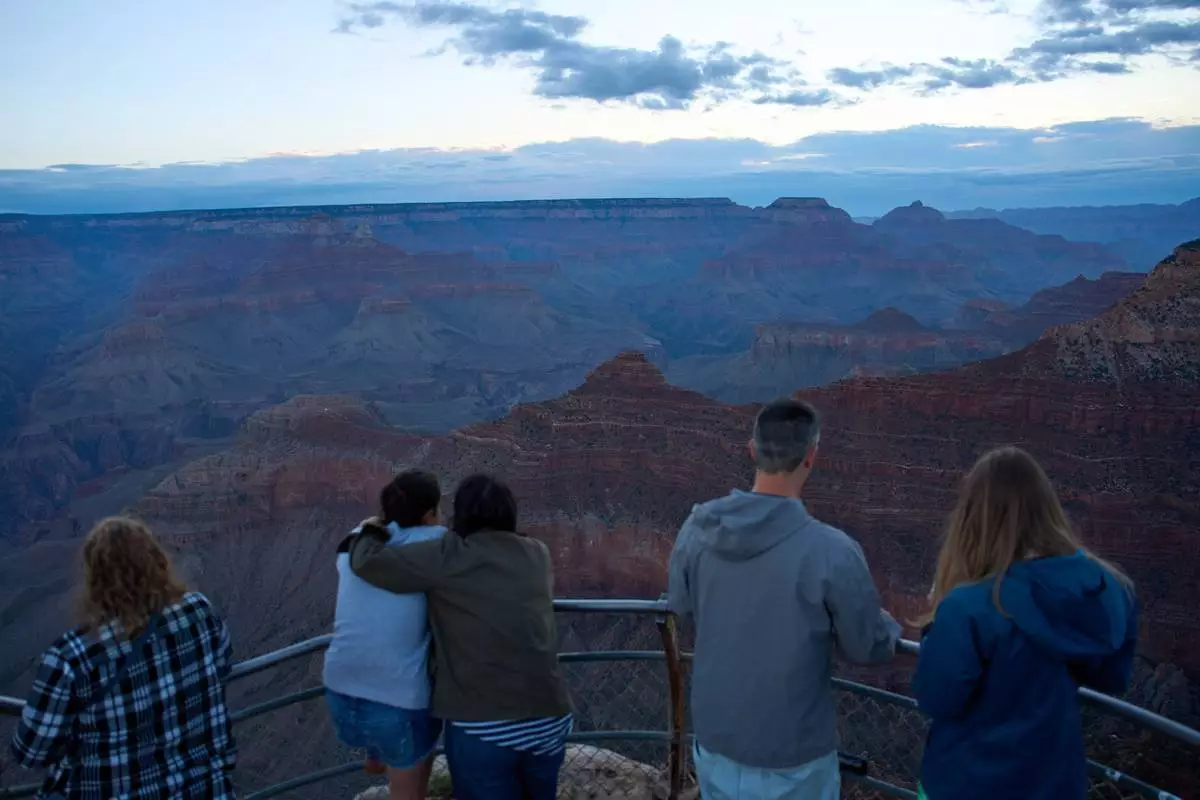
People stand at the rim of the Grand Canyon, Monday, Aug. 31, 2026, in Grand Canyon National Park, Ariz. (AP Photo/John Locher)
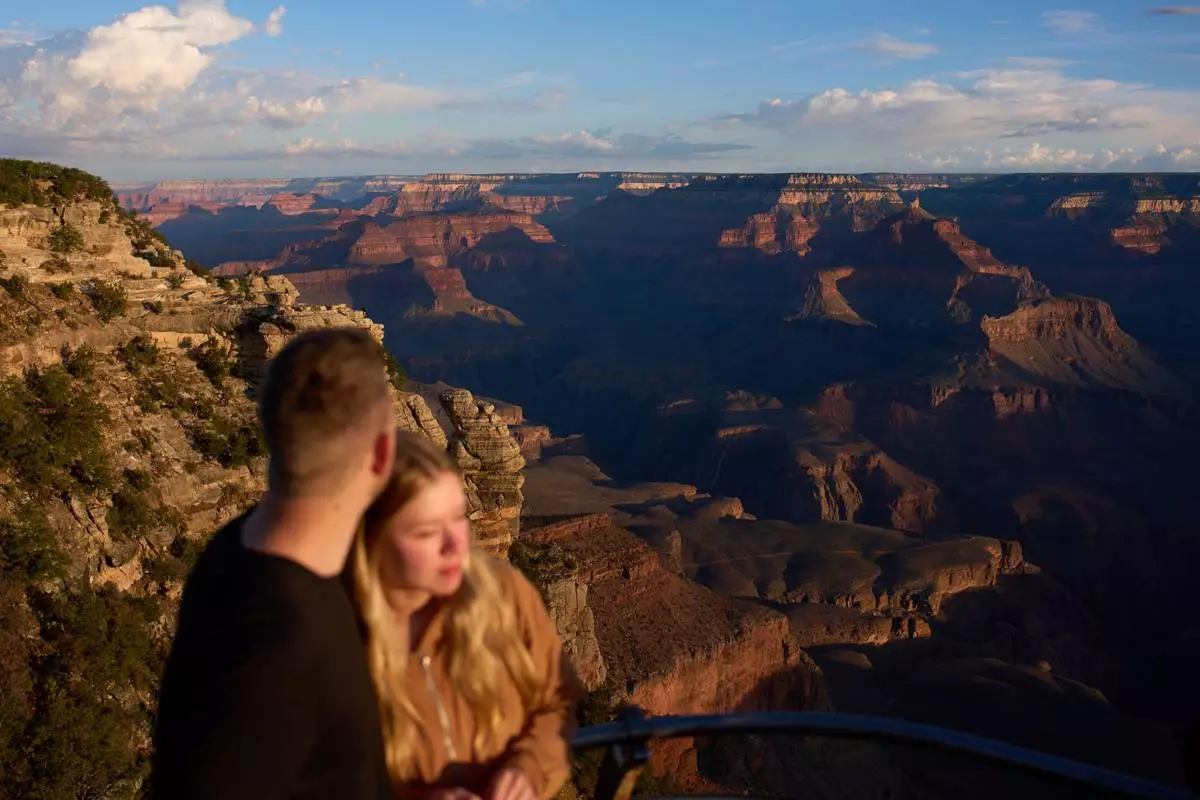
People stand at the rim of the Grand Canyon, Monday, Aug. 31, 2026, in Grand Canyon National Park, Ariz. (AP Photo/John Locher)
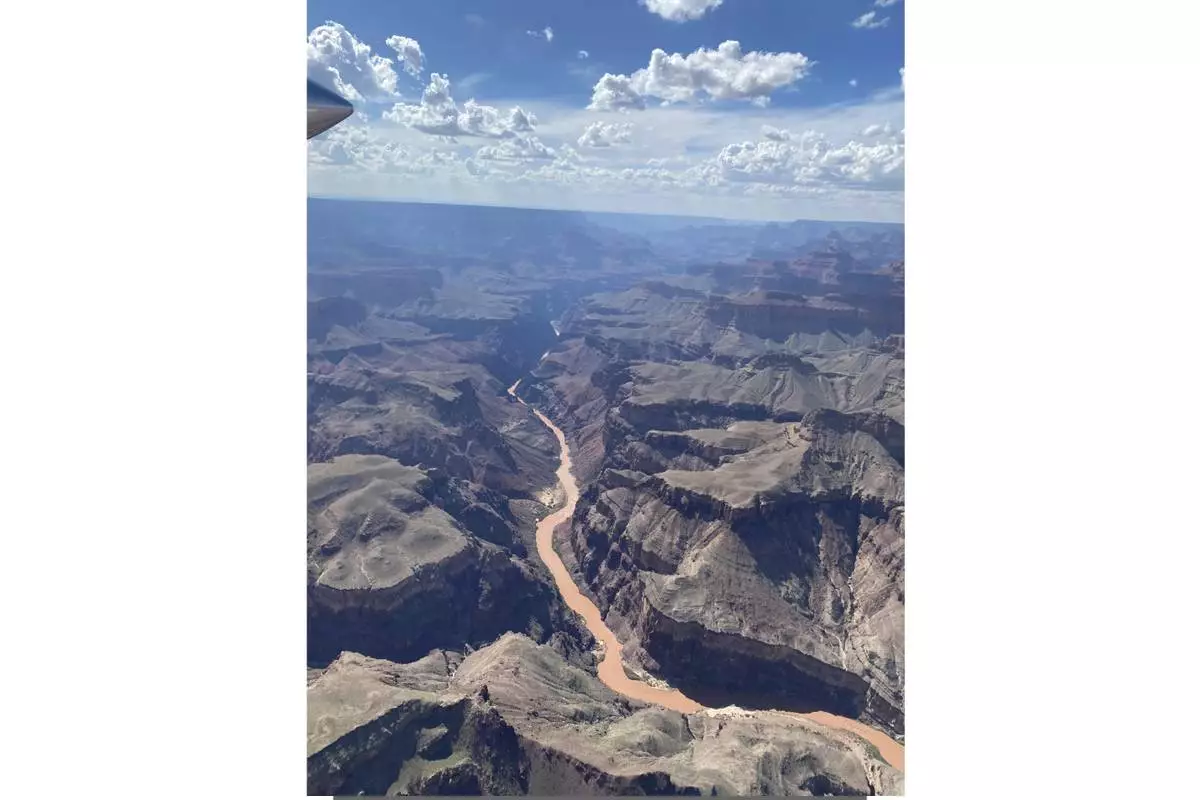
This photo shows Grand Canyon National Park in northern Arizona on Sunday, Aug. 30, 2026, after it was hit by heavy flooding a day earlier. (Craig Sanderson via AP)
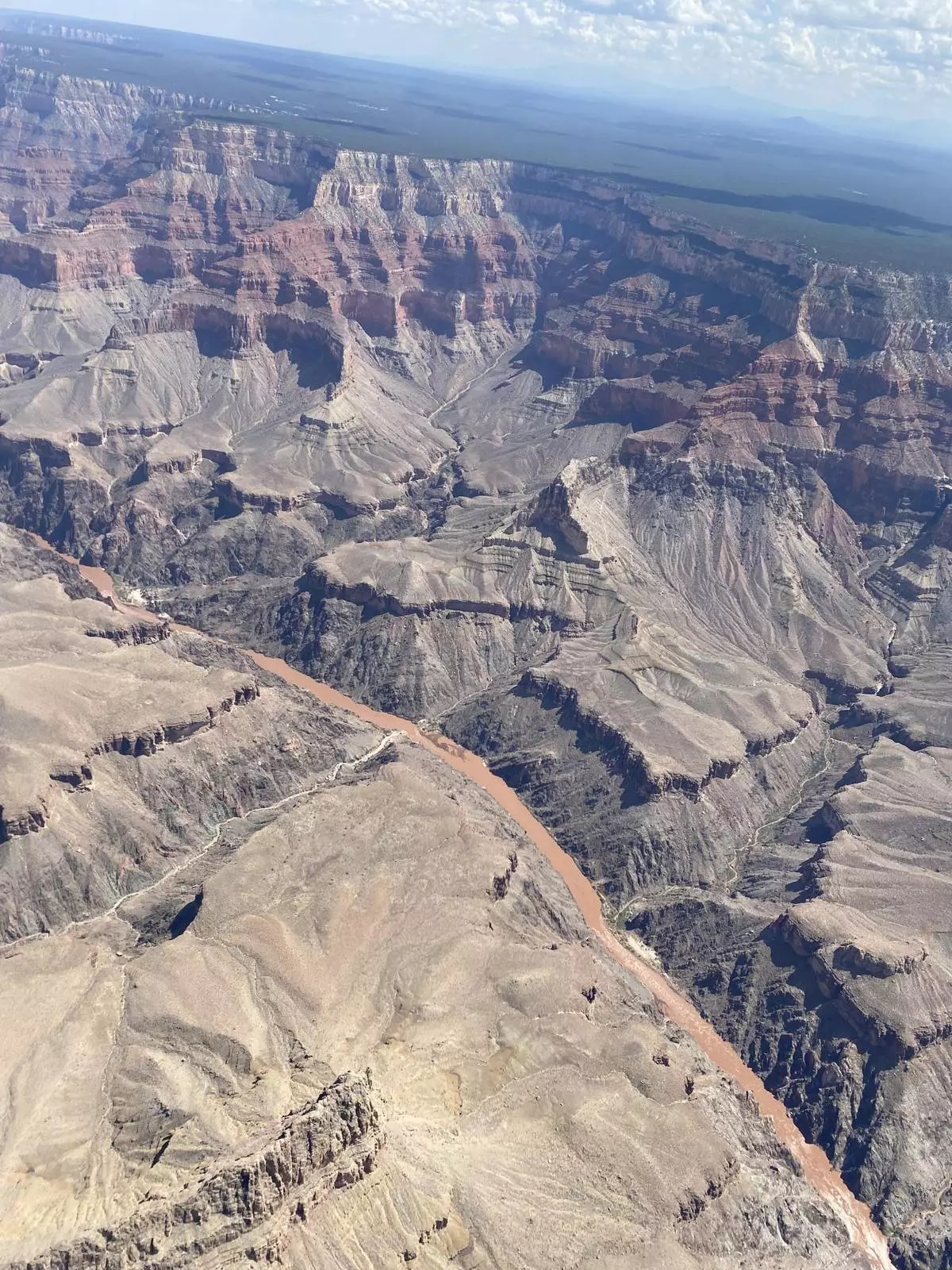
This photo shows Grand Canyon National Park in northern Arizona on Sunday, Aug. 30, 2026, after it was hit by heavy flooding a day earlier. (Craig Sanderson via AP)
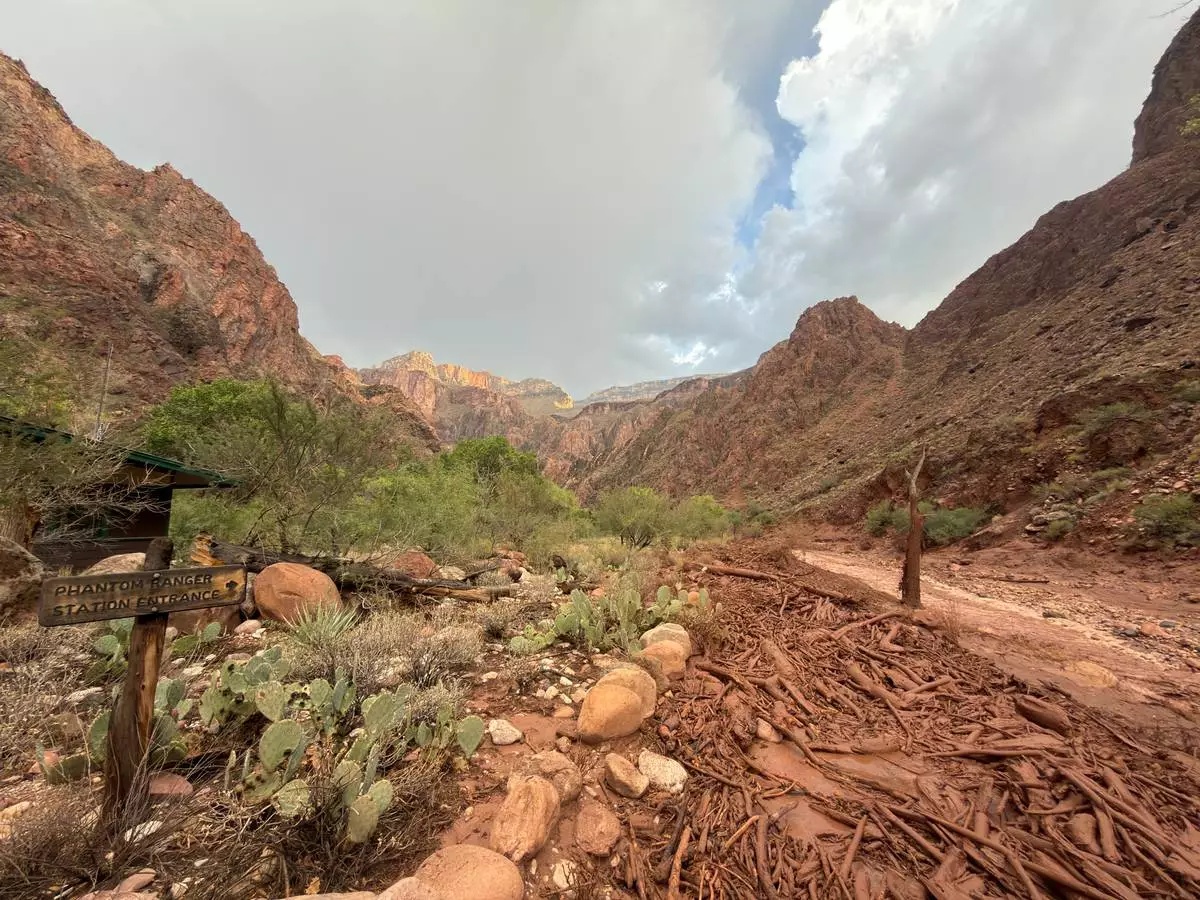
Bright Angel Creek near the Phantom Ranger Station in the Grand Canyon, Arizona, is seen after flash flooding from storms, Saturday, Aug. 29, 2026. (Parth Desai via AP)