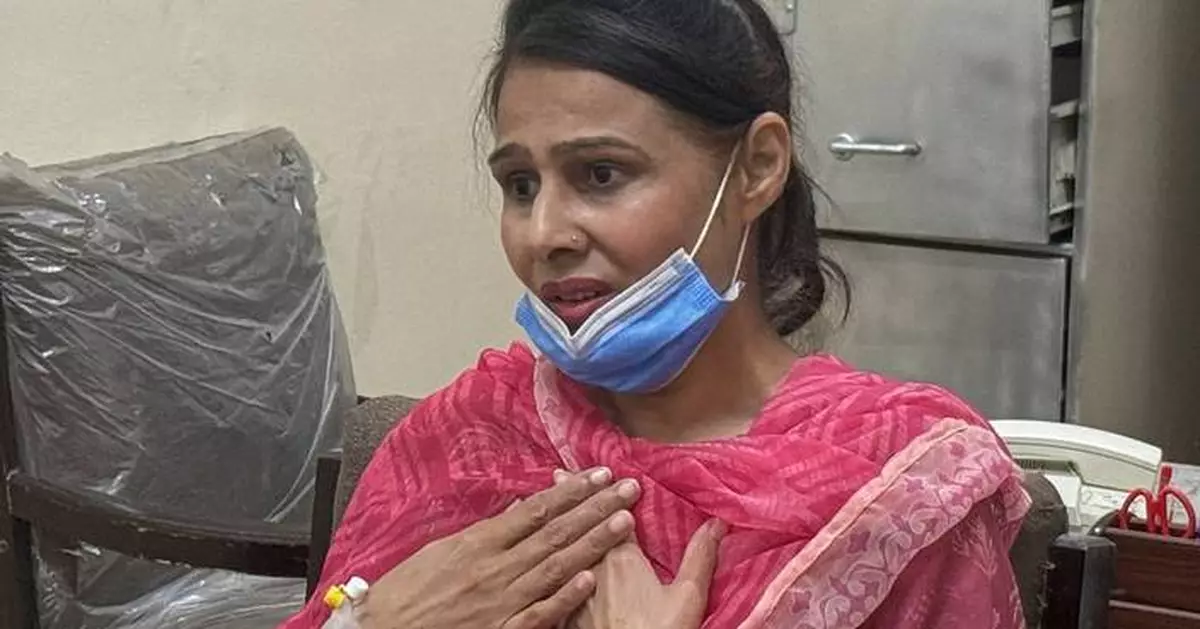
ISLAMABAD (AP) — Razia Noreen and her colleagues had just checked on the 15 newborns in their care at the hospital nursery in Islamabad and were preparing injections for some of them in an adjacent room when she saw noticed something unusual: flames.
The nurse dropped the syringe and ran into the nursery. She lifted a baby into her arms, and pressed the child against her chest to shield it from the spreading fire at the Pakistan Institute of Medical Sciences, a major government hospital, which was already filling with thick smoke.
Click to Gallery
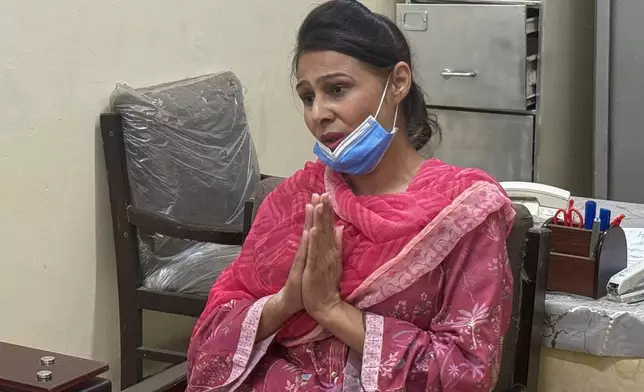
Nurse Razia Noreen, who risked her life to save a newborn during a fire at the Pakistan Institute of Medical Sciences, speaks during an interview in Islamabad, Tuesday, Sept. 1, 2026. (AP Photo/M.Yousaf)
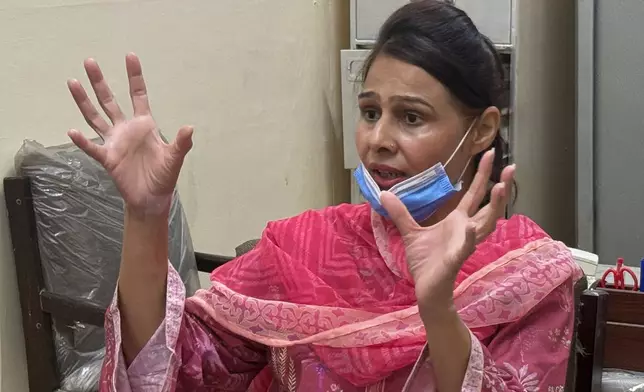
Nurse Razia Noreen, who risked her life to save a newborn during a fire at the Pakistan Institute of Medical Sciences, speaks during an interview in Islamabad, Tuesday, Sept. 1, 2026. (AP Photo/M.Yousaf)
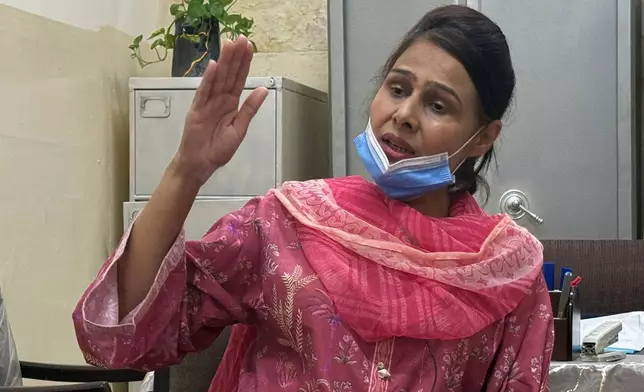
Nurse Razia Noreen, who risked her life to save a newborn during a fire at the Pakistan Institute of Medical Sciences, speaks during an interview in Islamabad, Tuesday, Sept. 1, 2026. (AP Photo/M.Yousaf)
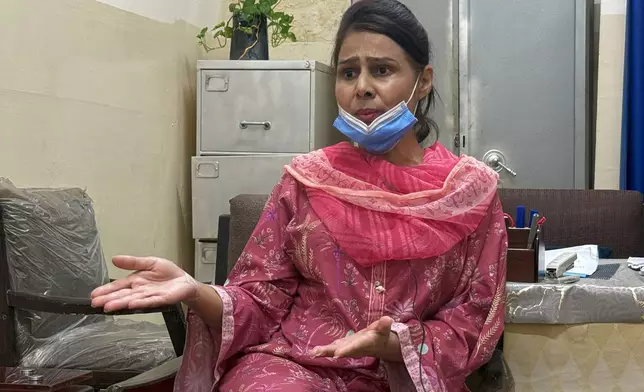
Nurse Razia Noreen, who risked her life to save a newborn during a fire at the Pakistan Institute of Medical Sciences, speaks during an interview in Islamabad, Tuesday, Sept. 1, 2026. (AP Photo/M.Yousaf)
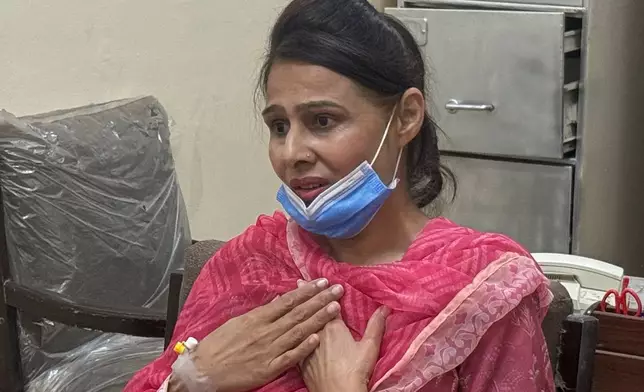
Nurse Razia Noreen, who risked her life to save a newborn during a fire at the Pakistan Institute of Medical Sciences, speaks during an interview in Islamabad, Tuesday, Sept. 1, 2026. (AP Photo/M.Yousaf)
Eight seconds later — as was captured on dramatic CCTV footage — she emerged and handed the newborn to a doctor in a nearby room. Without thinking, she then turned back toward the flames, but it was too late.
“I wanted to save the others,” Noreen told The Associated Press at the hospital staff hostel where she lives. “I did not lose hope,” she said.
But the nursery was rapidly becoming impossible to enter. Noreen and another nurse dropped to the floor, where the smoke was thinner, and tried to crawl through the doorway.
In her first interview with international media — after briefly speaking to local media at the weekend — Noreen described how she could see nothing ahead of her. The smoke choked her, and she began coughing so violently that she struggled to breathe.
Still, she tried to move forward until the flames forced her back.
Within minutes, she learned that the other 14 newborns were dead. She collapsed to the floor in shock, she said.
The baby she carried out was the sole survivor.
A 51-second clip of CCTV footage from the Aug. 26 fire showed Noreen running into the nursery and emerging with the newborn in her arms. A government inquiry said she was inside the room for just eight seconds and that the conditions in the nursery “deteriorated catastrophically within approximately two minutes.”
Those eight seconds have led many Pakistanis to hail Noreen as a national hero.
The government has announced that she will receive the Sitara-i-Khidmat, or Star of Service, one of Pakistan’s most prestigious civil awards, along with a financial reward.
Hospital and district officials initially said an exploding air-conditioning unit caused the fire, and later the hospital said a blast involving a nebulizer sparked the blaze.
A government inquiry identified serious failures in fire safety and the hospital’s emergency response. Eight officials have been suspended and disciplinary proceedings initiated against them.
Noreen is a Christian, part of a small religious minority in overwhelmingly Muslim Pakistan. Members of the country’s Christian community have joined Pakistanis across religious lines in praising her bravery.
But Noreen does not describe what she did as an act of heroism. She speaks of it as the instinctive response of a nurse and a mother.
“Can any mother watch a child burning in a fire?” she asked. “No,” she answered. “Mothers do not do favors for their children. It is their duty.”
Her rescue has been celebrated across Pakistan, but Noreen remains consumed by the babies she could not reach.
She said she has barely slept since the fire. When she approaches the nursery, memories of the flames and the children overwhelm her. At times, she said, she feels as if she can still hear their cries and collapses to the ground.
“The deaths of those children have traumatized me,” she said. “It may take me years to recover.”
Noreen said she was still physically ill from the ordeal. She told AP she had a fever of 103 degrees Fahrenheit (39.4 Celsius) but agreed to the interview because she wanted to explain what happened. “Those babies do not let me sleep,” she said.
She said nurses become like mothers when newborns are brought into their care and separated from their own mothers. They feed the babies, administer their medication, and watch over them.
Noreen said it took her only a moment to decide to enter the burning nursery. “I quickly decided that I would do my job,” she said. “The mothers had entrusted their babies to us.” “I acted as a mother,” she added. “I did not care about my life.”
Noreen said she was grateful to the Prime Minister Shehbaz Sharif and the Pakistani people for honoring her.
“But I did not do anything for a reward or money,” she said. Noreen said that when she entered the burning nursery, she did not know whether she would come out alive. “I had only one mission: This is the time to save lives,” she said. “My aim was to save all the children. I did not think about my own safety for even a second.”
Then her voice broke again. She had a message for the mothers whose 14 newborns died in the fire.
“Please forgive me for not being able to save your babies,” Noreen said through tears.
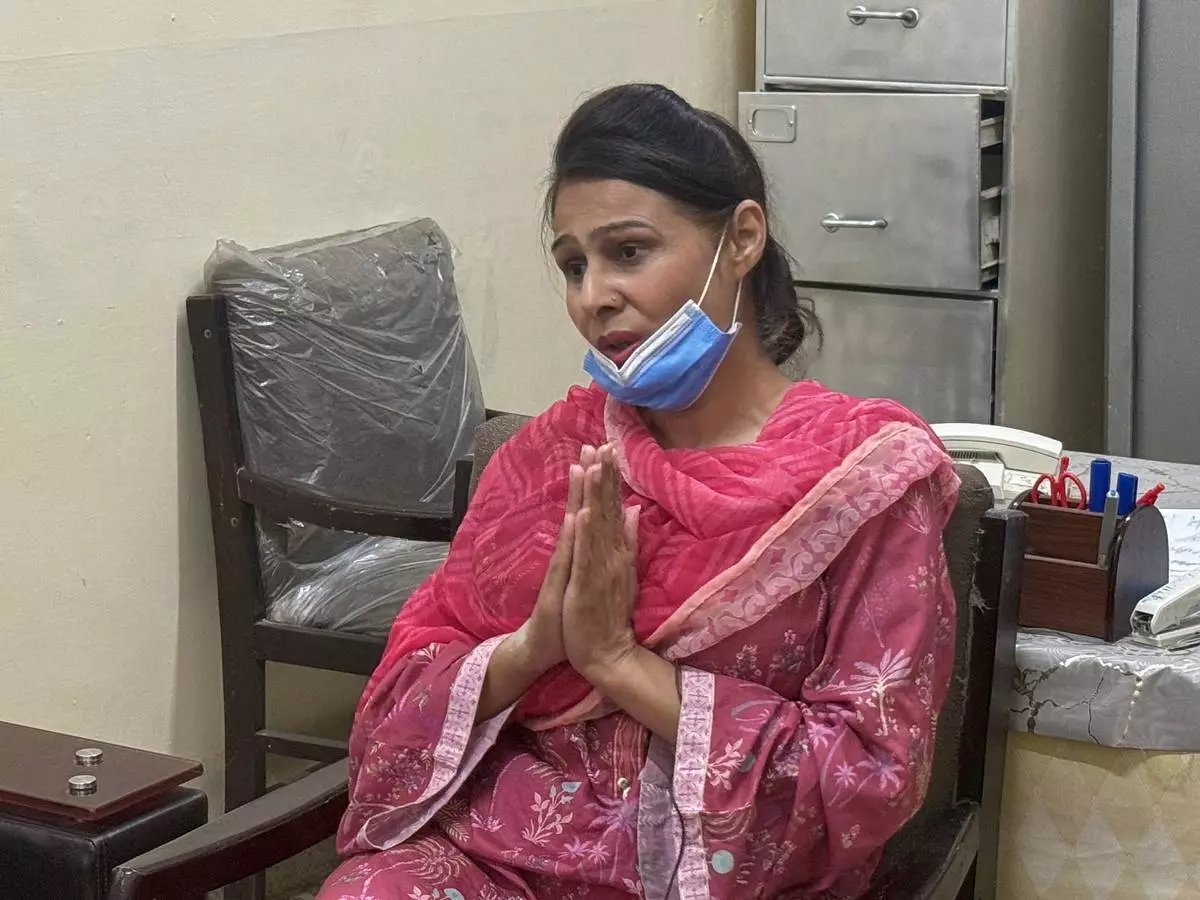
Nurse Razia Noreen, who risked her life to save a newborn during a fire at the Pakistan Institute of Medical Sciences, speaks during an interview in Islamabad, Tuesday, Sept. 1, 2026. (AP Photo/M.Yousaf)
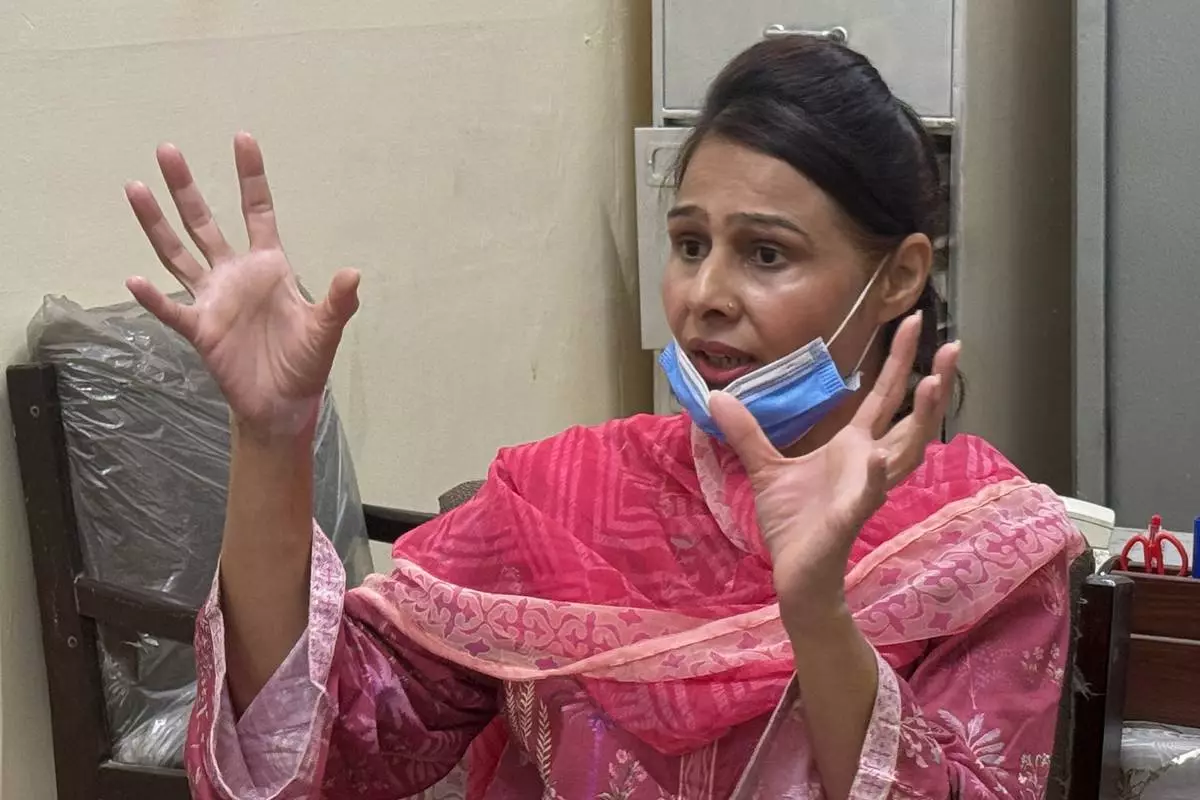
Nurse Razia Noreen, who risked her life to save a newborn during a fire at the Pakistan Institute of Medical Sciences, speaks during an interview in Islamabad, Tuesday, Sept. 1, 2026. (AP Photo/M.Yousaf)
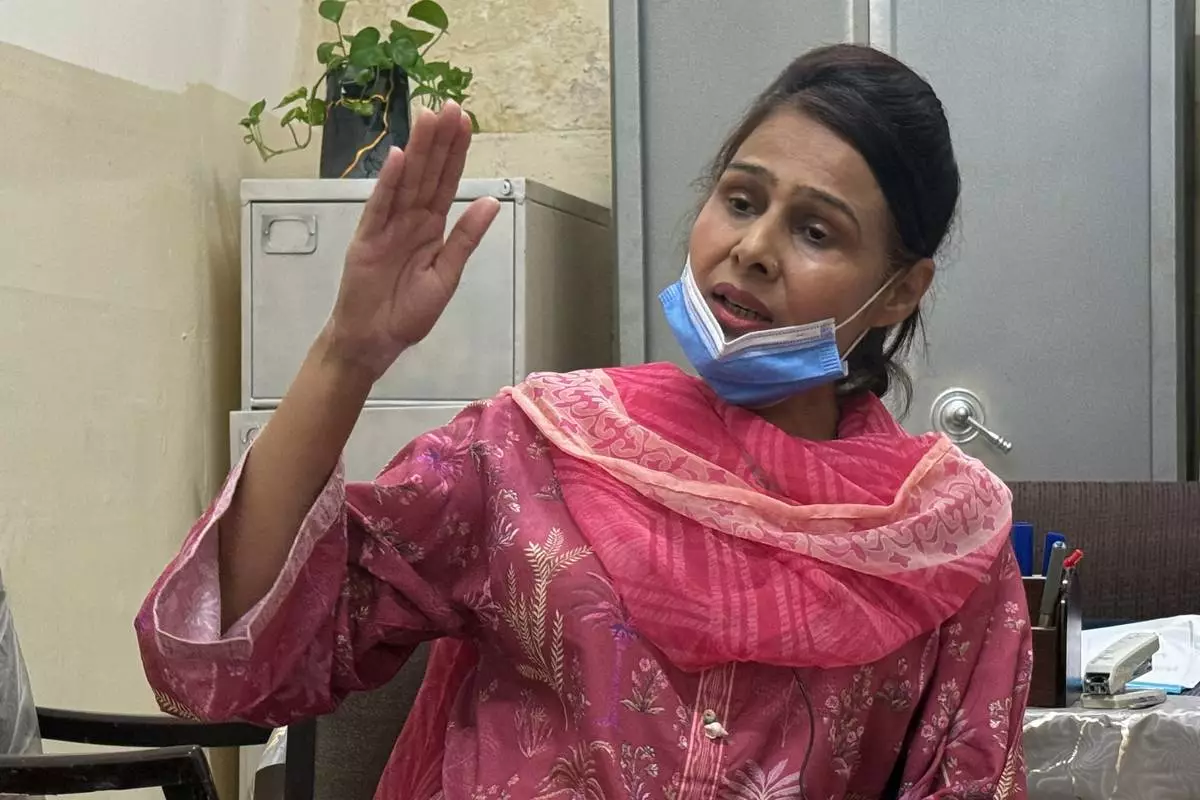
Nurse Razia Noreen, who risked her life to save a newborn during a fire at the Pakistan Institute of Medical Sciences, speaks during an interview in Islamabad, Tuesday, Sept. 1, 2026. (AP Photo/M.Yousaf)
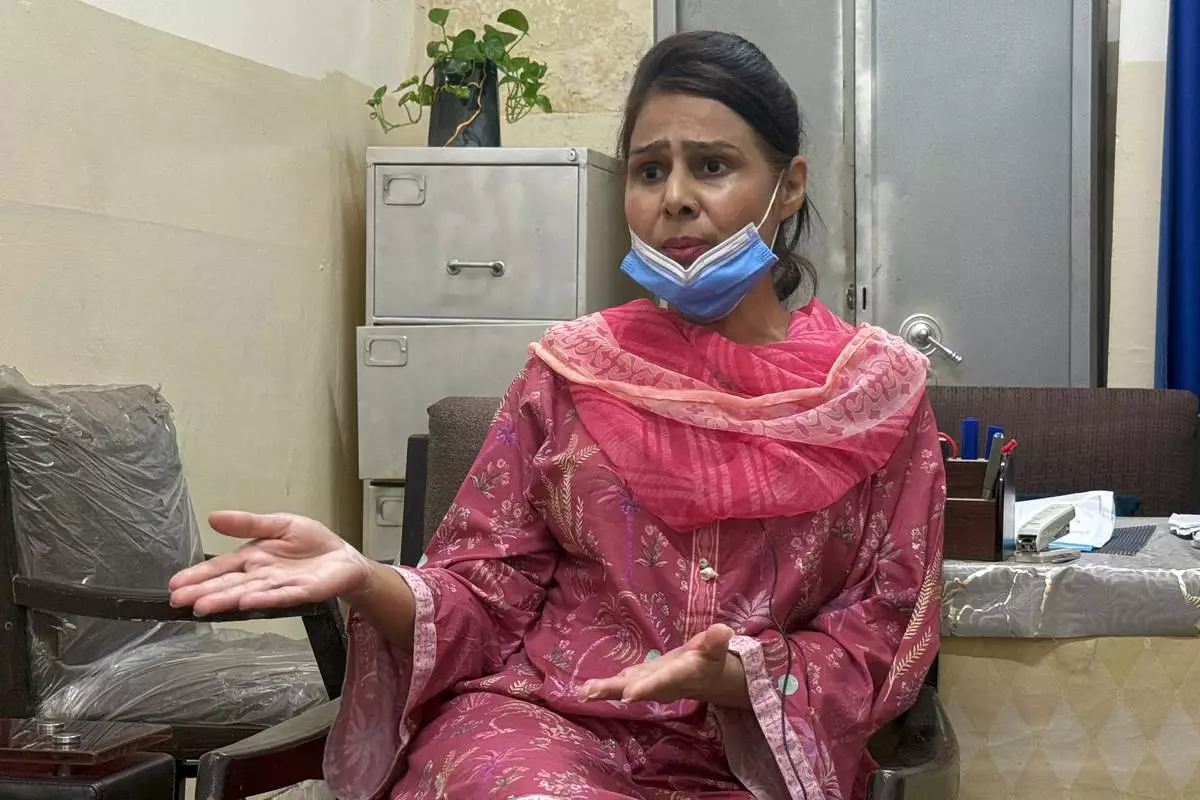
Nurse Razia Noreen, who risked her life to save a newborn during a fire at the Pakistan Institute of Medical Sciences, speaks during an interview in Islamabad, Tuesday, Sept. 1, 2026. (AP Photo/M.Yousaf)
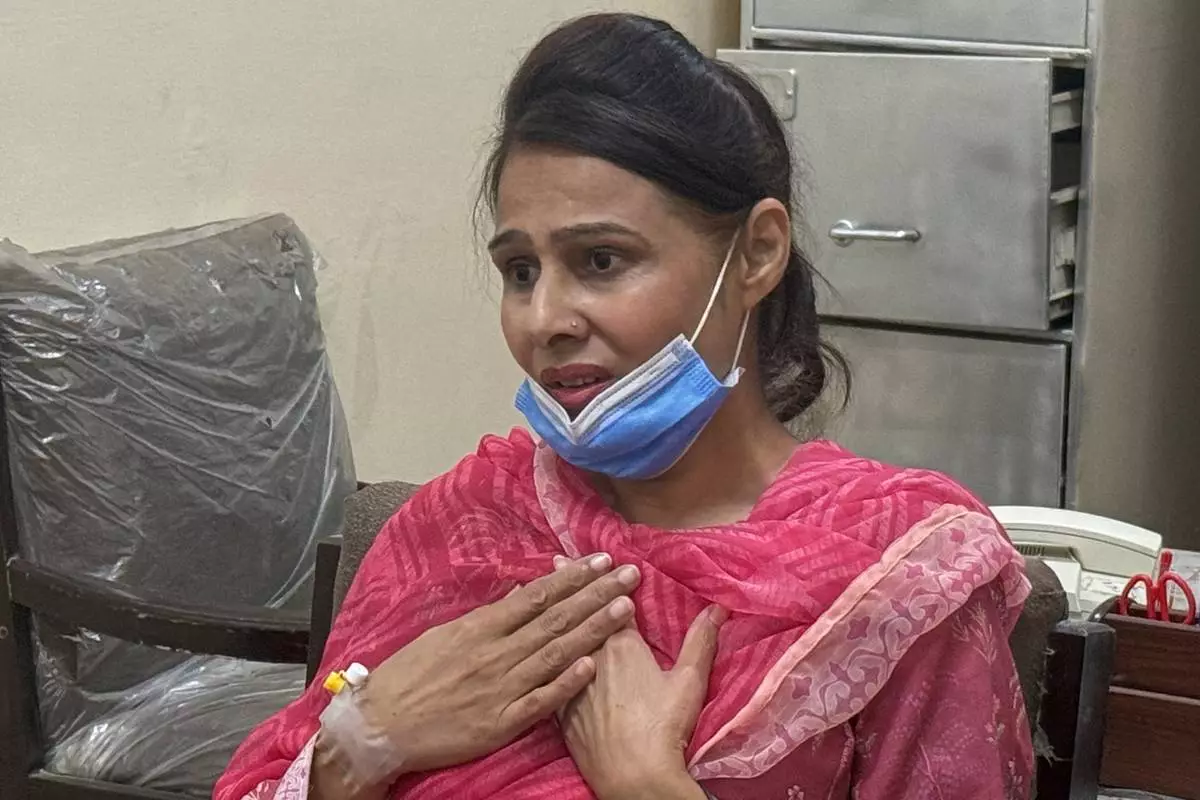
Nurse Razia Noreen, who risked her life to save a newborn during a fire at the Pakistan Institute of Medical Sciences, speaks during an interview in Islamabad, Tuesday, Sept. 1, 2026. (AP Photo/M.Yousaf)