ANAHEIM, Calif. (AP) — Kroenke Sports and Entertainment has reached a deal to purchase controlling ownership of the Los Angeles Angels from Arte Moreno, expanding its sprawling empire of teams across every major U.S. professional sport with the addition of the beleaguered baseball club.
The company led by Stan Kroenke made the surprising announcement Tuesday, saying it expects to close the transaction in early 2027. Major League Baseball, which must approve any sale, didn't immediately comment on the news.
Kroenke’s company owns the NFL’s Los Angeles Rams, Premier League champion Arsenal, the NBA’s Denver Nuggets, the NHL’s Colorado Avalanche, Major League Soccer’s Colorado Rapids and SoFi Stadium, along with the large Hollywood Park campus around the multibillion-dollar Inglewood arena. The conglomerate has now moved into baseball with the Angels, whose turbulent 23-year tenure under Moreno’s ownership will finally come to an end.
“The Angels are a storied franchise anchored in a great market," Kroenke said in a statement. "We look forward to an exciting future with the Angels organization.”
Moreno, an outdoor advertising magnate from Arizona, bought the Angels from the Walt Disney Company in 2003. While the club had steady success in its first years under Moreno with much of the roster that won the 2002 World Series, winning five AL West titles in six seasons during the 2000s, the Halos have entered a period of decline since their most recent playoff victory in 2009.
At 53-85, the AL-worst Angels are currently headed to their 11th consecutive losing season and their 12th consecutive non-playoff season, both the longest active streaks in the majors.
Incredibly, they’ve made the playoffs just once during the 16-year career of three-time AL MVP outfielder Mike Trout, who teamed with two-time AL MVP Shohei Ohtani for six straight seasons with no success.
In sharp contrast, Kroenke's teams consistently have been among their sports' absolute best in recent seasons.
The Rams, the Avalanche, the Nuggets and Arsenal have all won championships in their respective leagues over the past five years, and all four teams remain serious title contenders during a renaissance for an ownership group that was once criticized for its early struggles in English soccer and its decision to move the Rams from St. Louis back to Los Angeles.
A significant portion of the Angels’ struggles over the past two decades can be attributed to the 80-year-old Moreno, who has repeatedly inserted himself into personnel decisions while presiding over the rest of his organization with much less interest or acumen.
While he spent aggressively on payroll in his attempts to build a winner, his biggest moves usually backfired, with a series of high-profile acquisitions who produced a fraction of their anticipated impact. His acquisitions of Anthony Rendon, Gary Matthews Jr., Josh Hamilton and many others were expensive disasters, while even his landmark $240 million free-agent contract for Albert Pujols didn't result in the homers or the victories expected from the price tag.
Moreno has been roundly criticized for skimping on infrastructure, resources and support staff throughout his organization compared to other MLB teams. The Angels have also endured numerous troubles off the field during Moreno's tenure, from the drug-related death of pitcher Tyler Skaggs to numerous smaller scandals.
Despite Moreno's much-derided decision to change the franchise's name from the Anaheim Angels in an attempt to build a more national brand, the team remained a healthy box office draw to its loyal Orange County fans during most of his tenure — but the fan base had lost patience in recent years. Angel Stadium's slightly smaller crowds this season have regularly chanted “Sell the team!” and derided Moreno by name.
The lack of success clearly began to wear on Moreno, whose children reportedly aren't interested in carrying on in the baseball business. Moreno publicly explored a sale of the Angels in 2022, only to pull the team off the market in early 2023.
Significant positive change occurred earlier this year when Moreno fired general manager Perry Minasian and hired John Mozeliak on a temporary basis to run his baseball operations. Mozeliak, the longtime St. Louis Cardinals baseball boss, has already made significant changes to reshape the long-stagnant operation while starting a rebuild of sorts after years of resistance from Moreno.
“The Moreno family has been honored to steward the Angels for 23 years, and we believe with KSE’s experience and success, they are the best next owner for the franchise,” Moreno said in a statement. “The Angels organization looks forward to continuing its commitment to the fans, our employees, the players and our business partners.”
Moreno, a Mexican-American, was the majors' first Latino majority owner, and he remained the only one until Puerto Rico-born billionaire José E. Feliciano closed his purchase of the San Diego Padres last month. Latino and Hispanic players comprise roughly 30% of major league rosters.
Kroenke Sports and Entertainment will be only the fourth permanent owner of the Angels, who were founded as an AL expansion club in 1961 by early Hollywood star Gene Autry. His widow, Jackie, temporarily owned the team for a year after his death before selling it to Disney in 1999.
AP MLB: https://apnews.com/MLB
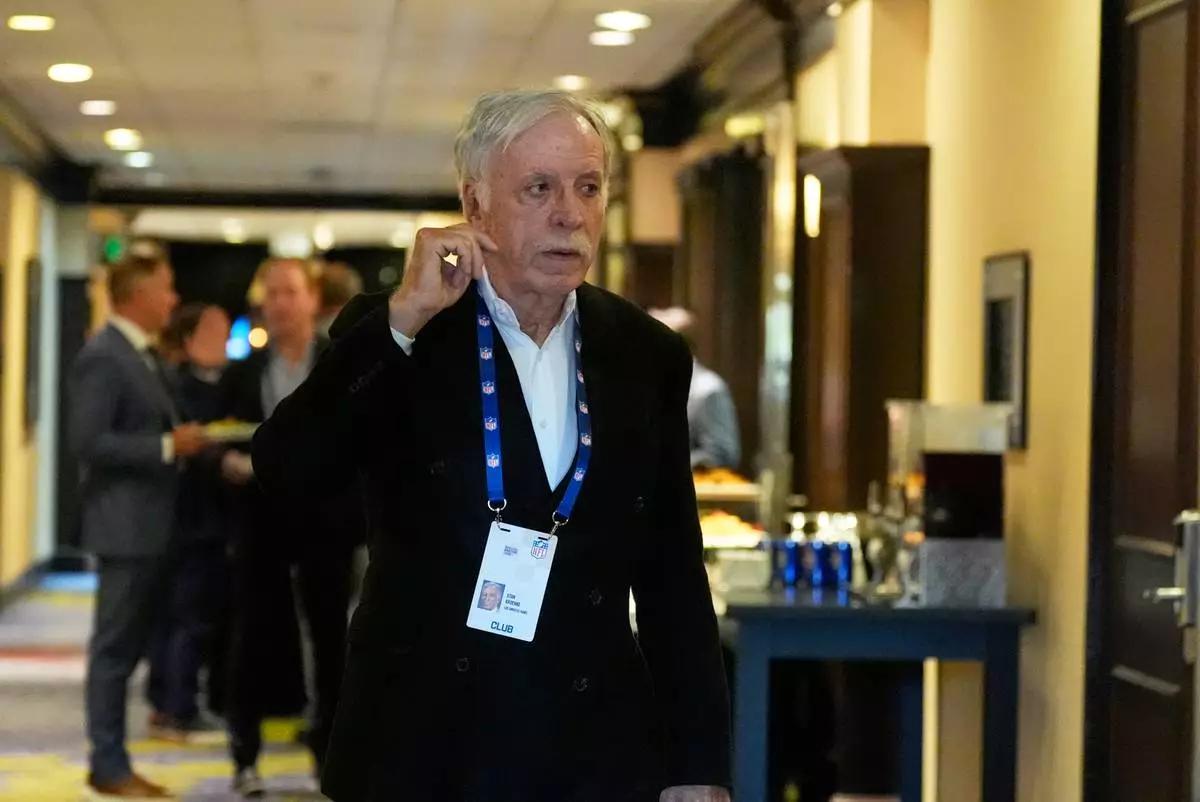
FILE - Los Angeles Rams owner Stan Kroenke arrives before an NFL football owners meeting on Aug. 26, 2026, in Atlanta. (AP Photo/Brynn Anderson, File)

FILE - People line up outside Angel Stadium prior to a baseball game between the Los Angeles Angels and the Cleveland Guardians, Aug. 24, 2026, in Anaheim, Calif. (AP Photo/Jayne Kamin-Oncea, File)

Los Angeles Angels' Tyler Heineman (31) scores a run against the New York Yankees in the third inning of a baseball game Monday, Aug. 31, 2026, in Anaheim, Calif. (AP Photo/Wally Skalij)
PLYMOUTH, Mass. (AP) — Jurors in the Lindsay Clancy trial ended a fourth day of deliberations without a verdict Tuesday after earlier saying they couldn’t agree whether the Massachusetts mother is criminally responsible for killing her three young children.
Not long after arriving at the courthouse, the jury sent Judge William Sullivan a note saying they had been unable to reach a unanimous decision despite many hours of back and forth. He told them to keep trying.
It was the jury’s first indication of an impasse in the closely watched trial that has focused on maternal mental health after childbirth, and which has stirred deep divisions among the public.
Clancy, a former labor and delivery nurse, doesn’t deny strangling her children but says postpartum psychosis led to her actions. Prosecutors argue she knew what she was doing. Clancy, 36, has pleaded not guilty by reason of lack of criminal responsibility.
EDITOR’S NOTE: This story includes discussion of suicide. If you or someone you know needs help, the national suicide and crisis lifeline in the U.S. is available by calling or texting 988.
Clancy stared straight ahead as the jury entered in the morning to say they were at a standstill, then looked toward them as the judge spoke.
Sullivan told the jurors that he recognized it had been a long trial with more than 80 witnesses and 300 exhibits. “But because of that, I’m going to ask you to go back out,” he said.
They're expected to resume deliberations Wednesday.
The jury could convict her of murder or manslaughter, or acquit her if jurors believe her deteriorating mental health was to blame. A conviction could lead to a life prison sentence. If she is acquitted, a judge could still order her confined to a mental health facility if an evaluation determines she is a danger to the public.
If jurors can’t reach a verdict and a mistrial is declared, the charges against Clancy would remain. Prosecutors would need to decide whether to try Clancy again before an entirely new group of jurors.
Prosecutors could offer a plea deal to Clancy, although her attorney is more likely to push for them to drop the charges, said Brad Bailey, a Boston defense attorney and former prosecutor who is not involved in the case.
The jury began deliberating on Thursday afternoon. On Friday, they asked to look at a knife that Clancy used to cut herself shortly after the killings, and bags with empty prescription pill bottles found in her house.
During more than four weeks of testimony, jurors heard differing views from medical experts.
Clancy's lawyer argued she loved her children, but killed them because she lost her grip on reality — and on herself — due to bipolar disorder and postpartum psychosis, a rare mental illness that can follow childbirth.
Prosecutors said Clancy was depressed and tired of living, and made a conscious choice to kill the children. A forensic psychologist who testified for the prosecution said he concluded that Clancy killed the children because she wanted to end her life but didn’t want to leave them behind.
Clancy’s mother and sister testified that she became anxious, paranoid and suicidal after the birth of her third child. She sought treatment for her worsening mental health, including a stay in a psychiatric hospital, in the months before killing Cora, Dawson and Callan Clancy, ages 5, 3 and 8 months.
Less than three weeks after being discharged, she sent her husband on an errand and killed the children with exercise bands in the basement of their home south of Boston. She then jumped from a second-floor window and remains paralyzed from the waist down. Her lawyers say she heard a voice telling her to kill the children so she could end her own life.
Clancy chose not to testify. She watched the proceedings from the defense table, occasionally weeping, as when prosecutors showed autopsy photos of the children to the jury.
Jurors spent two days listening to testimony from her former husband, Patrick Clancy, and his anguished 911 call. He was on the phone when he discovered the children's bodies, minutes after finding his wife.
Patrick Clancy has said in interviews that he forgives his ex-wife, whom he viewed as ill rather than evil. The trial marks the first time he has seen Lindsay Clancy since the killings.
Postpartum psychosis, the condition that Clancy’s attorney says she had when she killed the children, is more serious and less common than postpartum depression. Researchers estimate that the condition afflicts 1 to 2 out of 1,000 women after delivery.
Associated Press reporter Dave Collins in Hartford, Connecticut, contributed.
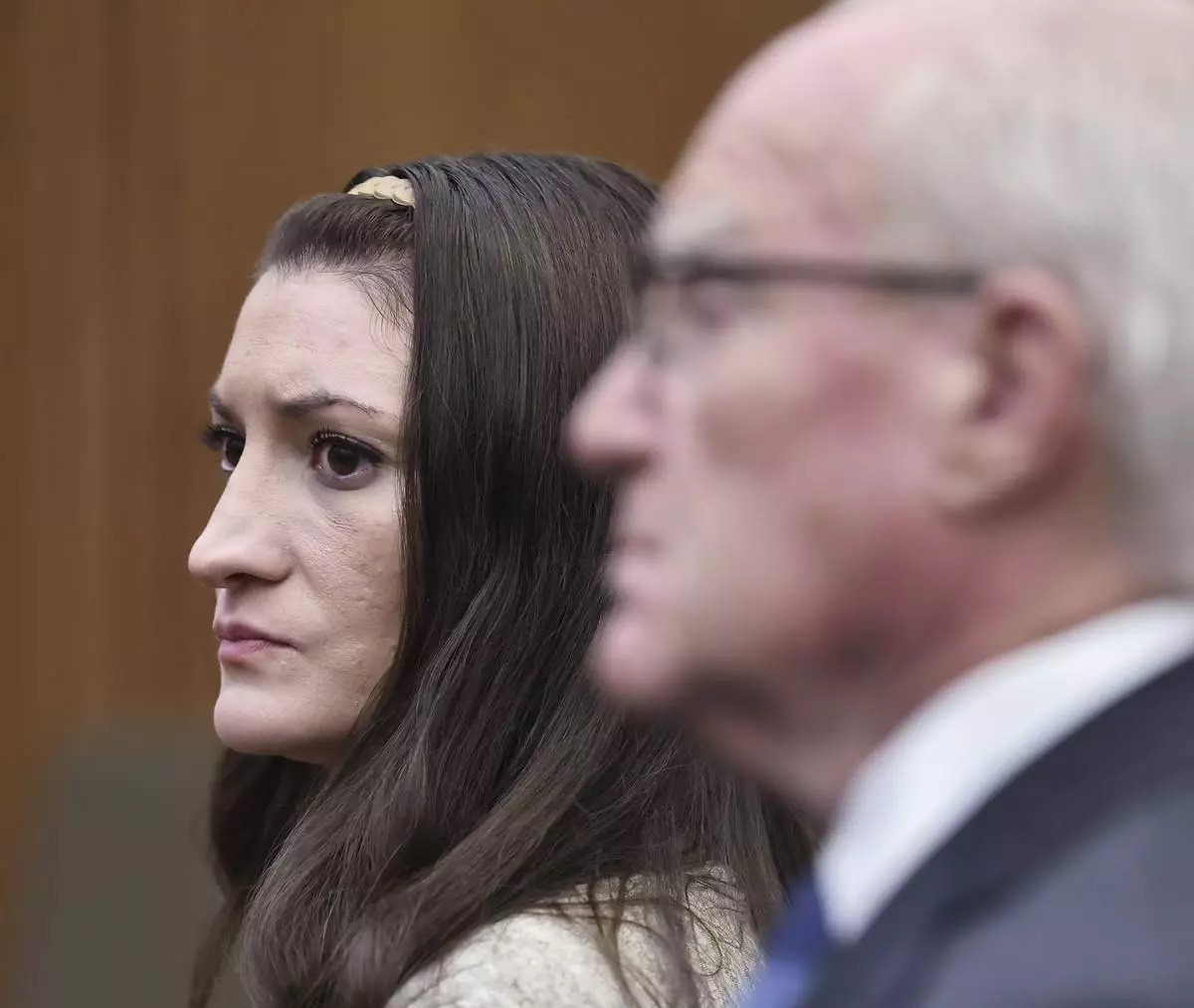
Lindsay Clancy looks at the jurors seated in the courtroom during her murder trial at Plymouth Superior Court in Plymouth, Mass., Tuesday, Sept. 1, 2026. (Greg Derr/The Patriot Ledger via AP, Pool)
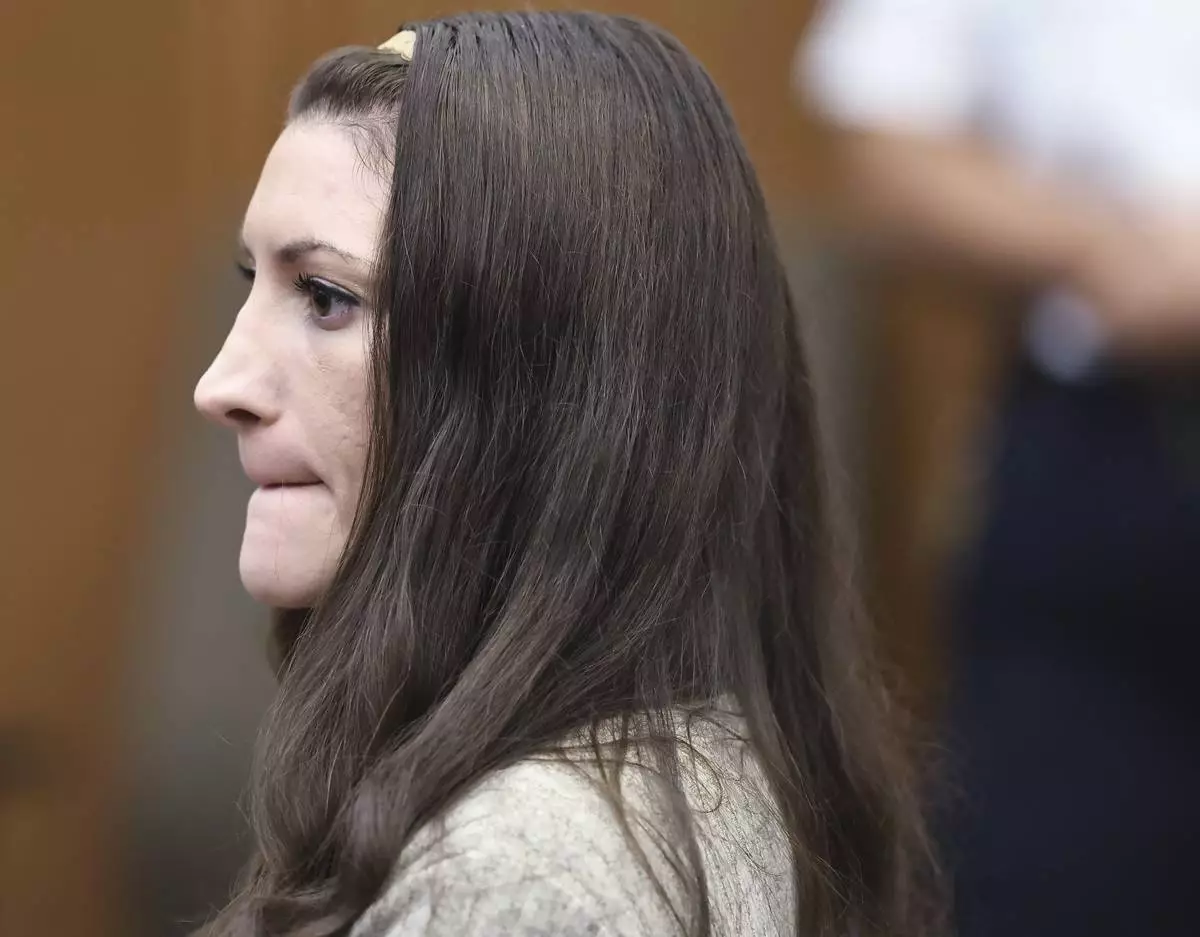
Lindsay Clancy reacts to the jury saying they cannot reach a verdict during her murder trial at Plymouth Superior Court in Plymouth, Mass., Tuesday, Sept. 1, 2026. (Greg Derr/The Patriot Ledger via AP, Pool)
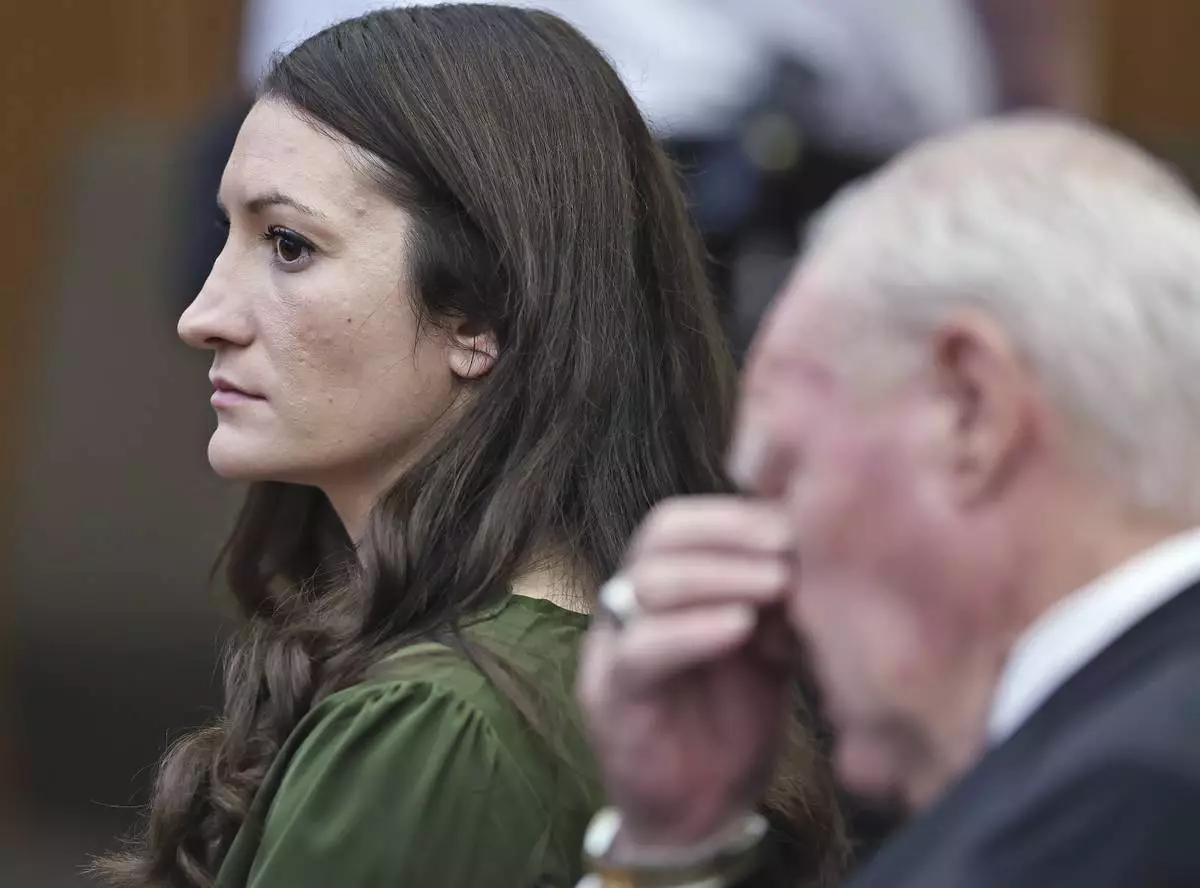
Lindsay Clancy watches jury members as Judge William Sullivan polls them before they start deliberations during her murder trial at Plymouth Superior Court in Plymouth, Mass., Monday, Aug. 31, 2026. (Greg Derr/The Patriot Ledger via AP, Pool)
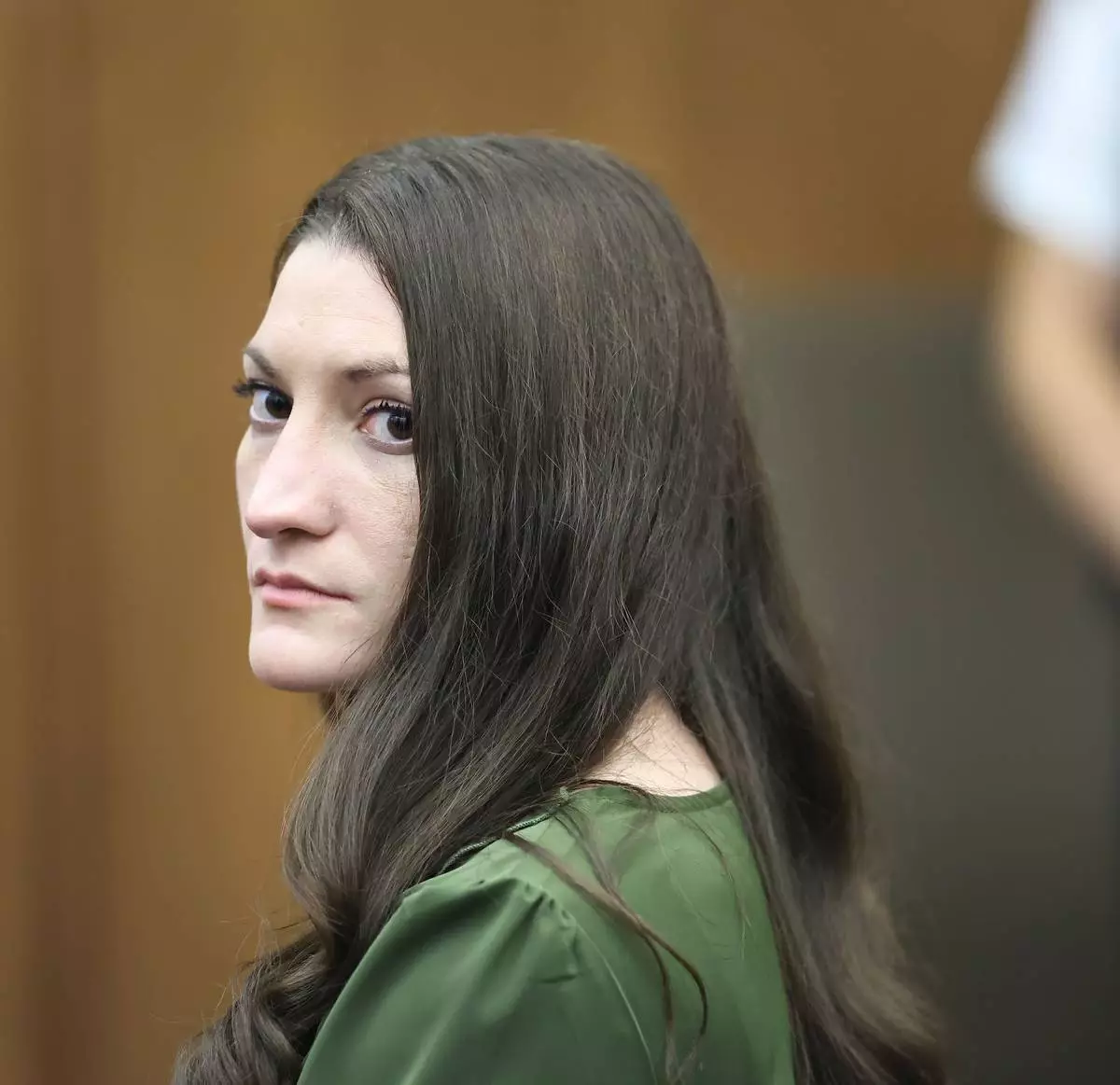
Lindsay Clancy watches jury members as Judge William Sullivan polls them during her murder trial at Plymouth Superior Court in Plymouth, Mass., Monday, Aug. 31, 2026. (Greg Derr/The Patriot Ledger via AP, Pool)
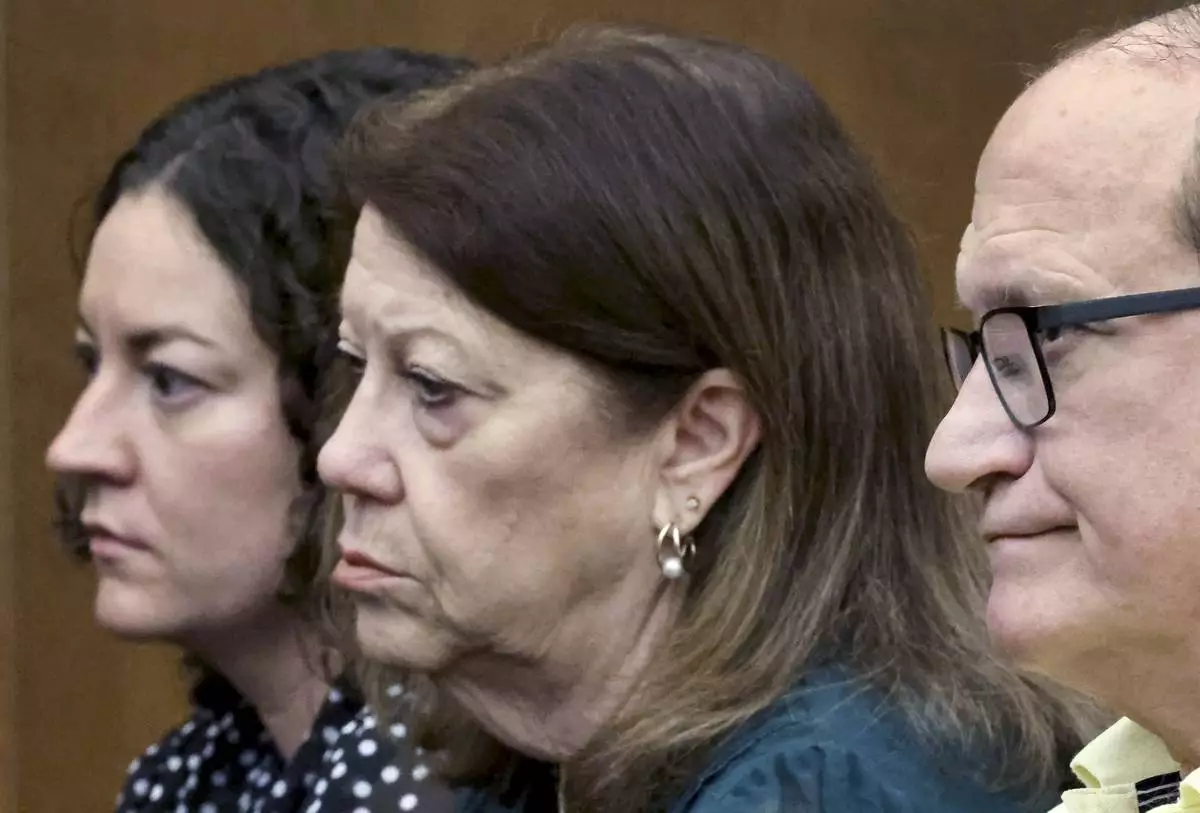
Allison Ozga, Paula and Mike Musgrove listen to Judge Sullivan ask the jury to go back to deliberations. during Lindsay Clancy's murder trial at Plymouth Superior Court in Plymouth, Mass., Tuesday, Sept. 1, 2026. (Greg Derr/The Patriot Ledger via AP, Pool)
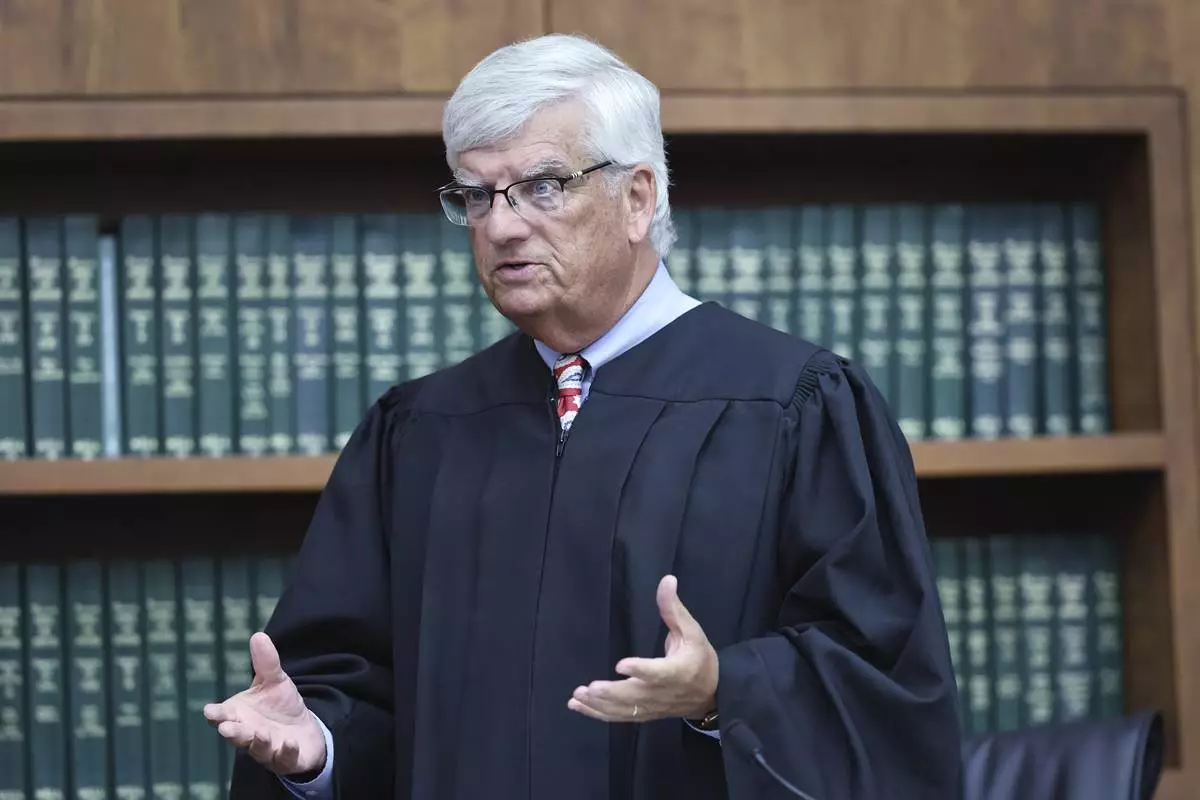
Judge William Sullivan asks the jury to continue deliberations during Lindsay Clancy's murder trial at Plymouth Superior Court in Plymouth, Mass., Tuesday, Sept. 1, 2026. (Greg Derr/The Patriot Ledger via AP, Pool)
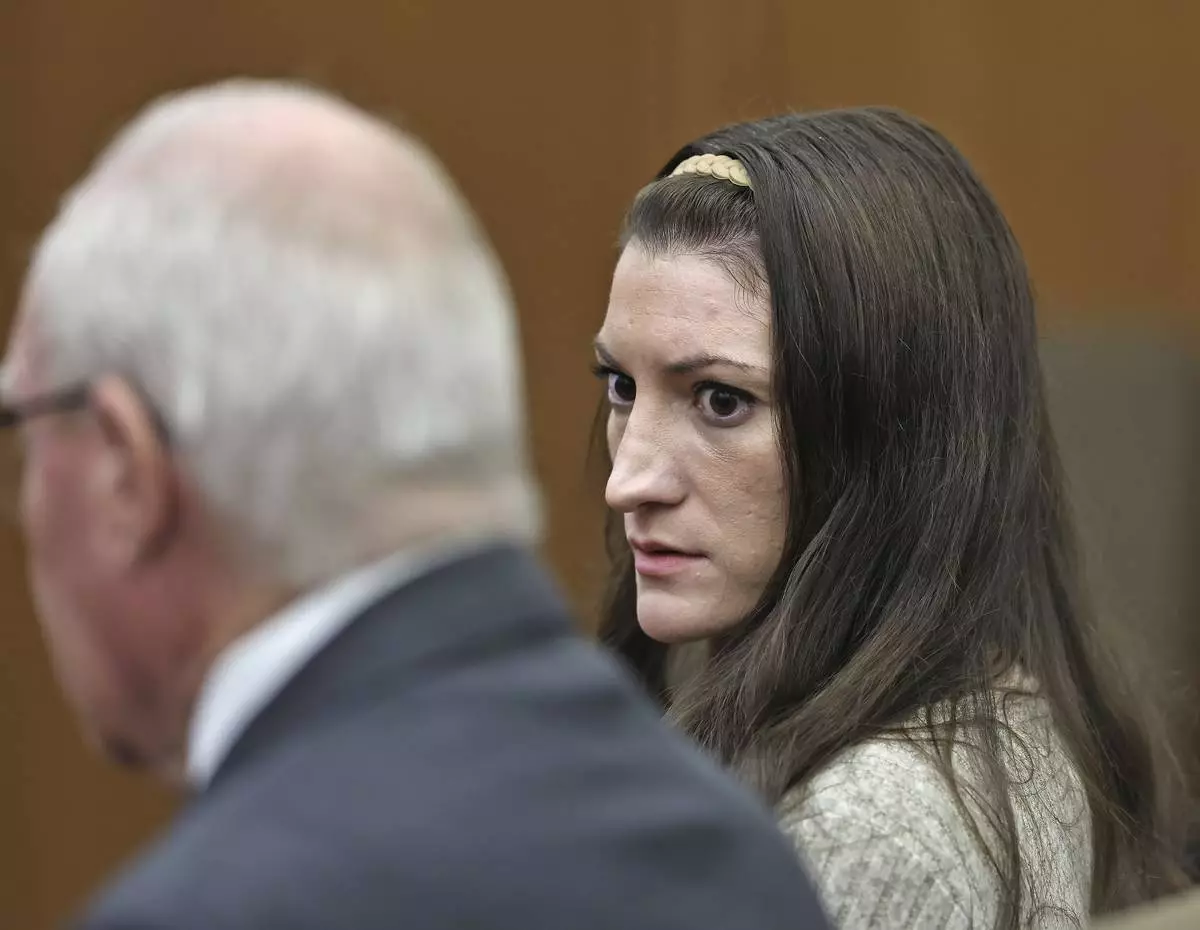
Lindsay Clancy looks to her lawyer Kevin Reddington as the jury keeps deliberating at her murder trial at Plymouth Superior Court in Plymouth, Mass., Tuesday, Sept. 1, 2026. (Greg Derr/The Patriot Ledger via AP, Pool)
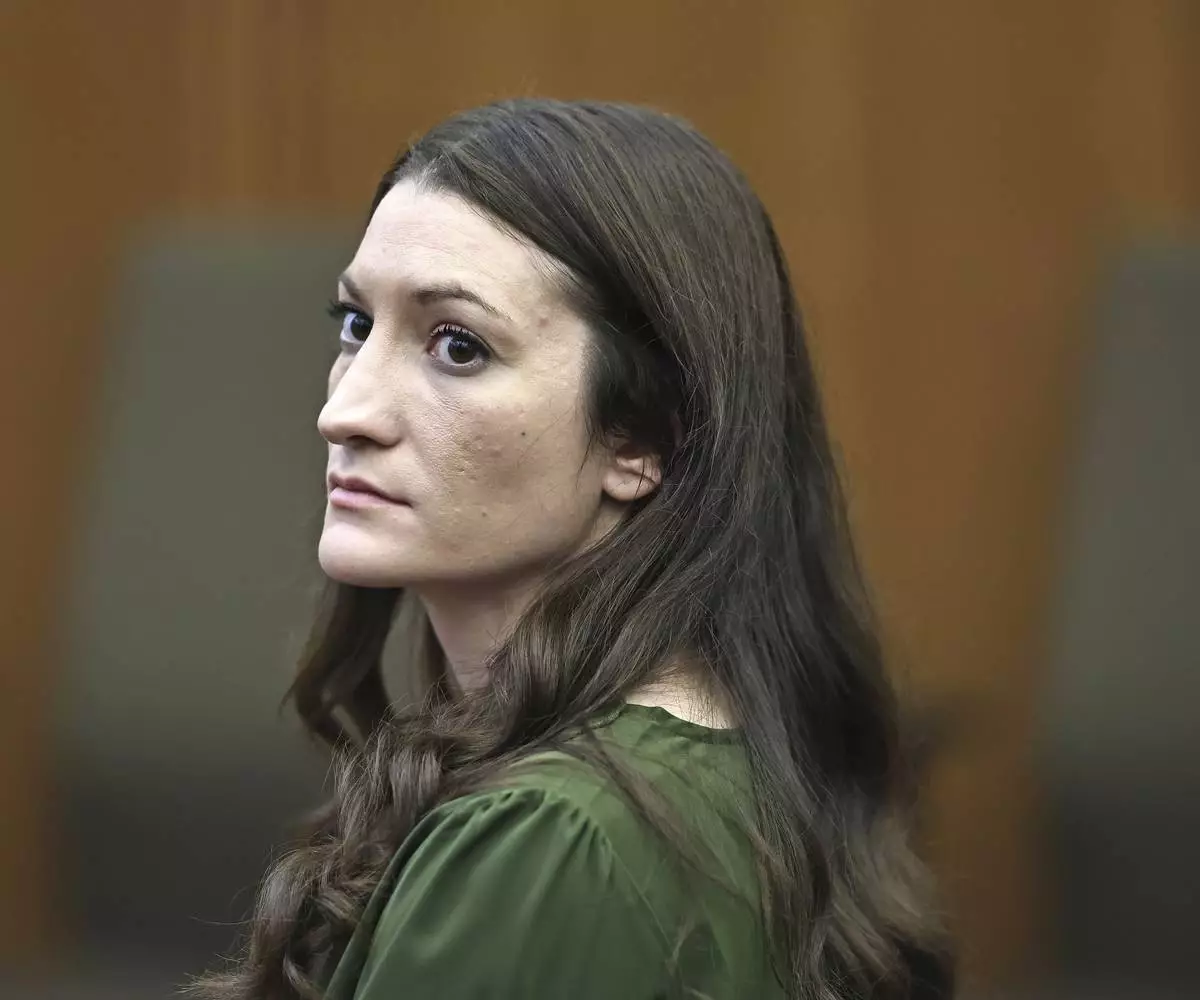
Lindsay Clancy watches jury members as Judge William Sullivan polls them before they start deliberations during her murder trial at Plymouth Superior Court in Plymouth, Mass., Monday, Aug. 31, 2026. (Greg Derr/The Patriot Ledger via AP, Pool)