Skip to Content Facebook Feature Image

Judge tells Lindsay Clancy jury to keep deliberating after they can't get a unanimous decision

News

Judge tells Lindsay Clancy jury to keep deliberating after they can't get a unanimous decision
News

News

Judge tells Lindsay Clancy jury to keep deliberating after they can't get a unanimous decision

2026-09-02 00:18 Last Updated At:00:21

PLYMOUTH, Mass. (AP) — Jurors in the Lindsay Clancy trial said Tuesday they’ve been unable to reach a unanimous decision on whether the Massachusetts mother was criminally responsible for killing her three young children, but the judge told them to keep trying.

The jury is in its fourth day of deliberations in what has been a closely watched trial focused on maternal mental health after childbirth, and which has stirred deep divisions among the public.

More Images
Lindsay Clancy reacts to the jury saying they cannot reach a verdict during her murder trial at Plymouth Superior Court in Plymouth, Mass., Tuesday, Sept. 1, 2026. (Greg Derr/The Patriot Ledger via AP, Pool)
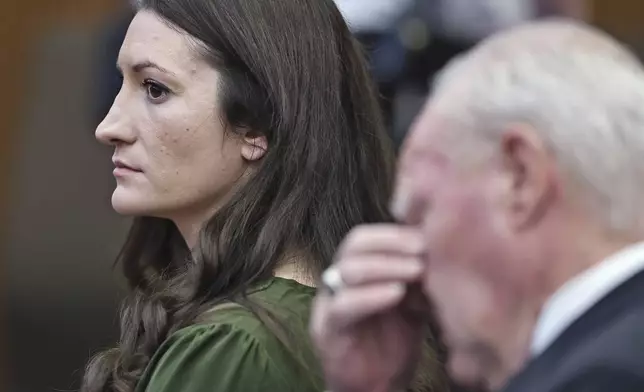
Lindsay Clancy reacts to the jury saying they cannot reach a verdict during her murder trial at Plymouth Superior Court in Plymouth, Mass., Tuesday, Sept. 1, 2026. (Greg Derr/The Patriot Ledger via AP, Pool)

Lindsay Clancy watches jury members as Judge William Sullivan polls them before they start deliberations during her murder trial at Plymouth Superior Court in Plymouth, Mass., Monday, Aug. 31, 2026. (Greg Derr/The Patriot Ledger via AP, Pool)
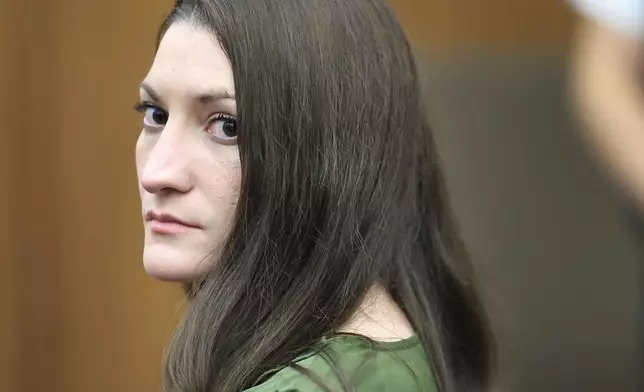
Lindsay Clancy watches jury members as Judge William Sullivan polls them before they start deliberations during her murder trial at Plymouth Superior Court in Plymouth, Mass., Monday, Aug. 31, 2026. (Greg Derr/The Patriot Ledger via AP, Pool)
Lindsay Clancy watches jury members as Judge William Sullivan polls them during her murder trial at Plymouth Superior Court in Plymouth, Mass., Monday, Aug. 31, 2026. (Greg Derr/The Patriot Ledger via AP, Pool)

Lindsay Clancy watches jury members as Judge William Sullivan polls them during her murder trial at Plymouth Superior Court in Plymouth, Mass., Monday, Aug. 31, 2026. (Greg Derr/The Patriot Ledger via AP, Pool)

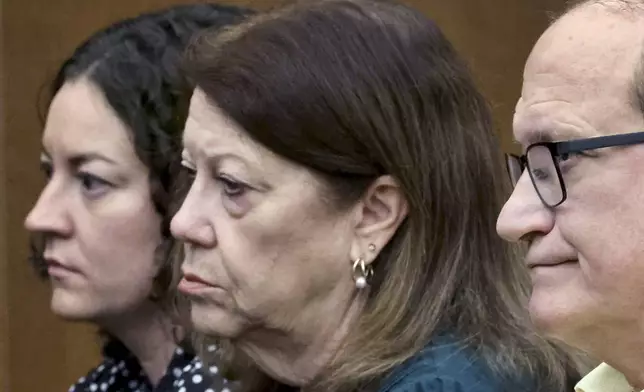
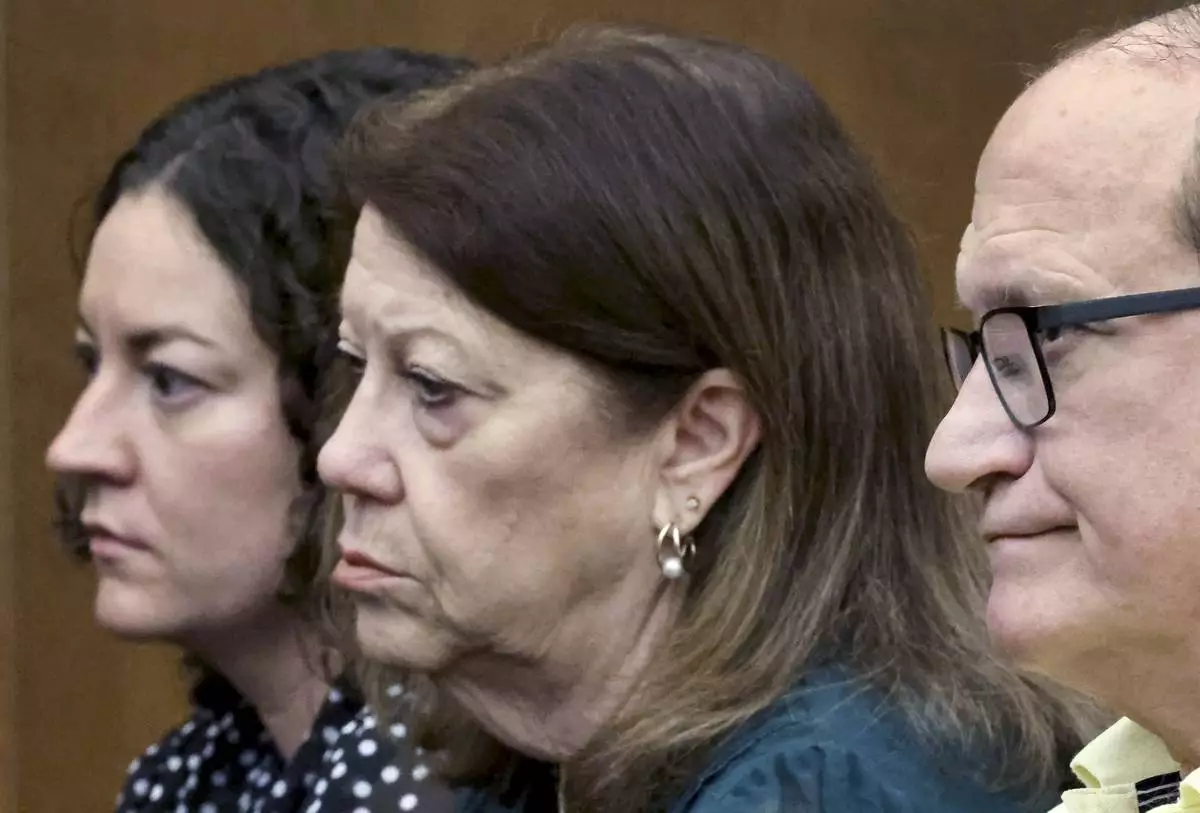
Allison Ozga, Paula and Mike Musgrove listen to Judge Sullivan ask the jury to go back to deliberations. during Lindsay Clancy's murder trial at Plymouth Superior Court in Plymouth, Mass., Tuesday, Sept. 1, 2026. (Greg Derr/The Patriot Ledger via AP, Pool)

Allison Ozga, Paula and Mike Musgrove listen to Judge Sullivan ask the jury to go back to deliberations. during Lindsay Clancy's murder trial at Plymouth Superior Court in Plymouth, Mass., Tuesday, Sept. 1, 2026. (Greg Derr/The Patriot Ledger via AP, Pool)
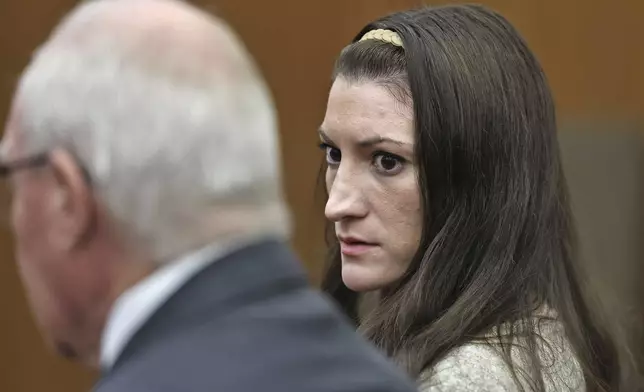
Judge William Sullivan asks the jury to continue deliberations during Lindsay Clancy's murder trial at Plymouth Superior Court in Plymouth, Mass., Tuesday, Sept. 1, 2026. (Greg Derr/The Patriot Ledger via AP, Pool)
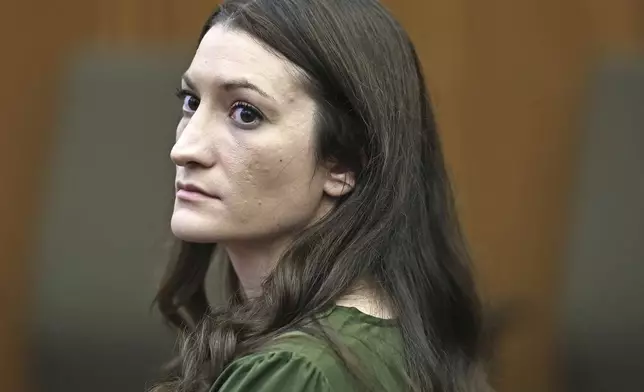
Judge William Sullivan asks the jury to continue deliberations during Lindsay Clancy's murder trial at Plymouth Superior Court in Plymouth, Mass., Tuesday, Sept. 1, 2026. (Greg Derr/The Patriot Ledger via AP, Pool)

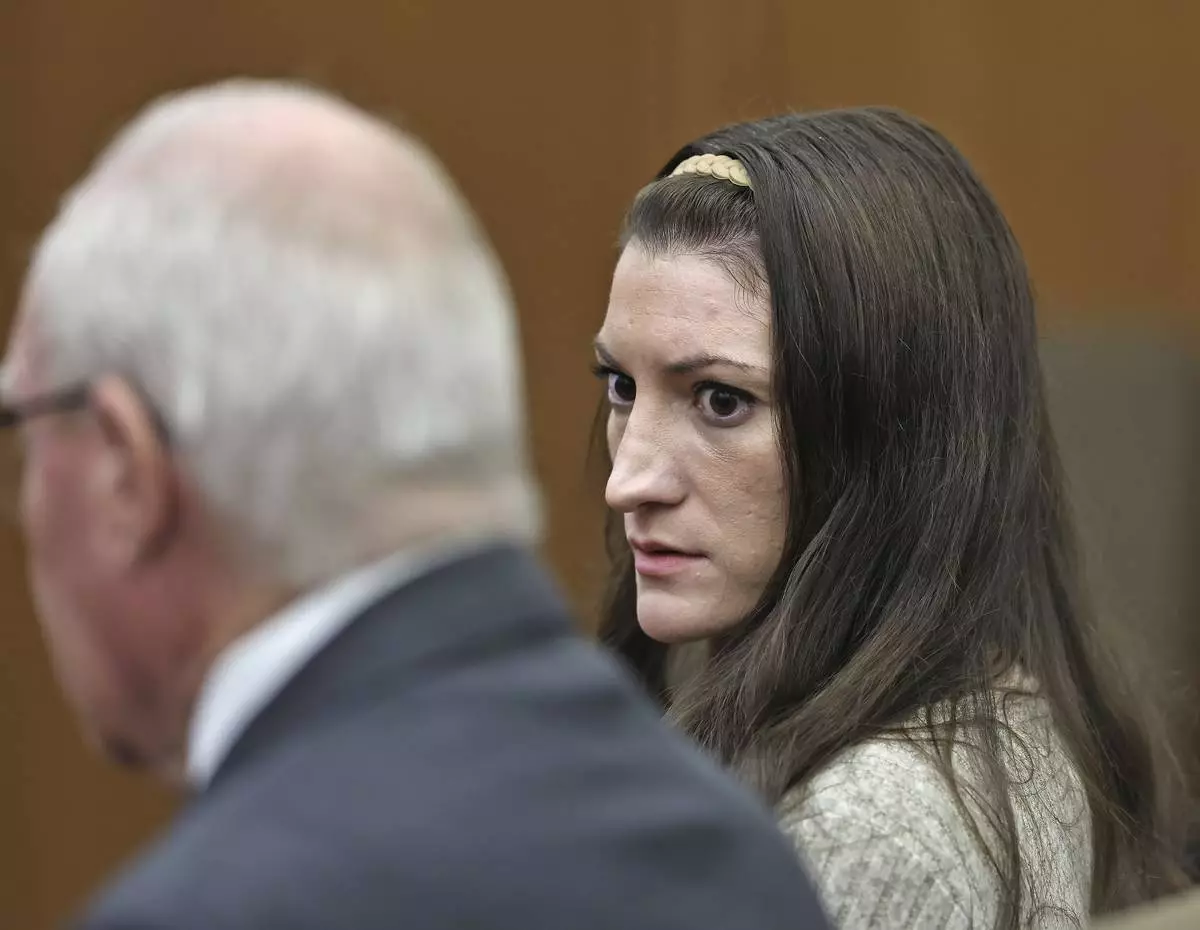
Lindsay Clancy looks to her lawyer Kevin Reddington as the jury keeps deliberating at her murder trial at Plymouth Superior Court in Plymouth, Mass., Tuesday, Sept. 1, 2026. (Greg Derr/The Patriot Ledger via AP, Pool)

Lindsay Clancy looks to her lawyer Kevin Reddington as the jury keeps deliberating at her murder trial at Plymouth Superior Court in Plymouth, Mass., Tuesday, Sept. 1, 2026. (Greg Derr/The Patriot Ledger via AP, Pool)

Lindsay Clancy watches jury members as Judge William Sullivan polls them before they start deliberations during her murder trial at Plymouth Superior Court in Plymouth, Mass., Monday, Aug. 31, 2026. (Greg Derr/The Patriot Ledger via AP, Pool)

Lindsay Clancy watches jury members as Judge William Sullivan polls them before they start deliberations during her murder trial at Plymouth Superior Court in Plymouth, Mass., Monday, Aug. 31, 2026. (Greg Derr/The Patriot Ledger via AP, Pool)

This was the first time the jury gave any indication they were at an impasse. Clancy stared straight ahead as the jury entered, then looked toward them as the judge spoke to the panel.

“I know that this was a long trial, all right,” Judge William Sullivan said. “I know there were over 80 witnesses. There were over 300 exhibits. But because of that, I’m going to ask you to go back out.”

Clancy, a former labor and delivery nurse, doesn’t deny strangling her children but says postpartum psychosis led to her actions. Prosecutors argue she knew what she was doing. Clancy, 36, has pleaded not guilty by reason of lack of criminal responsibility.

EDITOR’S NOTE: This story includes discussion of suicide. If you or someone you know needs help, the national suicide and crisis lifeline in the U.S. is available by calling or texting 988.

The jury could convict her of murder or manslaughter, or acquit her if jurors believe her deteriorating mental health was to blame. A conviction could lead to a life prison sentence. If she is acquitted, a judge could still order her confined to a mental health facility if an evaluation determines she is a danger to the public.

If the jurors can’t reach a verdict and a mistrial is declared, the charges against Clancy would remain and prosecutors would need to decide whether to try Clancy again.

The jury began deliberating on Thursday afternoon. On Friday, they asked to look at a knife that Clancy used to cut herself shortly after the killings, and bags with empty prescription pill bottles found in her house.

During more than four weeks of testimony, jurors heard differing views from medical experts about Clancy’s mental state after the birth of her third child, as well as her culpability.

Clancy's lawyer argued she loved her children, but killed them because she lost her grip on reality — and on herself — due to postpartum psychosis, a rare mental illness that can follow childbirth.

Both Clancy’s mother and sister testified that she became anxious, paranoid and suicidal. Clancy sought treatment for her worsening mental health, including a stay in a psychiatric hospital, in the months before killing Cora, Dawson and Callan Clancy, ages 5, 3 and 8 months.

Less than three weeks after being discharged, she sent her husband out on an errand and killed the children with exercise bands in the basement of their home south of Boston. She then jumped from a second-floor window and remains paralyzed from the waist down.

Prosecutors said Clancy was depressed and tired of living, and made a conscious choice to kill the children before attempting suicide. A forensic psychologist who testified for the prosecution said he concluded that Clancy killed the children because she wanted to end her life but didn’t want to leave them behind.

According to her defense, she had bipolar disorder and postpartum psychosis that, ultimately, led her to believe she heard a voice telling her to kill the children so she could end her own life. A psychologist who took the stand for the defense said Clancy didn’t recognize the “wrongfulness” of killing her children because of her mental health issues.

Clancy chose not to testify. She watched the proceedings from the defense table, occasionally weeping, as when prosecutors showed autopsy photos of the children to the jury.

Jurors also spent two days listening to testimony from her former husband, Patrick Clancy, and his anguished 911 call. He was still on the phone when he discovered the children's bodies, minutes after finding his wife badly injured in the yard.

Patrick Clancy has said in interviews that he forgives his ex-wife, whom he viewed as ill rather than evil. The trial marks the first time he has seen Lindsay Clancy since the killings.

Postpartum psychosis, the condition that Clancy’s attorney says she had when she killed the children, is more serious and less common than postpartum depression.

Researchers estimate that the condition afflicts 1 to 2 out of 1,000 women after delivery. Although most who develop it don’t harm their children, mothers with severe cases might try to harm themselves or their kids.

Lindsay Clancy reacts to the jury saying they cannot reach a verdict during her murder trial at Plymouth Superior Court in Plymouth, Mass., Tuesday, Sept. 1, 2026. (Greg Derr/The Patriot Ledger via AP, Pool)
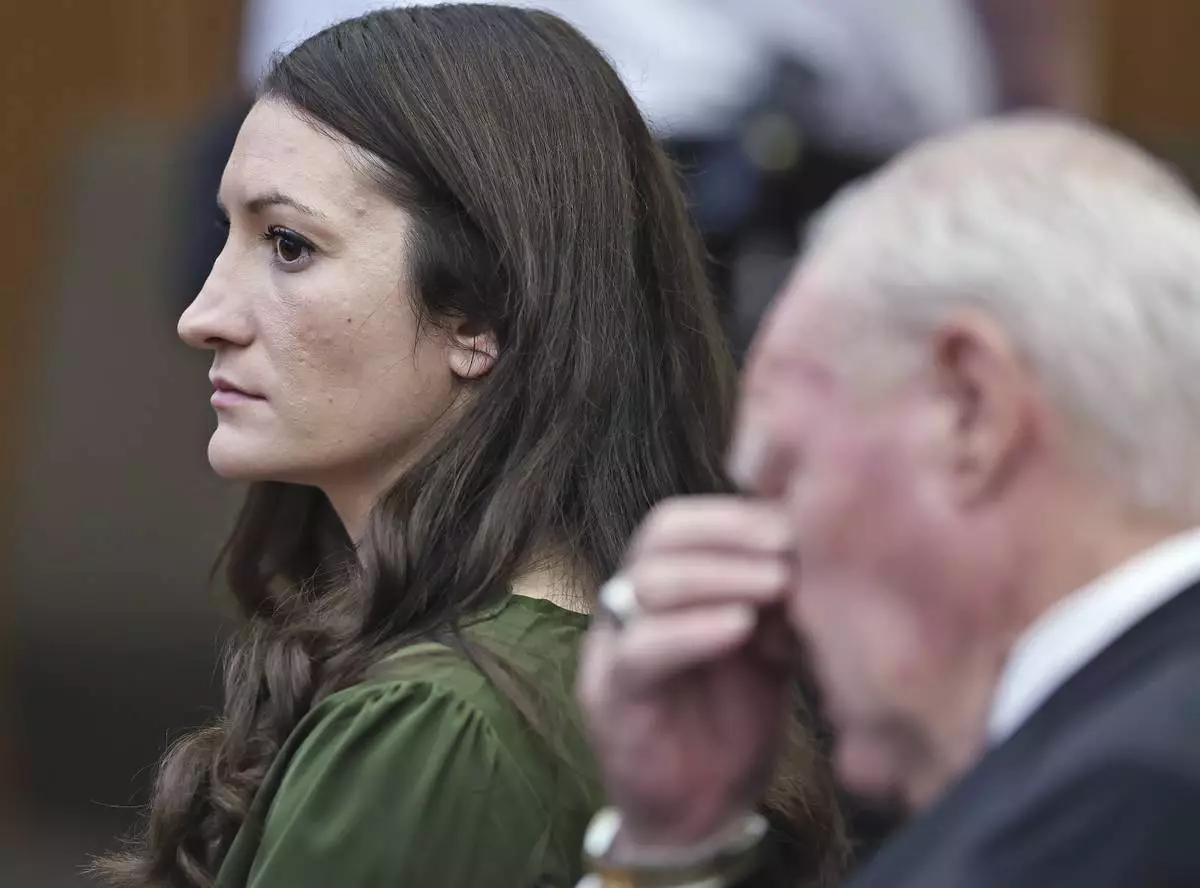
Lindsay Clancy reacts to the jury saying they cannot reach a verdict during her murder trial at Plymouth Superior Court in Plymouth, Mass., Tuesday, Sept. 1, 2026. (Greg Derr/The Patriot Ledger via AP, Pool)

Lindsay Clancy watches jury members as Judge William Sullivan polls them before they start deliberations during her murder trial at Plymouth Superior Court in Plymouth, Mass., Monday, Aug. 31, 2026. (Greg Derr/The Patriot Ledger via AP, Pool)
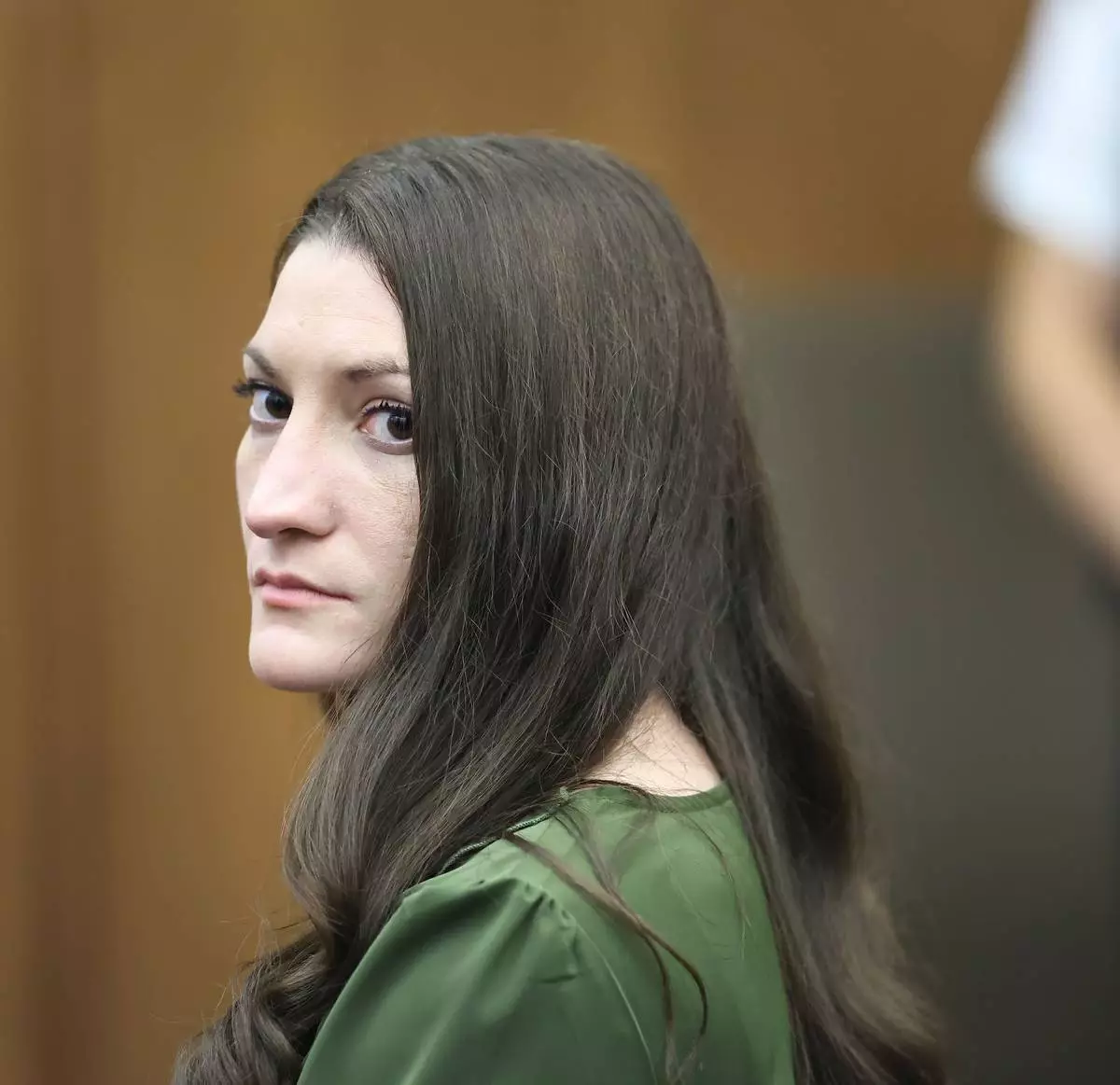
Lindsay Clancy watches jury members as Judge William Sullivan polls them before they start deliberations during her murder trial at Plymouth Superior Court in Plymouth, Mass., Monday, Aug. 31, 2026. (Greg Derr/The Patriot Ledger via AP, Pool)
Lindsay Clancy watches jury members as Judge William Sullivan polls them during her murder trial at Plymouth Superior Court in Plymouth, Mass., Monday, Aug. 31, 2026. (Greg Derr/The Patriot Ledger via AP, Pool)

Lindsay Clancy watches jury members as Judge William Sullivan polls them during her murder trial at Plymouth Superior Court in Plymouth, Mass., Monday, Aug. 31, 2026. (Greg Derr/The Patriot Ledger via AP, Pool)

Allison Ozga, Paula and Mike Musgrove listen to Judge Sullivan ask the jury to go back to deliberations. during Lindsay Clancy's murder trial at Plymouth Superior Court in Plymouth, Mass., Tuesday, Sept. 1, 2026. (Greg Derr/The Patriot Ledger via AP, Pool)

Allison Ozga, Paula and Mike Musgrove listen to Judge Sullivan ask the jury to go back to deliberations. during Lindsay Clancy's murder trial at Plymouth Superior Court in Plymouth, Mass., Tuesday, Sept. 1, 2026. (Greg Derr/The Patriot Ledger via AP, Pool)
Judge William Sullivan asks the jury to continue deliberations during Lindsay Clancy's murder trial at Plymouth Superior Court in Plymouth, Mass., Tuesday, Sept. 1, 2026. (Greg Derr/The Patriot Ledger via AP, Pool)

Judge William Sullivan asks the jury to continue deliberations during Lindsay Clancy's murder trial at Plymouth Superior Court in Plymouth, Mass., Tuesday, Sept. 1, 2026. (Greg Derr/The Patriot Ledger via AP, Pool)

Lindsay Clancy looks to her lawyer Kevin Reddington as the jury keeps deliberating at her murder trial at Plymouth Superior Court in Plymouth, Mass., Tuesday, Sept. 1, 2026. (Greg Derr/The Patriot Ledger via AP, Pool)

Lindsay Clancy looks to her lawyer Kevin Reddington as the jury keeps deliberating at her murder trial at Plymouth Superior Court in Plymouth, Mass., Tuesday, Sept. 1, 2026. (Greg Derr/The Patriot Ledger via AP, Pool)

Lindsay Clancy watches jury members as Judge William Sullivan polls them before they start deliberations during her murder trial at Plymouth Superior Court in Plymouth, Mass., Monday, Aug. 31, 2026. (Greg Derr/The Patriot Ledger via AP, Pool)

Lindsay Clancy watches jury members as Judge William Sullivan polls them before they start deliberations during her murder trial at Plymouth Superior Court in Plymouth, Mass., Monday, Aug. 31, 2026. (Greg Derr/The Patriot Ledger via AP, Pool)
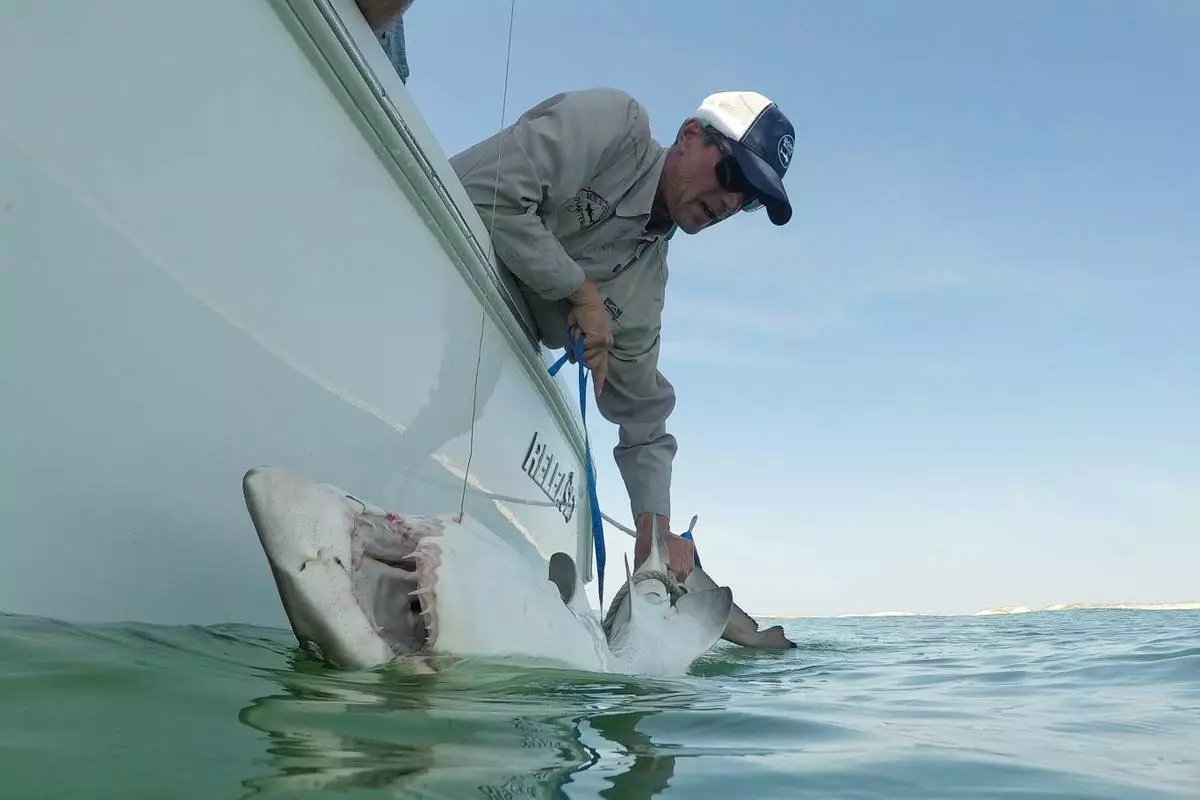
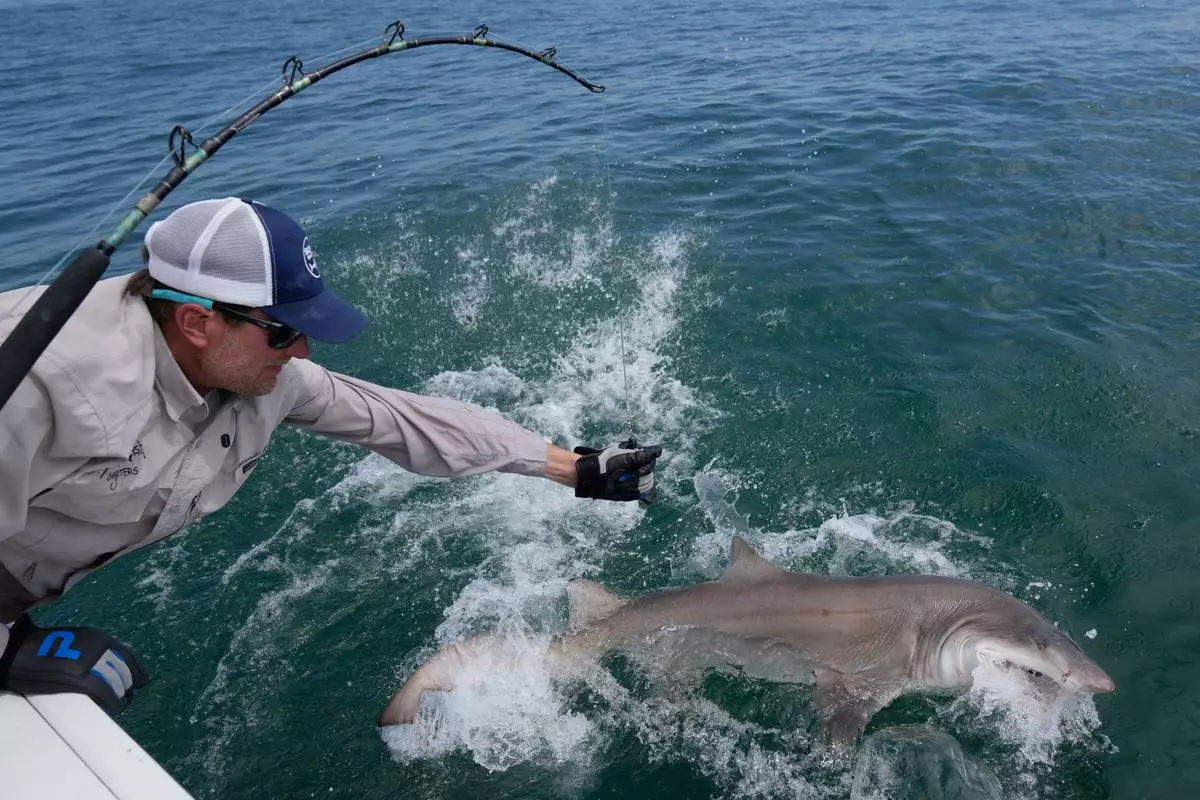
SOUTHAMPTON, N.Y. (AP) — Just off one of New York’s famed Hamptons beaches, shark researcher Greg Metzger reels in one of the day’s prize catches: a young but powerful sand tiger shark.

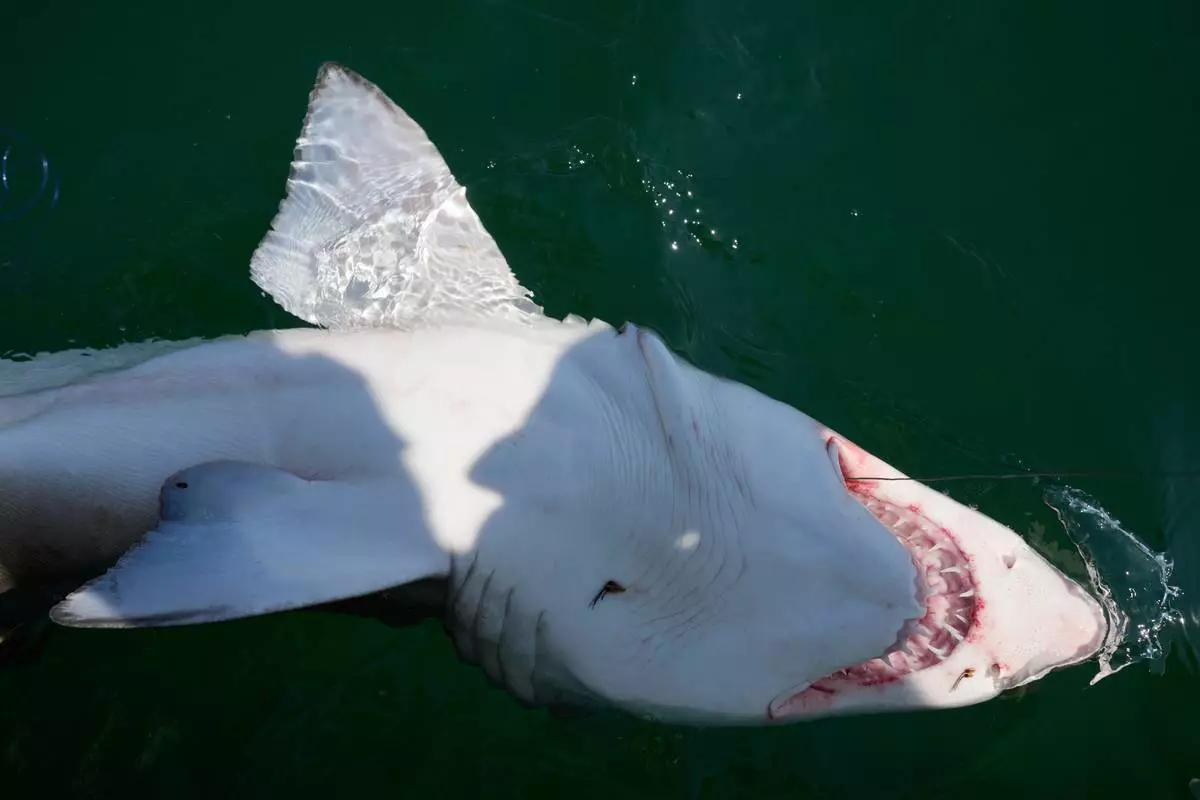
He and another marine researcher quickly lasso the tail of the sharp-toothed female to the side of the boat and hold it steady as they take tissue samples and work to attach small data collection devices. Metzger marvels as the shark’s thick, rugged skin snaps a surgical-grade scalpel.

“It’s no surprise that they’ve been around since prehistoric times and they’re still going strong,” Metzger says as he stitches up the incision and sends it along its way.

Metzger and other researchers are catching, tagging and releasing a wide range of sharks as they seek to understand the local population and shed more light on one of the world’s few confirmed great white shark nurseries, where masses of young predators spend their first vulnerable years feeding and growing. Other white shark nurseries recognized globally are in the coastal waters off California, Mexico and Australia.

“It’s that initial fear of sharks that captures people’s imagination,” said Metzger, who also teaches marine science at Southampton High School. “Hopefully, through educational opportunities like today, we’ll be able to show that these sharks are far from mindless eating machines.”

The researchers attach different types of tags. One relays location by sending an acoustic signal that can be detected by monitoring receivers set up along the coast. Another measures depth and water temperature for several months, then pops off.

The data illustrates how sharks can cover vast distances in a year, said Bradley Peterson, the Stony Brook University marine scientist working with Metzger this particular day.

“Their tags are being detected in North Carolina and Georgia and Florida and the Gulf of Mexico, and then they’ll be back here the following year,” he said. “So a lot of them are coming up here to get themselves fueled up and fattened up.”

The research also suggests more varied species of sharks are coming up from more tropical southern waters during the summer months, as the waters off Long Island's coast and elsewhere are warming, likely due to climate change, said Frank Quevedo, executive director at the South Fork Natural History Museum and Nature Center, which is coordinating the research.

“We’re seeing more spinner sharks, more black tip sharks, more bull sharks,” he said as he showed off the Bridgehampton museum’s interactive exhibit on the work. “These are temperate sharks that utilize this habitat when the food source is here. So right now is like prime time.”

To be clear, the waters off Long Island have long been known to be a haven for all manner of sharks. The bestselling Peter Benchley novel “Jaws” was set in a fictional seaside town in the Hamptons before the blockbuster film version, which Netflix is bringing back to its streaming library Tuesday along with its sequels, was shot on location on Martha’s Vineyard, Massachusetts.

The International Shark Attack File, a database at the Florida Museum of Natural History, includes no records of a fatal shark attack on Long Island, though beachgoers have been bitten in recent years, including one this summer, prompting local officials to invest in safety measures, including shark-spotting drones.

“There’s this huge misconception that there’s this surge of sharks in Long Island waters. These sharks have always been here,” Metzger said. “A reason why we’re seeing more is because of technology. There’s more drones. Everybody’s got a cellphone now.”

Quevedo says baby whites are already about 4 feet (1.2 meters) long and weigh up to 80 pounds (36 kilograms) at birth, and they aren’t reared by their mothers, meaning they must immediately fend for themselves.

That's why they're drawn to the relatively shallow, coastal areas off Long Island, where they can safely feed on schools of fish away from other predators, including older sharks, he said.

“It’s just like in nursery school, where kids learn the basics,” Quevedo explained.

As they mature, the great whites head north to feast on larger prey, particularly the teeming colonies of seals along the beaches of Cape Cod in Massachusetts.

But as local waters warm, researchers have observed young whites venturing into New England waters sooner, bringing them dangerously close to the adult predators, Quevedo said.

When “Jaws” burst onto the cultural scene more than 50 years ago, it led to a surge in recreational fishing for great whites off the Hamptons that had a devastating effect, according to Quevedo.

Great whites don’t mate until they’re into their 20s and later, meaning many likely never had a chance to reproduce.

“When you kill a shark at a size of 10 years, that shark can only be a juvenile, never reproduced before,” Quevedo said. “So you’re wiping out that whole species, that whole population.”

Conservation efforts in recent decades have helped white sharks and others rebound, though their numbers are nowhere near what they likely were more than a century ago, he added.

“The predators are the ones that are balance keepers,” Quevedo said. “If we can protect apex predators around the world, you’re pretty much sustaining the world and keeping it as healthy as possible.”

Associated Press reporters Ted Shaffrey and Julie Walker contributed to this story.

Follow Philip Marcelo at https://x.com/philmarcelo

A sand tiger shark is brought along side a boat after being caught for scientific study off the coast of Hampton Bays, N.Y., Thursday, Aug. 20, 2026. (AP Photo/Seth Wenig)

A sand tiger shark is brought along side a boat after being caught for scientific study off the coast of Hampton Bays, N.Y., Thursday, Aug. 20, 2026. (AP Photo/Seth Wenig)

Greg Metzger, lead field biologist for SOFO's shark research and education program, catches a sand tiger shark off the coast of Hampton Bays, N.Y., Thursday, Aug. 20, 2026. (AP Photo/Seth Wenig)

Greg Metzger, lead field biologist for SOFO's shark research and education program, catches a sand tiger shark off the coast of Hampton Bays, N.Y., Thursday, Aug. 20, 2026. (AP Photo/Seth Wenig)

Greg Metzger, lead field biologist for SOFO's shark research and education program, catches a sand tiger shark off the coast of Hampton Bays, N.Y., Thursday, Aug. 20, 2026. (AP Photo/Seth Wenig)

Greg Metzger, lead field biologist for SOFO's shark research and education program, catches a sand tiger shark off the coast of Hampton Bays, N.Y., Thursday, Aug. 20, 2026. (AP Photo/Seth Wenig)

Recommended Articles