BUENOS AIRES (AP) — What now for Argentina?
Lionel Messi announced his retirement from the national team on Monday after a 21-year career, leaving behind a legacy of 125 goals and the 2022 World Cup title. As captain and talisman, his departure raises big questions about the future of a team that reached the World Cup final just six weeks ago.
“I gave it my all; I have nothing left to give,” Messi wrote in an Instagram post. “Besides, there are young players coming up who deserve to be here.”
Messi made his senior debut in 2005, went on to become Argentina’s all-time leading scorer, and appeared in six World Cups. He holds the records for both the most games played (34) and most victories (23) in the history of the tournament.
At 39, the end of Messi’s international career was imminent. Yet, the official confirmation struck a emotional chord with teammates and fans alike — especially the younger generation who grew up watching him wear the Albiceleste colors.
“I was just a kid, calculating the age gap between us to see if I might one day get to play alongside you,” said 25-year-old midfielder Enzo Fernández, who debuted just months before the Qatar World Cup. “It’s hard for me to picture the next training camp without you — stepping onto the pitch and not seeing you up front in that No. 10 jersey. ... We’re going to miss you dearly, Captain.”
Can Argentina’s inexhaustible talent pool produce another global megastar?
The same question arose in 1994, when Diego Maradona’s time with the Albiceleste came to a traumatic end following a positive drug test at the World Cup in the United States. More than a decade passed before a player capable of claiming his throne emerged, and it took 36 years for Argentina to lift the trophy again.
“Argentina has a deep-rooted culture. Players grow up learning the craft on the street and at local clubs; football permeates everything,” said 1986 World Cup champion and sports columnist Jorge Valdano in an interview with The Associated Press last May.
“In that environment, a genius is far more likely to emerge. But to become Messi, you need to win both the genetic lottery and the social lottery,” Valdano added.
There is currently no player who matches Messi’s technical brilliance. However, several young prospects are competing for the playmaker role in the Argentina team.
Nico Paz and Thiago Almada both shared the pitch with Messi at the recent World Cup, though neither quite dazzled. Paz was named the best midfielder in Serie A last season with Como, while Almada, who started early in the tournament before being relegated to the bench, recently left Atlético Madrid to join River Plate.
In the twilight of his career, hampered by recurring physical issues, Messi missed more than 20 national team matches. Yet Argentina maintained a winning record without him. During World Cup qualifying, manager Lionel Scaloni adjusted tactically, regularly pairing center-forwards Julián Álvarez and Lautaro Martínez, while turning to Almada and Paz to step into the traditional No. 10 role.
Even so, Messi’s pivotal performance at the recent World Cup — where he repeatedly rescued an Argentina side that struggled collectively — underscores just how difficult he will be to replace.
Messi’s successor is not the only question mark hovering over Argentina’s future.
Coach Lionel Scaloni — the architect of the most successful era in Argentine football history that also included two Copa America titles — hinted that he might step down at the end of the year following Argentina’s loss to Spain in the World Cup final.
With his captain officially retiring, retaining Scaloni — whose contract runs through December — is vital to guiding the squad through this transition. Their first major test will be the 2028 Copa America.
Fortunately, much of the core roster remains young enough to still be in their prime at the 2030 World Cup, which Argentina will partially co-host. Key pillars include defenders Cristian Romero and Lisandro Martínez (both 28), full-back Facundo Medina (27), midfielders Enzo Fernández (25), Alexis Mac Allister (27), and Valentín Barco (22), alongside forwards Giuliano Simeone (23) and Julián Álvarez (26).
Scaloni, who currently resides in Spain, is set to arrive in Buenos Aires in the coming days to plan upcoming friendlies scheduled for late September, October, and November. The Argentine Football Association (AFA) has yet to confirm the opponents.
See AP’s full soccer coverage here

FILE - Argentina's Lionel Messi (10) checks his runners-up medal after the World Cup final soccer match between Spain and Argentina in East Rutherford, N.J., near New York, July 19, 2026. (AP Photo/Matt Rourke, File)

A mural of Argentine soccer player Lionel Messi holding the World Cup trophy covers a building in Buenos Aires, Argentina, Monday, Aug. 31, 2026. (AP Photo/Natacha Pisarenko)

A mural of Argentine soccer player Lionel Messi covers a building in Buenos Aires, Argentina, Monday, Aug. 31, 2026. (AP Photo/Natacha Pisarenko)
PLYMOUTH, Mass. (AP) — Jurors in the Lindsay Clancy trial ended a fourth day of deliberations without a verdict Tuesday after earlier saying they couldn’t agree whether the Massachusetts mother is criminally responsible for killing her three young children.
Not long after arriving at the courthouse, the jury sent Judge William Sullivan a note saying they had been unable to reach a unanimous decision despite many hours of back and forth. He told them to keep trying.
It was the jury’s first indication of an impasse in the closely watched trial that has focused on maternal mental health after childbirth, and which has stirred deep divisions among the public.
Clancy, a former labor and delivery nurse, doesn’t deny strangling her children but says postpartum psychosis led to her actions. Prosecutors argue she knew what she was doing. Clancy, 36, has pleaded not guilty by reason of lack of criminal responsibility.
EDITOR’S NOTE: This story includes discussion of suicide. If you or someone you know needs help, the national suicide and crisis lifeline in the U.S. is available by calling or texting 988.
Clancy stared straight ahead as the jury entered in the morning to say they were at a standstill, then looked toward them as the judge spoke.
Sullivan told the jurors that he recognized it had been a long trial with more than 80 witnesses and 300 exhibits. “But because of that, I’m going to ask you to go back out,” he said.
They're expected to resume deliberations Thursday.
The jury could convict her of murder or manslaughter, or acquit her if jurors believe her deteriorating mental health was to blame. A conviction could lead to a life prison sentence. If she is acquitted, a judge could still order her confined to a mental health facility if an evaluation determines she is a danger to the public.
If jurors can’t reach a verdict and a mistrial is declared, the charges against Clancy would remain. Prosecutors would need to decide whether to try Clancy again before an entirely new group of jurors.
Prosecutors could offer a plea deal to Clancy, although her attorney is more likely to push for them to drop the charges, said Brad Bailey, a Boston defense attorney and former prosecutor who is not involved in the case.
The jury began deliberating on Thursday afternoon. On Friday, they asked to look at a knife that Clancy used to cut herself shortly after the killings, and bags with empty prescription pill bottles found in her house.
During more than four weeks of testimony, jurors heard differing views from medical experts.
Clancy's lawyer argued she loved her children, but killed them because she lost her grip on reality — and on herself — due to bipolar disorder and postpartum psychosis, a rare mental illness that can follow childbirth.
Prosecutors said Clancy was depressed and tired of living, and made a conscious choice to kill the children. A forensic psychologist who testified for the prosecution said he concluded that Clancy killed the children because she wanted to end her life but didn’t want to leave them behind.
Clancy’s mother and sister testified that she became anxious, paranoid and suicidal after the birth of her third child. She sought treatment for her worsening mental health, including a stay in a psychiatric hospital, in the months before killing Cora, Dawson and Callan Clancy, ages 5, 3 and 8 months.
Less than three weeks after being discharged, she sent her husband on an errand and killed the children with exercise bands in the basement of their home south of Boston. She then jumped from a second-floor window and remains paralyzed from the waist down. Her lawyers say she heard a voice telling her to kill the children so she could end her own life.
Clancy chose not to testify. She watched the proceedings from the defense table, occasionally weeping, as when prosecutors showed autopsy photos of the children to the jury.
Jurors spent two days listening to testimony from her former husband, Patrick Clancy, and his anguished 911 call. He was on the phone when he discovered the children's bodies, minutes after finding his wife.
Patrick Clancy has said in interviews that he forgives his ex-wife, whom he viewed as ill rather than evil. The trial marks the first time he has seen Lindsay Clancy since the killings.
Postpartum psychosis, the condition that Clancy’s attorney says she had when she killed the children, is more serious and less common than postpartum depression. Researchers estimate that the condition afflicts 1 to 2 out of 1,000 women after delivery.
Associated Press reporter Dave Collins in Hartford, Connecticut, contributed.
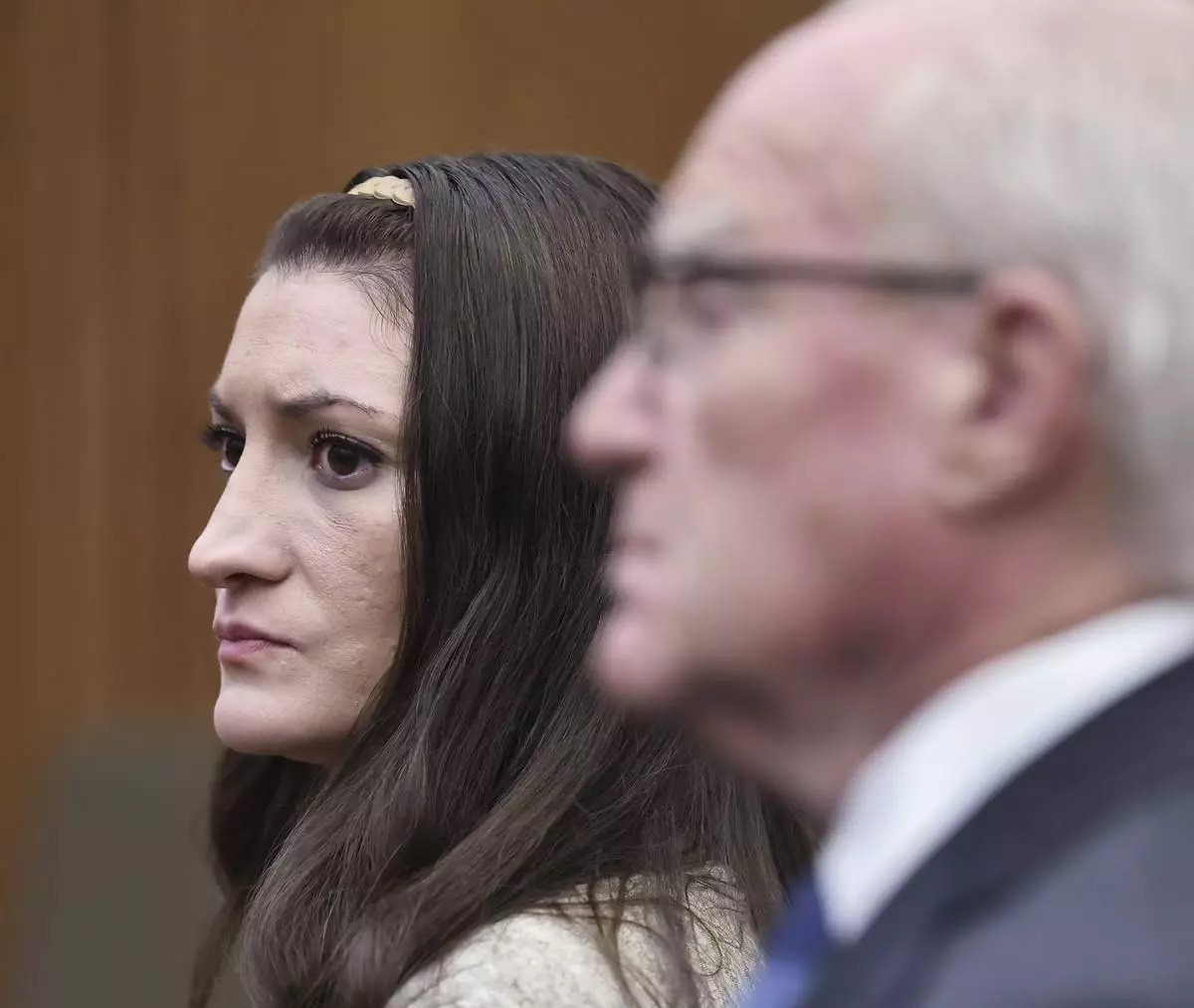
Lindsay Clancy looks at the jurors seated in the courtroom during her murder trial at Plymouth Superior Court in Plymouth, Mass., Tuesday, Sept. 1, 2026. (Greg Derr/The Patriot Ledger via AP, Pool)
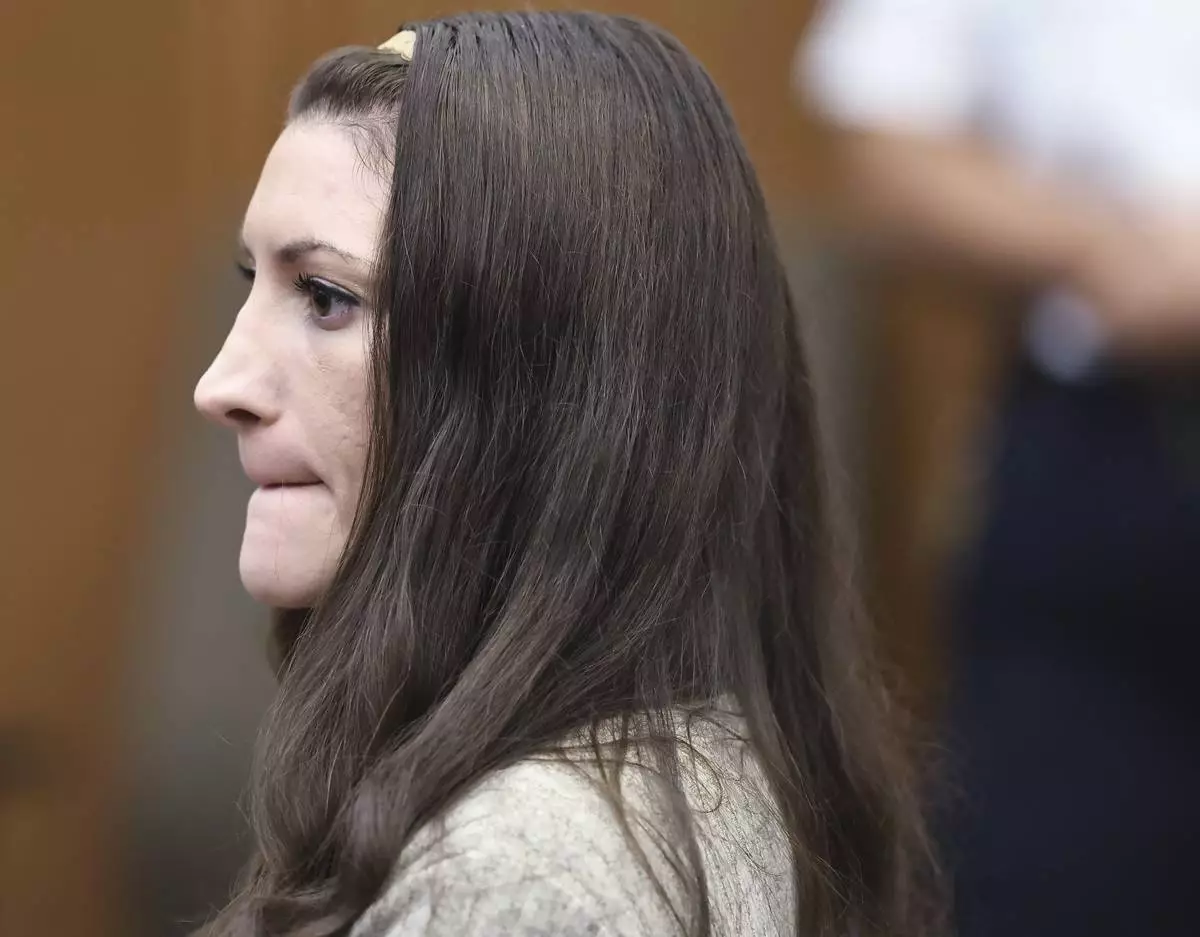
Lindsay Clancy reacts to the jury saying they cannot reach a verdict during her murder trial at Plymouth Superior Court in Plymouth, Mass., Tuesday, Sept. 1, 2026. (Greg Derr/The Patriot Ledger via AP, Pool)
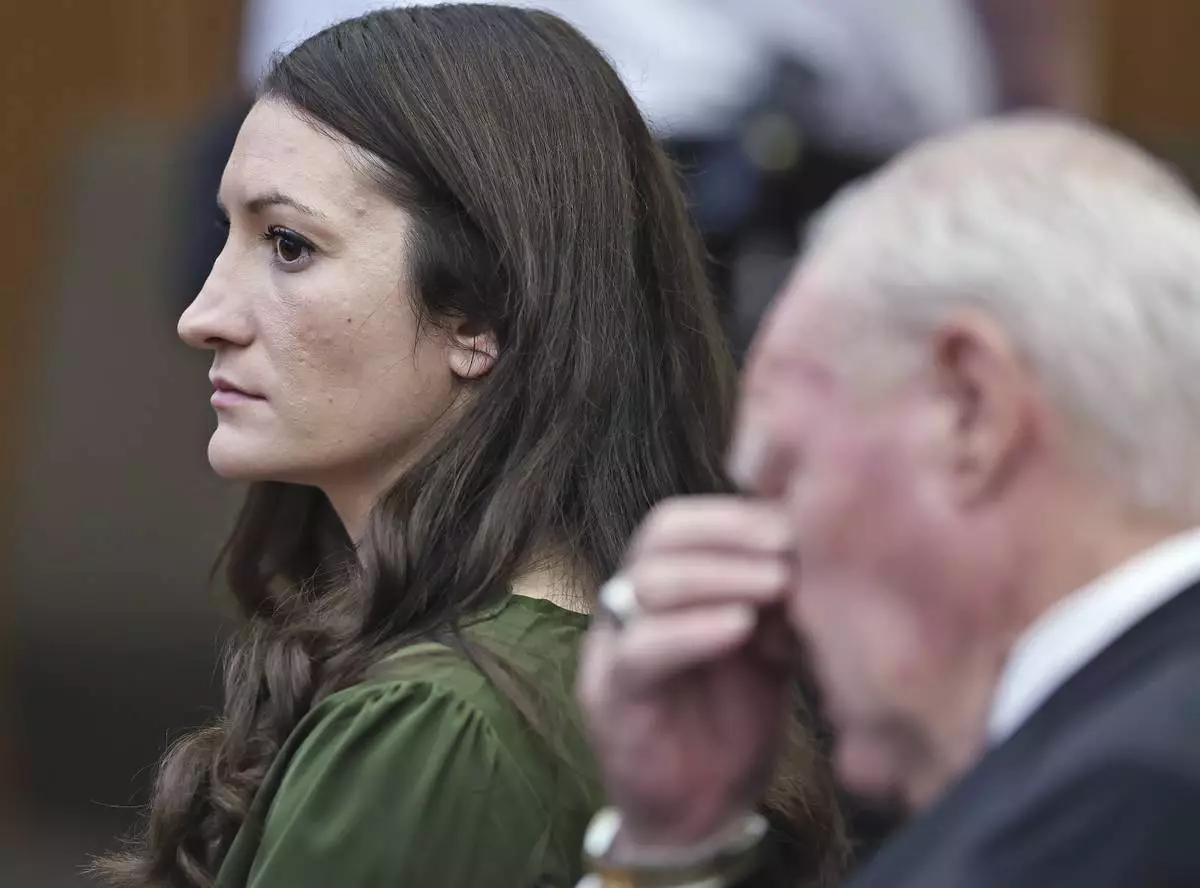
Lindsay Clancy watches jury members as Judge William Sullivan polls them before they start deliberations during her murder trial at Plymouth Superior Court in Plymouth, Mass., Monday, Aug. 31, 2026. (Greg Derr/The Patriot Ledger via AP, Pool)
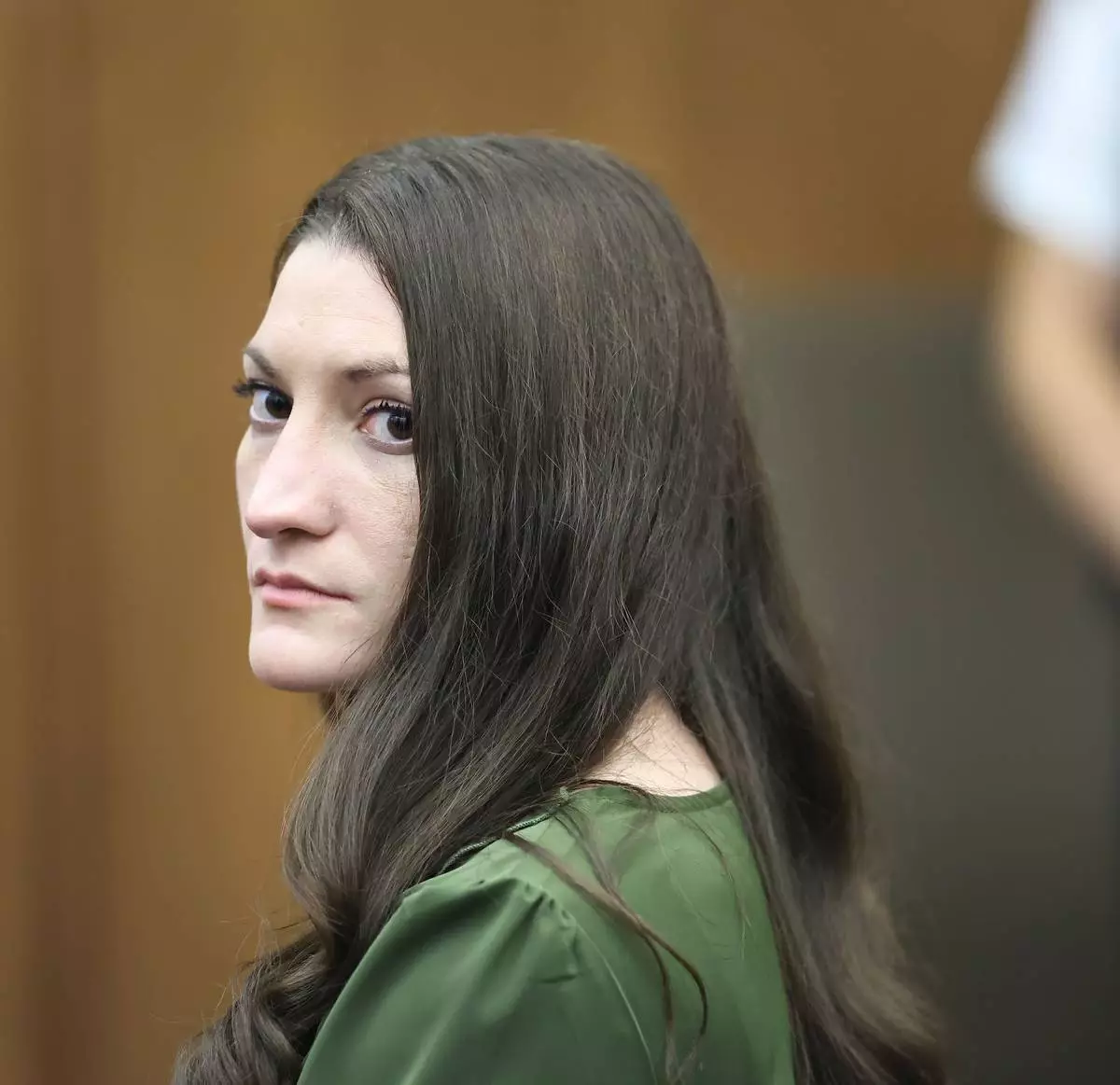
Lindsay Clancy watches jury members as Judge William Sullivan polls them during her murder trial at Plymouth Superior Court in Plymouth, Mass., Monday, Aug. 31, 2026. (Greg Derr/The Patriot Ledger via AP, Pool)
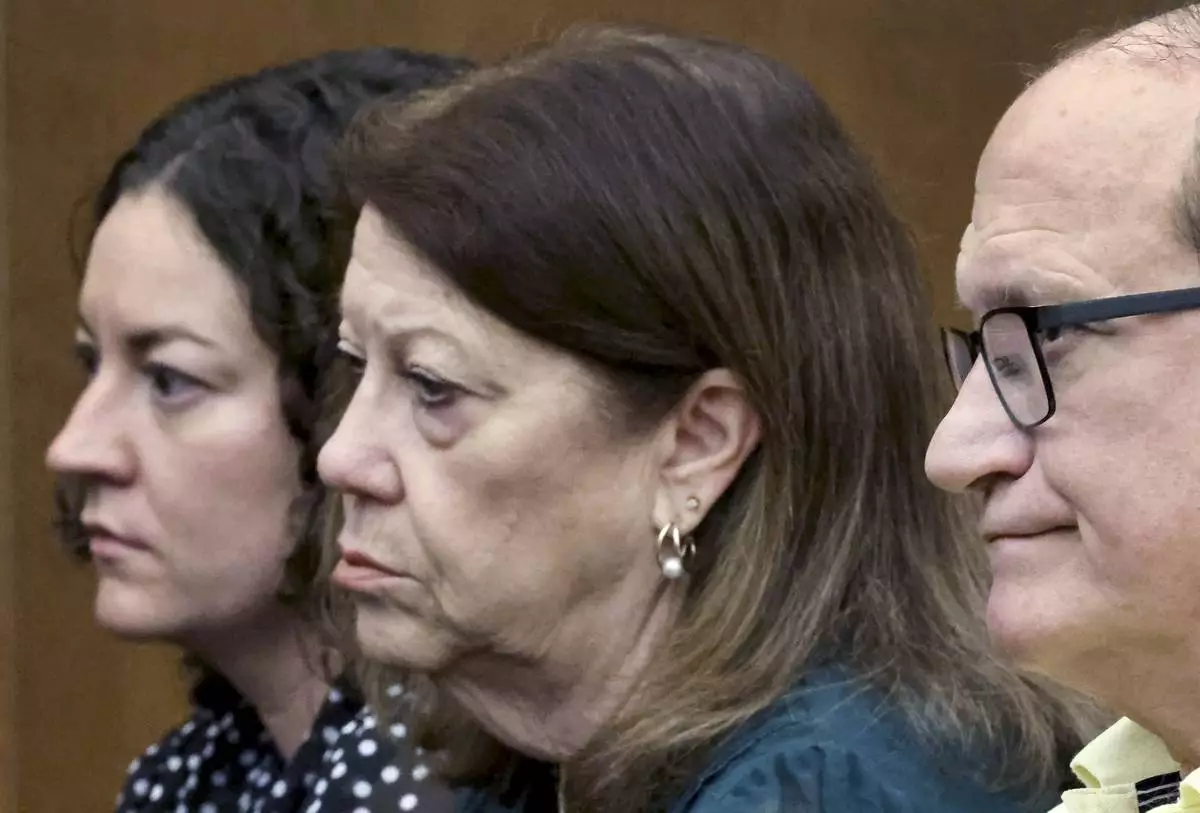
Allison Ozga, Paula and Mike Musgrove listen to Judge Sullivan ask the jury to go back to deliberations. during Lindsay Clancy's murder trial at Plymouth Superior Court in Plymouth, Mass., Tuesday, Sept. 1, 2026. (Greg Derr/The Patriot Ledger via AP, Pool)
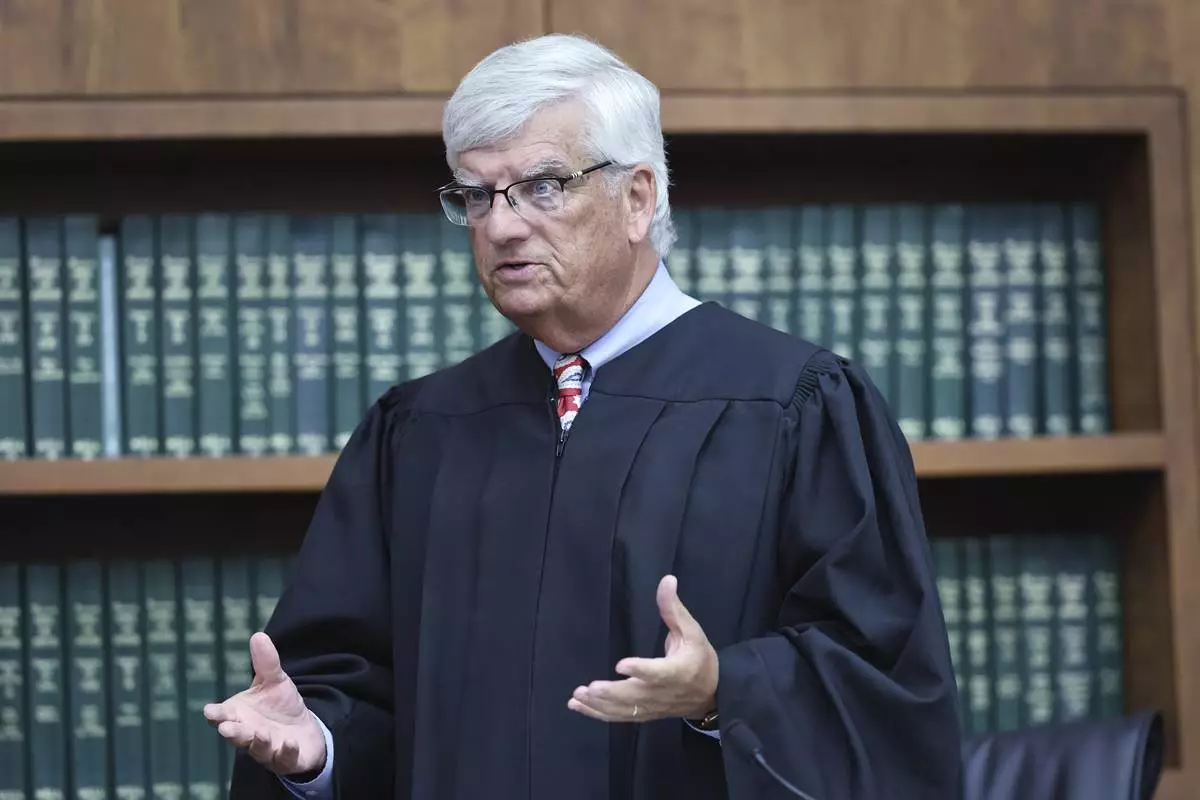
Judge William Sullivan asks the jury to continue deliberations during Lindsay Clancy's murder trial at Plymouth Superior Court in Plymouth, Mass., Tuesday, Sept. 1, 2026. (Greg Derr/The Patriot Ledger via AP, Pool)
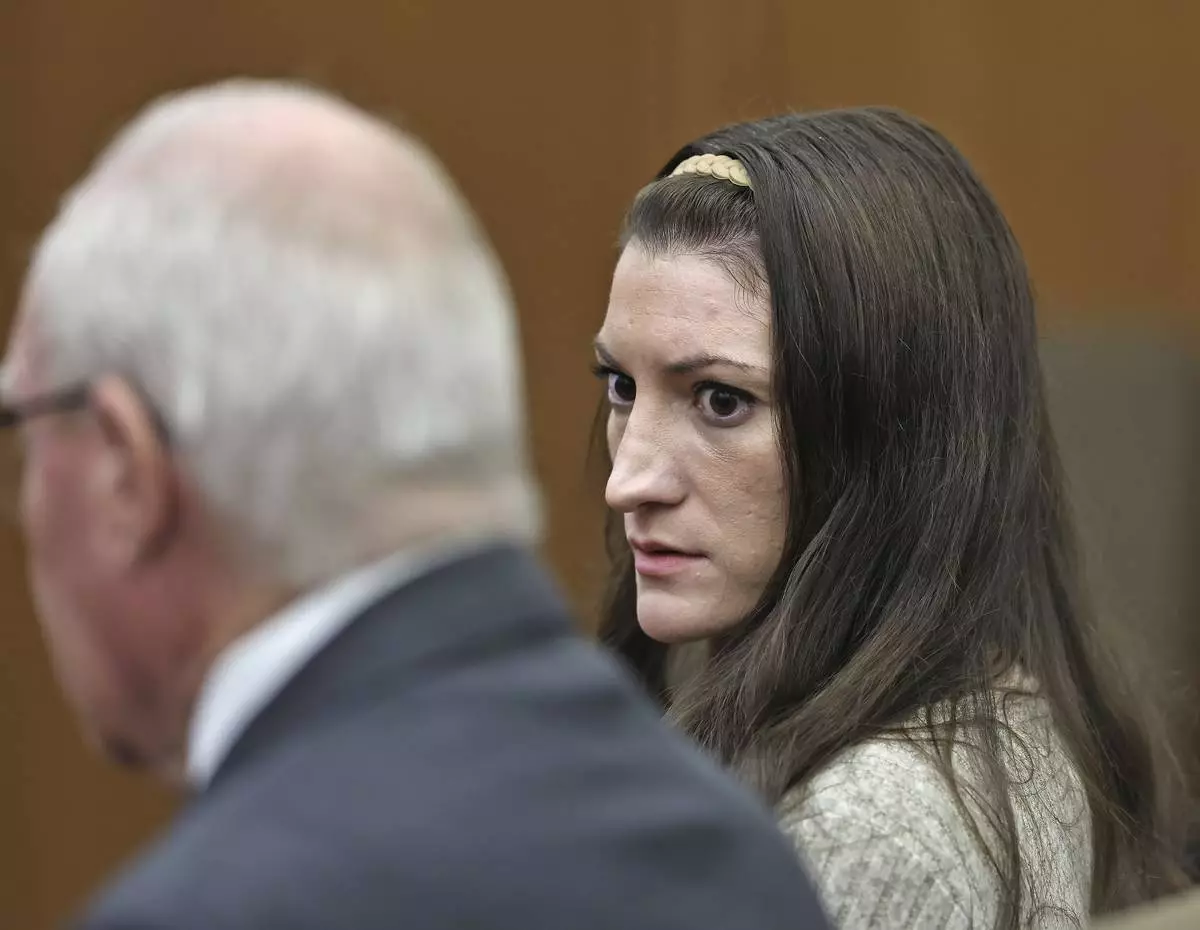
Lindsay Clancy looks to her lawyer Kevin Reddington as the jury keeps deliberating at her murder trial at Plymouth Superior Court in Plymouth, Mass., Tuesday, Sept. 1, 2026. (Greg Derr/The Patriot Ledger via AP, Pool)
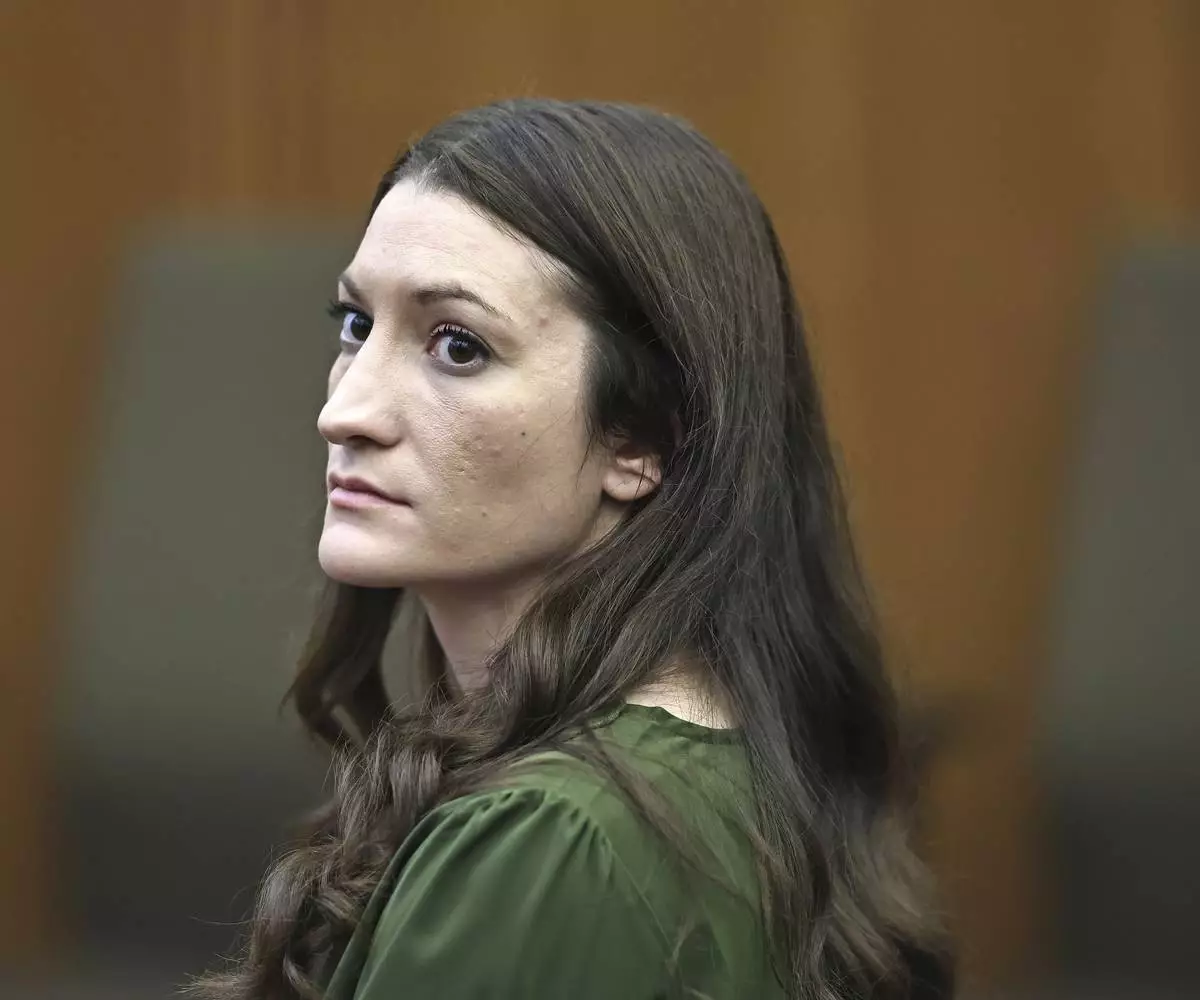
Lindsay Clancy watches jury members as Judge William Sullivan polls them before they start deliberations during her murder trial at Plymouth Superior Court in Plymouth, Mass., Monday, Aug. 31, 2026. (Greg Derr/The Patriot Ledger via AP, Pool)