MANHASSET, N.Y.--(BUSINESS WIRE)--Sep 1, 2026--
Unlocking a crucial piece of schizophrenia’s molecular puzzle, scientists at Northwell Health’sFeinstein Institutes for Medical Research have found that jumping genes, also known as transposable elements, are linked to a communication breakdown in the blood gene expression networks of people living with schizophrenia. Jumping genes are DNA sequences from ancient viruses and other elements that could once move around the human genome – and in rare cases still can. This discovery could open new paths for understanding, diagnosing and treating this complex mental illness.
This press release features multimedia. View the full release here: https://www.businesswire.com/news/home/20260901583327/en/
The research, published today in the Journal of Clinical Investigation (JCI), led by Helena Reyes-Gopar, PhD, an investigator at the Feinstein Institutes, and Douglas F. Nixon, MD, PhD, director of the Institute of Translational Research at the Feinstein Institutes, looked at the activity of tens of thousands of genes – including jumping genes – in the blood from patients who were recently diagnosed and had not yet started treatment.
“For a long time, these elements were dismissed as junk DNA. Our study shows they are not only active in blood cells but form integral parts of the gene expression networks that operate in immune cells,” said Dr. Reyes-Gopar, lead author of the paper.
Investigators compared these expression networks in 84 patients relative to 97 healthy individuals. By creating maps of how genes and transposable elements communicate with each other, they discovered significant differences in patients with schizophrenia.
“We found that transposable elements sit at important parts of the expression networks of healthy individuals, but their connections to the other parts of the network are weakened in patients,” said Dr. Nixon. “By mapping these networks in the blood, we are opening new doors. One day this could help us develop therapies that precisely target the disrupted connections we see in schizophrenia.”
The research revealed several crucial insights. In individuals with schizophrenia, the intricate communication network between genes and transposable elements was severely disrupted. In healthy individuals, these elements act as central hubs with extensive connections to other active genes, but in the newly diagnosed patients in this study, these critical links were compromised or lost. This widespread breakdown was accompanied by a silencing effect: Many transposable elements that are normally active became significantly less so in patients. The genes most closely connected to these elements were those involved in immune function, consistent with a role for immune processes in schizophrenia.
This collaborative, global study brought together experts from the Feinstein Institutes, George Washington University and King’s College London.
“Most studies of gene expression in schizophrenia have set transposable elements aside, for technical reasons and because their role was unclear,” said Rodrigo R. R. Duarte, PhD, research fellow in medical and molecular genetics at King’s College London. “We find that these elements are central features in expression networks, which is a strong signal that they should not be ignored. And although schizophrenia is a disorder of the brain, these signatures are clearly detectable in blood, an accessible tissue, which fits with the immune side of the disorder and makes them far easier to study. Accounting for them gives a fuller picture of the molecular biology underlying schizophrenia.”
“Our study showcases the power of advanced computational biology to uncover hidden complexities in disease,” said Matthew L. Bendall, PhD, associate research professor of biostatistics and bioinformatics at George Washington University. “By integrating transposable elements into gene regulatory networks, we were able to map a landscape of disrupted connectivity in schizophrenia that was previously invisible.”
Key to the discovery was Telescope, a tool Dr. Bendall developed while working in Dr. Nixon’s laboratory and the leading method for measuring the activity of individual transposable elements at their precise locations in the genome.
“This study expands our understanding of schizophrenia, revealing a molecular communication breakdown in the blood,” said Kevin J. Tracey, MD, president and CEO of the Feinstein Institutes and Karches Family Distinguished Chair in Medical Research. “This new insight into the disease’s immune component paves the way for molecular diagnostics and novel therapeutic strategies.”
Last year, Dr. Nixon, a recognized pioneer in the study of the “dark genome” and its influence on neurodevelopmental and mental health conditions, was inducted as a Fellow of the Infectious Diseases Society of America.
About the Feinstein Institutes
The Feinstein Institutes for Medical Researchis the home of the research institutes of Northwell Health, the largest health care provider and private employer in New York State. Encompassing 50+ research labs, 3,000 clinical research studies and 5,000 researchers and staff, the Feinstein Institutes raises the standard of medical innovation through its six institutes of behavioral science, bioelectronic medicine, cancer, health system science, molecular medicine, and translational research. We are the global scientific leader in bioelectronic medicine – an innovative field of science that has the potential to revolutionize medicine. The Feinstein Institutes publishes two open-access, international peer-reviewed journalsMolecular MedicineandBioelectronic Medicine. Through theElmezzi Graduate School of Molecular Medicine, we offer an accelerated PhD program. For more information about how we produce knowledge to cure disease, visithttp://feinstein.northwell.eduand follow us onLinkedIn.
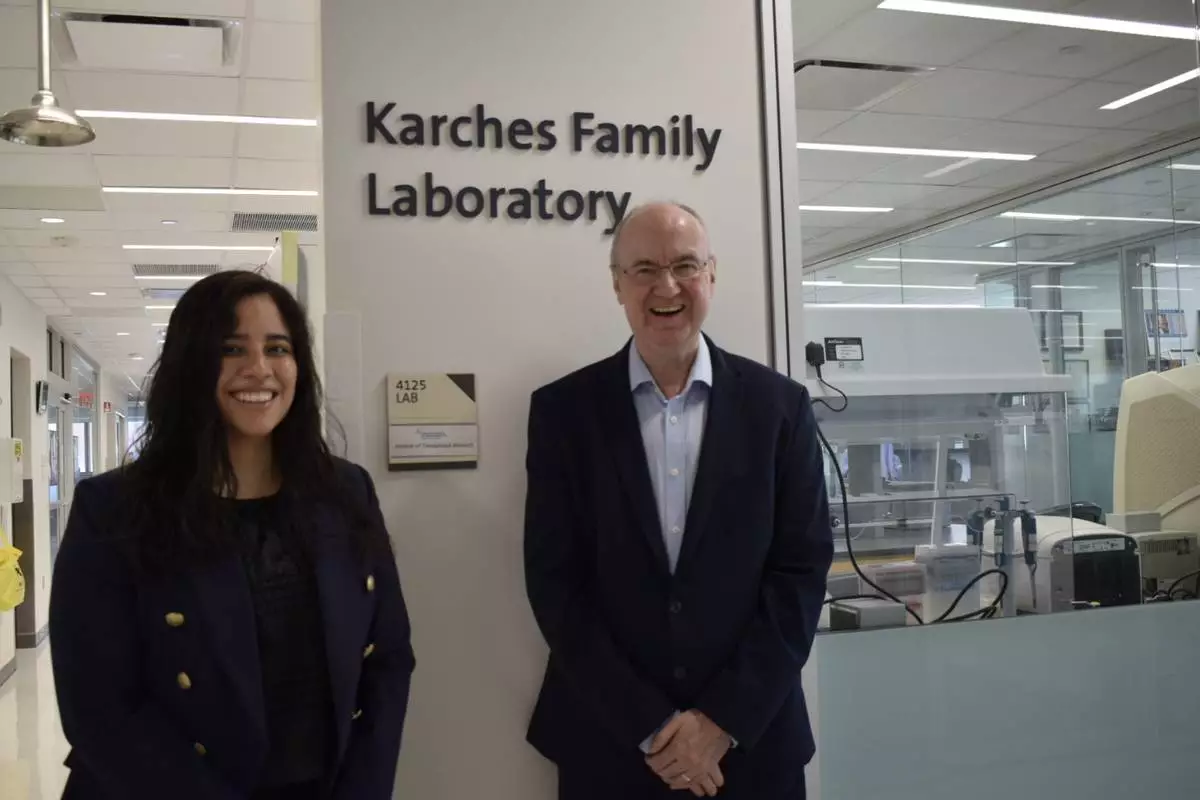
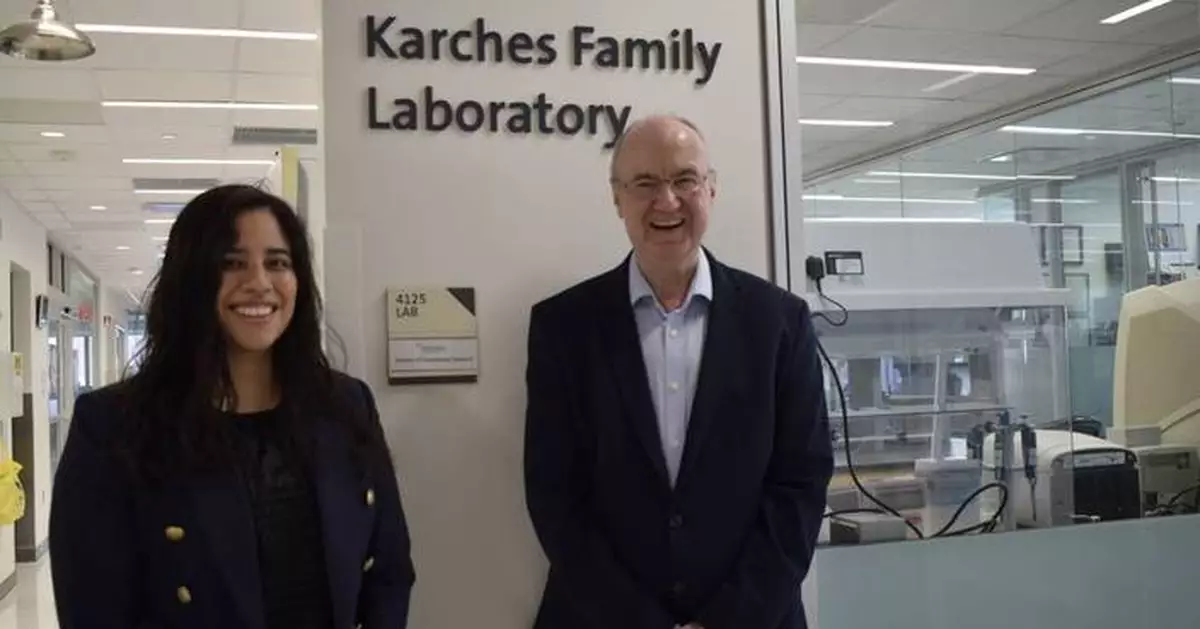
Dr. Helena Reyes-Gopar and Dr. Doug Nixon led the study. (Credit: Feinstein Institutes)
NORRISTOWN, Pa. (AP) — A Pennsylvania police officer was charged Tuesday with voluntary manslaughter for last week’s fatal shooting of a college student who was looking for his friends late at night and went to the wrong house.
Police body camera video reviewed by investigators shows the officer yelled “Drop to the ground,” then “Stop or I’ll... .” Before he finished the sentence, he fired two shots at the man who was unarmed and had his hands in the air. He hit 22-year-old Glenwood Earl Pysher IV twice in the chest, killing him.
The officer, Upper Pottsgrove Police Cpl. Sean Farrell, had less-than-lethal options and did not need to resort to shooting Pysher, Montgomery County District Attorney Kevin Steele said at a news conference.
“The investigation found that Cpl. Farrell had less-than-lethal options on his utility belt that he did not employ, including a taser. At the time of the shooting, the officer was a safe distance from Pysher behind a car, and the victim had his hands in the air and did not possess any type of weapon. Mr. Pysher was not a threat. This is not a legal use of deadly force, leading to the charge of Voluntary Manslaughter,” Steele said in a news release.
An attorney for Pysher's family issued a statement thanking the prosecutor.
“The family is grateful for the work of the Montgomery County District Attorney’s office and they are looking forward to justice in this horribly tragic, preventable and reckless conduct that took the life of their son,” said attorney Ken Fulginiti.
Farrell turned himself in to the Montgomery County Detectives on Tuesday. Magisterial District Judge Kathleen Rebar set bail at $75,000, and Farrell must turn in all weapons to the state police as a condition of his release, a spokesperson for the district attorney's office said. He has a preliminary hearing set for Sept. 10.
Farrell was the first officer on the scene after a resident called 911 to report someone trying to break into the back door of a home. Farrell’s body-worn camera showed the officer walking down the driveway with his gun drawn, using its light to illuminate the way, the release says.
Standing behind a car in the driveway, Farrell saw Pysher on the home’s patio, near the back door. Farrell yelled, “Police, let me see your hands.” Then he yelled, “Hands up, hands up now, drop to the ground.”
Pysher is seen on video raising his hands as he began walking toward the officer and continuing to walk in that direction as the officer yelled, “Drop to the ground,” the release said. Farrell again yelled, “Drop to the ground,” then yelled, “Stop or I'll …” But before he finished the sentence, Farrell fired two shots, hitting Pysher twice in the chest, the district attorney's office said.
Pysher was 17 to 20 feet (5 to 6 meters) from the officer when he was shot, the release says.
Farrell told another officer who arrived after the shooting that Pysher had charged him, “screaming and yelling and wouldn't get down on the ground,” but the body-worn camera video doesn't show that happening, according to an affidavit filed with the criminal complaint.
The investigation found that Pysher had been out at several bars earlier in the evening to celebrate a friend's 21st birthday. A designated driver drove the group to the home of the person whose birthday it was around 11 p.m., and Pysher left about half an hour later to walk half a mile to another friend's house to keep drinking but ended up at the wrong house, the release says.
Pysher's father has said he believes, based on what his son's friends have told him, that his son tried to enter what he thought was his friend's house.
“He tried to open the doorknob and obviously startled the homeowner,” Glen Pysher told The Associated Press last week. “From what we understand, he announced, ‘Hey! Open the door!’ because he thought he was at his friend’s house.”
His son then sat down on the back porch and contacted his friends, who realized he was in the wrong place and set out to find him, the father said.
Bowling Green State University criminal justice professor Philip Stinson maintains a nationwide database of roughly 25,000 cases of police officers arrested since 2005.
According to Stinson’s data, 218 local sworn police officers had been charged with murder or manslaughter in an on-duty fatal police shooting between January 2005 and the end of July 2026. There are several cases still pending, but to date, 78 officers have been convicted of a crime in those shootings, while 107 have been acquitted or had their cases dismissed.
In Pennsylvania, 10 officers had been charged in that time, six of whom were convicted.
Stinson said there are fluctuations in the number of officers charged over the years, but given there are close to a thousand fatal police encounters every year, those fluctuations seem statistically insignificant.
“These are ugly cases. The facts are never easy,” Stinson said. “Grand juries seem to have a similar issue as criminal jurors. They are very reluctant to second guess the split-second, often life or death decisions of an on-duty police officer in a potentially violent street encounter.”
The majority of officers charged in on-duty fatal shootings shot an unarmed person. In the 78 convictions, only 10 of the victims were armed with a gun at the time of the shootings.
—-
Brumback reported from Atlanta. Associated Press writer Claudia Lauer in Philadelphia contributed.
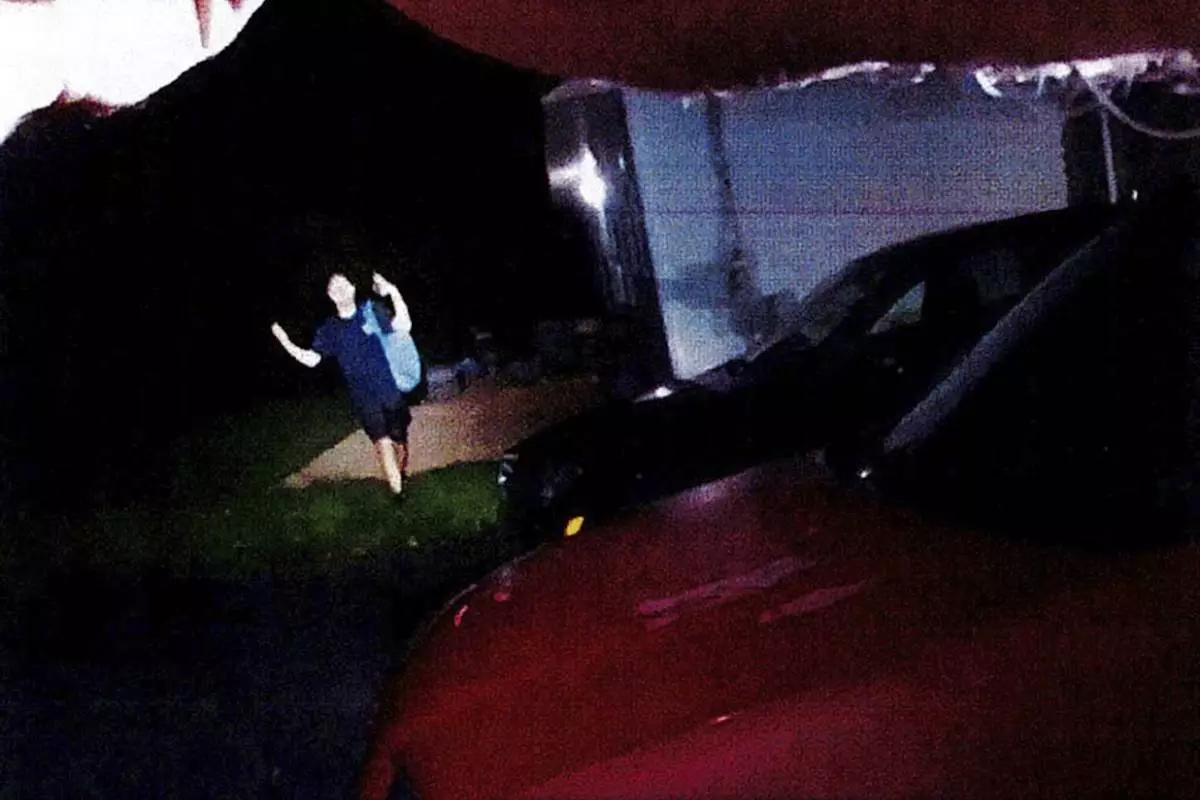
This image from body camera video released by the Montgomery County District Attorney's Office shows Glenwood Earl Pysher IV seconds before he was shot on Sunday, Aug. 23, 2026, in Norristown, Pa. (Montgomery County District Attorney's Office via AP)
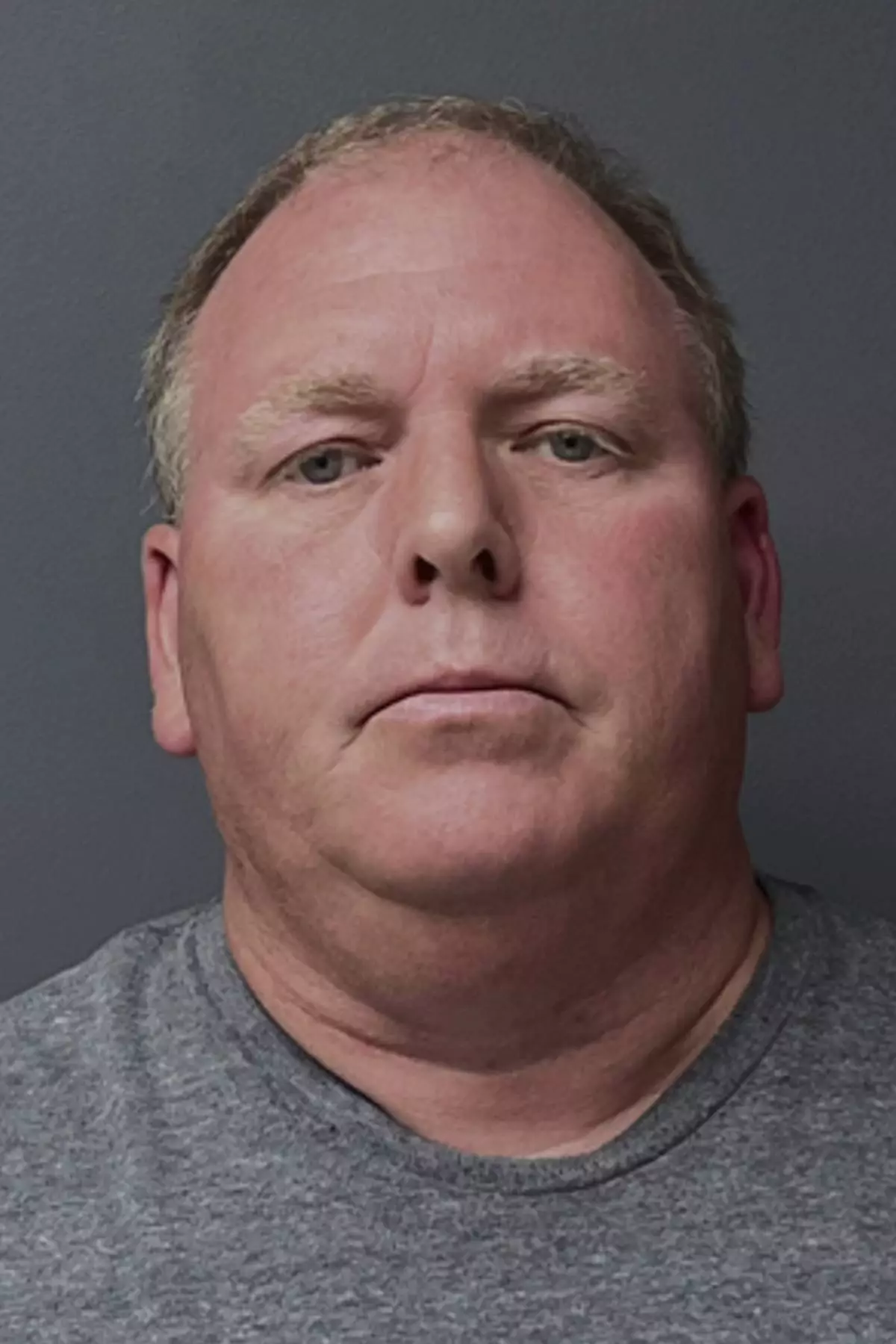
This booking photo provided by the Montgomery County District Attorney's Office Tuesday, Sept. 1, 2026, shows Upper Pottsgrove Police Cpl. Sean Farrell. (Montgomery County District Attorney's Office via AP)
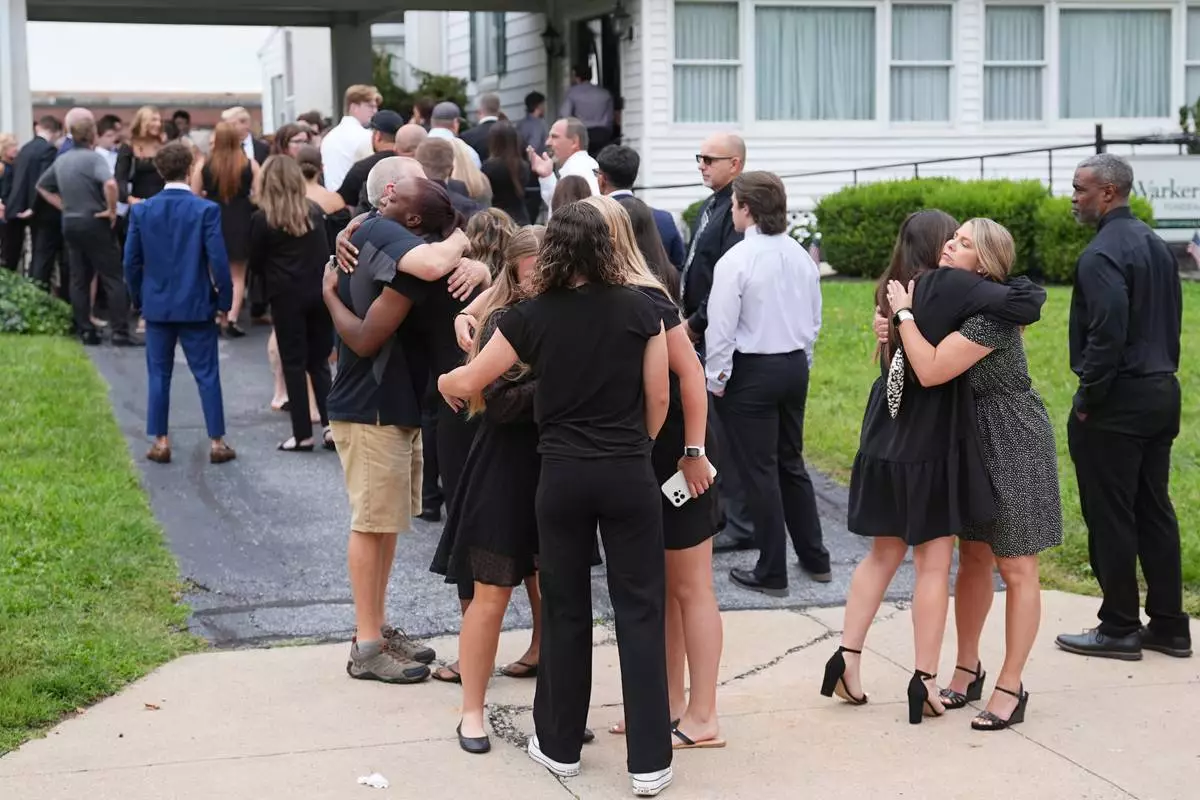
Mourners gather to pay their respects to Glenwood "Bubba" Pysher IV who was killed earlier by police in Pottstown, Pa., Monday, Aug. 31, 2026. (AP Photo/Matt Rourke)
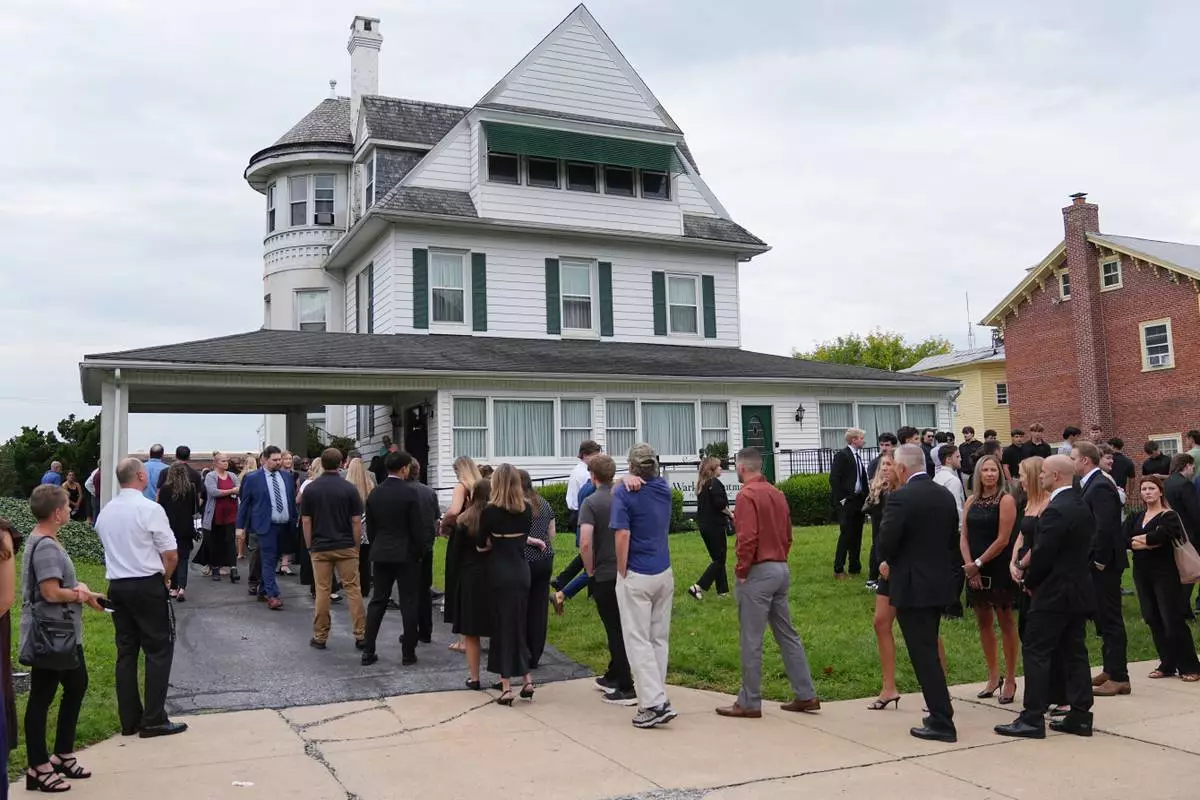
Mourners gather to pay their respects to Glenwood "Bubba" Pysher IV who was killed earlier by police in Pottstown, Pa., Monday, Aug. 31, 2026. (AP Photo/Matt Rourke)
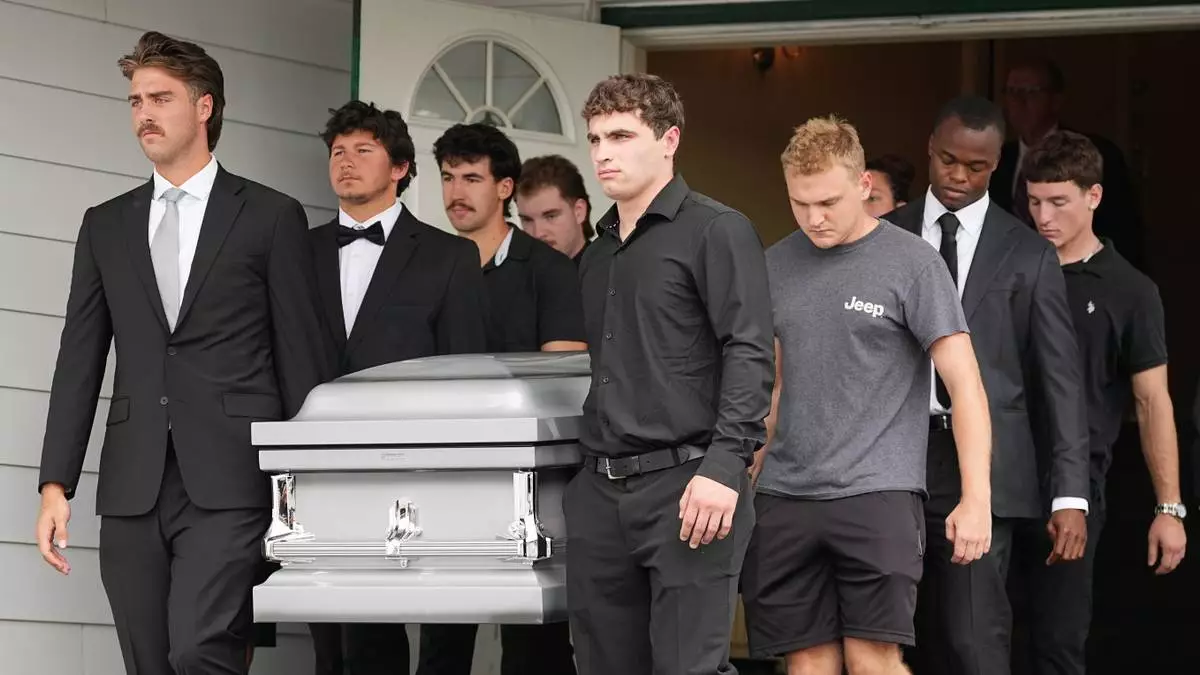
Pallbearers carry a casket containing the remains of Glenwood "Bubba" Pysher IV who was killed by police in Pottstown, Pa., Monday, Aug. 31, 2026. (AP Photo/Matt Rourke)
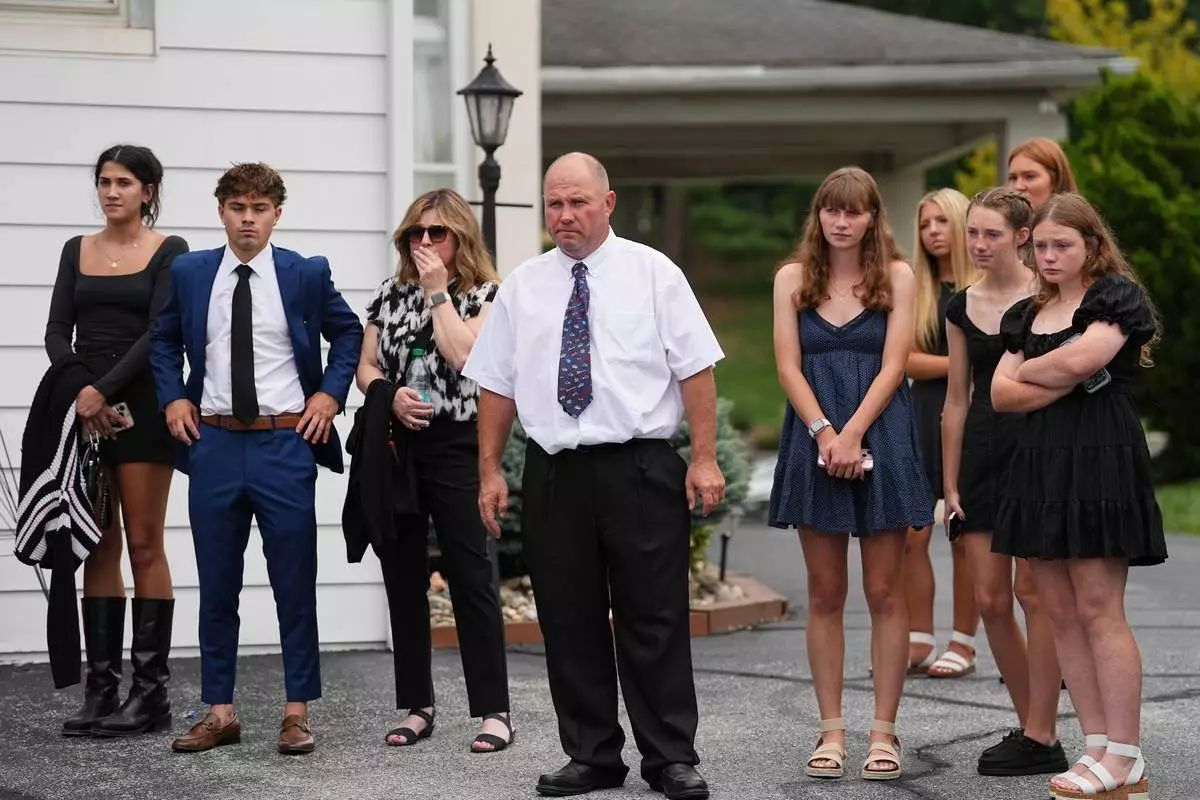
Glenwood Pysher III, watches as pallbearers carry a casket containing the remains of his son Glenwood "Bubba" Pysher IV who was killed by police, in Pottstown, Pa., Monday, Aug. 31, 2026. (AP Photo/Matt Rourke)