Skip to Content Facebook Feature Image

Scott Colom and Black Mississippians stand on the cusp of Senate history as vote count stretches on

News

Scott Colom and Black Mississippians stand on the cusp of Senate history as vote count stretches on
News

News

Scott Colom and Black Mississippians stand on the cusp of Senate history as vote count stretches on

2026-11-07 21:05 Last Updated At:21:10

JACKSON, Miss. (AP) — Democrat Scott Colom hasn't won Mississippi’s U.S. Senate race, but the local prosecutor was welcomed as a historic figure Friday as he strolled through the Farish Street business district where civil rights leaders once organized.

“It’s so wonderful! It’s so wonderful to have Scott Colom as our representative,” said Maati Jone Primm, who owns Marshall’s Music & Bookstore in Jackson.

More Images
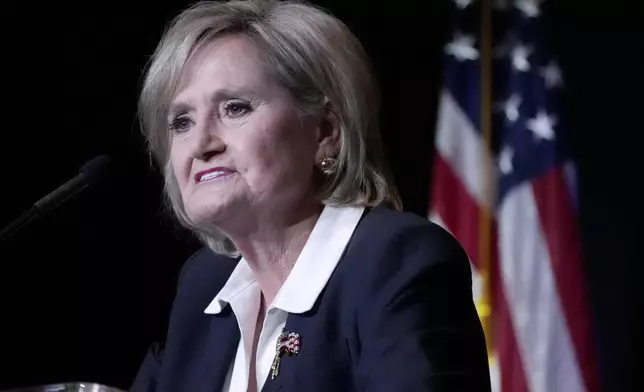
U.S. Sen. Cindy Hyde-Smith, R-Miss., addresses supporters at her victory party in Flowood, Miss., Tuesday, Nov. 3, 2026. (Rogelio V. Solis/Mississippi Free Press via AP)
U.S. Sen. Cindy Hyde-Smith, R-Miss., addresses supporters at her victory party in Flowood, Miss., Tuesday, Nov. 3, 2026. (Rogelio V. Solis/Mississippi Free Press via AP)

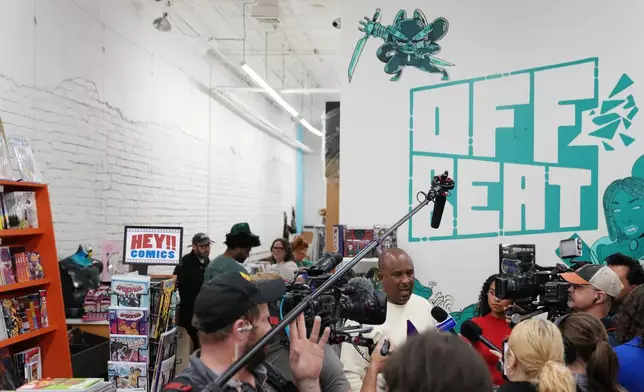
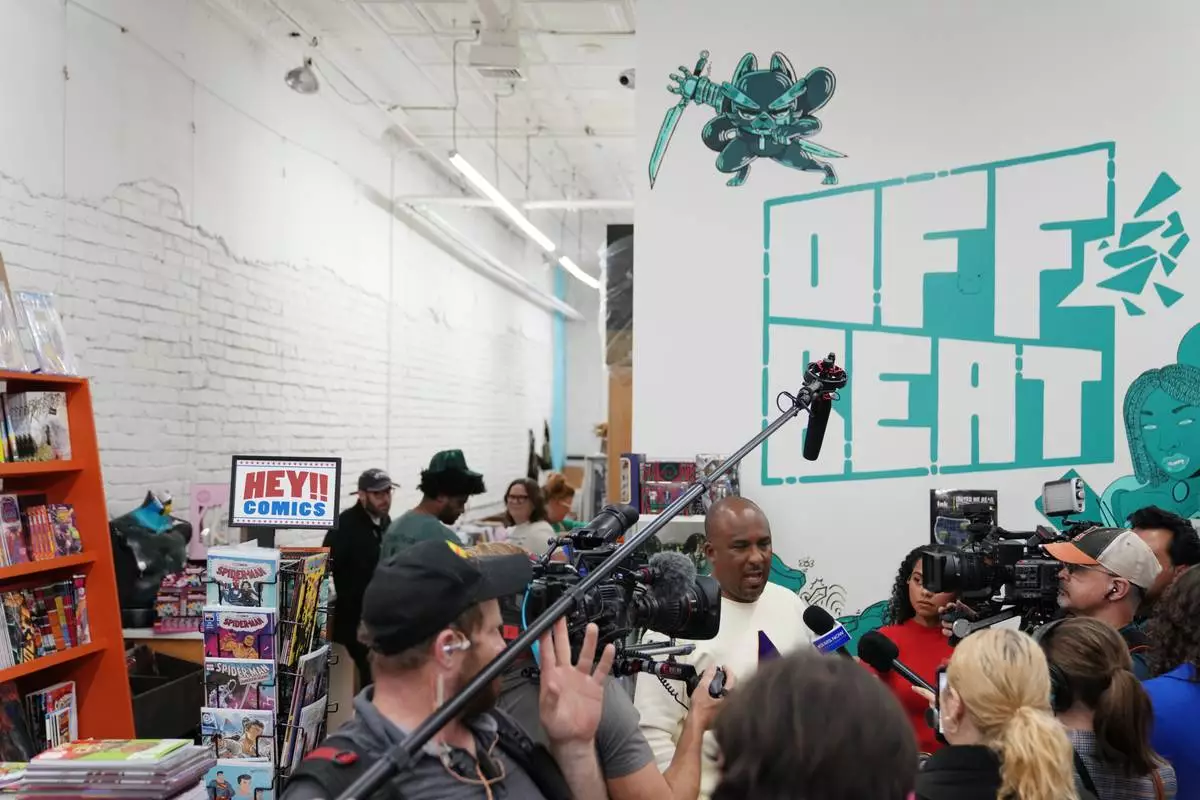
Democratic candidate for U.S. Senate Scott Colom speaks to reporters during a campaign stop at record and comic store OffBeat, Friday, Nov. 6, 2026, in Jackson, Miss. (AP Photo/Ellen Schmidt)
Democratic candidate for U.S. Senate Scott Colom speaks to reporters during a campaign stop at record and comic store OffBeat, Friday, Nov. 6, 2026, in Jackson, Miss. (AP Photo/Ellen Schmidt)

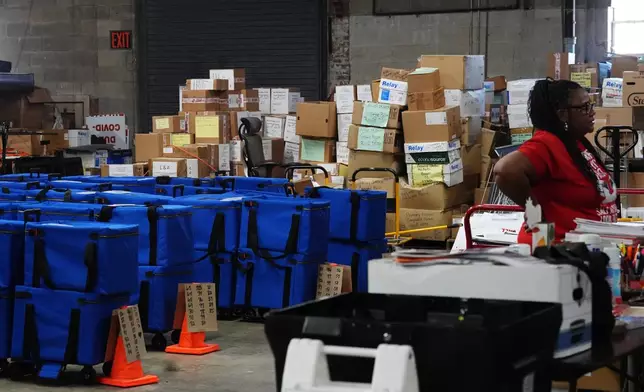
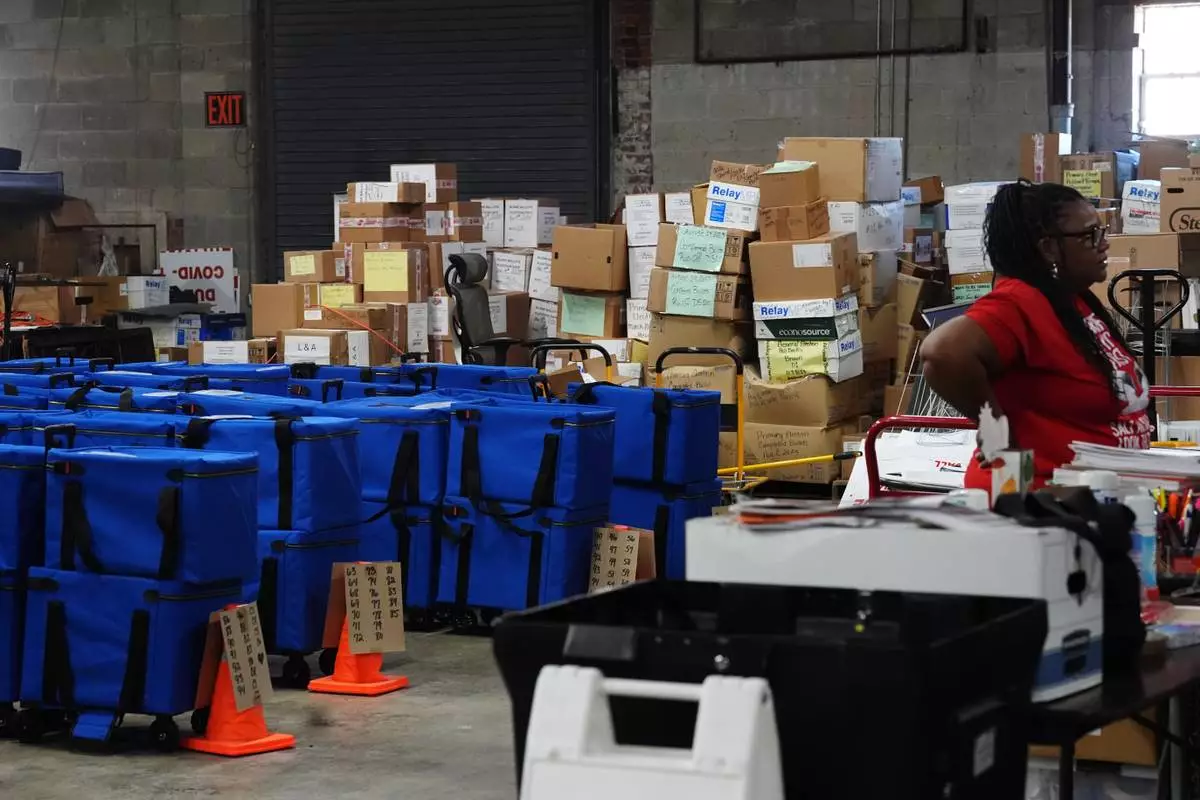
Bags of ballots are stored at the Hinds County Election Commission as the U.S. Senate race between Democratic candidate Scott Colom and incumbent Republican Sen. Cindy Hyde-Smith has not yet been called, Friday, Nov. 6, 2026, in Jackson, Miss. (AP Photo/Ellen Schmidt)
Bags of ballots are stored at the Hinds County Election Commission as the U.S. Senate race between Democratic candidate Scott Colom and incumbent Republican Sen. Cindy Hyde-Smith has not yet been called, Friday, Nov. 6, 2026, in Jackson, Miss. (AP Photo/Ellen Schmidt)

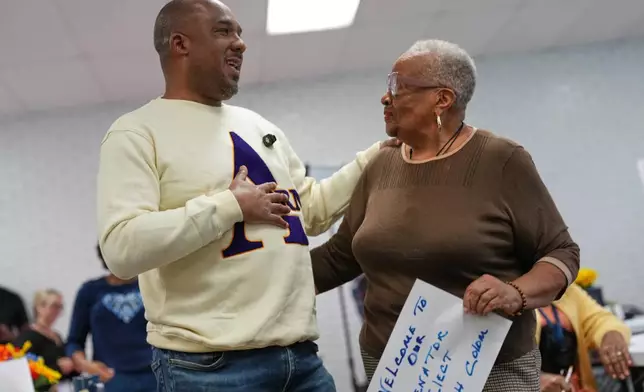
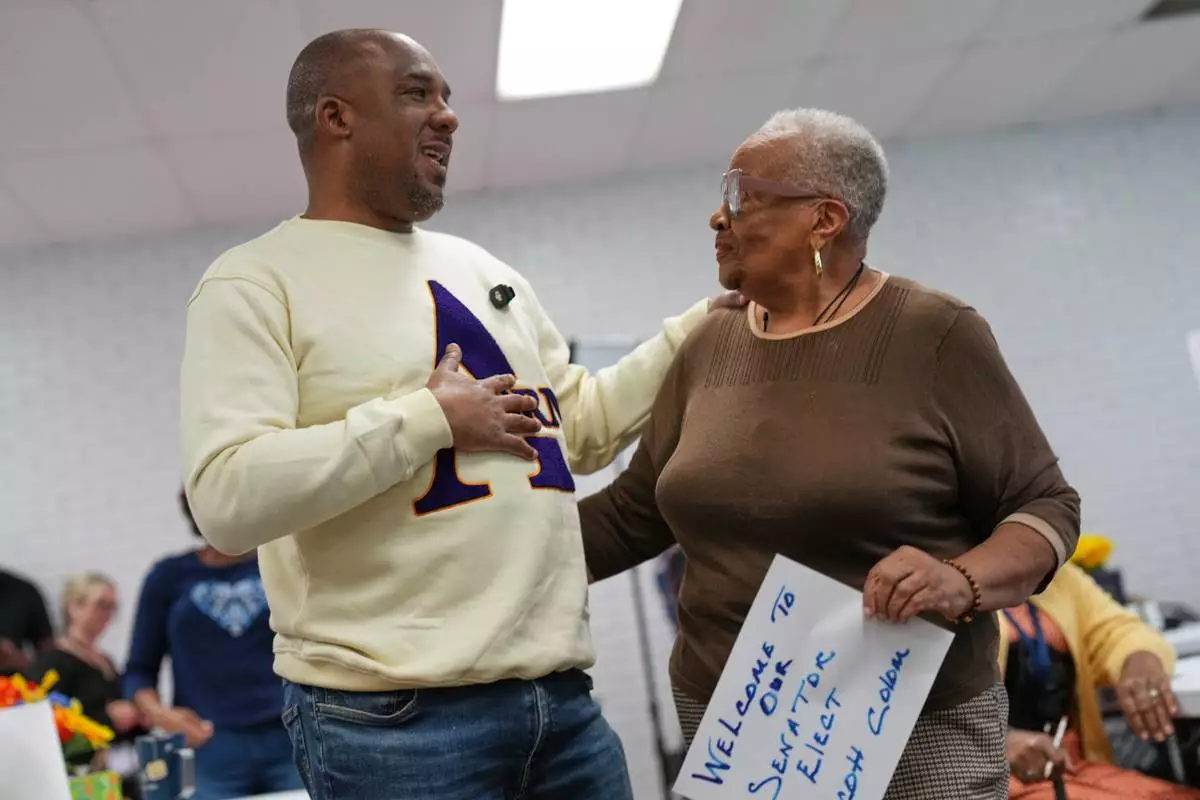
Democratic candidate for U.S. Senate Scott Colom, left, greets resident Peggie Smith during a campaign event at the Tougaloo Senior Citizens Center, Friday, Nov. 6, 2026, in Jackson, Miss. (AP Photo/Ellen Schmidt)
Democratic candidate for U.S. Senate Scott Colom, left, greets resident Peggie Smith during a campaign event at the Tougaloo Senior Citizens Center, Friday, Nov. 6, 2026, in Jackson, Miss. (AP Photo/Ellen Schmidt)

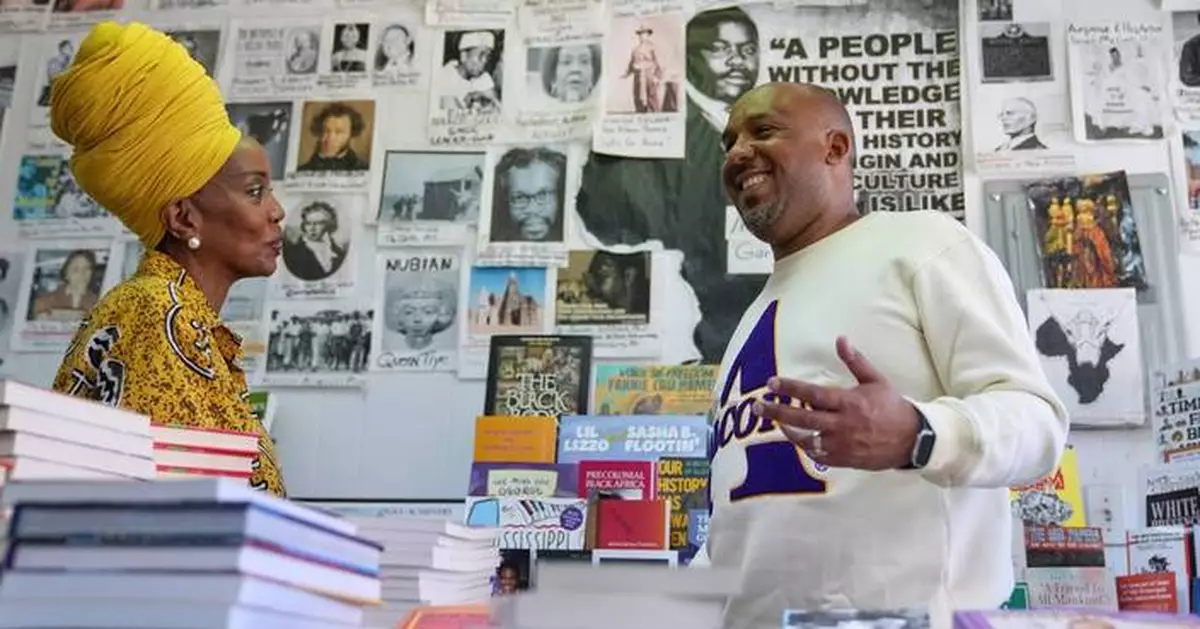
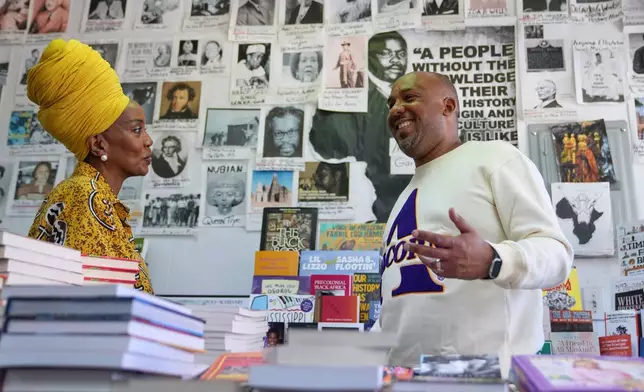
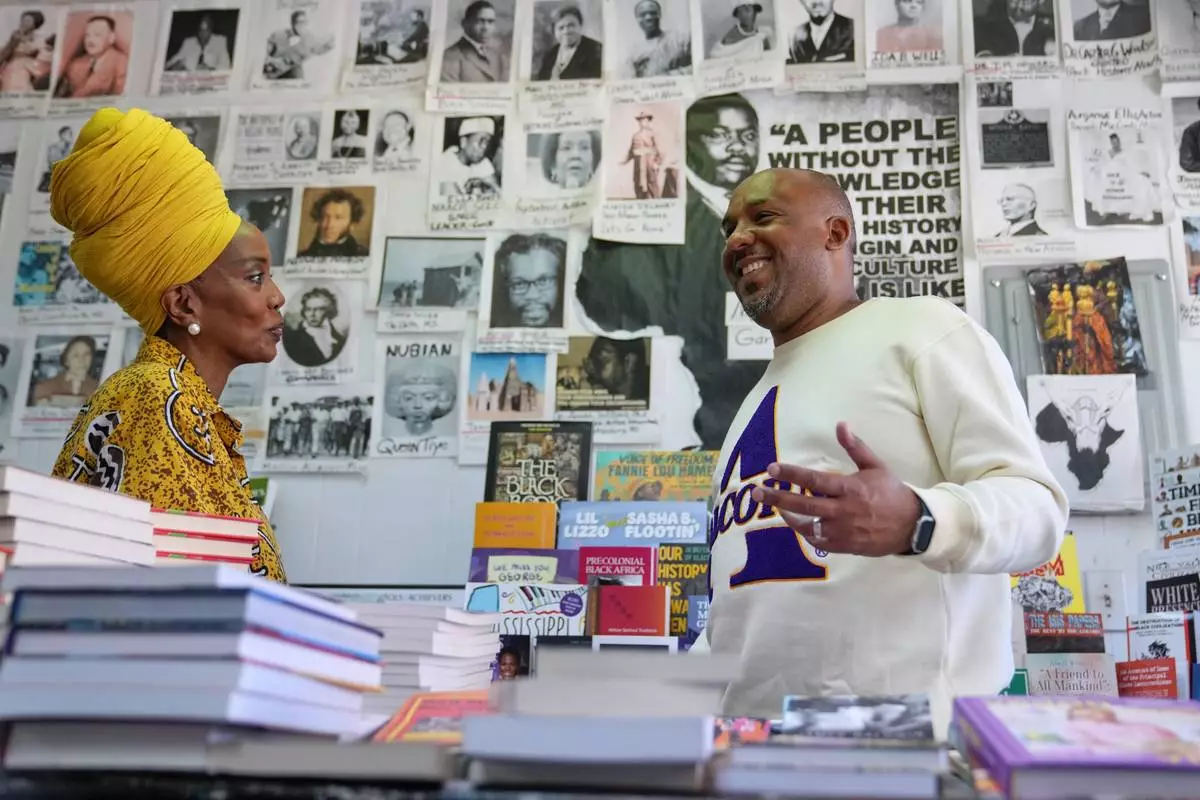
Democratic candidate for U.S. Senate Scott Colom, right, talks with owner Maati Jone Primm during a campaign stop at Marshall's Music and Book Store, which is recognized as the oldest Black-owned bookstore in the U.S., Friday, Nov. 6, 2026, in Jackson, Miss. (AP Photo/Ellen Schmidt)

Democratic candidate for U.S. Senate Scott Colom, right, talks with owner Maati Jone Primm during a campaign stop at Marshall's Music and Book Store, which is recognized as the oldest Black-owned bookstore in the U.S., Friday, Nov. 6, 2026, in Jackson, Miss. (AP Photo/Ellen Schmidt)

The state is still tallying ballots that could make Colom the first Black senator from this Deep South state since post-Civil War Reconstruction. The possibility of Colom defeating Republican Sen. Cindy Hyde-Smith puts many Black voters somewhere between cautious optimism and outright celebration in a state where nearly 40% of the population is Black but the top representation for generations has been white.

“I’m so glad we are at the point where we are,” said Sorie Tarawally, a 76-year-old attorney who has long known Colom’s father. He called the 43-year-old candidate “the man, our messiah, our savior.”

The contest remains too early for The Associated Press to call, and Colom’s historic bid will hinge on a tedious process playing out in elections offices across Mississippi’s 82 counties. Local officials are receiving and examining absentee and provisional ballots, called affidavit ballots, before deadlines next week. Volunteers and lawyers representing each campaign look on in anticipation of potential litigation.

“We’re going to make sure everything is followed according to the law, and I have confidence in those local officials,” Colom said. “They’re doing their jobs. Got to be patient with them.”

Colom said ballots tallied since Tuesday's election lean in his favor, and he chided Hyde-Smith for not explaining her strategy going forward.

“She’s still our senator. Where is she? Why is she not doing any interviews?” Colom asked. “Why can’t she explain what her pathway to success is?"

Hyde-Smith has not appeared publicly since election night, when she essentially declared victory despite a razor-thin margin with ballots still uncounted.

"We are not backing down," she posted Friday on social media. “This election is not over. Our team is working across Mississippi to monitor the remaining ballots and protect the integrity of the process. We will see this through to the very end!”

The pool of outstanding ballots includes absentee ballots, which can be counted in Mississippi as long as they are received by Tuesday, five business days after the election. The rest are affidavit ballots, which are cast at the polls when there's a glitch: Perhaps the person's name was not on the rolls or the person did not have proper identification, or a poll worker determined the person's identification did not precisely match the name on the list.

Citizens who had identification issues have until Tuesday to address those matters in person at their local elections office. For people who were not on a precinct’s rolls, local officials can verify a person's status using previous records and information on the affidavit that person filed when filling out a ballot. That person typically has no responsibility to come to a local elections office; ballot status can be found on the Mississippi secretary of state’s office website.

Counties have until Friday to certify complete results to the secretary of state.

Mississippi law has no provision for a statewide recount. Campaigns could seek court orders, usually county by county, seeking to examine ballots.

Democrats already have won control of the Senate, so the result in Mississippi would not change the balance of power in Washington.

But it would mark a seismic shift in the state, where white conservatives have dominated the Statehouse and congressional delegation for nearly 150 years. Through Jim Crow segregation and the Civil Rights era, those leaders were nearly all Democrats. After the Civil Rights Movement, they overwhelmingly shifted to Republicans. For Black Mississippians, the result was the same: a lack of proportional representation at the top levels of state government and in Washington.

Colom was initially viewed as a long shot, and it wasn't until late October that Senate Democrats' top campaign group started spending on advertising to support him. But the midterms revealed a broad backlash against redistricting efforts in the South that were aimed at boosting Republicans and, by extension, reducing Black representation.

Primm's bookstore, where Colom visited on Friday, opened in the 1930s and is recognized as the oldest Black-owned bookstore in the U.S.

She said the Farish Street neighborhood still represents Black Mississippians’ “first migration, from the plantation to the city.” Having Colom there as a potential senator “makes us so proud, and it gives us someone to aspire to. Our youth need to see the possibilities for their lives, and we do when we see our next senator from Mississippi.”

As he campaigned, Colom emphasized that he can represent all Mississippians, and he said President Donald Trump’s policies — the war with Iran and tariffs, especially — cut across all demographic lines. He even celebrated the extended ballot counting process as a benefit to the state's 2.95 million residents.

“I’m so glad the national press is getting to see the beauty of our state,” he said.

But Colom and his Black supporters also have never ignored the significance of his candidacy as a Black man.

“We are motivated by the gross inequalities we have seen in society and how only one side seems to benefit,” said Tarawally, who was born in Sierra Leone and arrived in the Deep South to attend law school at the University of Mississippi. “So, we want a person who speaks to our benefit.”

Colom ended his campaign with an ad set at the Jackson home of Medgar Evers, the civil rights leader who was gunned down in 1963 in his own driveway, dying in front of his wife and children.

“It’s a powerful reminder of the sacrifice to gain the ballot, and nobody sacrificed more than Medgar Evers and his family,” Colom said Friday.

“What was important to me about that ad is we didn’t ask people to vote for me. We just talked about the sacrifice, talked about the story,” he continued. “We just wanted that to be the closing ad because I wanted that to be the last message that the people of Mississippi heard.”
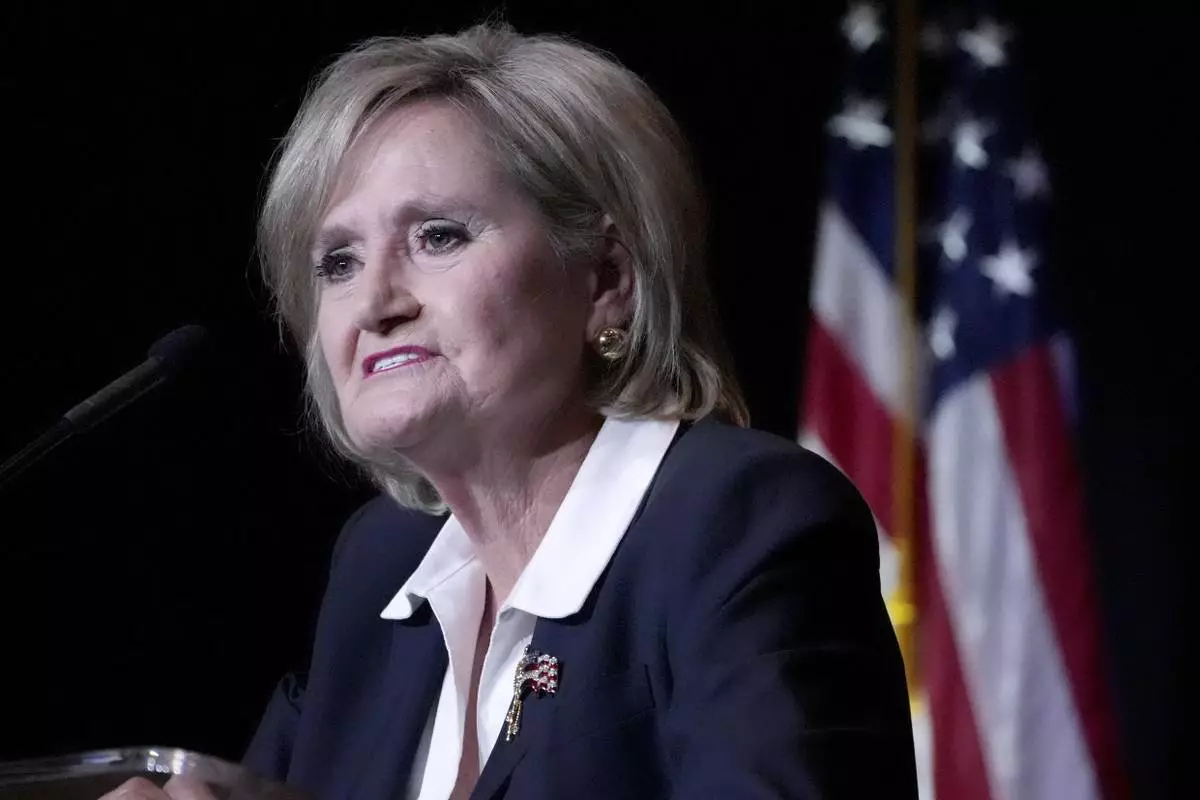
U.S. Sen. Cindy Hyde-Smith, R-Miss., addresses supporters at her victory party in Flowood, Miss., Tuesday, Nov. 3, 2026. (Rogelio V. Solis/Mississippi Free Press via AP)
U.S. Sen. Cindy Hyde-Smith, R-Miss., addresses supporters at her victory party in Flowood, Miss., Tuesday, Nov. 3, 2026. (Rogelio V. Solis/Mississippi Free Press via AP)

Democratic candidate for U.S. Senate Scott Colom speaks to reporters during a campaign stop at record and comic store OffBeat, Friday, Nov. 6, 2026, in Jackson, Miss. (AP Photo/Ellen Schmidt)
Democratic candidate for U.S. Senate Scott Colom speaks to reporters during a campaign stop at record and comic store OffBeat, Friday, Nov. 6, 2026, in Jackson, Miss. (AP Photo/Ellen Schmidt)

Bags of ballots are stored at the Hinds County Election Commission as the U.S. Senate race between Democratic candidate Scott Colom and incumbent Republican Sen. Cindy Hyde-Smith has not yet been called, Friday, Nov. 6, 2026, in Jackson, Miss. (AP Photo/Ellen Schmidt)
Bags of ballots are stored at the Hinds County Election Commission as the U.S. Senate race between Democratic candidate Scott Colom and incumbent Republican Sen. Cindy Hyde-Smith has not yet been called, Friday, Nov. 6, 2026, in Jackson, Miss. (AP Photo/Ellen Schmidt)

Democratic candidate for U.S. Senate Scott Colom, left, greets resident Peggie Smith during a campaign event at the Tougaloo Senior Citizens Center, Friday, Nov. 6, 2026, in Jackson, Miss. (AP Photo/Ellen Schmidt)
Democratic candidate for U.S. Senate Scott Colom, left, greets resident Peggie Smith during a campaign event at the Tougaloo Senior Citizens Center, Friday, Nov. 6, 2026, in Jackson, Miss. (AP Photo/Ellen Schmidt)

Democratic candidate for U.S. Senate Scott Colom, right, talks with owner Maati Jone Primm during a campaign stop at Marshall's Music and Book Store, which is recognized as the oldest Black-owned bookstore in the U.S., Friday, Nov. 6, 2026, in Jackson, Miss. (AP Photo/Ellen Schmidt)

Democratic candidate for U.S. Senate Scott Colom, right, talks with owner Maati Jone Primm during a campaign stop at Marshall's Music and Book Store, which is recognized as the oldest Black-owned bookstore in the U.S., Friday, Nov. 6, 2026, in Jackson, Miss. (AP Photo/Ellen Schmidt)
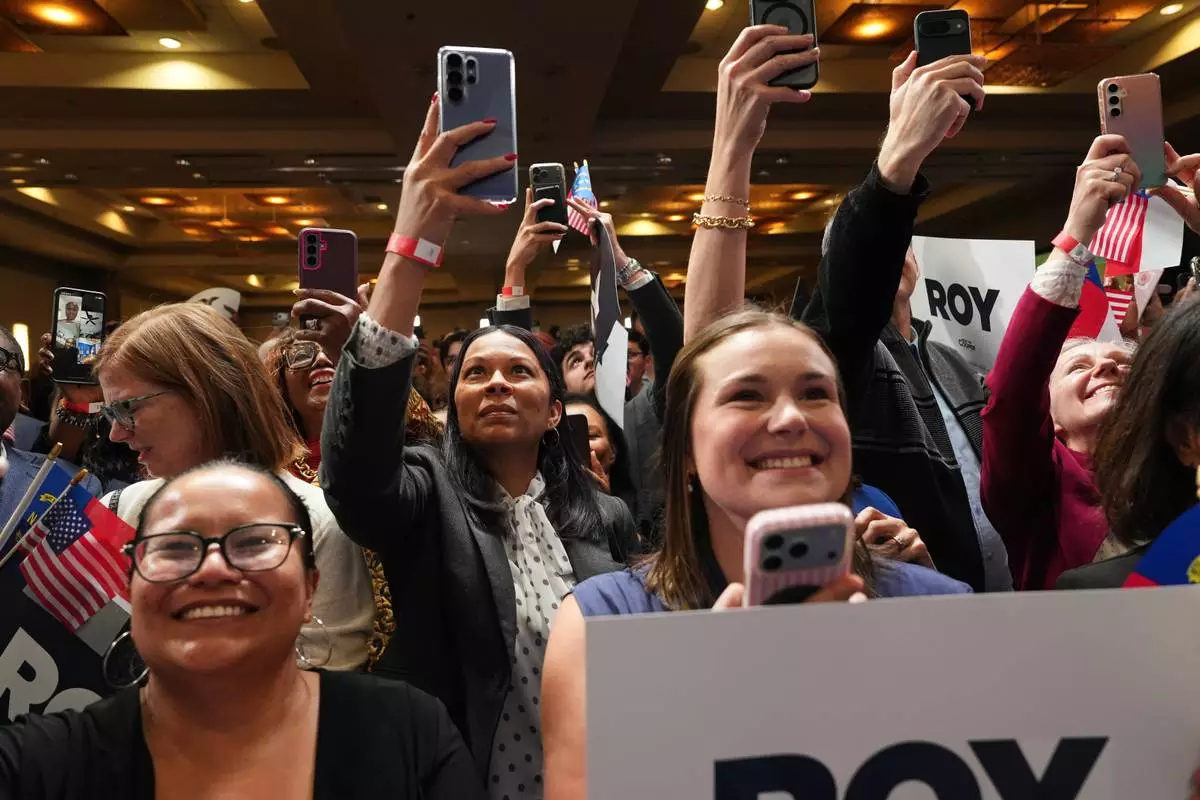
WASHINGTON (AP) — Andy Soma, 24, doesn’t identify with either political party, and he's been skipping elections since he became old enough to vote. But this year, disappointed with the economy and President Donald Trump's war with Iran, he cast his midterm ballot for Roy Cooper, the North Carolina Democrat now headed to the Senate.

“I would describe it as the first time that I’ve truly felt the need to vote,” said Soma, who is pursuing a Ph.D. in mathematics at North Carolina State University. He said he wanted to “kind of take a stand, if you will.”

Young voters overwhelmingly turned their backs on Republicans on Tuesday, erasing the gains Trump had made in the 2024 presidential election. Voters under age 30 moved left by double digits in nearly all the major Senate races compared with two years earlier.

It was a similar story in House campaigns across the country. The AP Voter Poll, a survey of more than 100,000 midterm voters, showed that about three-quarters of voters under 30 supported their local Democratic candidate, while about one-quarter voted for the Republican.

The support for Democrats outpaces even 2018, when Trump's Republican Party suffered midterm losses during his first term, and is a dramatic shift from 2024, when young voters were roughly split between Trump and Democrat Kamala Harris, according to AP VoteCast, a survey of more than 120,000 voters that year.

For Soma, the tipping point was Trump's broken pledge that he would keep the U.S. out of Middle East conflicts, a sentiment that student after student echoed in interviews on the university's Raleigh campus the day after the election.

Other young voters who broke for Democrats this year said their choices were motivated by personal experiences, including working multiple jobs to get by and watching artificial intelligence data center projects advance into their communities.

“I’m trying to save money and buy a house and all that, but it’s difficult right now,” said Corey Herzog, 28, an independent-turned-Democrat in the traditionally conservative town of Celina, Ohio. Herzog works at Walmart during the day and bartends at night, all while building out a small side business selling house plants.

John Della Volpe, a pollster who regularly surveys U.S. youth for the Harvard Kennedy School’s Institute of Politics, said the whiplash over the past two elections suggests that young voters aren’t a generation of Democrats or Republicans.

“They’re up for grabs,” he said. “Especially given the state of the economy and their concerns about the future.”

To win back the presidency two years ago, Trump courted young men who felt disillusioned by economic stagnation, interventionist foreign policy and the government's focus on diversity, equity and inclusion. He attended football games and UFC matches and appeared on podcasts with comedians who rebuffed “cancel culture."

More than half of male voters under 30 supported him in 2024, according to AP VoteCast.

But once in office, Trump started the war with Iran and rammed through tariff policies that continued to drive up inflation. He also resisted releasing documents about convicted sex offender Jeffrey Epstein and launched an immigration crackdown that faced widespread criticism.

"This was the perfect cocktail for disaster,” said Charlie Sabgir, director of the Washington-based Young Men Research Project.

Young voters' unhappiness on every major issue in the midterm election was palpable. Voters under 30 were more likely than older age groups to say the cost of living was crucial for their vote for Congress, and to say the U.S. was wrong to take military action against Iran.

About half of young voters said they were angry about the way things were going in the U.S. today, compared with only about one-third of voters 65 and older.

Even in a year when anti-Trump backlash was one of the major themes, young voters stood out.

Only about one-quarter of voters under 30 said Trump is a strong leader or has the mental capacity to serve effectively as president, according to The AP Voter Poll. That’s a sharp contrast with 2024, when about half of voters under 30 felt Trump was a strong leader and mentally fit. The decline was larger than in any other age group.

“This cultural coalition and cultural cache that Trump had behind him going into 2024 — they’ve clearly soured on him,” Sabgir said.

About 6 in 10 voters under 30 said one reason for their House vote was to express opposition to Trump.

A national consortium of college Republican groups put out a statement making their dissatisfaction clear, writing that young Republicans “were not given what they were promised.”

“In the wake of last night's election results, the College Republican Patriot Coalition unequivocally lays the blame for the greatest Republican defeat by Democrats since 1974 at the feet of the Trump administration and the Republican Party,” the group said in a statement.

Kidus Girma, campaigns director for the left-leaning Sunrise Movement, said that while he was knocking on doors in Michigan, he met young men who may not typically turn out in a midterm election but did this time because they were disappointed by Trump.

He recalled one person who complained that he was struggling to find a job even though Trump was insisting the economy is going great.

“It’s like this deep disillusionment with the statements the president makes versus the material impacts people are facing in their everyday lives," Girma said.

Sarah Stull, an 18-year-old student at the University of Texas at Austin, thought it was funny that so many of her classmates spent Halloween dressed up as “millennial optimism,” wearing skinny jeans and infinity scarves with grins on their faces to satirize the elder generation for being unabashedly hopeful.

Stull got the joke. Like others her age, she described herself as “very sarcastic, very jaded — and do sometimes expect the worst.”

But Tuesday night, sitting in a dorm room with friends watching election results stream in, that all went out the window.

“We were freaking out, all of us were crying,” said the young Democrat, who voted for James Talarico for Senate and Gina Hinojosa for governor. “I just felt this sense of community that I had never felt before.”

She posted a video of herself and friends on TikTok, literally jumping for joy outside the Texas Capitol, captioning it “millennial optimism cause texas went blue."

Young adults like Stull — who was 7 when Trump rode down the escalator in New York’s Trump Tower in 2015 to announce his first presidential campaign — have only ever known “the Trumpification of politics,” said Katherine Haenschen, a political science and communication professor at Northeastern University. Now that era seems to be coming to a close, bringing hope for the first time to left-leaning young people.

But it’s a fragile moment.

Dakota Hall, executive director of the progressive youth political organization Alliance for Youth Action, said he thinks young voters could shift to the right again if Democrats leading Congress don’t do enough to lower the cost of living, regulate AI and address government corruption.

“Young people have a very short leash,” Hall said. “If you do not deliver, ’28 will be a rough road ahead.”

Rankin reported from Raleigh, N.C.

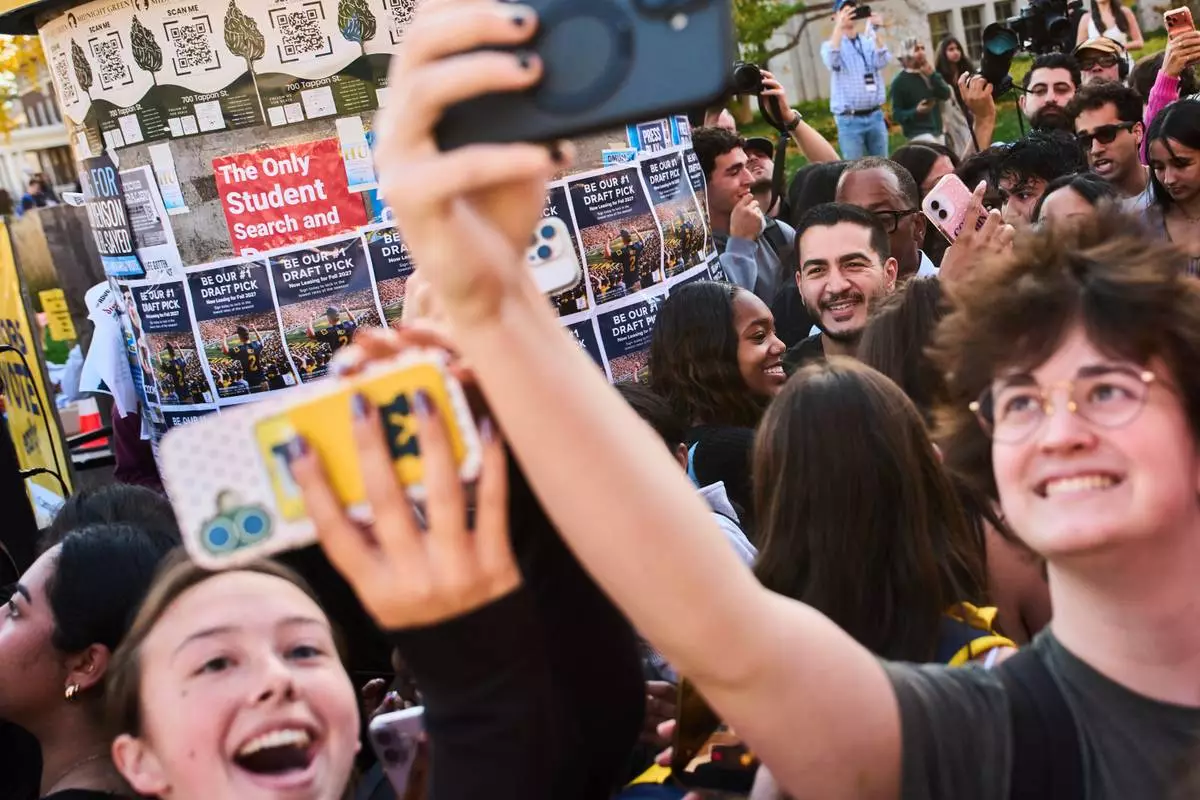
Michigan Democratic Senate candidate Abdul El-Sayed visits a polling place at Michigan Union on election day, Tuesday, Nov. 3, 2026, at the University of Michigan in Ann Arbor, Mich. (AP Photo/Julia Demaree Nikhinson)

Michigan Democratic Senate candidate Abdul El-Sayed visits a polling place at Michigan Union on election day, Tuesday, Nov. 3, 2026, at the University of Michigan in Ann Arbor, Mich. (AP Photo/Julia Demaree Nikhinson)

Supporters of North Carolina Democratic Senate candidate Roy Cooper listen as he speaks at an election night event Tuesday, Nov. 3, 2026, in Raleigh, N.C. (AP Photo/Matt Ramey)

Supporters of North Carolina Democratic Senate candidate Roy Cooper listen as he speaks at an election night event Tuesday, Nov. 3, 2026, in Raleigh, N.C. (AP Photo/Matt Ramey)

Recommended Articles