Nepalese police said Wednesday the death toll from the massive mudslide had risen to 1,127, with more than 3,900 people still missing.
The catastrophic flash flood and mudslide triggered by a glacial collapse on the Nepalese side struck the remote China-Nepal border region on Aug 26 morning.
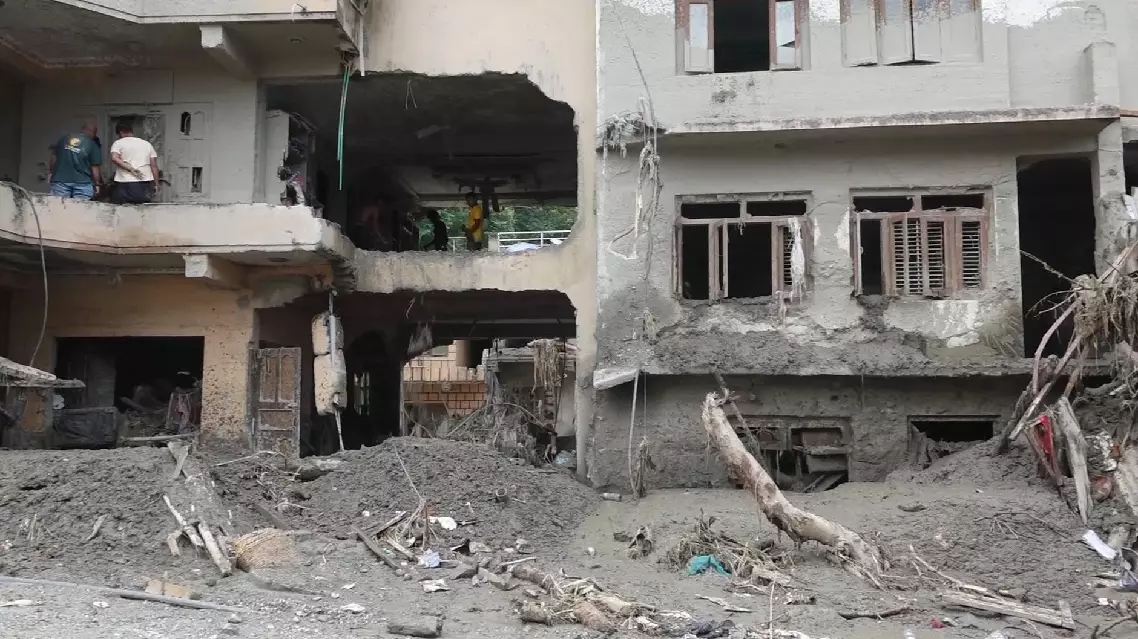
In the riverside town of Devighat on the Trishuli River, which bore the brunt of the disaster, approximately 300 houses have been destroyed along the riverbank. The extent of devastation is stark: large structures have been completely reduced to rubble.
As floodwaters begin to recede, local residents are summoning their resolve to return to the ravaged site in an effort to salvage whatever belongings they can recover. These salvaged items are being taken to temporary shelters where displaced families are now staying.
In the affected areas, collapsed rooftops are a common sight, and in some residences, mud remains piled up to the first floor. Residents are now laboring to clear the debris, yet the task is rendered exceedingly difficult by the sheer scale of destruction. Those who managed to escape count themselves fortunate, but the sheer force of the flood, which swept away entire buildings, raises harrowing questions about the fate of those who could not flee in time.
Local school buildings have been converted into temporary shelters to accommodate the survivors. Food supplies have been arranged, with two meals a day being provided by various organizations. In addition, basic necessities such as clothing are in urgent need -- many have lost everything. At one shelter, a charitable organization was seen distributing saris and other garments to women and girls. As one affected woman remarked, life will never be the same again for the survivors.
Death toll from Nepal's massive mudslide tops 1,100: police