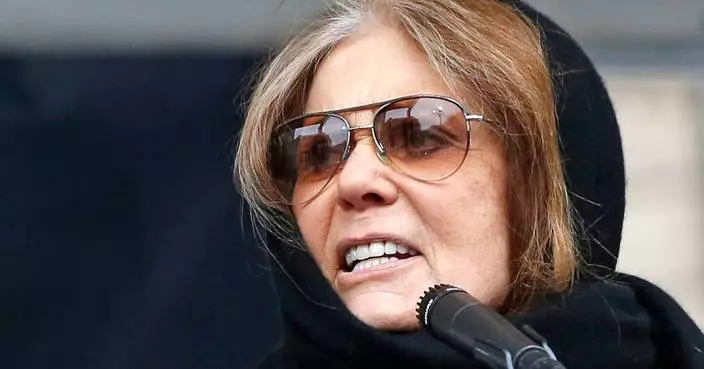
LOS ANGELES--(BUSINESS WIRE)--Sep 3, 2026--
Ten years after The Future. Redefined., its landmark 909 Day livestream that introduced more than 30 new products to musicians worldwide, Roland is celebrating the milestone with a global anniversary campaign that looks back on a decade of innovation while showcasing what's next.
This press release features multimedia. View the full release here: https://www.businesswire.com/news/home/20260903676667/en/
Built around the theme Then. Now. Next., the campaign connects the legacy of the 2016 event to today’s latest products, customer experiences, and future-focused initiatives spanning Roland and BOSS. Throughout September and October, Roland will share a series of product announcements, anniversary content, and campaign activities through a dedicated website and global events. These initiatives reflect Roland's continued focus on supporting music communities.
Then: The Legacy of The Future. Redefined.
The original 2016 event introduced a range of product innovations, including the Aerophone digital wind instrument and BOSS Katana amplifier series. Prismatic Sound Modeling and digital pads (snare, ride cymbal, and hi-hat) debuted in Roland's flagship TD V-Drums kit, which also set a new global standard of expression for electronic drums.
Many of these innovations went on to define industry-leading product categories and technologies that remain central to Roland's portfolio today. Roland synths became expandable with new PLUG-OUT technology, which offered interface connectivity via Roland Cloud, while an alliance with Serato for Roland's first DJ controller expanded the performance possibilities between hardware and software.
Many of the categories that emerged during The Future. Redefined. continue to drive Roland's sales, with keyboards, percussion, wind instruments, and guitar-related products all posting significant growth in the first half of 2026.
Now: New Products for a New Generation
The vision behind The Future. Redefined. continues through a new generation of products designed to deliver richer experiences before, during, and after musicians play. Over the coming months, Roland will introduce more than a dozen new products across piano, drum, guitar, synthesizer, and professional A/V categories.
Among the latest introductions is the FP-40 with Piano Sphere, a release that will redefine the digital piano space. Through integration with the Piano Sphere app—created in collaboration with Skoove—players gain access to a connected system of guided lessons, interactive learning tools, and real-time feedback designed to help them develop skills and stay engaged over time.
" The Future. Redefined. was a pivotal moment within the musical instrument industry that reshaped how we connect with our customers. We continue to look forward with this innovation mindset, both in our products and our customer experience," said Masahiro Minowa, CEO of Roland Corporation. “TFR introduced several new product categories that have become customer favorites and pillars for our business. Innovation like the FP-40 with Piano Sphere is a preview of the connected experiences Roland will bring over the next ten years."
Next: Looking Ahead
A decade since The Future. Redefined., Roland remains focused on developing products and experiences that help people create, learn, perform, and connect. The company retains its core belief that instruments should inspire a lifelong creative journey.
Recent innovations offer a glimpse of future possibilities for today's musicians made possible through digital instruments. Examples include instruments with built-in Wi-Fi connectivity that enable deeper integration between hardware and digital services, including the latest V-Drums sound modules and the FP-40 with Piano Sphere.
That approach is reflected in Roland's FY2026-FY2028 Mid-Term Management Plan, which emphasizes customer experience, ongoing engagement, and the continued expansion of Roland retail and the Roland Cloud ecosystem. Roland is exploring additional customer experience and retail initiatives, with further details to be announced in the coming months.
The company will also explore new opportunities for creative expression through the Roland Future Design Lab, where creators, researchers, and technology partners collaborate on the next wave of musical instruments and experiences.
For the full press kit, including hi-res images and more, click here.
For the latest updates, anniversary content, and product information, please visit The Future. Redefined. Then. Now. Next. website and Roland.com.
About Roland Corporation
For more than 50 years, Roland’s innovative electronic musical instruments and multimedia products have fueled inspiration in artists and creators around the world. Embraced by hobbyists and professionals alike, the company’s trendsetting gear spans multiple categories, from pianos, synthesizers, guitar products, drum and percussion products, DJ controllers, audio/video solutions, gaming mixers, livestreaming products, and more. As technology evolves, Roland and its expanding family of brands, including Roland Cloud, BOSS, V-MODA, Drum Workshop (DW), PDP, Latin Percussion (LP), and Slingerland, continue to lead the way for music makers and creators, providing modern solutions and seamless creative workflows between hardware products, computers, and mobile devices. For more information, visitRoland.comor see your local Roland dealer. Follow Roland onFacebook, X (Twitter) (@RolandGlobal), and Instagram (@RolandGlobal).

Roland commemorates the 10th anniversary of The Future. Redefined. with its Then. Now. Next. campaign.

Roland marks the 10th anniversary of The Future. Redefined. with the Then. Now. Next. campaign, celebrating a decade of innovation while showcasing new products, connected experiences, and future initiatives.
NEW YORK (AP) — Gloria Steinem, the celebrated author and activist who became the most visible symbol of the U.S. women’s movement and remained a fierce and eloquent advocate for equality for six decades, has died. She was 92.
With her trademark streaked hair parted down the middle and large aviator glasses, Steinem, a co-founder of Ms. Magazine, was a hugely recognizable presence wherever she went. And she went everywhere: Much of her life as an advocate was spent on the road, speaking at college campuses and community centers, at rallies and marches.
“You can’t do it on the phone or on the web,” she told The Associated Press in a 2015 interview. “You have to be there with all five senses. It should be obvious that people can’t empathize with each other unless we’re in the same room.”
Steinem, who had been in declining health, died Wednesday at her home in New York City, according to a post on her social media page. She had recently completed a memoir, to be released this fall.
“Gloria’s greatest gift was her ability to listen to others, to make others feel seen and heard,” the post said. “Her words, actions, and example gave people permission to be their truest selves.”
Though Steinem had recently become more frail physically, her wit and humor remained totally intact. Her friend and fellow activist, Abigail Disney, said she'd visited Steinem’s Manhattan home a bit over a week ago, as those close to her gathered by her side. “She was just as funny and just as sharp as I have ever known her,” Disney said. And, she said, generous.
“Everything Gloria did was rooted in kindness,” Disney said. “It flowed through her political activism.”
Steinem began her career as a journalist, notably reporting in 1963 on degrading conditions in Hugh Hefner’s Playboy empire — an undercover assignment she later came to regret. She credits a meeting six years later, where women spoke out in favor of abortion rights, with changing her career path.
“That speak-out was the beginning of activism for me,” Steinem, who had undergone a secret illegal abortion herself at age 22, told the AP in an email in 2022, reflecting on the reversal of Roe v. Wade. “Either our control over our own bodies is equal, regardless of sex or race, or we’re not living in a democracy.”
Those who watched Steinem denounce discrimination for so many years likely never suspected that she’d had to overcome a deep fear of public speaking. She would have simply stuck to writing, she said, if only editors at the time had been willing to let her write about the women’s movement.
But they weren’t interested, she told the AP in 2015. “So I ended up going out and speaking, which was my nightmare,” she said. “I mean, I was terrified. But I’m grateful, even though I still get scared even now.”
Time hardly slowed Steinem down; through her 80s, she was traveling the globe and speaking out on issues of importance to her. These included everything from genital mutilation to Korean reconciliation, but it was equality for women that took precedence. “Being a feminist means that you see the world as whole instead of half,” she once said. “It shouldn’t need a name, and one day it won’t.”
As the years went on, Steinem’s visibility endured. A few days after her 85th birthday, she was leading a women’s “talking circle” at an off-Broadway play celebrating her life, where one by one, women in the audience — many fighting tears — rose to thank her and tell their own stories of discrimination. In 2020, her life was the subject of a feature film, “The Glorias.”
And at 91, she collaborated on a picture book with Liberian peace activist and Nobel laureate Leymah Gbowee aimed at inspiring young people to change the world. “Rise, Girl, Rise: Our Sister-Friend Journey. Together for All” was published in February.
The constant visibility came with a price; even into her older years, Steinem expressed frustration that despite her accomplishments, she was often described as beautiful or glamorous. A 1992 Vanity Fair profile even noted her “spectacular racehorse legs.”
“Nobody ever called me beautiful until I was publicly a feminist, and that was in my mid-30s,” she told AP in a 2011 interview. “It was clear that label was being assigned to me. The most hurtful part is that you work very hard, and people say it’s because of your looks.”
Of course, Steinem also had to deal with hostility — sometimes from surprising places. Appearing on Larry King’s talk show on CNN in 1990, she was visibly stunned when a female caller greeted her cheerfully, then told her to “rot in hell” because she had ruined “the beautiful American family.”
But by then, she noted, at least people were taking feminists seriously. That wasn’t the case in 1972 when she co-founded Ms. Magazine and many commentators — especially male — dismissed it as ridiculous, predicting an early demise.
Among Steinem’s detractors was President Richard Nixon, who was caught on an Oval Office tape ridiculing both her and the “Ms.” title. The ridicule was mutual: In a 1972 National Press Club speech, Steinem called Nixon “the most sexually insecure chief of state since Napoleon.”
It was just one example of Steinem’s trademark wit. Before she married at 66, she often explained her singlehood by saying “I can’t mate in captivity.” Laughter, she wrote, was “the only free emotion — the only one that can’t be compelled.”
Gloria Marie Steinem was born on March 25, 1934, in Toledo, Ohio. Her father was a traveling antique salesperson; she spent her early years on the road with her parents, not attending regular school. “I just read everything I could get my hands on,” she told an audience at Manhattan’s 92NY earlier this year.
In 1944 her parents divorced, and 10-year-old Gloria was left to take care of her mother, a once-promising journalist who struggled to combine her work with running a household and who eventually suffered a nervous breakdown.
As a young girl she excelled at tap dancing — it was even going to be her “ticket out of Toledo,” she said. That particular career did not materialize, though, and she attended Smith College in the 1950s — a time when, she said, women were being educated to be mothers and wives.
But marriage was not on Steinem’s mind. “I was engaged to a very nice man. It wasn’t his fault, but I just didn’t want to get married,” she told her 2026 audience. Instead, she took a modest fellowship to travel to India. After that, Steinem headed to Manhattan, where she couldn’t rent her own apartment because landlords assumed if a single woman “could earn enough, you must be a hooker.”
She wanted to write about politics. But editors gave her assignments on food, fashion, and, in what she jokingly called “the low point of my life,” an article about textured stockings. Even more demoralizing was her experience with an editor who, she said, gave her a choice one day: Spend the afternoon in a hotel with him, or mail his letters on the way out.
She chose to mail the letters. “There was no word for sexual harassment then,” she has said. “It was just life.”
But one assignment in 1963 sounded compelling: posing as a Playboy Bunny for an exposé in the now-defunct Show magazine. Steinem auditioned, assuming she’d be weeded out. But she was given her bunny costume — “so tight, it would give a man a cleavage” — and worked at the job for about a month.
“I could not have made a bigger mistake,” she told the AP in 2011. “It was personally and professionally a disaster. In the short term, it was much harder to get assignments, and in the long term it’s been used to ridicule me.”
Steinem was in her 30s when she joined the editorial board of New York magazine, and her writing became more political. In 1969, she went to cover an abortion rights hearing. She had never told anyone about her illegal abortion at 22, in London. That was the moment, she has said, that triggered her career as a women’s rights activist.
Steinem founded the National Women’s Political Caucus in 1971 along with Betty Friedan, Shirley Chisholm and Bella Abzug.
Unlike her friend Abzug, however, Steinem was not comfortable in front of a crowd. Gradually, with her early speaking partner Dorothy Pitman Hughes, a Black feminist and child welfare advocate, she found her footing. The two formed a powerful partnership at a time when feminism was viewed as largely a white, middle-class movement. In an iconic photo, the two raise their right arms together in the Black Power salute.
As she grew more famous, Steinem drew attention not just for her work but for a glamorous Manhattan life. Asked once about her streaked hair and aviator glasses, she explained that the hair was inspired by Holly Golightly, the free-spirited character in “Breakfast at Tiffany’s.”
The glasses? They were “more about hiding,” she said.
When reaction was hostile, Steinem would try to reason that it was a step above ridicule. But sometimes it stung, like a snarky Esquire profile in the early ’70s, so hurtful that she cried, and colleagues called a news conference to defend her.
Then came Ms. Magazine in 1972. “I was so obsessed with the fear that it would fail and be a disgrace to the movement,” Steinem said later. And opponents hoped that would happen. TV newsman Harry Reasoner, an especially tart critic, later apologized on air. Steinem continued with Ms. until it was bought in 2001 by the Feminist Majority Foundation, and remained an adviser.
Steinem never had children, and said she never regretted it. “No, not for a millisecond,” she told the AP. “It’s important that some of us not have children, to show that we have a choice.”
In 2000, Steinem made a choice she’d never planned to: She got married, at 66, to British activist and businessman David Bale, whom she met at a fundraiser. Bale was the father of actor Christian Bale.
“I thought, ‘I haven’t changed, marriage had changed,’” Steinem said. “David and I wanted to be together, we loved each other. He needed a green card.” They married at a Cherokee ceremony in Oklahoma. Several years later, he became ill with brain lymphoma, and Steinem cared for him until his death in 2003.
Steinem said she had few regrets in life, but did miss being present when her father died. She received word that he’d been in a serious car accident, but did not respond in time, and he died alone. “I had taken care of my mom as a child, and I feared I’d never come back,” she explained.
She was also sorry that she didn’t become closer to her mother. “I was so fearful of becoming her,” she said in an HBO documentary, “Gloria: In Her Own Words.”
Steinem’s books included the 2015 road memoir “My Life on the Road” — but she wryly noted at the time that she’d never learned to drive. It would have taken away, she said, from her ability to converse with hosts who picked her up from airports or train stations. And, she noted, she always loved to chat with taxi drivers.
On Jan. 21, 2017, when hundreds of thousands of women gathered in Washington in their pink “pussy hats” for the historic Women’s March, it surprised nobody that the keynote speaker, and the most rousing, was Steinem.
“We are linked,” she told the crowd. “And this is a day that will change us forever because we are together.”
For many women, Steinem was the galvanizing voice that day. She would go on to advocate fiercely. But, though many saw her as a singular figure in history, she often liked to say that if she hadn’t come along, someone else would have accomplished the same things.
By the same token, she said, it was less important that younger people listen to her, and more important that they listen to themselves.
“The primary thing is not that they know who I am,” she said, “but that they know who THEY are.”
This story has been corrected to change the title of Steinem's 2015 memoir to “My Life on the Road,” not “A Life on the Road.”
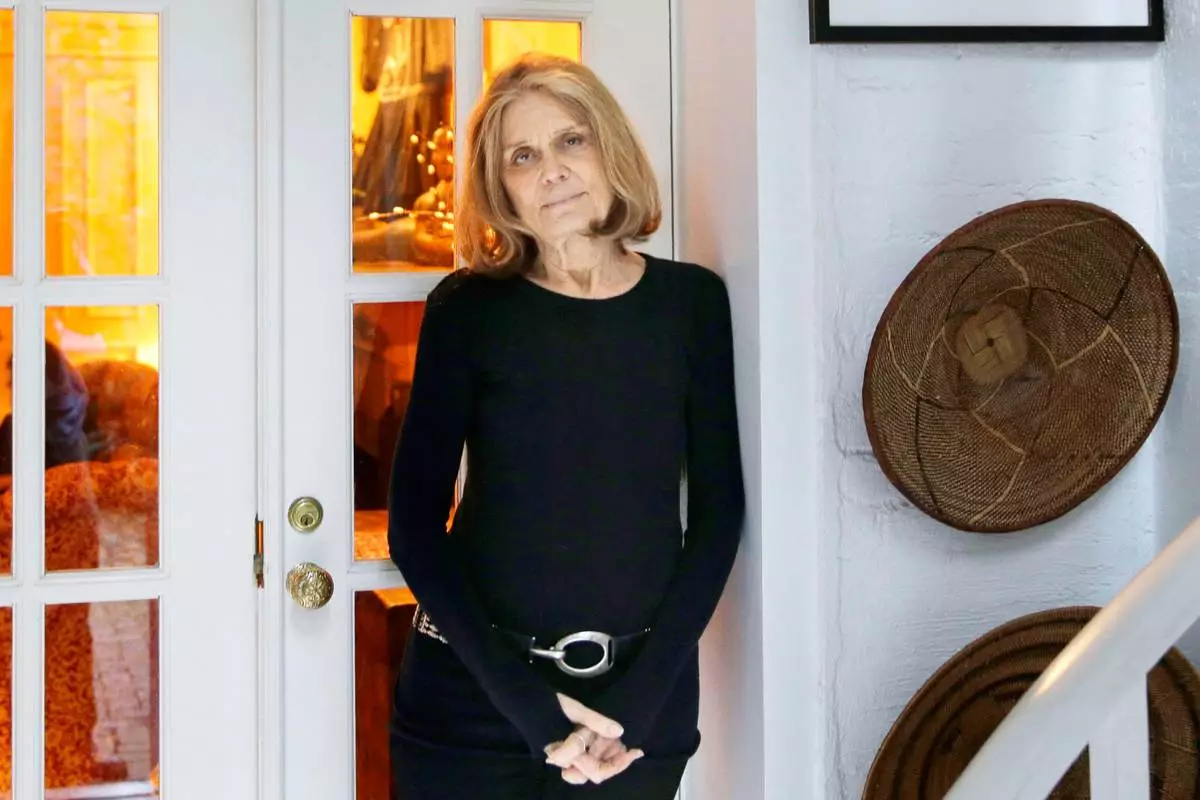
FILE - Gloria Steinem poses for a picture at her home in New York on Oct. 19, 2015. (AP Photo/Seth Wenig, File)
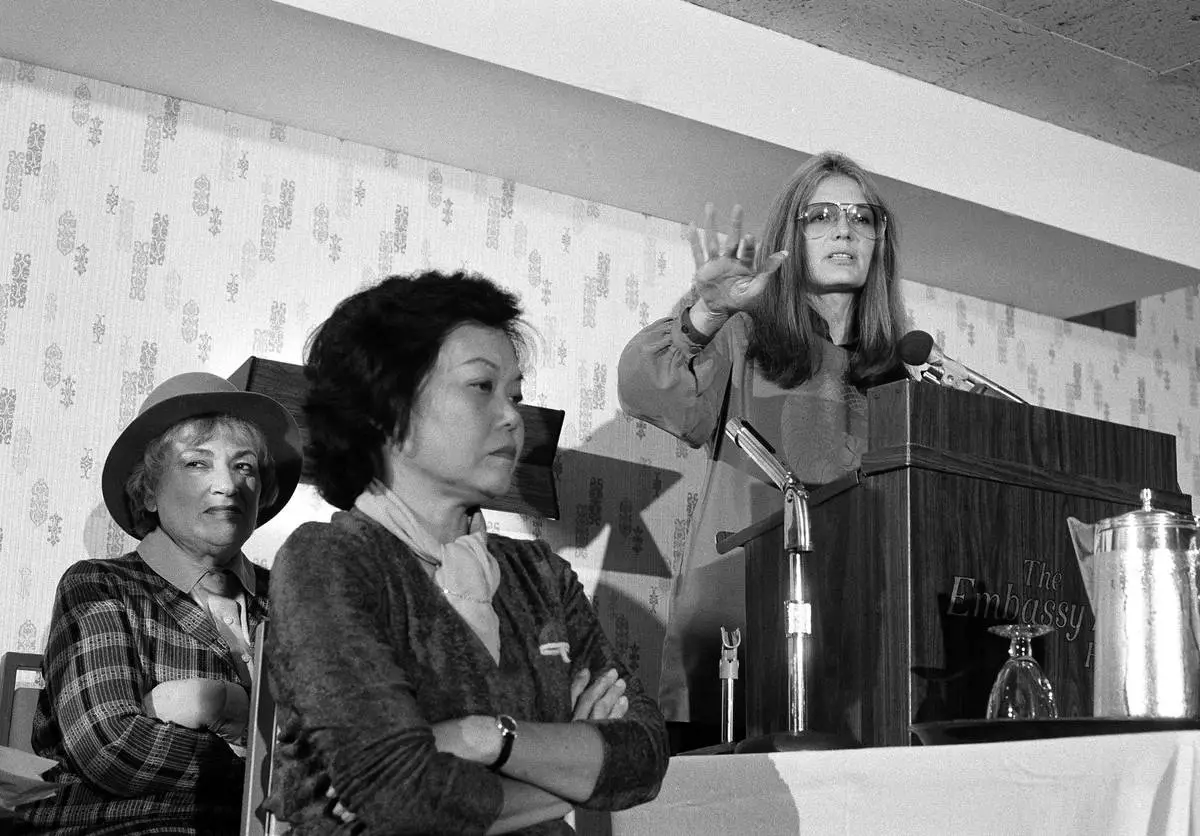
FILE - Bella Abzug, left, and Patsy Mink of Women USA sit next to Gloria Steinem as she speaks in Washington, Nov. 21, 1979. (AP Photo/Harvey Georges, File)
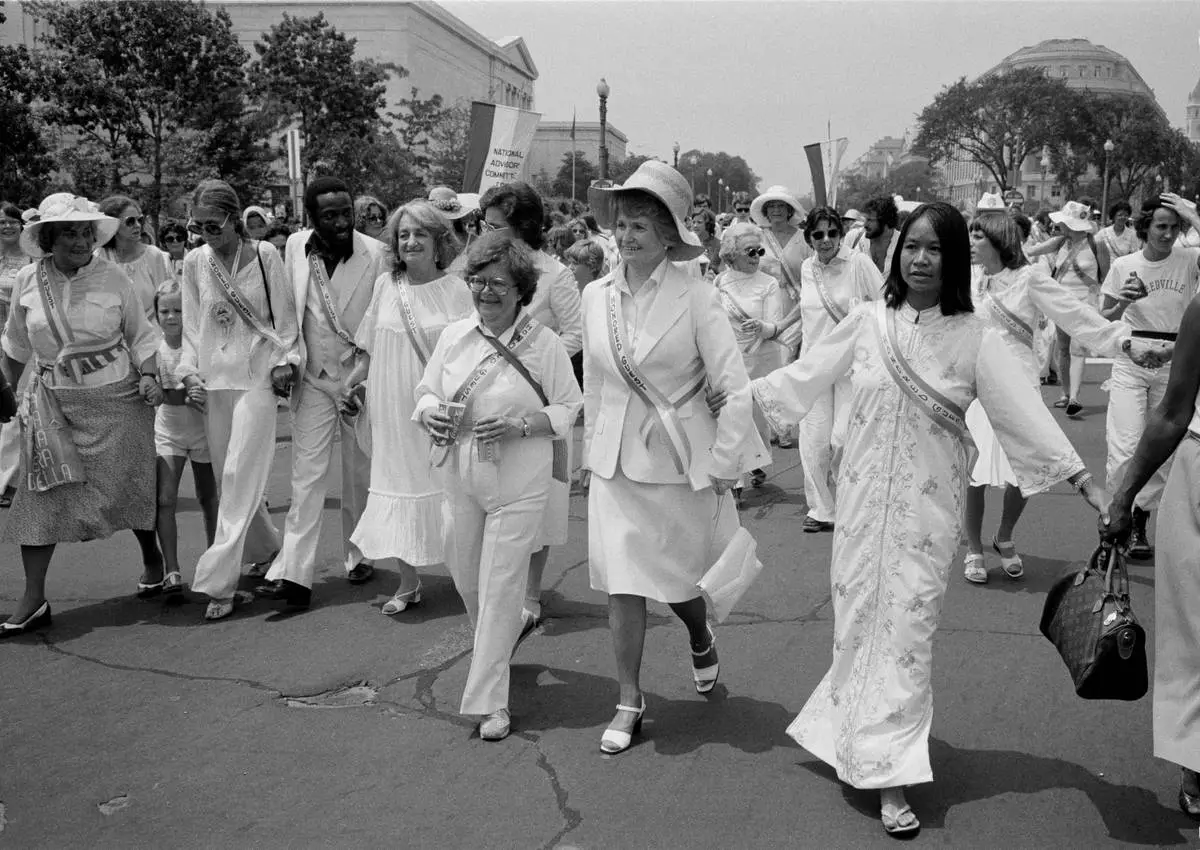
FILE - Leading supporters of the Equal Rights Amendment march in Washington, July 9, 1978, urging Congress to extend the time for ratification of the ERA. From left are: Gloria Steinem; Dick Gregory; Betty Friedan; Rep. Elizabeth Holtzman, D-N.Y. (partially obscured); Rep. Barbara Mikulski, D-Md.; and Rep. Margaret Heckler, R-Mass. The women at far left and right are unidentified. (AP Photo/Dennis Cook, File)
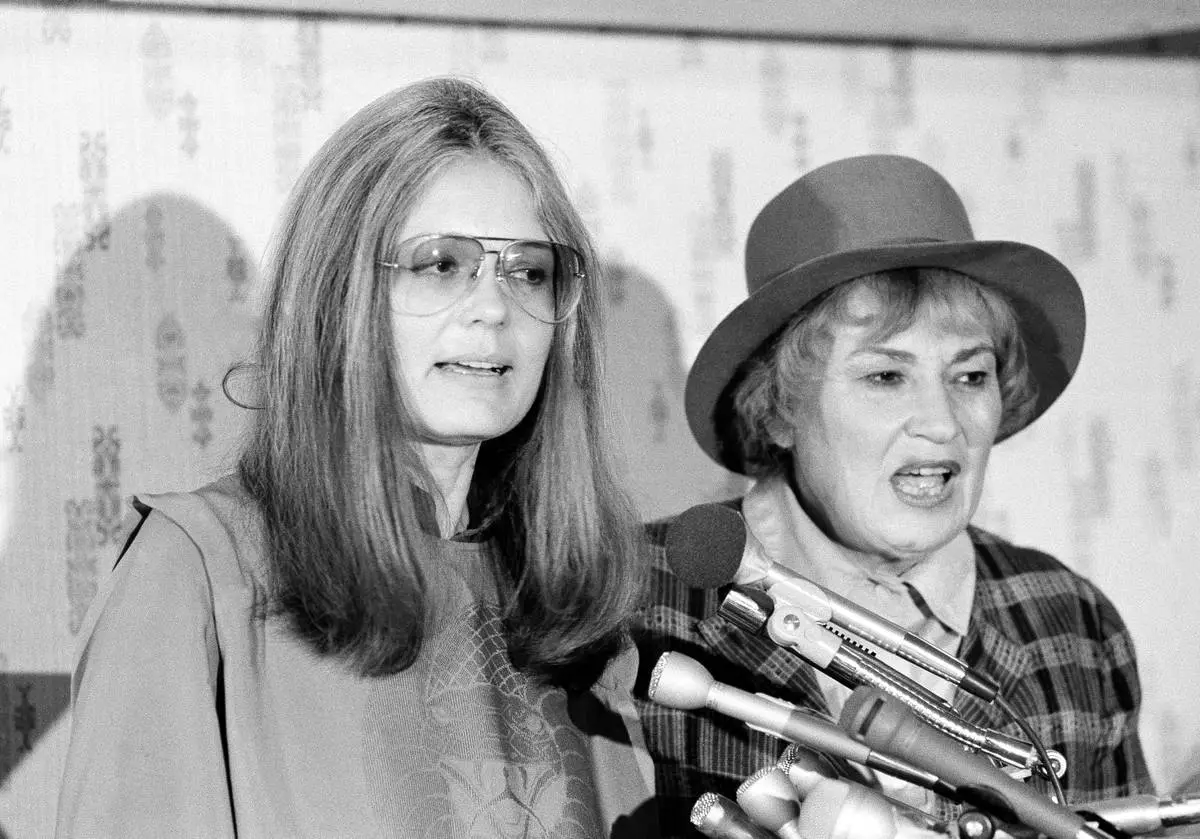
FILE - Gloria Steinem, secretary of Women USA, left, and former Congresswoman Bella Abzug, president of Women USA, answer questions at a press conference in Washington, Nov. 20, 1979. (AP Photo/Harvey Georges, File)
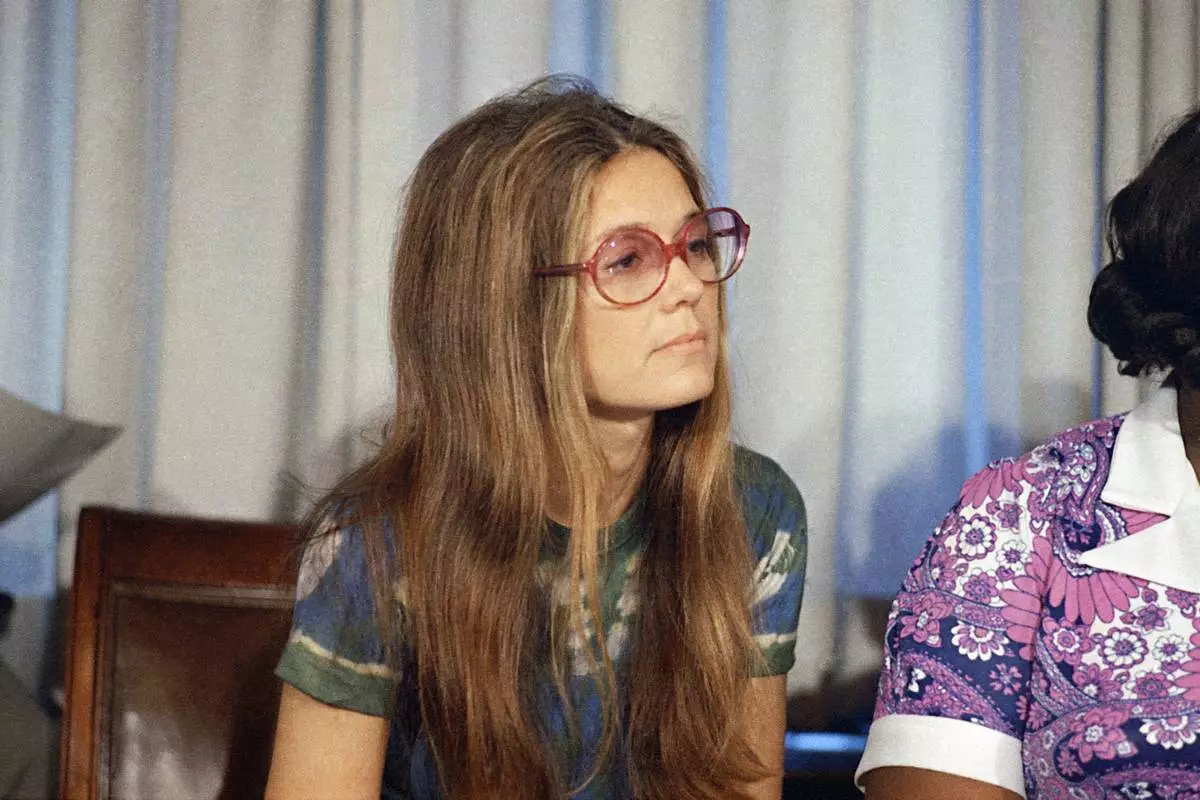
FILE - Women's rights spokeswoman Gloria Steinem attends a news conference at the American Civil Liberties Union office in New York, July 12, 1973. (AP Photo/Richard Drew, File)
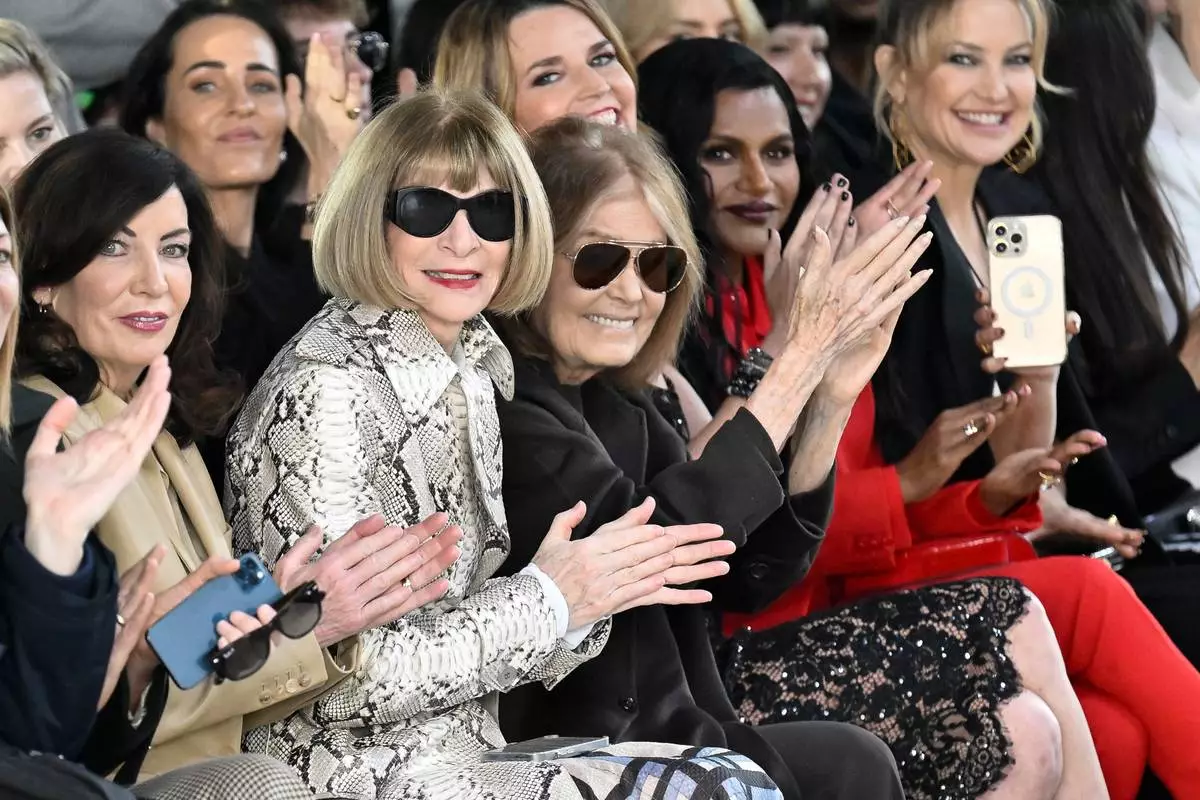
FILE - New York Governor Kathy Hochul, left, Anna Wintour and Gloria Steinem attend the Michael Kors Fall/Winter 2023 fashion show in New York on Feb. 15, 2023. (Photo by Evan Agostini/Invision/AP, File)
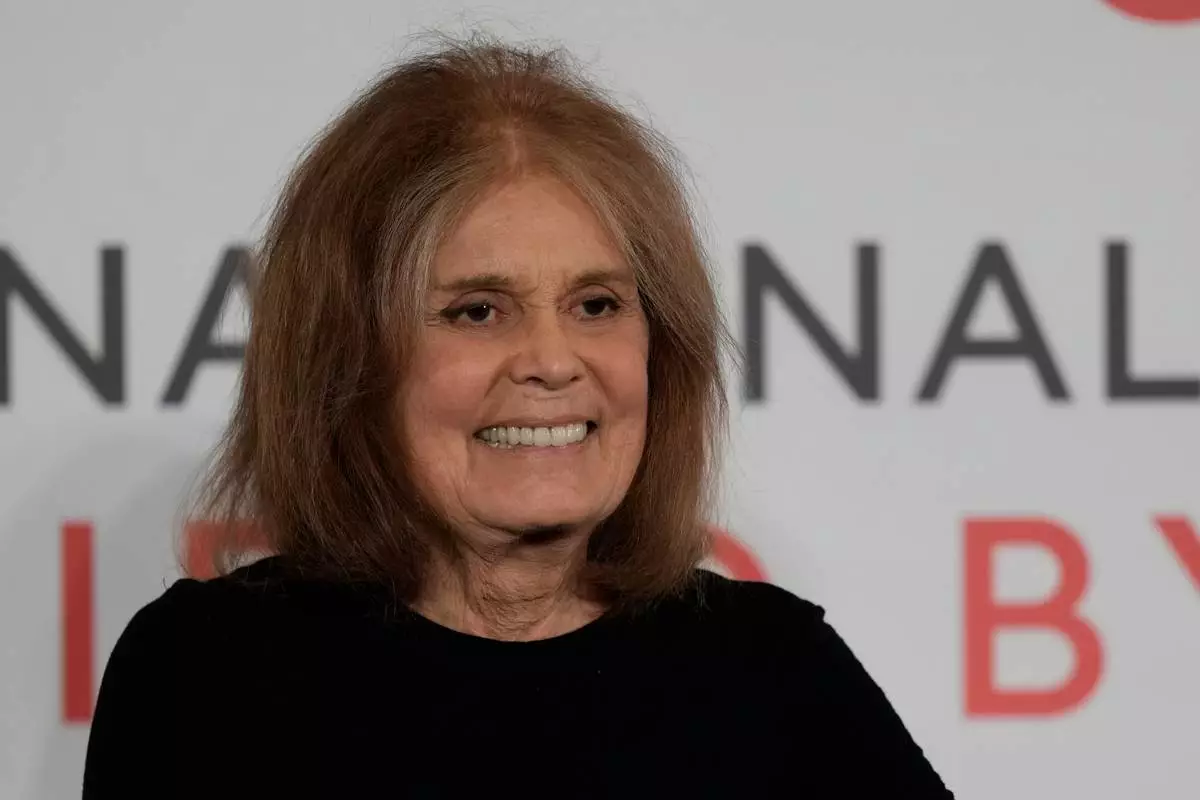
Gloria Steinem, Journalist and Activist talks during the Forbes 30/50 Summit at the Louvre Museum in Abu Dhabi, United Arab Emirates, Wednesday, March 8, 2023. (AP Photo/Kamran Jebreili)
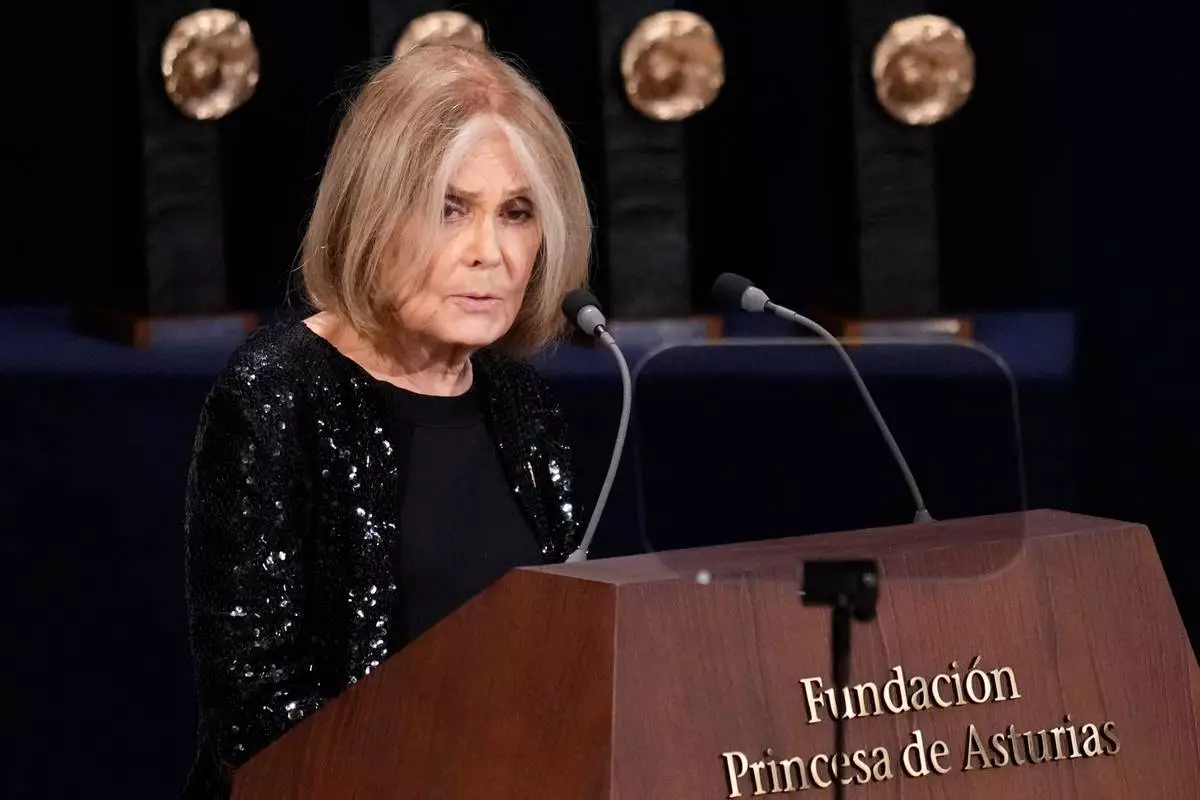
FILE - Gloria Steinem speaks during the 2021 Princess of Asturias Awards ceremony in Oviedo, northern Spain, Oct. 22, 2021. (AP Photo/Manu Fernandez, File)