A new group of Chinese experts arrived in Kathmandu, Nepal on Thursday, to assist Nepalese authorities with identifying the victims of a deadly mudslide that struck the China-Nepal border on August 26.
A Y-20 transport aircraft carrying the experts landed at Tribhuvan International Airport in Kathmandu.
"Ten Chinese experts, including DNA and forensic specialists, and fingerprint experts, were urgently deployed on Thursday. Instructed by the Ministry of Public Security, we came to Nepal on behalf of China to assist in the identification of the victims," said Qi Yu, a Chinese expert.
The aircraft also carried a new batch of emergency relief supplies donated by China.
The shipment includes morgue freezers, epidemic-prevention materials, daily necessities, and other items urgently needed in Nepal.
The relief supplies also include Bailey bridges for disaster relief, while the installation equipment for the bridges has been transported separately by road to the China-Nepal border port.
On Thursday, Nepali Foreign Minister Shisir Khanal thanked China for disaster relief assistance during a meeting with Chinese Ambassador to Nepal Zhang Maoming. He said Nepal sincerely appreciates China's generous assistance at a time of crisis.
The death toll from the mudslide in Nepal has risen to 1,290 as of Thursday evening, according to the Nepal Police.
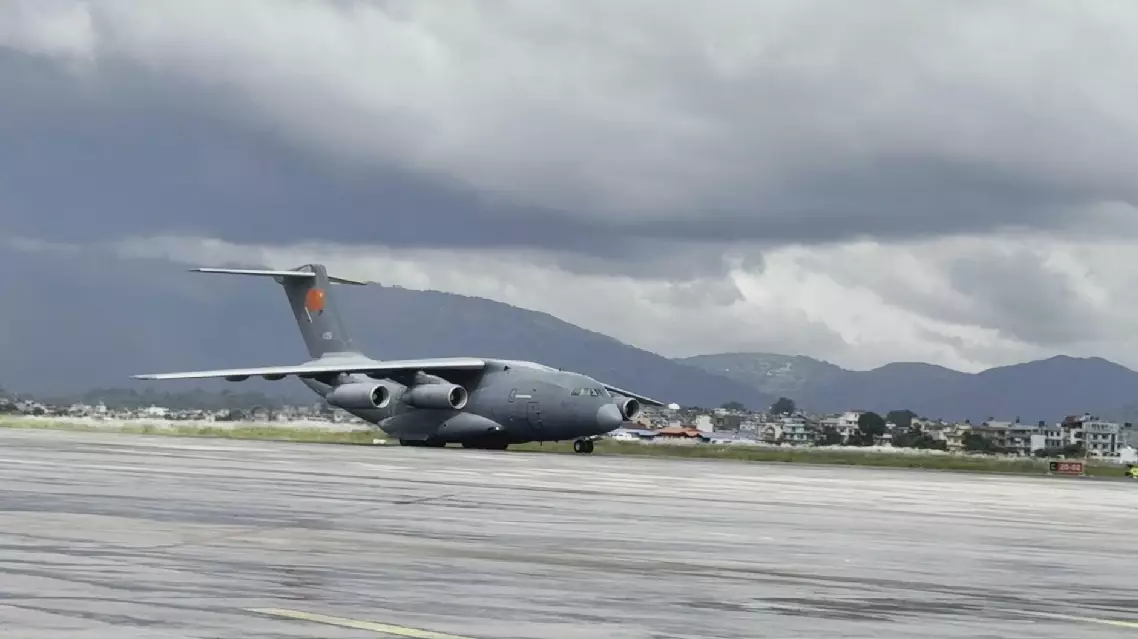
Fourth group of Chinese experts arrives in Nepal after deadly mudslide
The current Super El Nino has fueled typhoon activity in the Western Pacific, with the Western North Pacific and South China Sea seeing the forming of 32 typhoons so far this year, the highest annual total since the start of the 21st century, according to a chief forecaster at China's National Climate Center.
The region has averaged 24.3 typhoons a year this century. Only 2004 and 2013 saw more than 30, with 2013's 31 typhoons setting the previous record.
"Under the influence of the developing Super El Nino, the subtropical high pressure has remained farther north since this summer, averaging about two degrees of latitude farther north from August to October. A northward shift in the subtropical high pressure is favorable for typhoon formation. A total of 23 typhoons formed from July to October this year. The numbers of storms formed and making landfalls were significantly above average, and their overall intensity was stronger than usual," said Zhao Junhu, chief forecaster at the National Climate Center.
The high number of typhoons comes amid a broader climate shift. The National Climate Center's monitoring showed that a Super El Nino event emerged in the central and eastern equatorial Pacific in September and had become the strongest on record by October.
"Next summer, the Super El Nino is expected to make the subtropical high pressure over the Western North Pacific stronger and make it shift westward and southward. This is likely to result in fewer typhoons forming, though their intensity is expected to remain strong, with tracks mainly heading west. The pattern of typhoons next autumn will also depend on how El Nino evolves from summer into autumn next year," Zhao said.
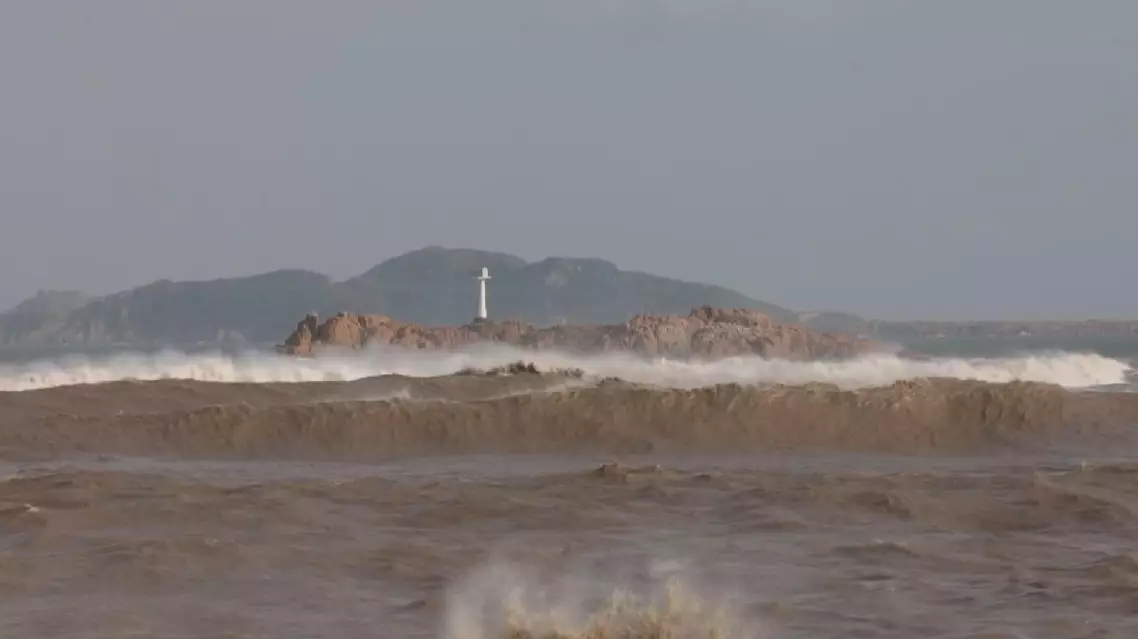
Super El Nino fuels typhoon activity in Western Pacific: chief forecaster