With a unique unpredictability reflected in thin margins between victory and defeat, which thrills both athletes and audience on site, live sports can be a powerful way to inspire more people, especially the young, to take up sports for themselves, according to Chinese freestyle skiing star Gu Ailing.
In an interview with China Global Television Network (CGTN) Thursday in Beijing, the three-time Olympic gold medalist shared her insights on how China can push forward its national fitness and sports development blueprint.
"Yeah, I think live sports in particular are really exciting because the kind of energy, I guess, of being in person and also having no idea of what's going to happen, the players included. So all of the athletes are kind of going through this experience with the audience. And there's kind of this 'give and take' of storytelling and the narrative there, I think, is really inspiring and uplifting in a particularly unique way. So I think for young people to get access to that and to really feel the environment can do a lot as far as pushing them to try sports out for themselves," Gu said.
China aims to expand its sports industry to more than seven trillion yuan (1.04 trillion U.S. dollars) by 2030 as part of a new five-year plan to build the country into a sports powerhouse, officials said Thursday.
The 15th Five-Year Plan (2026-2030), approved by the State Council in July, also targets increasing per capita sports venue space to about four square meters and raising the proportion of residents who regularly exercise to around 40 percent, General Administration of Sport director Gao Zhidan told a State Council Information Office briefing.

Energy of live sports inspires young people to get involved: Olympic gold medalist
Japan's 10-year government bond yield rose above three percent on Tuesday for the first time in about 30 years, reflecting growing market concern over the country's fiscal sustainability, according to economists.
Japan's benchmark 10-year government bond yield surged to 3.015 percent on Wednesday, marking its highest level since September 1996. Bond yields move inversely to their prices, meaning the sharp rise in yields reflects intensified selling pressure across Japan's government bond market.
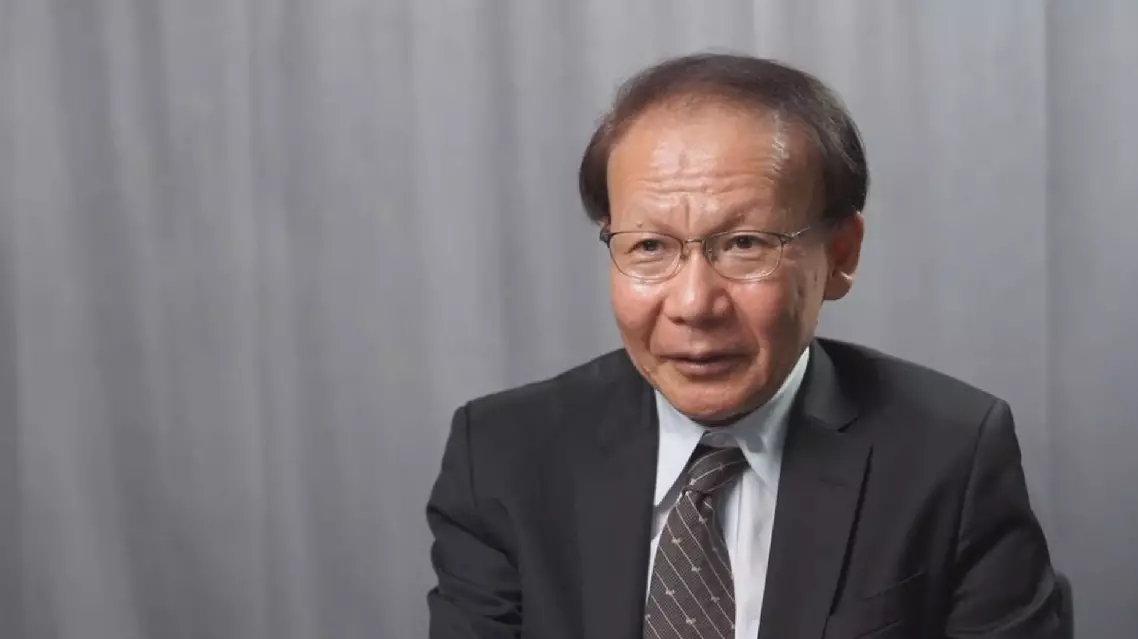
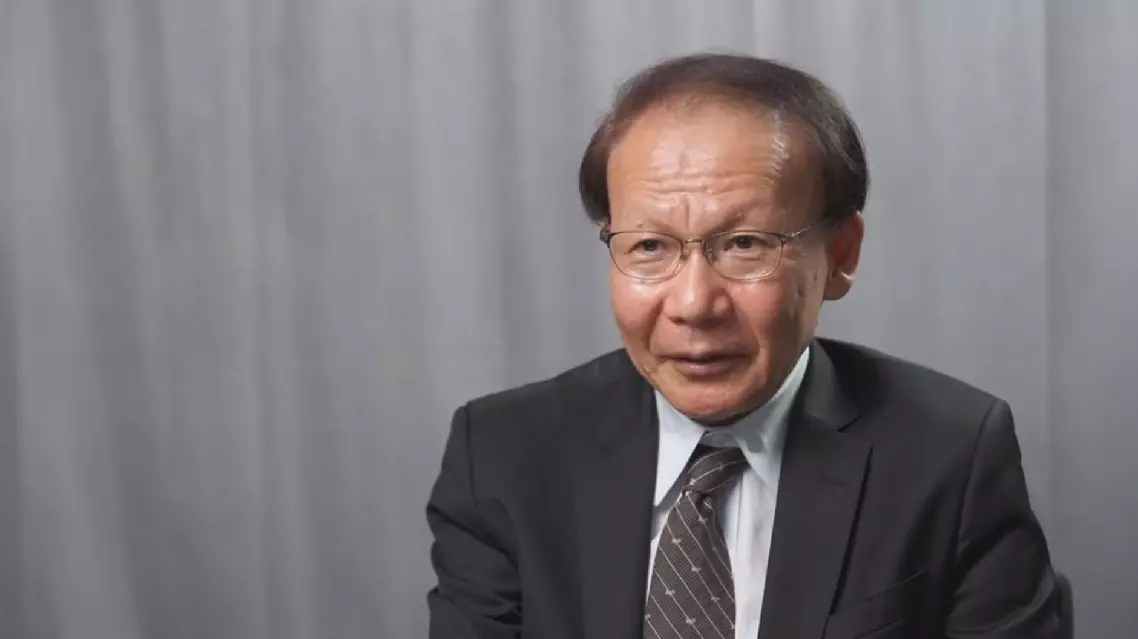
"Since Prime Minister Sanae Takaichi took office [on October 21, 2025], Japan's long-term interest rate has risen by about 80 percent. The pace of increase is 3.8 times that of the United States and 2.6 times that of Germany. The situation is already very critical," said Hidetoshi Tashiro, chief economist of Japan's Infinity LLC.
A key consequence of the rising long-term interest rate will be higher borrowing costs for businesses, said an expert.
"Once the government bond yield reaches three percent, some companies may see their financing costs rise to about five or six percent, which could curb corporate equipment investment. The Japanese government's current plans to promote equipment investment will also become difficult to achieve," said Hideo Kumano, head economist at the ABC Economic Research Institute in Japan.
The yen's continued depreciation is another worry. Despite recent joint intervention by Japan and the United States to stabilize the exchange rate, the impact has been limited, experts said.
"It's obvious that the effects of intervention are diminishing. An intervention in September 2022 moved the yen down or up by about two yen per one trillion yen spent. In the intervention in late July this year, however, the same amount moved the currency down or up by only about 0.5 yen, suggesting the effectiveness of such measures has declined to one-quarter in just four years," said Tashiro.
Bank of Japan (BOJ) Governor Kazuo Ueda has voiced readiness to raise interest rates in consideration of economic and price conditions and to curb the yen's depreciation.
However, economists expressed doubts about the long-term impact.
"Market insiders now almost unanimously expect the Bank of Japan to raise interest rates in September. But even that is unlikely to halt the yen's decline. The policy gap between the central bank and the government will probably persist. With long-term rates rising and the yen weakening, I believe Japan's economic policy is stuck in a difficult quagmire," said Kumano.
Japan's long-term interest rate tops 3 percent, fueling fiscal concerns
Japan's long-term interest rate tops 3 percent, fueling fiscal concerns