China's meteorological authorities have swiftly aided Nepal's rescue and relief efforts by sharing data, providing weather forecasts and early warning solutions tailored for Nepal after a deadly mudslide occurred in the country hit their shared border region on August 26.
According to officials from the China Meteorological Administration (CMA), the administration held video weather consultations with Nepal's meteorological department immediately after the disaster, and has actively provided meteorological support for Nepal's rescue and relief operations.
China has also established a dedicated meteorological support team for Nepal and began providing daily monitoring and forecasting reports in English.
The CMA said it will provide seamless forecasting services covering the next 30 days, offering strong support for Nepal's rescue operations.
The CMA has also been providing Nepal with a range of meteorological products through MAZU, China's homegrown AI-powered meteorological early warning system.
The administration urgently developed a cloud-based version of MAZU customized for Nepal, which integrates multi-source data from China's Fengyun meteorological satellites and ground-based observation networks, and is equipped with a series of AI-powered forecasting models.
The customized version was already delivered to Nepal for trial use.
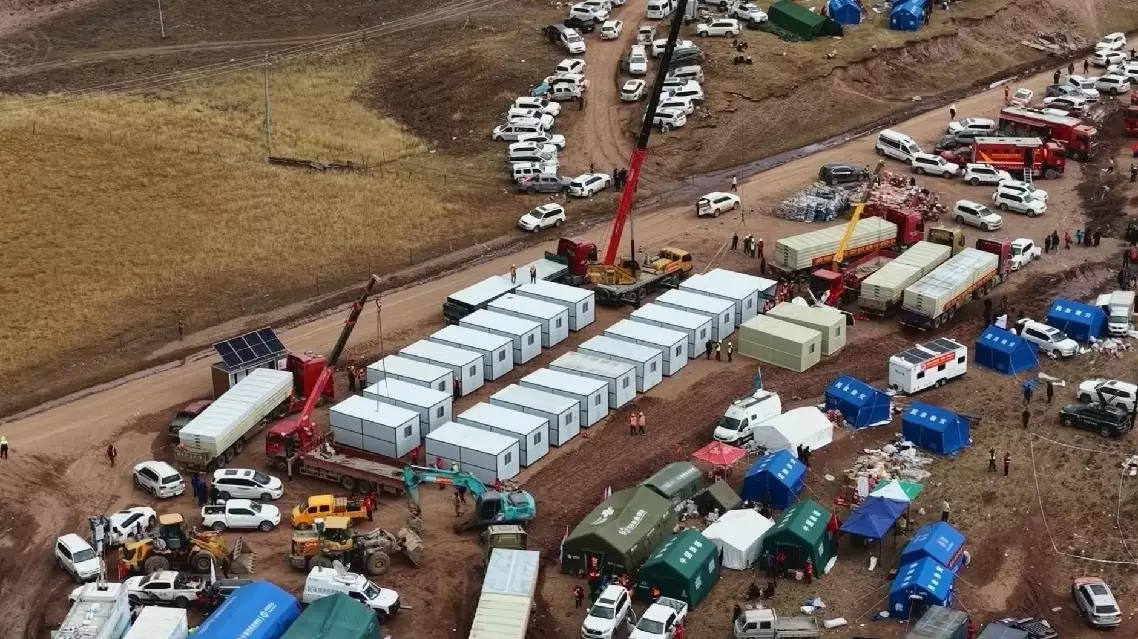
The mudslide, caused by an ice-rock avalanche in Nepal, hit multiple locations along the China-Nepal border on Aug 26.
The death toll in Nepal had risen to 1,259, with around 5,083 people still missing as of 19:00 local time on Thursday, according to the National Disaster Risk Reduction and Management Authority.
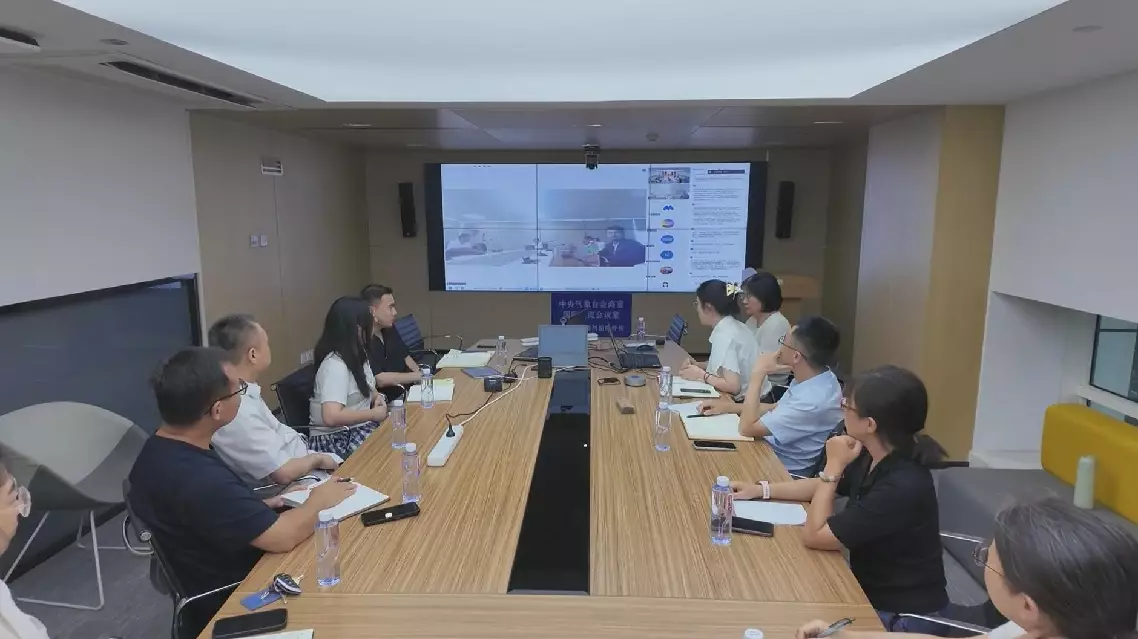
China provides meteorological support for Nepal's rescue, relief efforts
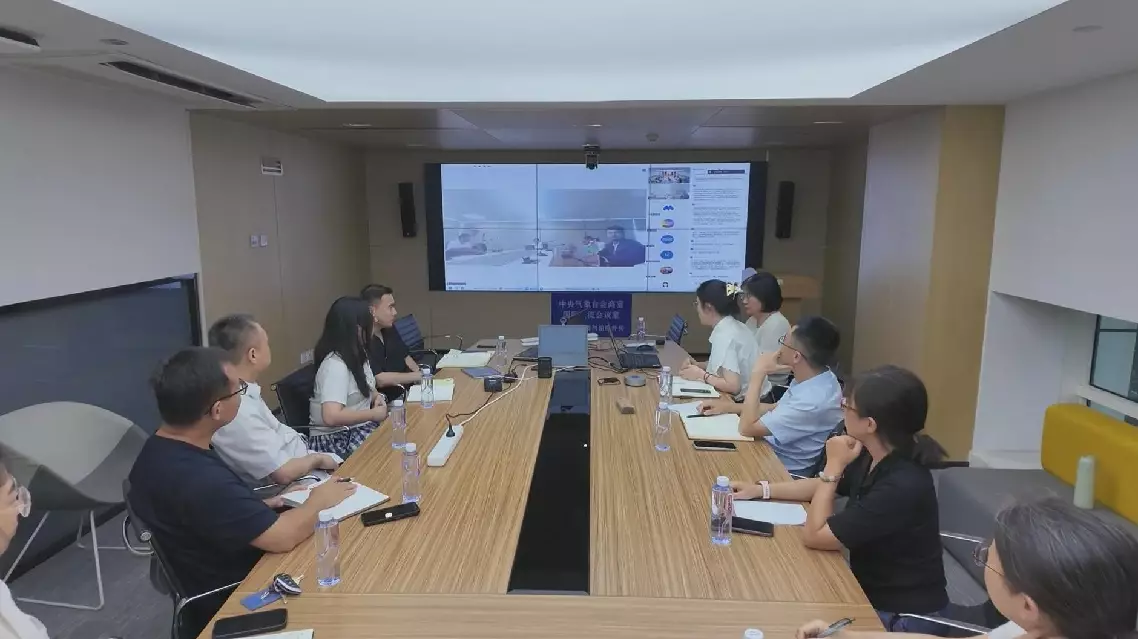
China and Russia should strengthen synergy between the Belt and Road Initiative and the development of the Eurasian Economic Union, and further align China's Northeast revitalization strategy with Russia's Far East development strategy, Chinese Vice Premier Ding Xuexiang said on Thursday.
Ding, also a member of the Standing Committee of the Political Bureau of the Communist Party of China Central Committee, made the remarks while addressing the 11th Eastern Economic Forum in Russia's Far Eastern city of Vladivostok.
Under the strategic guidance of the two heads of state over the years, China-Russia regional cooperation, especially between China's Northeast and Russia's Far East, has delivered fruitful results, Ding said.
China remains the largest trading partner of Russia's Far East, he said, adding that key cooperation projects are moving forward faster and the mutual visa-free policy has boosted both cross-border passenger flows and cargo trade.
He suggested that China and Russia stay close to the people's needs, strengthen mutual support between regions, develop industries with distinctive local features, and ensure that the two peoples gain more tangible benefits from development and revitalization.
He called on both sides to promptly address business concerns, maintain policy continuity and stability, and create favorable conditions for businesses to grow.
He encouraged the two sides to deepen exchanges and cooperation in areas such as culture, tourism, education, and youth, and ensure the success of various activities under the China-Russia Years of Education.
He said China and Russia should safeguard regional peace and stability, jointly uphold the purposes and principles of the UN Charter and international fairness and justice, and deter any attempts to challenge the outcomes of World War II and the post-war international order.
China has the confidence, capability and conditions to maintain steady and healthy economic development, Ding said, adding that China remains committed to expanding high-standard opening up and welcomes foreign businesses to continue investing and deepening their presence in China.
Chinese vice premier calls for closer China-Russia regional cooperation at Eastern Economic Forum