Leftover oil from restaurants in central China's Henan Province now can be transformed into bio-based aviation fuel via a series of upgraded procedures.
At a restaurant in Henan's Puyang City, workers collect all the swill-cooked oil with specific sealed collection buckets, and then deliver it to food waste disposal stations for further processing.
"We have processed a total of more than 50,000 tons of food waste. It is used as feedstock for industrial-grade mixed oil, with an oil extraction rate of approximately 3 percent," said Chen Yahui, director of Puxin Company's food waste disposal operation department.
The greatest significance of transforming waste oils and fats lies in their conversion into bio-based aviation fuel, turning from a common industrial waste into a high-end clean energy.
For local companies specializing in swill-cooked oil utilization, their supplies not only come from Henan, but also from other nearby provinces.
"The price of bio-based aviation kerosene rose from around 2,200 U.S. dollars per ton at the beginning of the year to about 2,500 U.S. dollars in July -- an increase of more than 10 percent in just six months. Our export volume also grew by approximately 20 percent year on year, with orders being booked through 2027," said Hu Rui, operation director of Henan Junheng Industrial Group Biotechnology Co., Ltd.
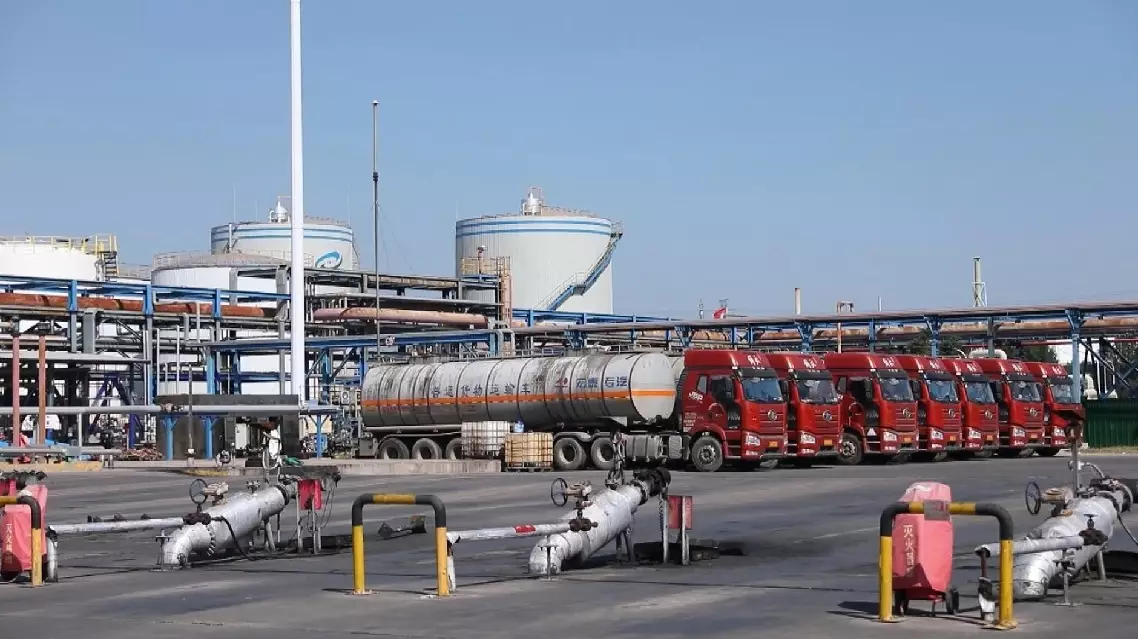
Central China province succeeds in turning swill-cooked oil into jet fuel
China and the United States have both the capability and the responsibility to jointly develop and govern artificial intelligence (AI) well, ensuring that its development remains under human control and benefits the people, China's top diplomat Wang Yi said on Friday.
"We should not only guard against risks but also engage in cooperation to jointly discuss globally applicable rules and standards so that AI serves to promote common prosperity and safeguard common security," Wang said.
China maintains that AI development should be inclusive, beneficial, for the positive and for good, he said.
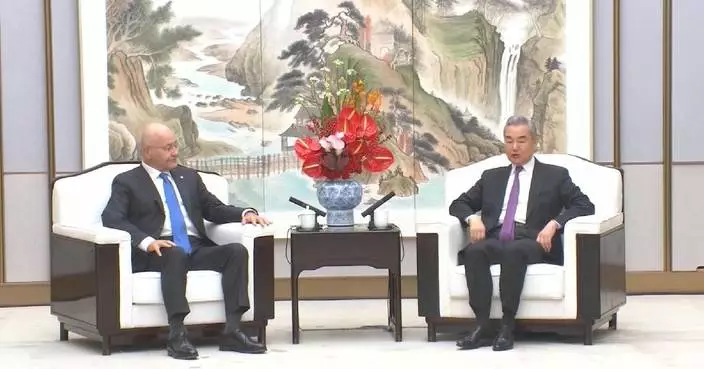
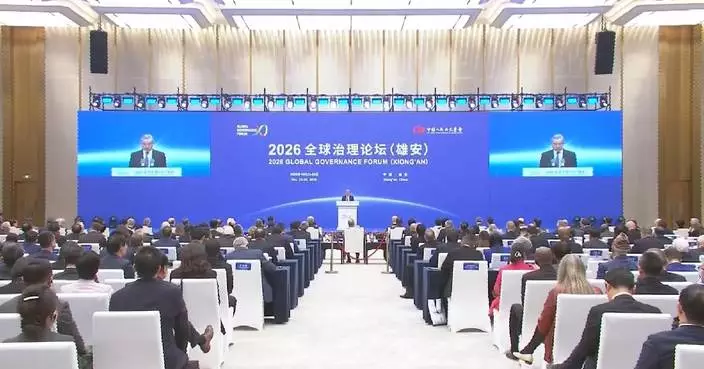
Wang, Chinese foreign minister and a member of the Political Bureau of the Communist Party of China Central Committee, made the remarks during his meeting with co-chair of the Board of Trustees of the Asia Society John L. Thornton and The New York Times columnist Thomas L. Friedman, who are in China for the 2026 Global Governance Forum (Xiongan).
Noting that the world is currently confronted with multiple governance deficits in areas including peace, development and security, Wang said that in September 2025, President Xi Jinping put forward the Global Governance Initiative, which provided an important public good for the world and received wide recognition and support from the international community.
By hosting the global governance forum in Xiongan New Area, north China's Hebei Province, China hopes to pool consensus from various parties and jointly promote the reform of the global governance system, Wang added.
Thornton and Friedman expressed congratulations on President Xi's successful visit to the United States, hoping that the two countries will enhance cooperation on AI and provide important public goods for the world.
They said that the international community is paying close attention to the upcoming APEC Economic Leaders' Meeting hosted by China, and expects that China will take this opportunity to play a unique and positive role in tackling global challenges.
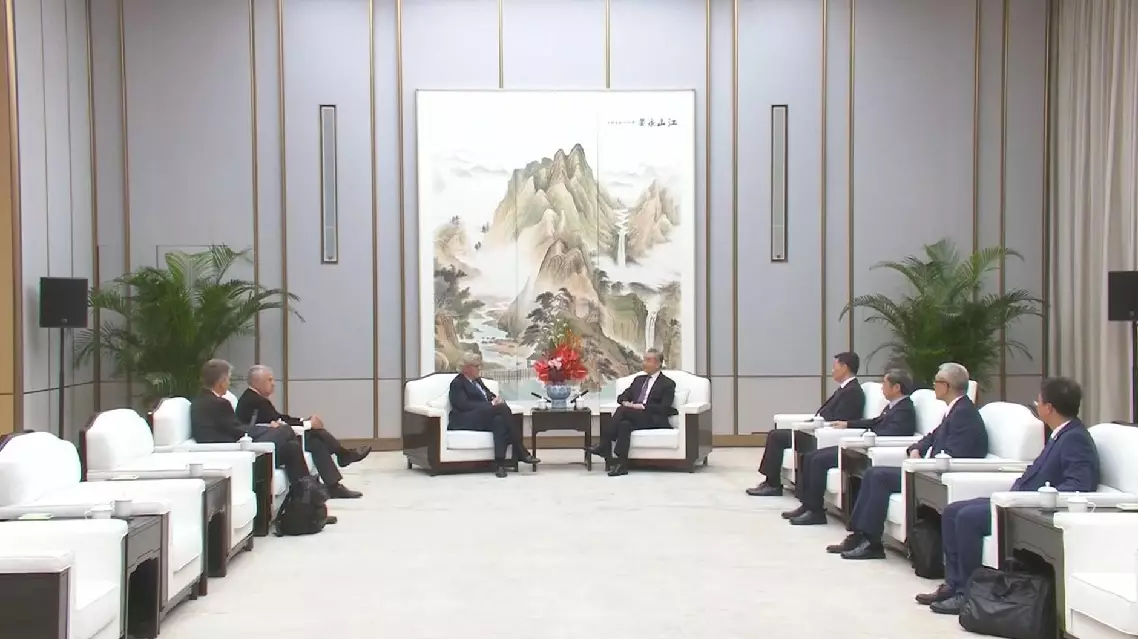
China's top diplomat calls for China-U.S. joint efforts on AI development, governance