The Palestinian Islamic Resistance Movement (Hamas) on Saturday rejected a recent report by the U.S.-backed Board of Peace on the situation in the Gaza Strip, describing its content as inaccurate.
Hamas said in a statement that the report failed to present a balanced and comprehensive account of the current situation in Gaza, calling on the board to maintain an objective and balanced stance and to avoid adopting the "Israeli narrative".
Hamas also stressed that Gaza has still been facing repeated violations of the ceasefire agreement, attacks on civilians, and an extremely dire humanitarian situation, according to the statement.
The so-called "Board of Peace," a body initiated by the United States, issued a report on Friday claiming that "Hamas has acquiesced to the Board of Peace's demands," and that in the next decade, "Gaza must become a model of effective Palestinian self-governance".
The report asserted that the Palestinian core pursuit lies in freedom and prosperity, rather than the destruction of Israel.

Hamas rejects U.S.-backed Board of Peace report on Gaza as inaccurate
A super El Nino event officially formed in September 2026, monitoring data from China's National Climate Center showed on Friday.
Zhao Junhu, chief forecaster at the center, said that the equatorial central and eastern Pacific entered an El Nino state in May this year, with sea surface temperatures in the key monitoring region rising rapidly and continuously from May to September.
The three-month running mean of the sea surface temperature (SST) index in the monitoring region has remained above 0.5 degrees Celsius for five consecutive months. The index exceeded 2.5 degrees Celsius for the July-September period, meeting the threshold for a super El Nino event.
The event is classified as an eastern Pacific-type El Nino, in which the warmest sea surface temperatures are concentrated in the equatorial eastern Pacific.
Monitoring data showed that sea surface temperatures across most of the equatorial Pacific in September were above average of the same period, with temperatures in the warm pool of the eastern Pacific exceeding the climatological average by more than 3 degrees Celsius.
The SST index for the monitoring region reached 2.94 degrees Celsius in September, up 0.35 degrees Celsius from August. The average index for the July-September period stood at 2.54 degrees Celsius.
Based on a combination of domestic and international dynamical climate models and statistical forecasting methods, the center expects sea surface temperatures in the equatorial central and eastern Pacific to continue rising over the next three months, peaking in late autumn or early winter, Zhao said.
The event is expected to become the strongest El Nino on record since systematic monitoring began, he added.
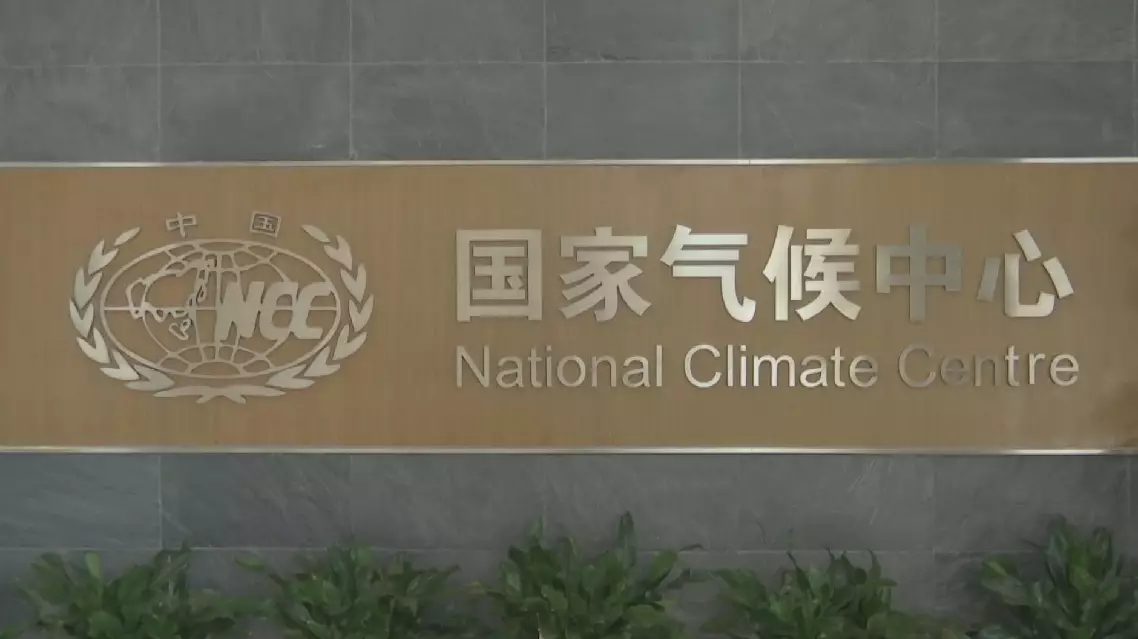
Super El Nino event formed in September: China's National Climate Center
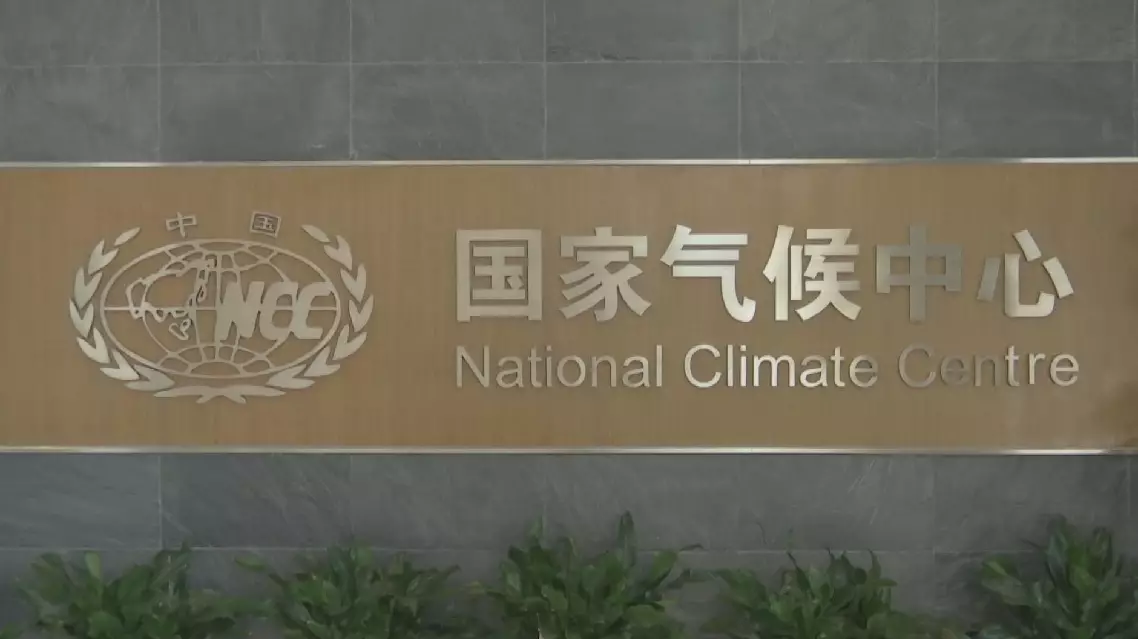
Super El Nino event formed in September: China's National Climate Center