The Israeli military continued its strikes in southern Lebanon on Saturday, bringing the cumulative Lebanese death toll to 4,358 since March 2, according to the Israel Defense Forces (IDF) and Lebanese sources.
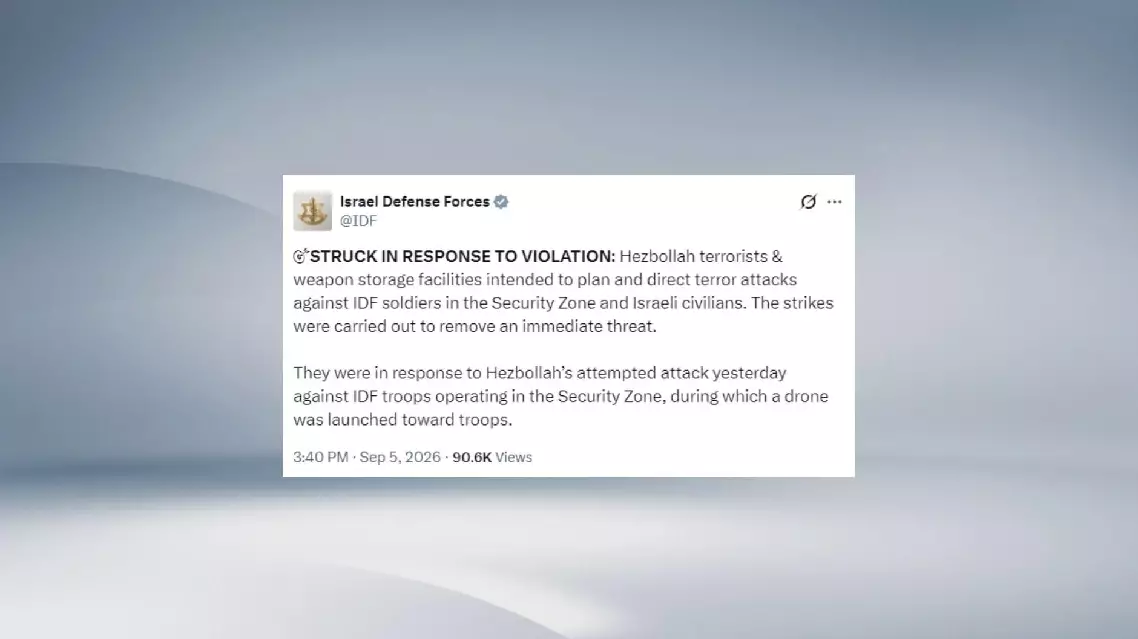
The IDF said in post on X that the operation targeted Hezbollah weapon storage facilities that were "intended to plan and direct terror attacks against IDF soldiers in the Security Zone and Israeli civilians."
The strikes were launched to "remove an immediate threat," the statement said.
The IDF described the action as a response to an earlier attempt by Hezbollah militants to launch a drone toward Israeli-held positions in southern Lebanon's "security zone." Israeli soldiers intercepted the drone on Friday, with no injuries reported. A Lebanese woman was killed and five other people injured Saturday in the Israeli airstrikes in southern Lebanon, according to Lebanon's official National News Agency (NNA).
According to Lebanon's Emergency Public Health Operations Center, the cumulative death toll from the Israeli attacks between March 2 and Sept 5 had reached 4,358, with 12,359 others injured.
Israel continues strikes in southern Lebanon; Lebanese death toll rises to 4,358 since March
Relief efforts including shelter construction and supply distribution are progressing smoothly in the earthquake-stricken Baqen County of Nagqu city in southwest China's Xizang Autonomous Region, with remote sensing satellites deployed to support emergency rescue operations.
In severely affected areas such as Maru Township, 18 resettlement sites have been completed, with construction on the remainder accelerated to provide evacuees with basic living necessities and medical services.
At a centralized relocation site in a village of Maru Township on Friday night, outdoor temperatures had dropped to about 5 degrees below zero, but tents for more than 50 households had been put up.
Despite the freezing cold outside, the tents remain warm inside. Relief supplies, including bedding, clothing, instant noodles, beverages and bottled water, have been distributed at the site, with tents allocated based on family size.
The first batch of prefabricated houses has already arrived at the site. More prefabricated units will be delivered gradually in the coming days, bringing better living conditions for the affected people.
Alongside on-ground relief work, satellites are being used to make rescue efforts more targeted and efficient.
Relevant units under the China Aerospace Science and Technology Corporation launched an emergency response mechanism immediately after the earthquake. Multiple satellites, including Gaofen-07 and Ludi Tance (Land Exploration)-1 A, have been deployed to monitor the disaster area and provide remote sensing imagery to aid relief work.
Up to now, 11 satellite imaging tasks have been carried out, obtaining 21 sets of post-quake data and sharing 19 sets of historical data. These data provide solid support for emergency rescue deployment and decision-making.
At least 16 people were killed and 76 others injured after the quake jolted Baqen County at 22:33 Beijing time (1433 GMT) on Thursday.
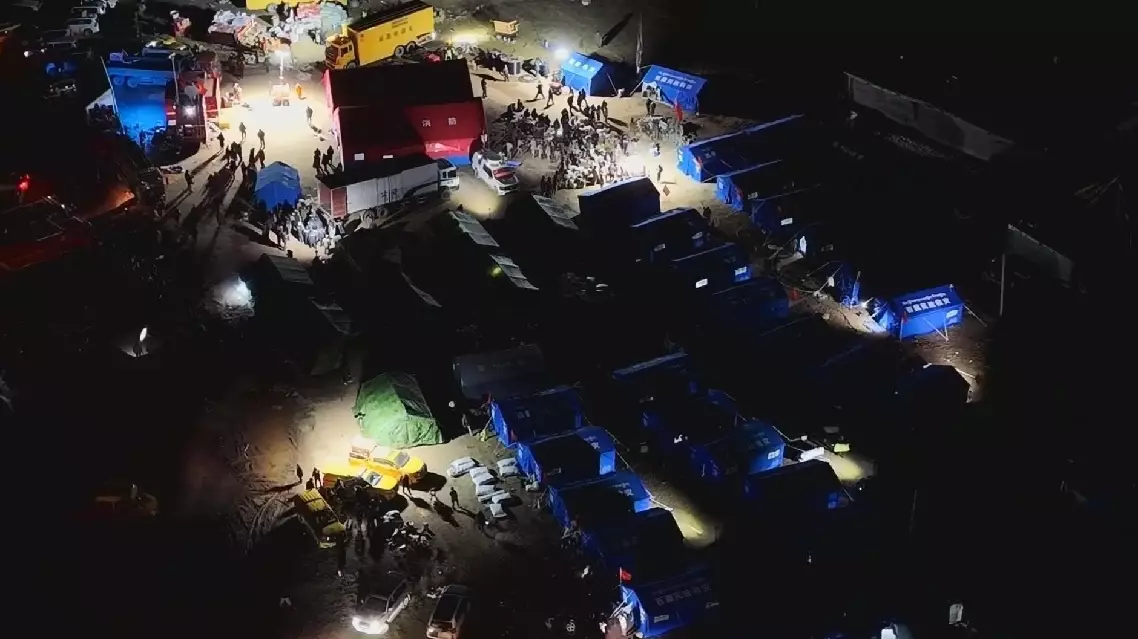
Shelters erected, relief supplies delivered to quake-hit county in Xizang Autonomous Region in southwest China