Skip to Content Facebook Feature Image

Japan releases nearly 8,000 tonnes of nuclear-tainted wastewater in 24th ocean discharge

China

China

China

Japan releases nearly 8,000 tonnes of nuclear-tainted wastewater in 24th ocean discharge

2026-10-24 09:34 Last Updated At:10:09

The 24th round of ocean discharge of nuclear-contaminated wastewater from Japan's crippled Fukushima Daiichi Nuclear Power Plant was completed on Friday, with 7,852 tonnes released, according to Tokyo Electric Power Company Holdings (TEPCO), the plant's operator.

The latest release, also the sixth round of fiscal 2026, began on Oct. 5. The newly discharged wastewater contained approximately 1.2 trillion becquerels of radioactive tritium. Total discharge across all 24 rounds has reached about 188,400 tonnes.

Despite strong doubts and opposition from the international community, Japan unilaterally launched the ocean discharge of nuclear-contaminated water from the Fukushima Daiichi plant in August 2023.

TEPCO's official data show that as of Oct. 8, about 1.226 million tonnes of contaminated water remained in storage tanks at the plant, only eight percent less than before the discharge began.

Japan releases nearly 8,000 tonnes of nuclear-tainted wastewater in 24th ocean discharge

Japan releases nearly 8,000 tonnes of nuclear-tainted wastewater in 24th ocean discharge

Japan releases nearly 8,000 tonnes of nuclear-tainted wastewater in 24th ocean discharge

Japan releases nearly 8,000 tonnes of nuclear-tainted wastewater in 24th ocean discharge

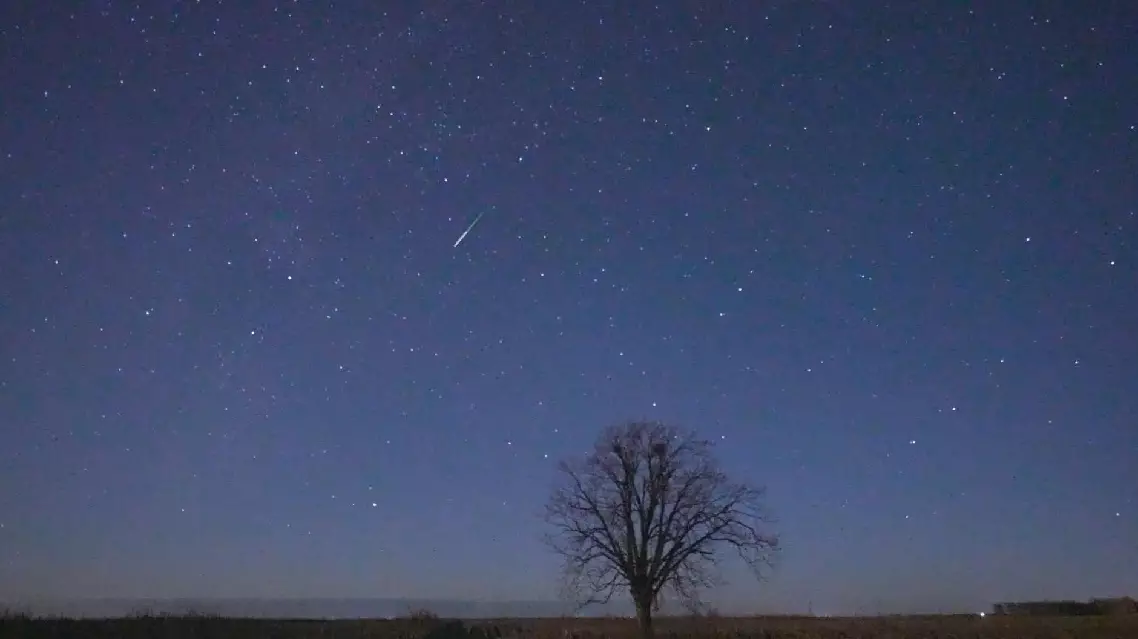
The Orionid meteor shower presented a spectacular celestial display over a village in northeast China's Heilongjiang Province from late Wednesday night into the early hours of Thursday.

The annual meteor shower is caused by remnants from Halley's Comet. It peaked at around 2:00 on Thursday, with a zenithal hourly rate of about 20, meaning roughly 20 meteors were visible per hour under ideal dark-sky conditions.

Ping'an Village in Leye Township, Tongjiang City proved an ideal viewing spot thanks to its open landscape and exceptionally low light pollution.

Video footage captured meteors, commonly known as shooting stars, streaking across the night sky at high speed, leaving bright trails of light against the starry backdrop.

The meteor shower is active from early October to early November.

Orionid meteor shower observed in Heilongjiang

Orionid meteor shower observed in Heilongjiang

Recommended Articles