The European Union's border agency on Friday announced that it has dispatched a patrol vessel to the English Channel for the first time to support French search and rescue operations related to small, overcrowded boats at sea.
The European Border and Coast Guard Agency (Frontex) also said it plans to deploy additional vessels to join French patrols in the coming months.
In recent years, a large number of irregular migrants have attempted to cross the English Channel from France to the United Kingdom. The smuggling boats are often dangerously overcrowded and operate under hazardous conditions.
As of early August, 15 people had died this year while attempting to cross the Channel. On August 4, a total of 173 people were rescued by French and British maritime rescue services from a smuggling boat that caught fire in the English Channel.

EU deploys patrol vessel to English Channel to tackle migration crisis

EU deploys patrol vessel to English Channel to tackle migration crisis

EU deploys patrol vessel to English Channel to tackle migration crisis
The current Super El Nino has fueled typhoon activity in the Western Pacific, with the Western North Pacific and South China Sea seeing the forming of 32 typhoons so far this year, the highest annual total since the start of the 21st century, according to a chief forecaster at China's National Climate Center.
The region has averaged 24.3 typhoons a year this century. Only 2004 and 2013 saw more than 30, with 2013's 31 typhoons setting the previous record.
"Under the influence of the developing Super El Nino, the subtropical high pressure has remained farther north since this summer, averaging about two degrees of latitude farther north from August to October. A northward shift in the subtropical high pressure is favorable for typhoon formation. A total of 23 typhoons formed from July to October this year. The numbers of storms formed and making landfalls were significantly above average, and their overall intensity was stronger than usual," said Zhao Junhu, chief forecaster at the National Climate Center.
The high number of typhoons comes amid a broader climate shift. The National Climate Center's monitoring showed that a Super El Nino event emerged in the central and eastern equatorial Pacific in September and had become the strongest on record by October.
"Next summer, the Super El Nino is expected to make the subtropical high pressure over the Western North Pacific stronger and make it shift westward and southward. This is likely to result in fewer typhoons forming, though their intensity is expected to remain strong, with tracks mainly heading west. The pattern of typhoons next autumn will also depend on how El Nino evolves from summer into autumn next year," Zhao said.
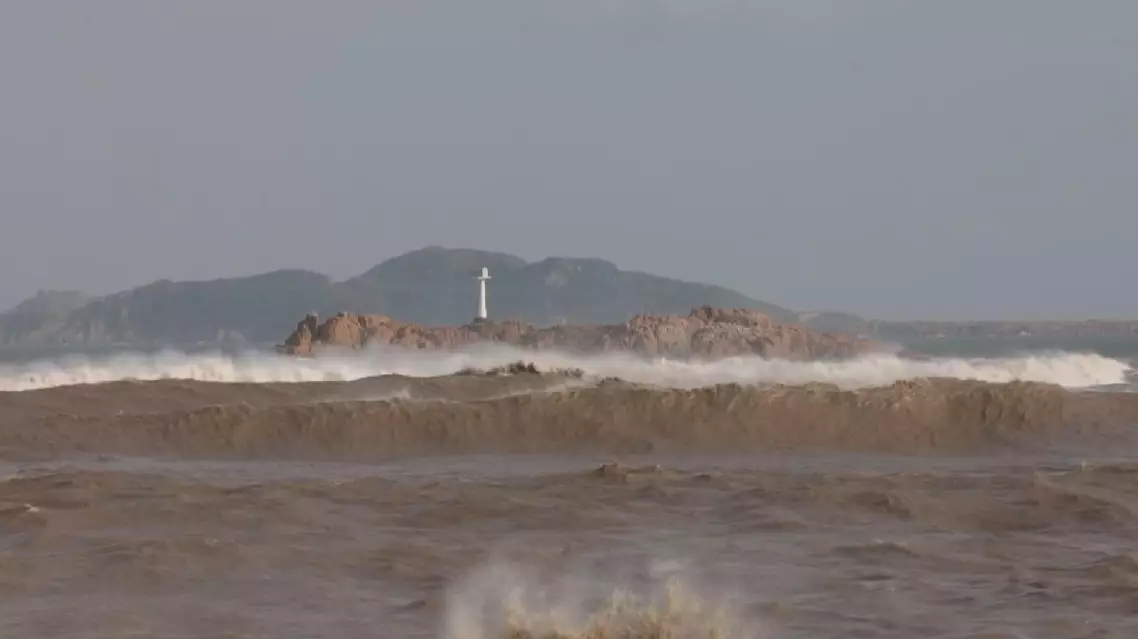
Super El Nino fuels typhoon activity in Western Pacific: chief forecaster