Upstream hazard sources located beyond China's borders pose a major challenge to monitoring mudslides in Gyirong County, southwest China's Xizang Autonomous Region, a Chinese researcher said Sunday.
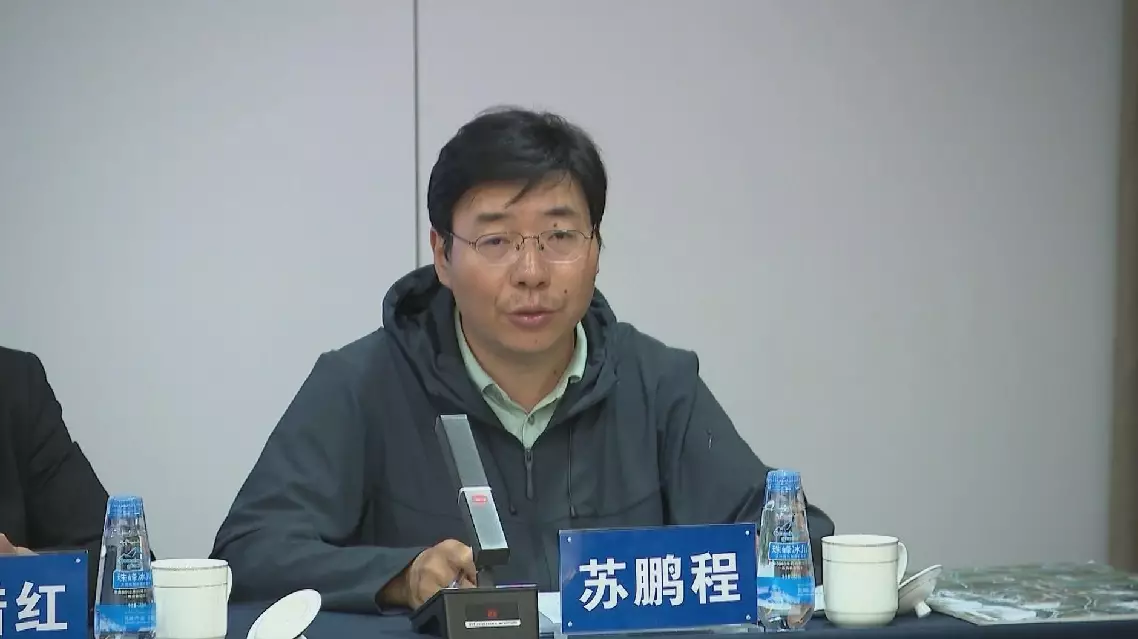
Su Pengcheng, a researcher with the Institute of Mountain Hazards and Environment at the Chinese Academy of Sciences, cited the challenges during a press briefing held by the disaster emergency response and rescue headquarters in Xizang following the incident.
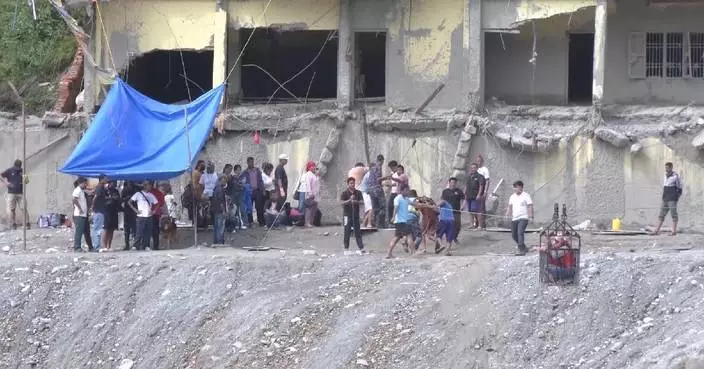
A mudslide, triggered by the collapse of a high-altitude glacier in Nepal, has left 43 people dead and 519 others missing at the border port as of 18:00 Saturday.
"The Gyirong Port is located in a remote, high-altitude area along the China-Nepal border. The glacial rock avalanche source zone is characterized by extreme cold and low oxygen levels, making access difficult for personnel. There are observation blind spots in the transboundary river basin and that ground-based monitoring equipment faces significant challenges in power supply, telecommunication, operation and maintenance. The precursors of the glacial rock avalanche-debris flow disaster chain are hidden, allowing only a narrow window for early warning, and traditional single-point monitoring models are inadequate for covering risk sources across the entire basin," Su said.
"The occurrence of cryospheric compound disaster chains is a natural process that is not constrained by national borders, and the fact that upstream hazard sources are located outside China is a significant limitation in our monitoring efforts," he stressed.
To address these challenges, Su emphasized the importance of international cooperation.
"By leveraging international cooperation platforms, we should facilitate basin-wide data sharing and joint risk assessments with countries in the Himalayan region, explore mechanisms for rapid notification channels for cross-border early warning information, and extend early warning capabilities upstream and downstream across the entire basin," he said.
Su recommended focusing on three priority areas to strengthen disaster preparedness.
First, he urged intensified research into the disaster mechanisms underlying cryospheric compound chains, especially transboundary glacial rock avalanche-debris flows in the Himalayas, and called for improved detection and assessment of their precursory warning signals.
Second, he called for the development of a cross-Himalayan space-air-ground integrated non-contact monitoring system to cut dependence on field installations in extreme high-altitude zones.
Third, he stressed the need to advance cross-border scientific partnerships and institutionalized early warning coordination frameworks.
Cross-border hazard sources major challenge in Gyirong mudslide monitoring: researcher