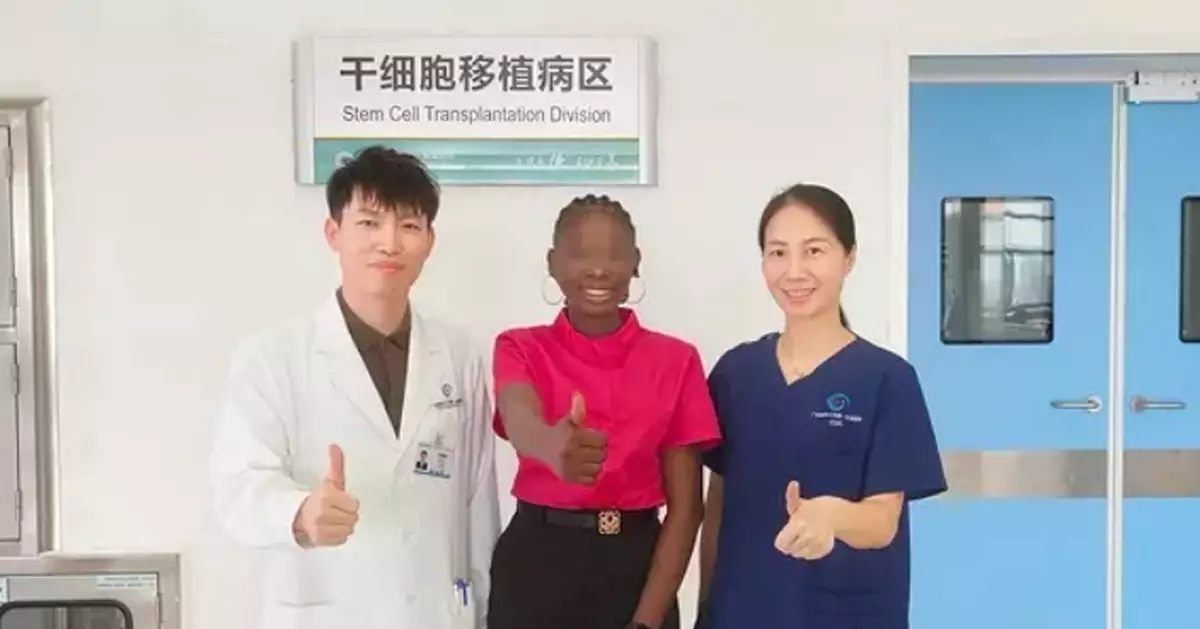
Following 100% transfusion independence in Chinese TDT patients, new study confirms tBE is equally safe and effective for African SCD patients and TDT patients from South/Southeast Asia.
SHANGHAI, Sept. 8, 2026 /PRNewswire/ -- On September 7, 2026, Shanghai, Cell Stem Cell published online clinical research from CorrectSequence Therapeutics (Correctseq) in collaboration with multiple institutions in a paper titled "Clinical base editing for β-hemoglobinopathies across different genetic backgrounds", demonstrating that CS-101/CS-206—base-editing therapy developed with the transformer Base Editor (tBE)—achieved consistent efficacy and safety in β-hemoglobinopathy patients of diverse genetic origins. This follows the team's prior clinical report on five Chinese transfusion-dependent β-thalassemia (TDT) patients treated with CS-101, all achieving transfusion independence (Lai et al., Nature, 2026). The new study extends treatment to four additional patients from Nigeria, Laos, Malaysia, and Pakistan—one with sickle cell disease (SCD) and three with TDT. All achieved rapid hematopoietic reconstitution, sustained high-level pan-cellular HbF expression, complete transfusion independence or freedom from vaso-occlusive crises (VOCs), with no detectable off-target edits, or product-related adverse events.
Broad Applicability Across Various Ethnicities and Mutations
β-hemoglobinopathies are among the most common monogenic disorders, with SCD affecting over 300,000 and TDT over 40,000 newborns annually worldwide. Pathogenic mutations vary significantly across populations. The team previously developed the ultra-high-precision tBE (Wang et al., Nat Cell Biol, 2021) to precisely edit the HBG1/2 promoter region in autologous HSPCs collected from patients, reactivating γ-globin expression. The four patients' genotypes in the current study encompassed βS/βS SCD and three TDT genotypes—β⁰/βᴱ, β⁰/β⁰ with a large deletion, and β⁰/β⁰ with single-nucleotide insertion—validating the strategy's universal applicability.
Clinical Data: Rapid Engraftment, Durable Response, Complete Transfusion Independence, and No Off-target Mutations
The SCD patient (21-year-old female from Nigeria), who experienced more than four VOCs during the year prior to enrollment, achieved neutrophil and platelet engraftment on days 13 and 21 post-infusion. Total hemoglobin level increased from 7.7 g/dL at baseline to 12.9 g/dL at month 3, remaining above 11 g/dL; HbF level increased from 3.5% to 62.2%, while HbS level decreased from 76.1% to 31.6%, stabilizing at a ~6:4 ratio. At 15.5 months follow-up, no VOCs occurred.
The three TDT patients (ages 3-29, from Laos, Malaysia, and Pakistan) achieved median neutrophil engraftment at 13 days and platelet engraftment at 27 days. Mean total hemoglobin concentration reached 11.6 ± 1.2 g/dL and mean HbF concentration increased to 9.8 g/dL at month 3. At median follow-up of 17.5 months, all achieved sustained transfusion independence. No off-target edits or product-related adverse events were detected.
Comparison with Nuclease-Based Gene Editing Therapies: Faster Engraftment, Higher Expression, Better Safety
In SCD clinical trials, tBE achieved superior neutrophil engraftment (13 days) compared to Cas9 (27 days) and Cas12a (23 days), and superior platelet engraftment (21 days) versus Cas9 (35 days) and Cas12a (25 days). tBE sustained HbF >60% of total hemoglobin, markedly outperforming Cas9 and Cas12a regimens (<50%).
Unlike nucleases that rely on DNA double-strand breaks (DSBs), tBE enables precise base conversion without cutting DNA, avoiding p53 activation, apoptosis, large deletions, and chromosomal rearrangements. Its dual gRNA and "lock-and-key" design further minimizes off-target risks. Through a cleavable "lock", tBE becomes active only at on-target sites to induce highly efficient editing. When binding at off-target sites, tBE was "locked" to avoid triggering off-target mutations.
Global Progress and Regulatory Pathway
To date, CS-101 and CS-206 have treated more than 30 patients across China, Africa, Southeast Asia, and South Asia, with 100% of patients achieving transfusion independence or freedom from VOCs, accompanied by sustained, high-level hemoglobin expression. CS-101, the world's first ongoing base-editing therapy candidate to enter clinical development, with the first patient dosed in October 2023, has completed Phase I and is now being evaluated in pivotal trials. All patients treated in Phase I have maintained transfusion independence for more than one year, with the longest duration approaching almost three years.
Professor Chen Jia, founder of Correctseq and Director of the Gene Editing Center at ShanghaiTech University, stated: "This Cell Stem Cell paper validates tBE's broad applicability across diverse genetic backgrounds, completing the translational journey from bench to global clinical application. Our team is also exploring RNA editing, prime editing, and mitochondrial DNA editing for other therapeutic areas."
Dr. Mou Xiaodun, CEO of Correctseq, added: "The data demonstrate tBE as a global Best-in-Class platform. We are also expanding into metabolic and cardiovascular diseases including hypertriglyceridemia/familial chylomicronemia syndrome (FCS), ASCVD/hyperlipoproteinemia, homozygous familial hypercholesterolemia (HoFH), and metabolic dysfunction-associated steatohepatitis (MASH). We are accelerating multiple pipelines toward global IND submission to bring China-originated gene editing to more patients worldwide."
Cell Stem Cell paper link: https://doi.org/10.1016/j.stem.2026.08.009
About CorrectSequence Therapeutics
CorrectSequence Therapeutics (Correctseq), is a clinical-stage biotech company employing its proprietary transformer Base Editor (tBE) to pioneer next-generation gene editing therapies. The company has developed multiple state-of-the-art base-editing systems that offer exceptional precision, minimize off-target effects, and enhance ex vivo and in vivo editing efficiency. Its robust pipeline spans genetic disorders, metabolic diseases, and cardiovascular conditions, with several programs already advancing toward clinical development.
For more information, visit www.correctsequence.com.
Acknowledgments: The First Affiliated Hospital of Guangxi Medical University, ShanghaiTech University, Children's Hospital of Fudan University, Institutes of Biomedical Sciences, Fudan University, Shanghai Clinical Research and Trial Center.
Media Contact:
Business Cooperation: BD@correctsequence.com
Clinical Trial Recruitment: CT@correctsequence.com
** This press release is distributed by PR Newswire through automated distribution system, for which the client assumes full responsibility. **
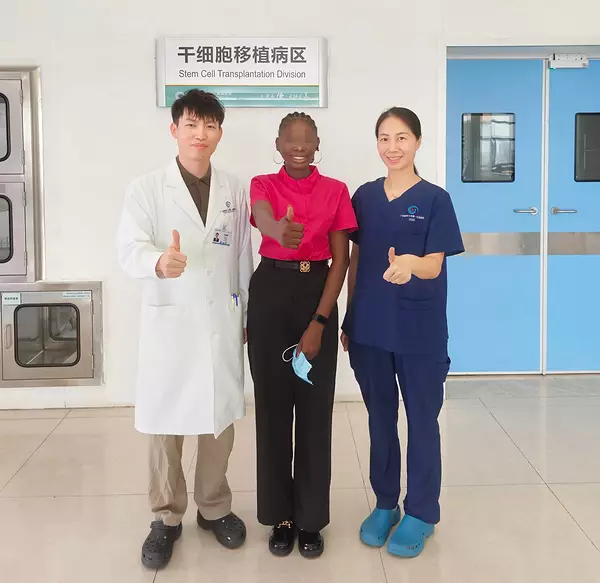
Cell Stem Cell: tBE-mediated Base Editing Therapy Achieves Durable Clinical Remission in Sickle Cell Disease and β-Thalassemia Across Different Genetic Backgrounds
Research Will Use Lunit's AI-powered Pathology Platform to Analyze H&E Whole-Slide Images and Generate Scalable Insights into Tumor Microenvironment Biology
SEOUL, South Korea, Oct. 24, 2026 /PRNewswire/ -- Lunit Inc. (KRX: 328130) and Summit Therapeutics Inc. (NASDAQ: SMMT) today announced a research agreement to evaluate the use of Lunit SCOPE IO, Lunit's AI-powered pathology platform, for tumor microenvironment analysis in support of Summit's immuno-oncology development programs with ivonescimab.
The effort will focus on applying Lunit SCOPE IO to hematoxylin and eosin-stained (H&E) whole-slide images to characterize tumor microenvironment features. The companies aim to explore how AI-powered pathology analysis can support biomarker discovery, patient stratification or selection, and a deeper biological understanding of response to ivonescimab therapies.
Summit is developing ivonescimab, a novel, potential first-in-class investigational PD-1 / VEGF bispecific antibody, in several solid tumors. Lunit SCOPE IO is designed to support immuno-oncology research and biomarker development through AI-powered analysis of H&E slides, enabling scalable assessment of tumor microenvironment features without requiring additional stains or assays.
"Understanding the tumor microenvironment is increasingly important as immuno-oncology moves beyond single-axis checkpoint inhibition toward more complex mechanisms and combinations," said Allen Yang, MD, PhD, Chief Research and Development Strategy Officer of Summit. "We are pleased to work with Lunit to explore how AI-powered pathology can help generate deeper, more scalable insights from routine tissue samples and inform the continued development of ivonescimab."
"Summit is at the forefront of next-generation immuno-oncology development, and we are excited to support its efforts with Lunit SCOPE IO," said Brandon Suh, Lunit CEO. "By extracting quantitative, spatially resolved immune and tumor microenvironment features from standard H&E slides, we believe SCOPE IO can help biopharma partners better understand which patients may benefit from immuno-oncology therapies and why."
This agreement reflects the growing importance of computational pathology in oncology drug development. Routine H&E slides contain rich information about tumor architecture, immune infiltration, stromal organization, and spatial interactions within the tumor microenvironment. However, traditional manual assessment can be difficult to scale and may not fully capture the quantitative and spatial complexity of the tumor-immune interface. AI-powered analysis offers the potential to convert these routinely generated pathology images into reproducible, high-dimensional biomarker data.
The companies expect the work to generate tumor microenvironment insights that may inform future translational research, exploratory biomarker strategies, and clinical development planning. No clinical outcome data are being announced as part of this release.
*Lunit SCOPE products are for research use only. Not for use in diagnostic procedures or decisions.
About Ivonescimab
Ivonescimab, known as SMT112 in Summit's license territories, North America, South America, Europe, the Middle East, Africa, and Japan, and as AK112 outside of Summit's license territories, is a novel, potential first-in-class investigational bispecific antibody combining the effects of immunotherapy via a blockade of PD-1 with the anti-angiogenesis effects associated with blocking VEGF into a single molecule. By design, ivonescimab displays unique cooperative binding to each of its intended targets with multifold higher affinity to PD-1 when in the presence of VEGF.
This design is intended to differentiate ivonescimab as there is potentially higher expression (presence) of both PD-1 and VEGF in tumor tissue and the tumor microenvironment (TME) as compared to normal tissue in the body. Summit believes ivonescimab's specifically engineered tetravalent structure (four binding sites) enables higher avidity (accumulated strength of multiple binding interactions) in the TME (Zhong, et al, iScience, 2025). This tetravalent structure, the intentional novel design of the molecule, and bringing these two targets into a single bispecific antibody with cooperative binding qualities have the potential to direct ivonescimab to the tumor tissue versus healthy tissue. The intent of ivonescimab's design, together with a half-life of 6 to 7 days after the first dose (Zhong, et al, iScience, 2025) increasing to approximately 10 days at steady state dosing, is to improve upon previously established efficacy thresholds, side effects, and safety profiles associated with prior approved drugs to these targets.
Ivonescimab was invented by Akeso Inc. (HKEX Code: 9926.HK) and is currently utilized in multiple Phase III clinical trials. Over 5,000 patients have been treated with ivonescimab in clinical studies globally and over 100,000 patients when considering those treated in a commercial setting in China, as noted by Akeso.
There are currently 17 Phase III clinical studies that are either announced, ongoing, or have been completed studying ivonescimab, five of which are Summit-sponsored global studies, two of which are studies sponsored by cooperative groups, and 10 of which are being or have been conducted in China by Akeso. Summit began its clinical development of ivonescimab in NSCLC (HARMONi, HARMONi-3, HARMONi-7) and expanded its sponsored Phase III clinical development program into colorectal cancer (CRC; HARMONi-GI3) and urothelial carcinoma (bladder cancer; HARMONi-GU1). The two cooperative studies are in head and neck squamous cell carcinoma (HNSCC; ILLUMINE) and biliary tract cancer (BTC; EA2251).
Five Phase III ivonescimab clinical trials have read out to date, all five with positive data. Four of these five studies are in NSCLC and one is in BTC. In addition to Summit's positive HARMONi study in NSCLC, Akeso has had positive read-outs in four single-region (China), randomized Phase III clinical trials, HARMONi-A, HARMONi-2, HARMONi-6 (each in NSCLC), and HARMONi-GI1 (in BTC) for ivonescimab, including a statistically significant overall survival benefit in all four studies from China.
Akeso is actively conducting additional Phase III clinical studies in settings outside of NSCLC and biliary-tract cancer, including triple-negative breast cancer, head and neck squamous cell carcinoma, small cell lung cancer, colorectal cancer, and pancreatic cancer.
Ivonescimab is an investigational therapy that is not approved by any regulatory authority in Summit's license territories, including the United States and Europe. Ivonescimab was initially approved for marketing authorization in China in May 2024.
About Lunit
Founded in 2013, Lunit (KRX: 328130) is a global leader on a mission to conquer cancer through AI. Our clinically validated solutions span medical imaging, breast health, and biomarker analysis, empowering earlier detection, smarter treatment decisions, and more precise outcomes across the cancer care continuum.
Lunit offers a comprehensive suite spanning risk prediction and early detection to precision oncology. Our FDA-cleared Lunit INSIGHT Breast Suite and breast health solutions support cancer screening in thousands of medical institutions worldwide, while the Lunit SCOPE platform is used in research partnership with global pharma and laboratory leaders for biomarker research, and companion diagnostic development.
Trusted by over 10,000 sites in more than 65 countries, Lunit combines deep medical expertise with continuously evolving datasets to deliver measurable impact for patients, clinicians, and researchers alike. Headquartered in Seoul with global offices, Lunit is driving the worldwide fight against cancer. Learn more at lunit.io.
About Summit Therapeutics Inc.
Summit Therapeutics Inc. is a biopharmaceutical oncology company focused on the discovery, development, and commercialization of patient-, physician-, caregiver- and societal-friendly medicinal therapies intended to improve quality of life, increase potential duration of life, and resolve serious unmet medical needs.
Summit was founded in 2003 and the company's shares are listed on the Nasdaq Global Market (symbol "SMMT"). Summit is headquartered in Miami, Florida, with additional offices in Palo Alto, California, Princeton, New Jersey, Dublin, Ireland, and Oxford, UK.
For more information, please visit https://www.smmttx.com and follow Summit on X @SMMT_TX.
Lunit Forward-Looking Statements
This press release contains forward-looking statements, including statements regarding the expected benefits of the collaboration, the potential use of AI-powered pathology in immuno-oncology development, and the potential application of tumor microenvironment analysis in biomarker research and clinical development. These statements are based on current expectations and involve risks and uncertainties that could cause actual results to differ materially. Neither company undertakes any obligation to update these forward-looking statements, except as required by law.
Summit Forward-Looking Statements
Any statements in this press release about the Company's future expectations, plans and prospects, including but not limited to, statements about dilution to existing stockholders and potential adverse effects on the market price of the Company's common stock, including from future sales by AstraZeneca, the Company's broad discretion over the use of proceeds, and the possibility that the proceeds will not be sufficient to fund operations as long as anticipated, AstraZeneca's ownership and contractual rights, including Third Party acquisition participation, and registration rights, and potential conflicts of interest, the completion of the Private Placement does not depend on the parties entering into a definitive collaboration agreement, the Company's reliance on AstraZeneca for the supply of AstraZeneca's products and other contributions to the clinical trials, the clinical and preclinical development of the Company's product candidates, entry into and actions related to the Company's partnership with Akeso Inc. and other collaborations, the intended use of the net proceeds from the private placements, the Company's anticipated spending and cash runway, the therapeutic potential of the Company's product candidates, the potential commercialization of the Company's product candidates, the timing of initiation, completion and availability of data from clinical trials, the potential submission of applications for marketing approvals, the expected timing of BLA submissions or FDA decisions, potential acquisitions, statements about the previously disclosed At-The-Market equity offering program ("ATM Program"), the expected proceeds and uses thereof, the Company's estimates regarding stock-based compensation, and other statements containing the words "anticipate," "believe," "continue," "could," "estimate," "expect," "intend," "may," "plan," "potential," "predict," "project," "should," "target," "would," and similar expressions, constitute forward-looking statements within the meaning of The Private Securities Litigation Reform Act of 1995. Actual results may differ materially from those indicated by such forward-looking statements as a result of various important factors, including the Company's ability to sell shares of our common stock under the ATM Program, the conditions affecting the capital markets, general economic, industry, or political conditions, including the effects of geopolitical developments, domestic and foreign trade policies, and monetary policies, the results of our evaluation of the underlying data in connection with the development and commercialization activities for ivonescimab, the outcome of discussions with regulatory authorities, including the Food and Drug Administration, the uncertainties inherent in the initiation of future clinical trials, availability and timing of data from ongoing and future clinical trials, the results of such trials, and their success, global public health crises, that may affect timing and status of our clinical trials and operations, whether preliminary results from a clinical trial will be predictive of the final results of that trial or whether results of early clinical trials or preclinical studies will be indicative of the results of later clinical trials, whether business development opportunities to expand the Company's pipeline of drug candidates, including without limitation, through potential acquisitions of, and/or collaborations with, other entities occur, expectations for regulatory approvals, laws and regulations affecting government contracts and funding awards, availability of funding sufficient for the Company's foreseeable and unforeseeable operating expenses and capital expenditure requirements and other factors discussed in the "Risk Factors" and "Management's Discussion and Analysis of Financial Condition and Results of Operations" sections of filings that the Company makes with the Securities and Exchange Commission. Summit defines a "positive study" as a clinical study with one or more prespecified primary endpoints in which one of those endpoints achieves a statistically significant benefit according to the protocol or statistical analysis plan. Any change to our ongoing trials could cause delays, affect our future expenses, and add uncertainty to our commercialization efforts, as well as to affect the likelihood of the successful completion of clinical development of ivonescimab. Accordingly, readers should not place undue reliance on forward-looking statements or information. In addition, any forward-looking statements included in this press release represent the Company's views only as of the date of this release and should not be relied upon as representing the Company's views as of any subsequent date. The Company specifically disclaims any obligation to update any forward-looking statements included in this press release.
** This press release is distributed by PR Newswire through automated distribution system, for which the client assumes full responsibility. **
Lunit and Summit Therapeutics Announce Agreement to Apply AI-powered SCOPE IO Platform for Tumor Microenvironment Analysis in Immuno-Oncology Development