British, French, and Canadian leaders issued a joint statement on Tuesday affirming their "commitment to protect the two-state solution" in the face of the "systematic expansion" of Israeli settlements in the West Bank.
"A two-state solution to the Israeli-Palestinian conflict is critical for peace, stability and security in the Middle East and beyond," and the settlements "pose a direct and urgent threat to that vision for peace," British Prime Minister Andy Burnham, French President Emmanuel Macron, and Canadian Prime Minister Mark Carney said in the joint statement.
"Settlements are illegal under international law," they said, condemning the Israeli government's latest decision to progress the E1 settlement, and the "dramatic increase in settler violence."
The three countries will therefore ban the importation of goods from settlements and enforce targeted measures against settlements and those who facilitate them or profit from them, according to the joint statement.
The three leaders also reiterated their desire for a close and productive partnership with Israel. "We support a safe and secure Israel, living alongside a safe and secure Palestine," they said.
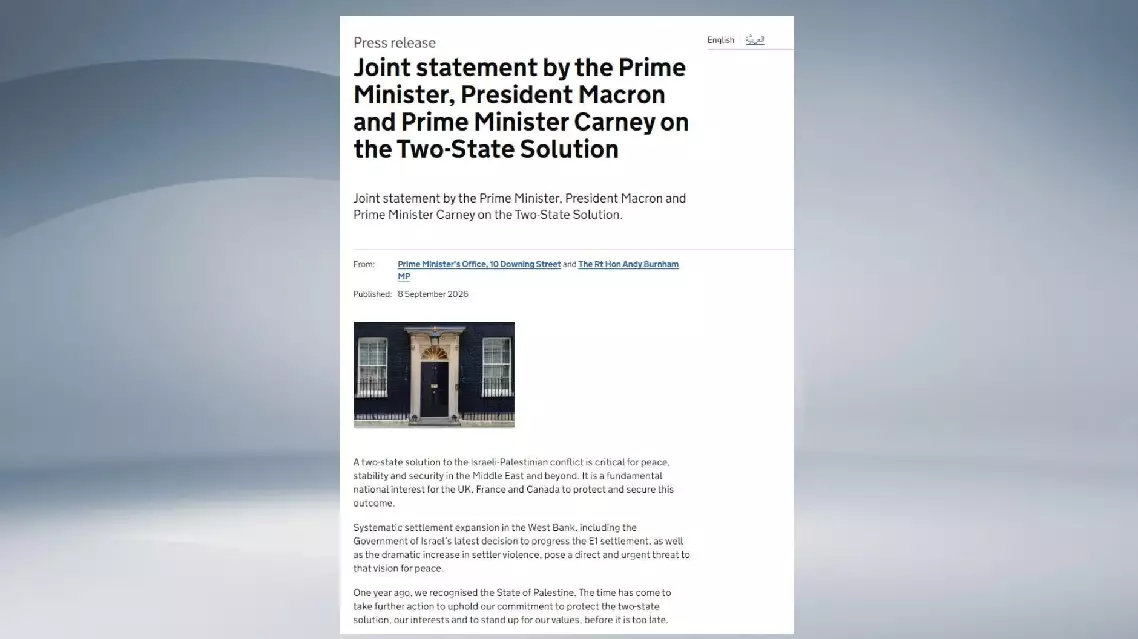
Britain, France, and Canada affirm commitment to two-state solution
Iran's Ministry of Economic Affairs and Finance recently announced the establishment of an "economic war headquarters" to improve coordination and expedite efforts to address economic challenges arising from wartime conditions.
The measure comes as Iran, in addition to facing decades-long sanctions, sustained considerable economic damage from U.S. and Israeli strikes that started on Feb 28. The country has also been under a U.S.-imposed naval blockade for the past few months and recently faced intensified economic pressure from the U.S.
Last month, U.S. President Donald Trump announced "the most crushing economic operation ever taken" against any country, stressing that this will be economic warfare and isolation "on an unprecedented scale."
Iran's Deputy Economy Minister for Economic Policymaking and Strategy, Morteza Zamanian, said the economic war headquarters' primary focus is on the economy ministry's responsibilities and authority.
It seeks to accelerate efforts to resolve wartime problems facing Iranian businesses, trade, financing operations and other economic sectors, he said.
He noted that some issues are beyond the ministry's authority and require coordination among various government bodies and follow-ups at the highest levels.
Iran's recent priority is to ensure the supply of essential goods and medicines.
The Plan and Budget Organization head Seyed Hamid Pourmohammadi said the country has developed a plan and is drawing on resources from the National Development Fund to replenish these strategic reserves.
Seyed Ali Madanizadeh, Iran's Minister of Economic Affairs and Finance, also noted that the government has mobilized its financial system and bond market to provide liquidity to enterprises affected by the conflict.
Iran is further working to reduce logistics costs by streamlining customs procedures. Zamanian noted that the government is revising some customs regulations and minimizing vehicle delays at border crossings.
The country is also accelerating efforts to diversify its trade, transport, and settlement channels, actively advancing international initiatives such as fostering banking cooperation and facilitating trade and investment, and has proposed using economic diplomacy as a tool to counter U.S. sanctions.
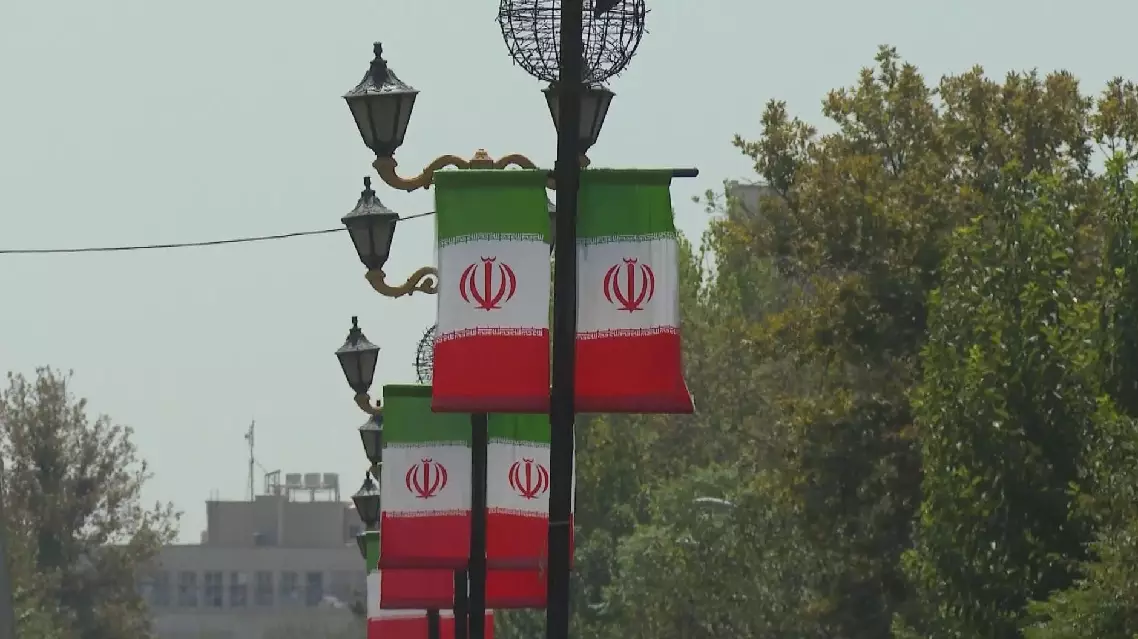
Iran establishes economic war headquarters to deal with US sanctions