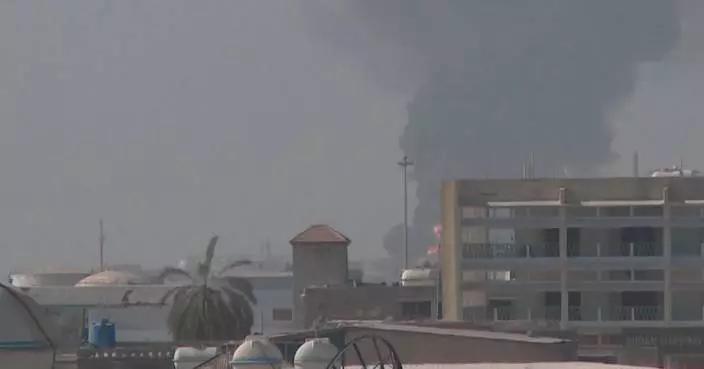
Iran is set to implement power-rationing measures starting on Sunday, as conflicts in the Middle East have damaged critical infrastructure and exacerbated the country's energy crisis, according to Iranian sources.
The relevant plan entails power outages of approximately two hours every two days, or a maximum of two hours daily, with the specific duration varying by location.
Iranian President Masoud Pezeshkian said on Saturday that strikes by the United States and Israel on Iran's energy facilities have worsened the country’s energy situation, and that energy supplies are expected to face difficulties this winter.
Iran possesses some of the world’s largest oil and gas reserves. However, factors including decades of economic sanctions imposed by Western nations have led to a persistent lack of investment in infrastructure in the country, exacerbating problems such as an aging power grid.
In recent years, Iran has frequently experienced domestic power outages, driven by causes including fuel shortages and extreme weather conditions.
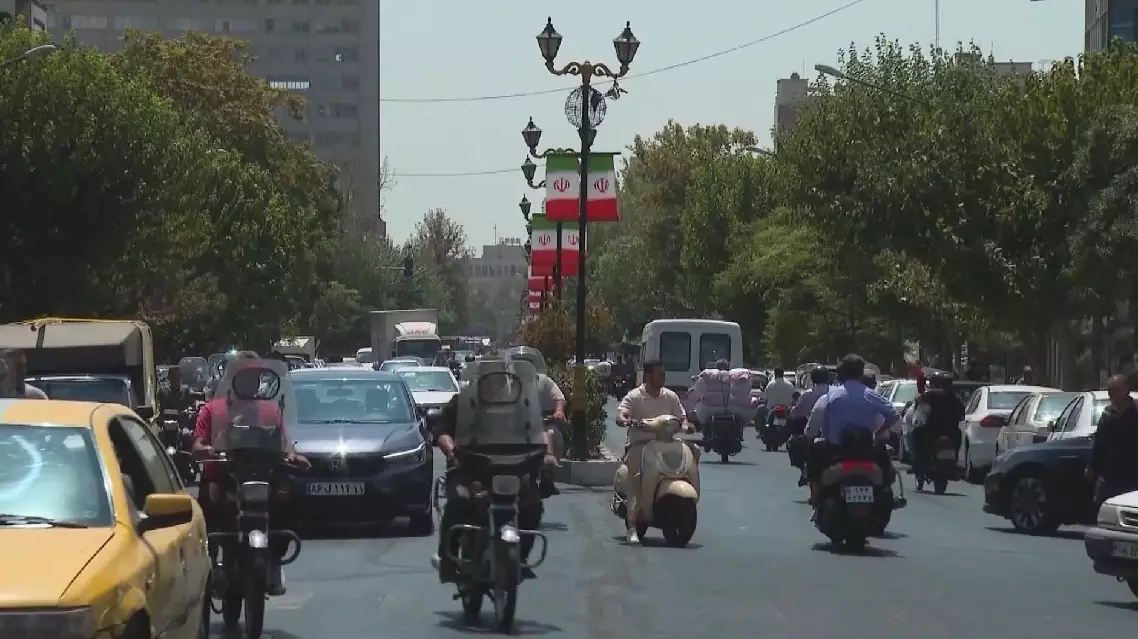
Iran to ration electricity as war ravages power supply system
As Middle East tensions threaten peace and stability in the Horn of Africa, Chinese envoys have visited Ethiopia, Djibouti, Egypt and Eritrea, urging closer cooperation to safeguard peace and promote development.
The visits by Liu Xianfa, special representative of the Chinese government on African Affairs, and Hu Changchun, special envoy of the Chinese Ministry of Foreign Affairs for the Horn of Africa, took place in early to mid-November, while China's special envoy for Middle East affairs was conducting mediation efforts in the Gulf.
The Red Sea shipping route connects the Atlantic, Mediterranean and Indian oceans and is a key maritime corridor linking Asia, Europe and Africa. It carries about 12 percent of global maritime trade and 30 percent of container traffic.
The protracted conflict involving Iran has disrupted passage through the Strait of Hormuz, adding to the Red Sea route's importance. Rising tensions in the Red Sea pose serious risks to the economies of Horn of Africa countries, particularly in trade, investment, energy and food security.
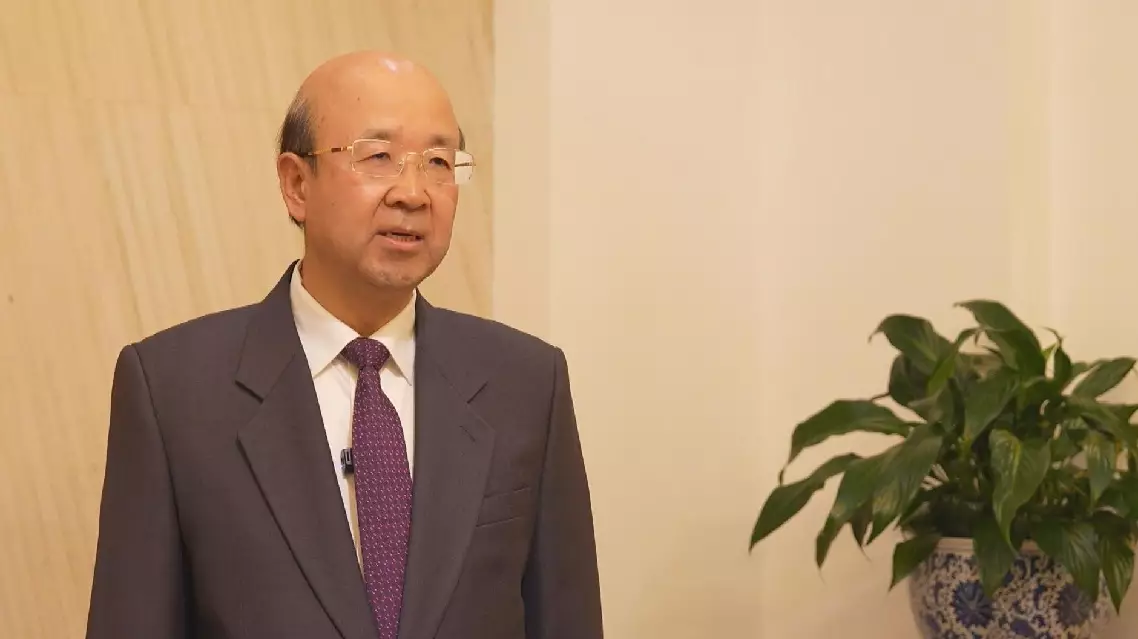
"During this visit, I held in-depth exchanges with the president of Djibouti and with the foreign ministers and deputy foreign ministers of Ethiopia, Djibouti and Egypt, learning about and listening to the concerns of the three countries face to face. On the Horn of Africa issue, China put forward the Outlook on Peace and Development in the Horn of Africa, actively supporting regional countries in seeking strength through unity and independently addressing security, development and governance challenges, and building an important platform for forging consensus on peace and development among regional countries," said Liu.
Last month, China and Djibouti issued the Joint Press Communique on Safeguarding Peace and Stability in the Horn of Africa and the Security of Shipping Lanes in the Red Sea and the Gulf of Aden. It stressed that the Horn must not become an arena for geopolitical rivalry.
China has put forward four principles on the constructive participation of relevant parties in resolving African hotspot issues, upholding Africa's leadership, safeguarding equity and justice, ceasing hostilities and building peace, and addressing both symptoms and root causes. These principles offer important guidance for achieving lasting peace in the Horn of Africa.
"Security remains the biggest bottleneck holding back development and revitalization in the Horn of Africa and across the continent. The root cause of Africa's security problems lies in the Western strategies of Westernization and division long pursued in Africa. It is therefore vital for Africa to maintain strategic autonomy, revive Pan-Africanism, and strengthen unity and self-reliance. China maintains a high degree of political mutual trust and close practical cooperation with 53 African countries that have diplomatic ties with us, and this is where China's strength lies in constructively participating in the resolution of hotspot issues in Africa," said Hu.
China is also helping regional countries address development gaps and eliminate the breeding grounds for conflicts. Chinese peacekeepers in mission areas including Darfur in Sudan and South Sudan have been taking concrete actions to safeguard peace and stability.
"Everything we do is aimed at helping regional countries independently take their security destiny into their own hands and lay a solid foundation for peace in the region and beyond," Hu said.
"The Horn of Africa still faces severe challenges on the path to lasting peace. Some non-regional countries, driven by narrow geopolitical interests, have been drawing dividing lines and stoking confrontation, instrumentalizing regional issues and resorting to unilateral pressure at every turn, seriously disrupting the process of resolving hotspot issues in Africa. As a sincere friend of Africa, China is ready to work with all peace-loving and development-oriented countries to jointly implement the Global Security Initiative and play a constructive role in Africa's development, prosperity and long-term stability," said Liu.
China warns against turning Horn of Africa into geopolitical battleground