Construction of the 28th Harbin Ice-Snow World is in full swing, with the steel structure of main tower completed on Sunday and now ready for the ice-building work.
This year, the popular winter attraction in northeast China's Heilongjiang Province, has expanded to 1.25 million square meters, up from the previous edition's 1.2 million square meters, using a total of 400,000 cubic meters of ice and snow.
The scale has once again set a new record for the event.
As the park's core landmark landscape, the main tower "Tree of Dreams", draws its design concept from the natural form of a snowflake, echoing the long-standing cultural connection between the city of Harbin and ice and snow.
The artificial snow-making work of the park officially started on Wednesday. More than 30 snow-making machines are taking advantage of the low-temperature window to ramp up snow production. This snow-making process will continue throughout the entire winter season, providing material for snow sculptures and for paving the park's ground surfaces.
Since the Songhua River has not yet frozen completely, the ice-digging period for this year has not yet begun. Once the temperature conditions are met, the park will use its stored ice to start assembling ice structures for key features such as the main tower and the super-sized ice slide.
The park is expected to feature more than 1,000 ice-and-snow structures this winter, with six major sections covering ice-and-snow landscapes, amusement experiences, performances, ice-and-snow competitions, themed IP and supporting services, offering an immersive winter experience.
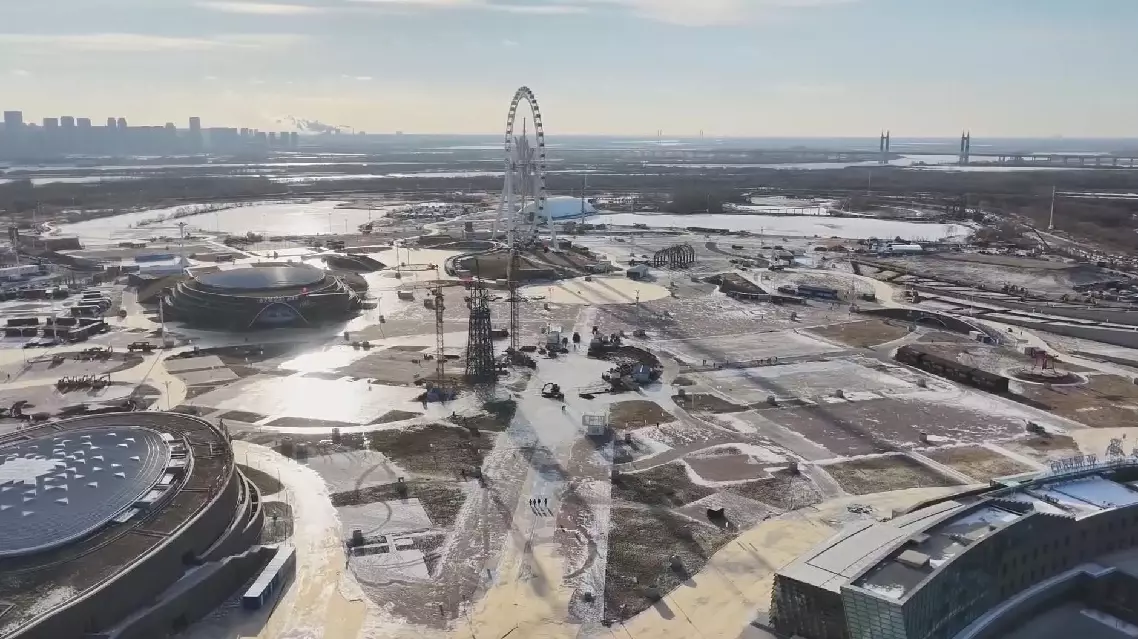
Construction of 28th Harbin Ice-Snow World in full swing
To mark the 2026 World Television Day on Nov. 21, a series of events was held in Wuhan City, in central China's Hubei Province, on Saturday, gathering representatives from the radio and television, science and technology, and education sectors to explore the future development of the broader audio-visual industry.
Established by the United Nations, World Television Day aims to promote global cooperation and exchange in the media sector, leveraging television's power to drive cultural dissemination and social development.
The series of events featured a main forum, themed seminars, and concurrent sessions, including an auto exhibition, held in Wuhan's Economic and Technological Development Zone.
Known as "China Auto Valley" for its robust automotive manufacturing base, the venue provided a dynamic backdrop to bring cutting-edge audio-visual technologies out of the conference halls and connect them with other industries.
Artificial intelligence and other next-generation digital technologies were frequently mentioned at the main forum.
Attendees explored how these innovations are reshaping the audio-visual landscape from multiple perspectives, including technological foundations, practical applications, and large-scale industrial implementation.
"We need to explore ways to build key mobile apps and create top-tier platform accounts, enabling mainstream radio and television institutions to advance into the main battlefield of the internet and that of economic and social development. This will ultimately help realize our goal of building a new type of mainstream media characterized by omnimedia reach, ultra-high-definition quality, and high intelligence," said Zhu Yannan, president of the China Association of Newspapers and Journals in Radio, Film and Television.
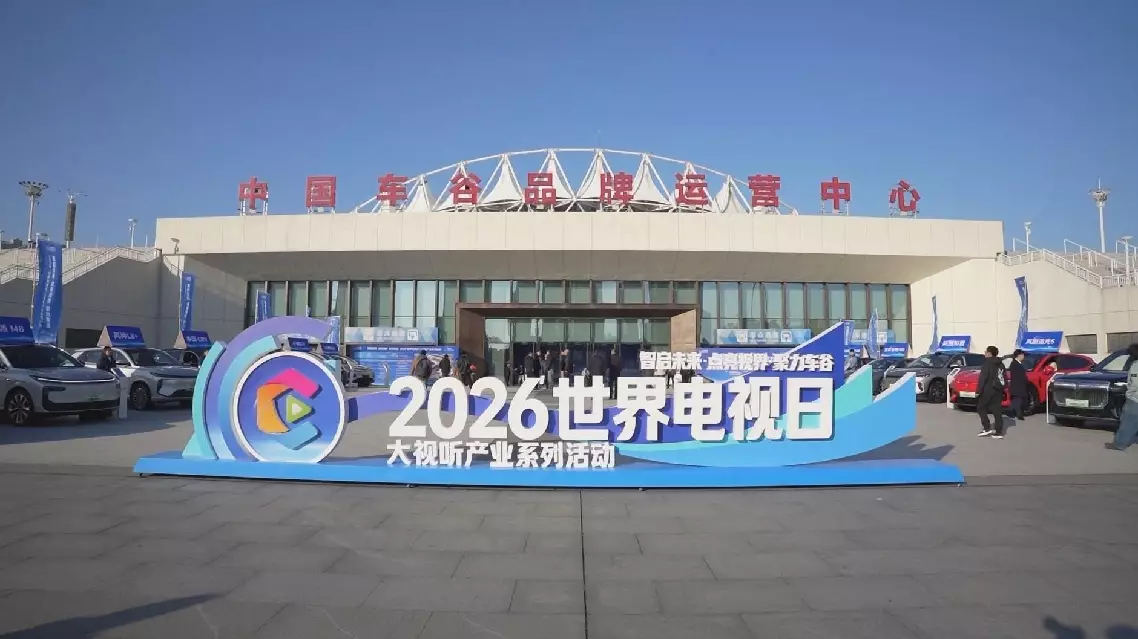
World Television Day marked in China's Wuhan with diverse activities