Tung Chee-hwa, former vice chairman of the National Committee of the Chinese People's Political Consultative Conference (CPPCC) and former chief executive of the Hong Kong Special Administrative Region (HKSAR), died of illness at the age of 89 in Hong Kong at 21:57 Tuesday.
Tung is regarded as an outstanding contributor to "one country, two systems," a renowned patriot, an outstanding social activist and a close friend of the Communist Party of China.
He served as vice chairman of the 10th, 11th, 12th and 13th National Committees of the CPPCC. He was the first- and second-term chief executive of the HKSAR.
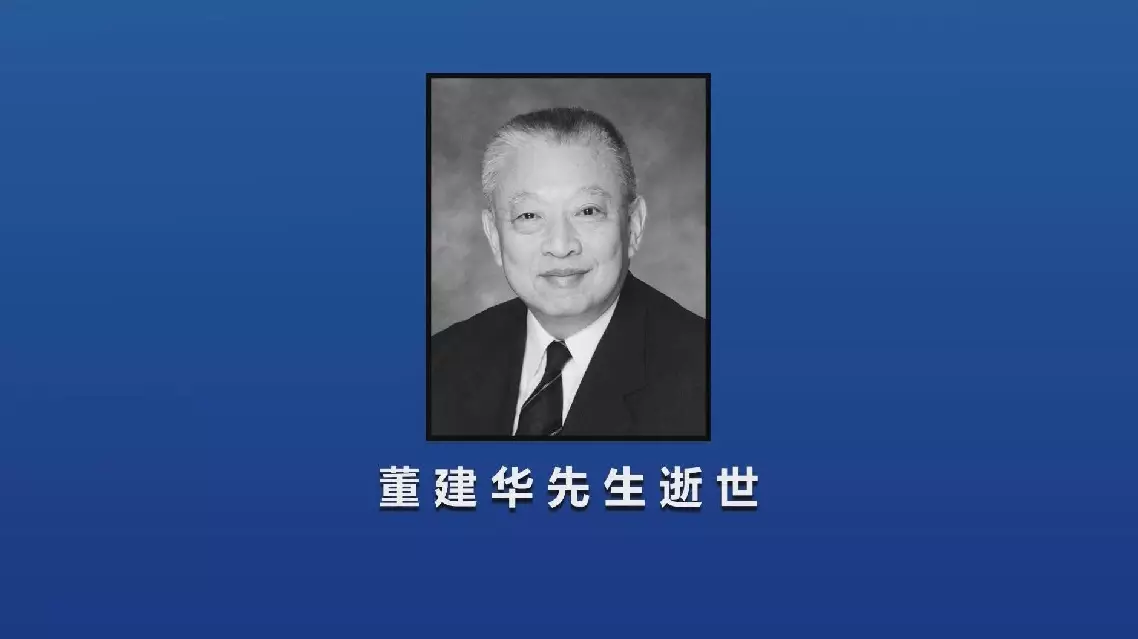
Former HKSAR Chief Executive Tung Chee-hwa dies at 89
Cooperation among BRICS countries is helping advance Africa's sustainable development from trade in local currencies to infrastructure and green manufacturing, said Tshilidzi Munyai, a South African lawmaker, as the 18th BRICS Summit is scheduled to be held in India's New Delhi this weekend.
The summit is set to take place in the Indian capital on September 12-13, bringing together BRICS member and partner countries, as well as the outreach invitees.
Since its inception in 2006, BRICS has grown to 11 members and 10 partner countries, spanning key regions across Asia, Africa, Latin America, the Middle East and Southeast Asia.
Speaking with the China Central Television (CCTV), Munyai set out the benefits of membership as he sees them, noting that trade in local currencies is becoming increasingly significant among member states.
"One fundamental element of the BRICS is trading in our own local currency between ourselves and the BRICS countries. China is a willing and enabling partner with the African continent, so that we can use our local currency in trade, in terms of selling goods and services," he said.
Munyai also said Chinese support for Africa goes well beyond trade, with China helping provide the key infrastructure the continent needs to grow.
"China is the only country again, that is also willing, and not even [just] willing, it has been part of supporting Africa's infrastructure development, underpinned by the quality of the Belt and Road Initiative. It is very important. It helps us to build the ports, build the rail infrastructure," he said.
From ports and railways, Munyai turned his attention to Chinese green technology and manufacturing, areas he said are creating jobs on the ground.
"China has been leading, has been one of the greatest countries to be able to share with the rest of the world its own green-hybrid and green technologies. The biggest energy in China is solar, it's green. It is also exporting that manufacturing within the African continent, here in South Africa and also other African countries. China is also creating employment. South Africans are working because of Chinese factories in the automotive sector," he said.
The BRICS group underwent a major expansion last year when 10 countries including Belarus, Bolivia, Cuba, Kazakhstan, Malaysia, Nigeria, Thailand, Uganda, Uzbekistan and Vietnam joined as partner countries.
The upcoming BRICS Summit in New Delhi will see leaders exchange views on strengthening cooperation and is themed "Building for Resilience, Innovation, Cooperation and Sustainability."
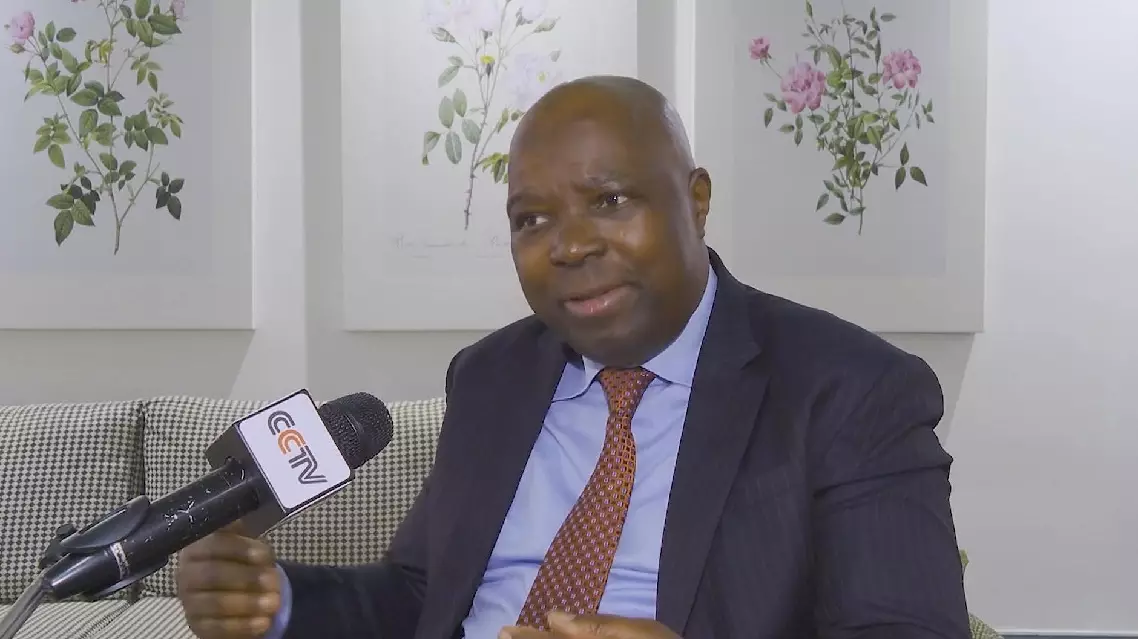
BRICS cooperation helping advance sustainable development on African continent: lawmaker