SALT LAKE CITY--(BUSINESS WIRE)--Sep 9, 2026--
Dan Higgs has joined Dorsey & Whitney LLP in Salt Lake City as Of Counsel in the Patent group, the international law firm announced today.
This press release features multimedia. View the full release here: https://www.businesswire.com/news/home/20260908903088/en/
For more than 20 years, Dan has practiced patent law in both private practice and as in-house counsel. Dan represents clients in building and managing U.S. and international patent portfolios, conducting product clearance analyses and intellectual property due diligence, preparing non-infringement and invalidity opinions, and navigating post-grant proceedings at the U.S. Patent and Trademark Office. His industry experience, while focused on medical devices and other healthcare technologies, spans a wide range of technologies.
Prior to joining Dorsey, Dan was a partner at a highly rated patent boutique firm. He previously served for more than seven years as Chief IP Counsel of MedVenture (now Wasatch Health), an investment group focused on medical devices and technologies that improve human health and wellness. In that role, he assessed the intellectual property risks and opportunities associated with potential investments and conducted due diligence analyses for acquisitions. He also worked directly with MedVenture portfolio companies at every stage—from startups and early commercial ventures to established businesses—to manage all aspects of their intellectual property. His work included securing U.S. and international patent and trademark protection, developing global patent portfolios, enforcing patents, licensing intellectual property rights, defending patents against validity challenges, and leading the intellectual property aspects of technology transactions, acquisitions, mergers, and company exits.
Dan is admitted in the State of Utah and the State of California, as well as before the United States Patent and Trademark Office. He received his J.D. from the University of California, Berkeley, and his B.S. degree in physics, summa cum laude, from the University of Utah.
“Dan is fluent in medical device technology and patent issues, covering a vast scope of device tech,” said Gina Cornelio, Patent Practice Group Co-Leader. “His in-house experience in the demanding world of healthcare investing gives him a well-rounded perspective that puts the focus on clients’ business objectives.”
“Dorsey’s outstanding team in Salt Lake City, combined with a strong and growing national practice, made the firm a compelling fit for me,” said Dan Higgs. “Dorsey’s platform will benefit the clients I already serve, and I am excited to help my new colleagues bring solutions to the firm’s existing clients.”
About Dorsey & Whitney LLP
Clients have relied on Dorsey as a valued business partner since 1912. With locations across the United States and in Canada, Europe, and the Asia-Pacific region, Dorsey provides results-oriented, grounded counsel for its clients' legal and business needs. Dorsey represents a number of the world's most successful companies from a wide range of industries, including banking & financial institutions; development & infrastructure; energy & natural resources; food, beverage & agribusiness; healthcare & life sciences; and technology.

Dan Higgs has joined Dorsey & Whitney LLP in Salt Lake City as Of Counsel in the Patent group.
BELHAVEN, N.C. (AP) — The birds are up with the sunrise — warblers, flycatchers, sparrows and towhees calling across the treetops. Deer browse on tender buds emerging from dense shrubs. Black bears scrounge for roots, insects and other edibles.
It's an idyllic setting in North Carolina's Inner Banks, where fields of cotton, soybeans and corn stretch for miles, country roads wend through stands of pines and thousands of bird watchers converge to witness the spring migration.
But it's what’s underground that has drawn scientists and investors to this 23-square-mile (60-square-kilometer) tract: spongy, dense peat up to 15 feet (5 meters) deep.
They're here to save it.
Fifty miles (80 kilometers) of ditches dug decades ago for an abandoned farming venture drained much of the water from thousands of years of accumulated peat, leaving the site vulnerable to drought and wildfires, altering its native habitats — and allowing it to emit 130,000 tons of climate-warming carbon dioxide a year.
“Our goal is for perpetuity to conserve these lands so they can’t become oil and gas fields, so they’re not mined for phosphorus or turned into parking lots and shopping centers,” said Tripp Wall, CEO of Colorado-based company Pantheon Regeneration. “They’re just these incredible systems that I feel are underappreciated here in the U.S. (that) for 10,000 to 15,000 years have been climatologically resilient until we screwed them up.”
Peatlands are a climate paradox. Though they account for just 3% of global land surface, they store one-third of the Earth’s carbon dioxide, more than all forests combined. But when degraded — primarily when farmers lower the water table to grow crops — destroyed or burned, they become part of the problem, releasing huge volumes of greenhouse gases, now about 6% of the annual global total from all sources.
And the type of peatlands found in North Carolina, and for hundreds of miles along the Eastern Seaboard, are among the most threatened in the world.
Pantheon plans to reverse the damage by blocking off ditches to control the water table and significantly reduce carbon dioxide emissions. Then it will cull invasive species and replant native grasses, flowers and other plants.
The restoration is modeled after other projects by nonprofits and government agencies, including at the adjacent 175-square-mile (453-square-kilometer) Pocosin Lakes National Wildlife Refuge — one of the largest peatland restoration projects in the U.S. — which provides habitat for threatened and endangered species such as red wolves, yellow pitcher plants and Atlantic white cedar, and has become an important stopover for migrating birds such as Tundra swans.
But what sets apart Pantheon's project is a plan to sell carbon credits to tech companies and other corporations that want to compensate for their own greenhouse gas emissions, then use the money to restore and preserve a million acres (1,562 square miles, or 4,047 square kilometers) of peatland from Virginia to northern Florida over the next decade.
Each property will be permanently conserved and rewilded — “big corridors, big birding habitats, big biodiversity hotspots that have an outsized impact on climate,” said Wall.
Neal Flanagan pushes a metal tube through roots and around buried logs until it sinks about a meter (3 feet). When he pulls it out, it’s packed with black soil.
Near the surface, it’s dry and full of dead fibers from plants like wood fern, blueberry and Lyonia. The middle is crumbly, moist and odorless, with bits of charcoal from long-ago fires. But the saturated bottom, 50% carbon, is the consistency of axle grease.
“This is the black gold,” said Flanagan’s colleague, Duke University ecologist Curtis Richardson, as ancient peat oozes from his closed fist. Its “magnitude and importance cannot be underestimated,” he added.
When peatlands are intact, gases generated by decomposing plants are trapped in a waterlogged, oxygen-deprived environment, while surface vegetation absorbs carbon dioxide from the atmosphere, scientists say.
That makes ancient, intact peatlands a carbon vault up to 50 feet (15 meters) deep in some parts of the world. They also store about 10% of global fresh water, help control flooding and can help stem wildfires.
But two-thirds of temperate peatlands — mostly in Europe and the U.S. — have been dewatered, while about 45% of tropical peatlands have been similarly disturbed, according to a 2025 study published by The Society for Conservation Biology.
Boreal peatlands, or those in colder climates in places like Canada and Russia, are about 90% intact, but face growing pressure from thawing permafrost and intense fires, both linked to climate change, as well as mining and critical minerals exploration.
At the same time, only 17% of global peatlands are officially protected, according to the study.
In the U.S., significant amounts of peat are also found in Alaska, Florida, parts of the Northeast and the northern Great Lakes, though the type of domed peatlands found in North Carolina exist only along the Eastern Seaboard. Called Pocosin peat, it formed from coastal pine forests and evergreen shrubs that decayed over millennia.
In North Carolina alone, 11,000 miles (17,702 kilometers) of canals drain peatlands before the water empties into coastal estuaries, Richardson said.
Combined with climate change, that leaves them vulnerable to the greatest threat to peatlands globally: catastrophic fire.
Blackened tree trunks rise above bushes and dry grasses, the only sign that a fire burned almost 2,000 acres (809 hectares) here four years ago, lowering the ground by a foot and a half (0.5 meters) in some places.
It could have been worse, but the North Carolina Forest Service and other agencies extinguished it fairly quickly — in about three weeks — pumping water from nearby lakes to prevent it from spreading into the wildlife refuge, which borders Pantheon’s property on three sides.
A 2008 fire that began during a drought burned for three months above ground and smoldered for another four underground, damaging more than a quarter of the refuge and lowering the ground by several feet in some areas, refuge manager Sarah Toner said. In areas where water-level restoration had begun, though, the fire burned less deeply.
Saturated peatlands are nearly fireproof: Just the surface vegetation and a few inches of peat burn, which releases nutrients, regenerates seed banks and creates beneficial biochar. But when they’re dry, fire can burn underground for weeks or months — drying out and destroying even the saturated layers — emitting enormous volumes of carbon dioxide and destroying thousands of years of accumulation.
“We’ll lose 5, 6 feet of peat in a matter of weeks, which equates to millions of tons of carbon loss — ancient carbon loss that we simply can’t ever get back in human lifetimes,” Richardson said.
That’s why Pantheon is moving quickly to restore the North Carolina site, Wall said. Although the company hopes to also buy intact peatlands, its first priority is drained sites.
“There’s this urgency to start with what’s degraded now,” Wall said, “before it goes away.”
Steve Apfelbaum steers his SUV down grassy, rutted lanes, then hops out to listen intently, occasionally peering through binoculars. He smiles when he hears prairie warblers, a bird whose population is declining.
“We heard hundreds of them today,” said Apfelbaum, a plant and animal ecologist conducting breeding and migratory bird surveys at the site. “What that tells me is that this ecosystem is really important” for the species’ migration.
He hears Nashville warblers that call from the tops of trees, but nest in cavities in the peat.
Peatlands are key to helping preserve bird populations, which are declining across all habitats, said Apfelbaum: “All sorts of cool birds will be back.”
So will native reptiles, plants, fish and insects, said Vlad Roosevelt, Pantheon's operations director, who's overseeing the restoration. The company already released a pair of red wolves a couple years ago that have since had pups.
Carbon credits work like this: companies, governments or individuals seek to offset their carbon pollution by investing in projects, such as a peatland restoration, that capture carbon. Their effectiveness, however, has been questioned, as over the years some programs have been exposed as exaggerating how much carbon they were capturing or were simply fraudulent.
Pantheon says it's aware of those concerns and guarantees high-quality, scientifically verified credits, based on Richardson's decades of data on carbon loss at the site and ongoing measurements of groundwater levels and the use of sophisticated monitoring equipment, including a tower that measures how much gas is absorbed by and released from the site, as well as computer modeling and core sampling. Those results will be verified by an outside third party.
Investors including Microsoft are providing Pantheon the initial capital to acquire peatland, Wall said. Income from carbon credits — each credit represents a metric ton — will help fund future land purchases.
The changes will be exciting, Apfelbaum said. But everything comes down to first rewetting and restoring the peat, a natural climate solution often overshadowed by other efforts, including reforestation — important, he said, but not as effective.
“We’ve all been bear-hugged and distracted by trees,” Apfelbaum said, “when it’s really soil and peat that hold the most carbon.”
This story has been updated to correct the first name of Pantheon's operations director. It is a Vlad, not Vladimir.
The Associated Press’ climate and environmental coverage receives financial support from multiple private foundations. AP is solely responsible for all content. Find AP’s standards for working with philanthropies, a list of supporters and funded coverage areas at AP.org.
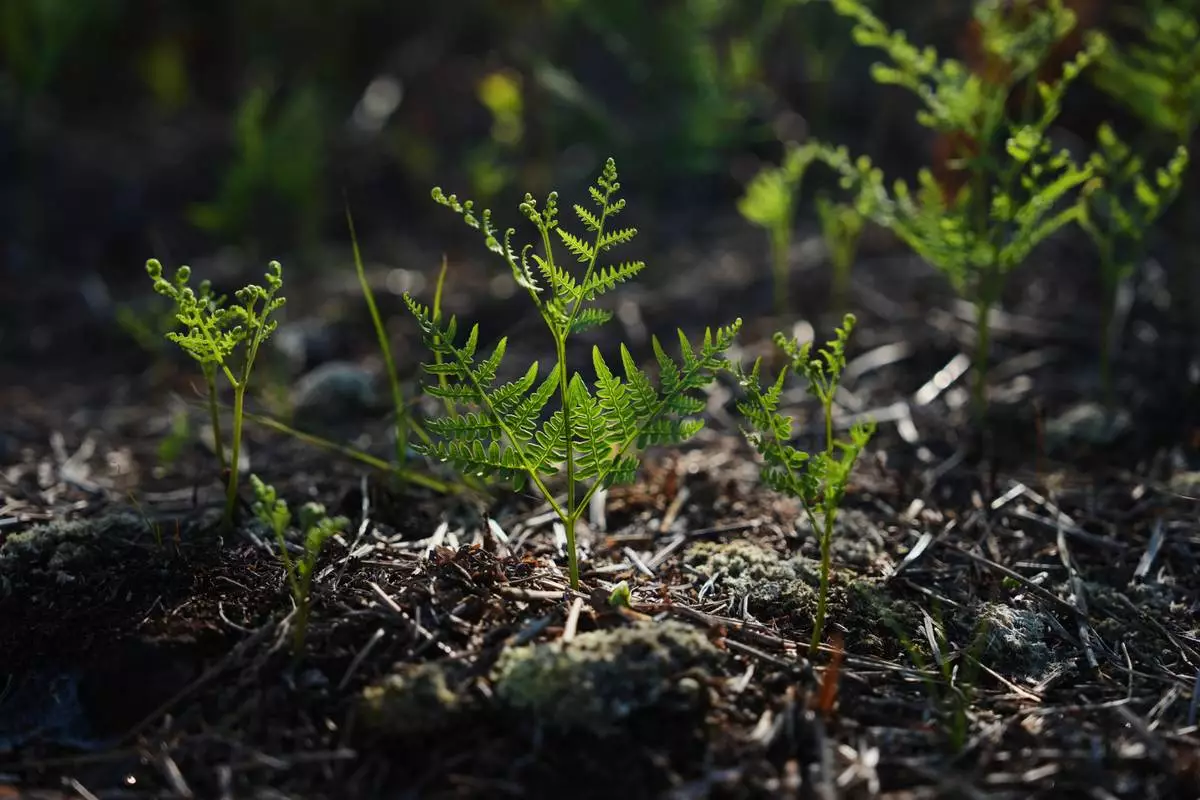
A bracken plant grows out of peatland soil Wednesday, May 6, 2026, in Belhaven, N.C. (AP Photo/Joshua A. Bickel)
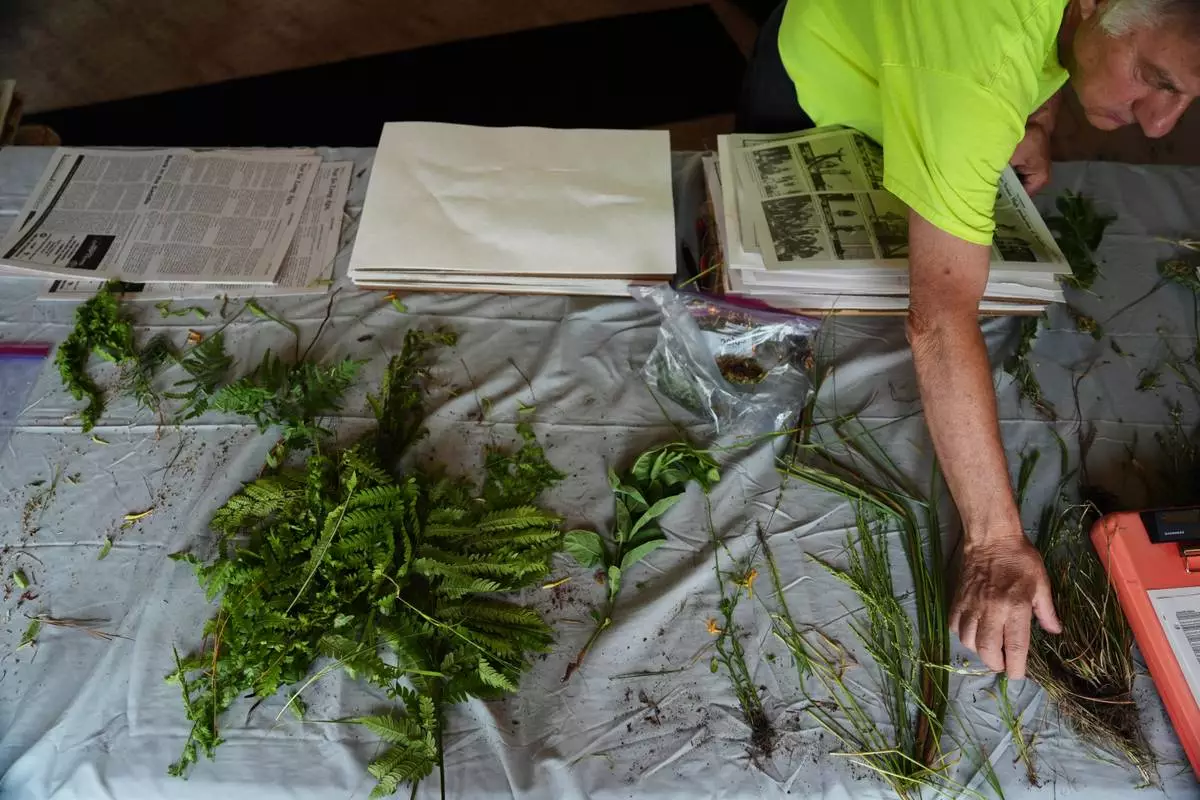
Steve Apfelbaum, a biologist and ecologist, organizes local plant samples Wednesday, May 6, 2026, in Belhaven, N.C. (AP Photo/Joshua A. Bickel)
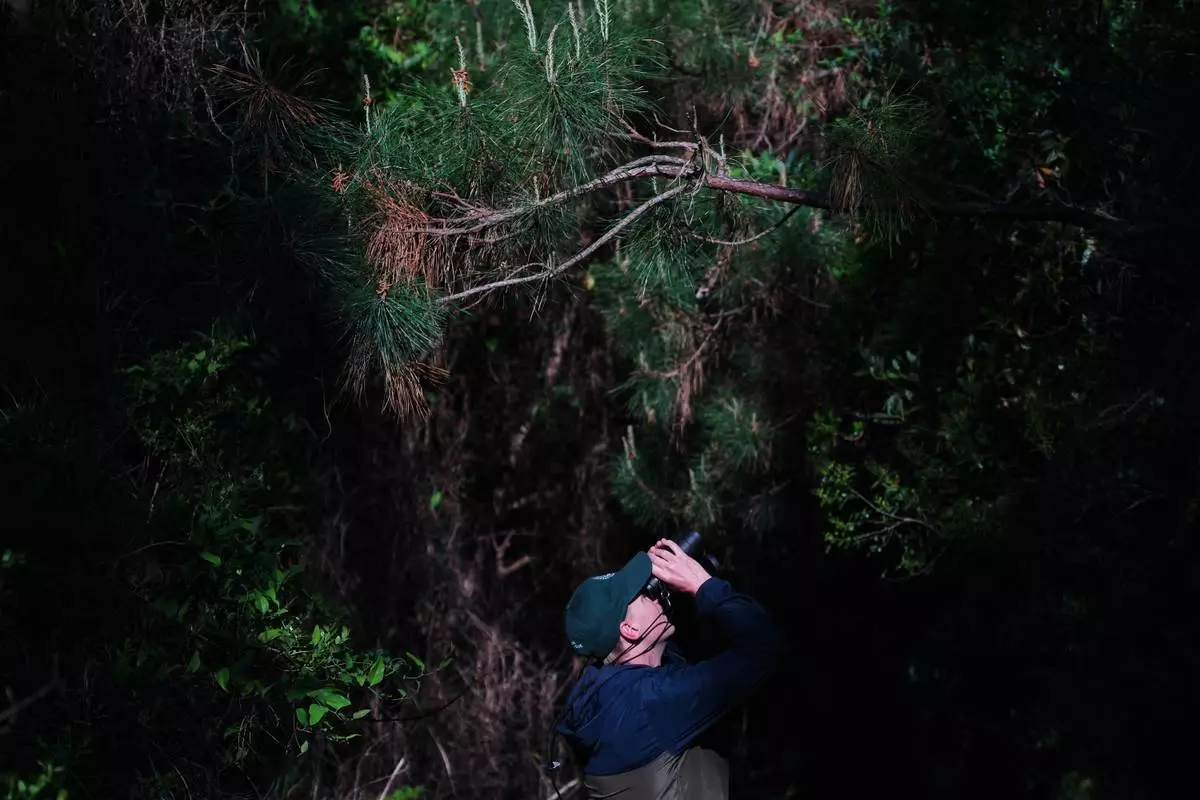
Vladimir Roosevelt, director of operations at Pantheon Regeneration, searches for birds during a survey Tuesday, May 5, 2026, in Belhaven, N.C. (AP Photo/Joshua A. Bickel)
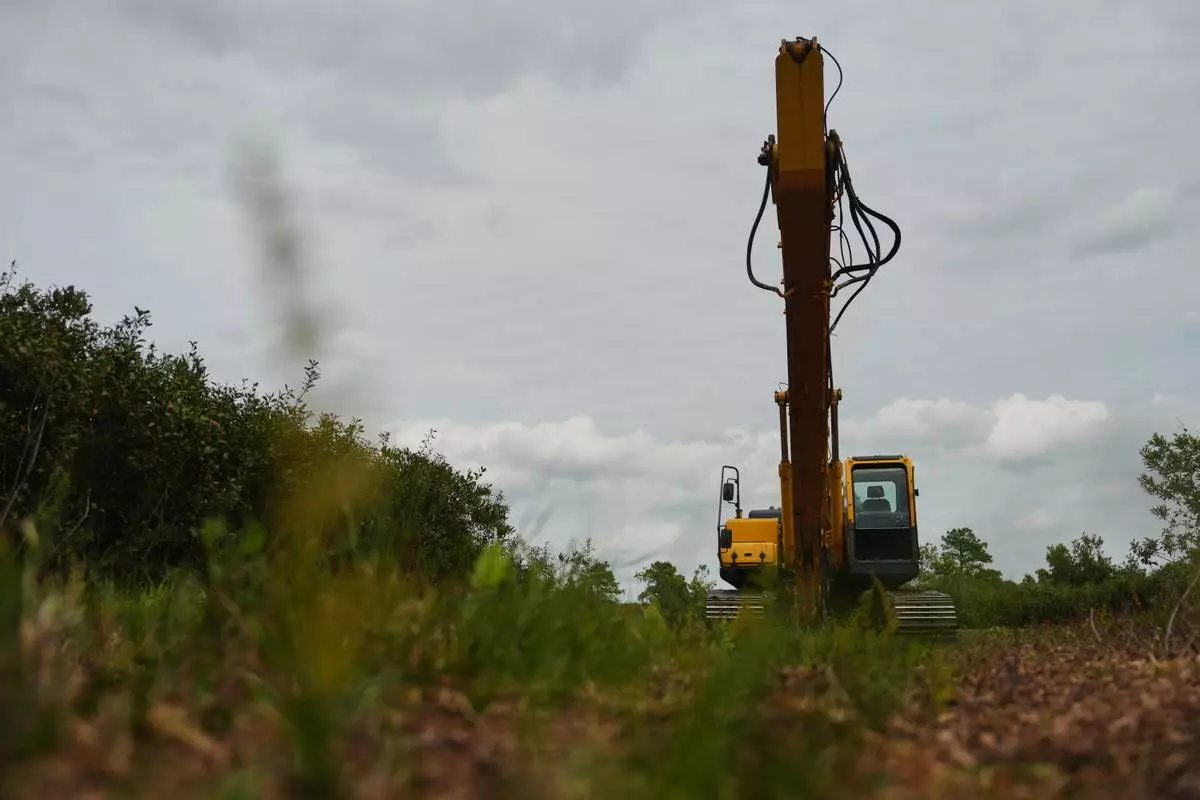
A excavator sits near a restoration site Wednesday, May 6, 2026, in Belhaven, N.C. (AP Photo/Joshua A. Bickel)
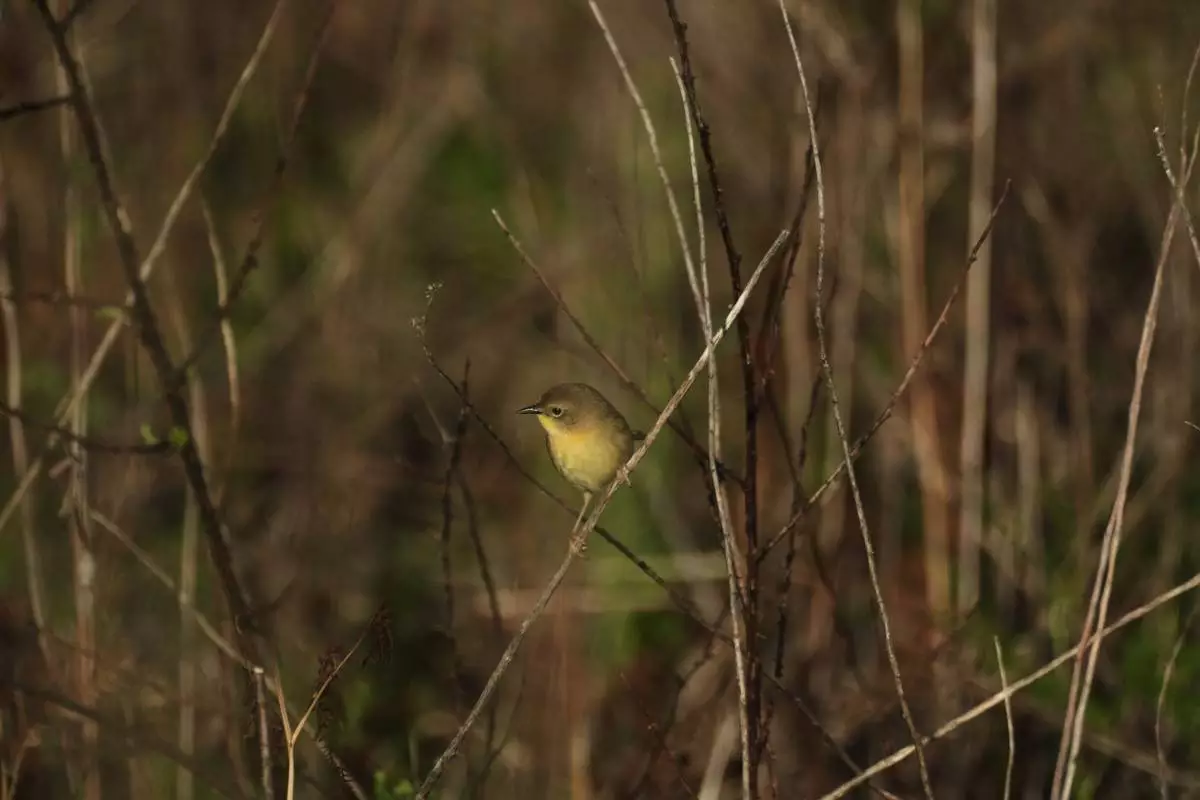
A common yellowthroat perches on a branch where peatlands are being restored Wednesday, May 6, 2026, in Belhaven, N.C. (AP Photo/Joshua A. Bickel)
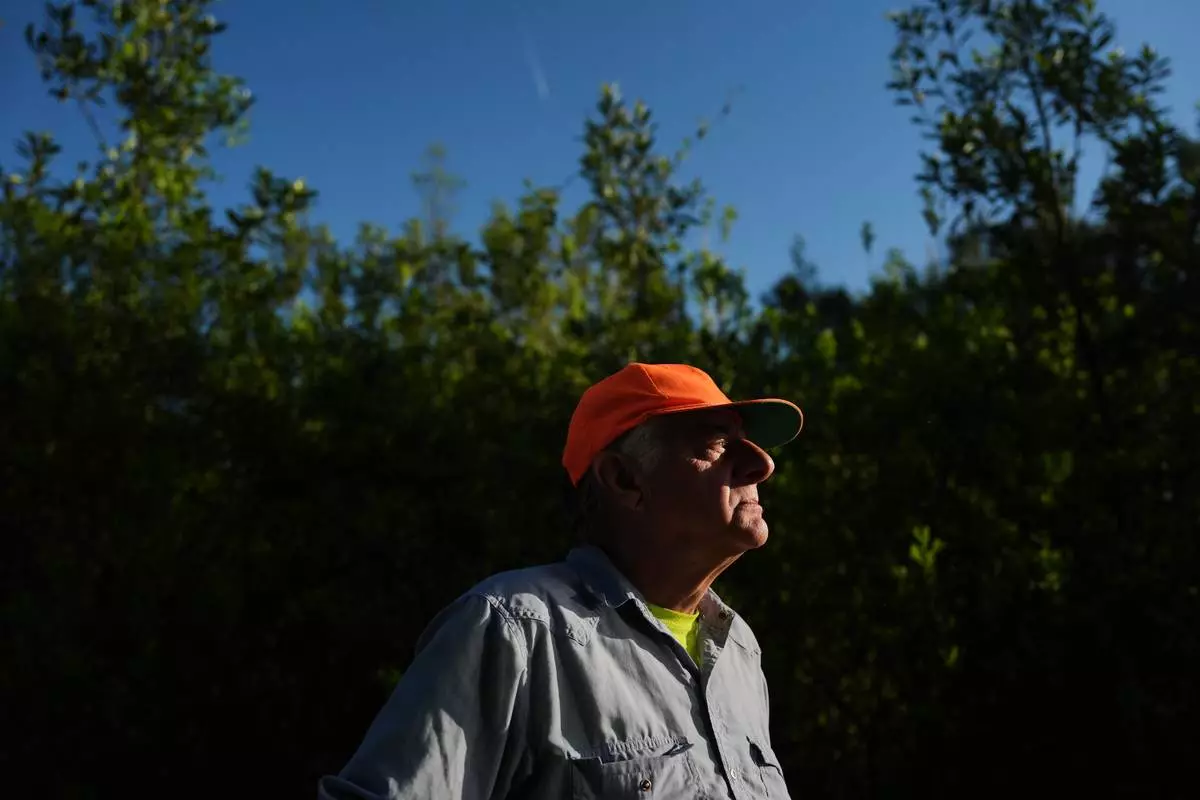
Steve Apfelbaum, a biologist and ecologist, listens for bird calls while conducting a survey Tuesday, May 5, 2026, in Belhaven, N.C. (AP Photo/Joshua A. Bickel)
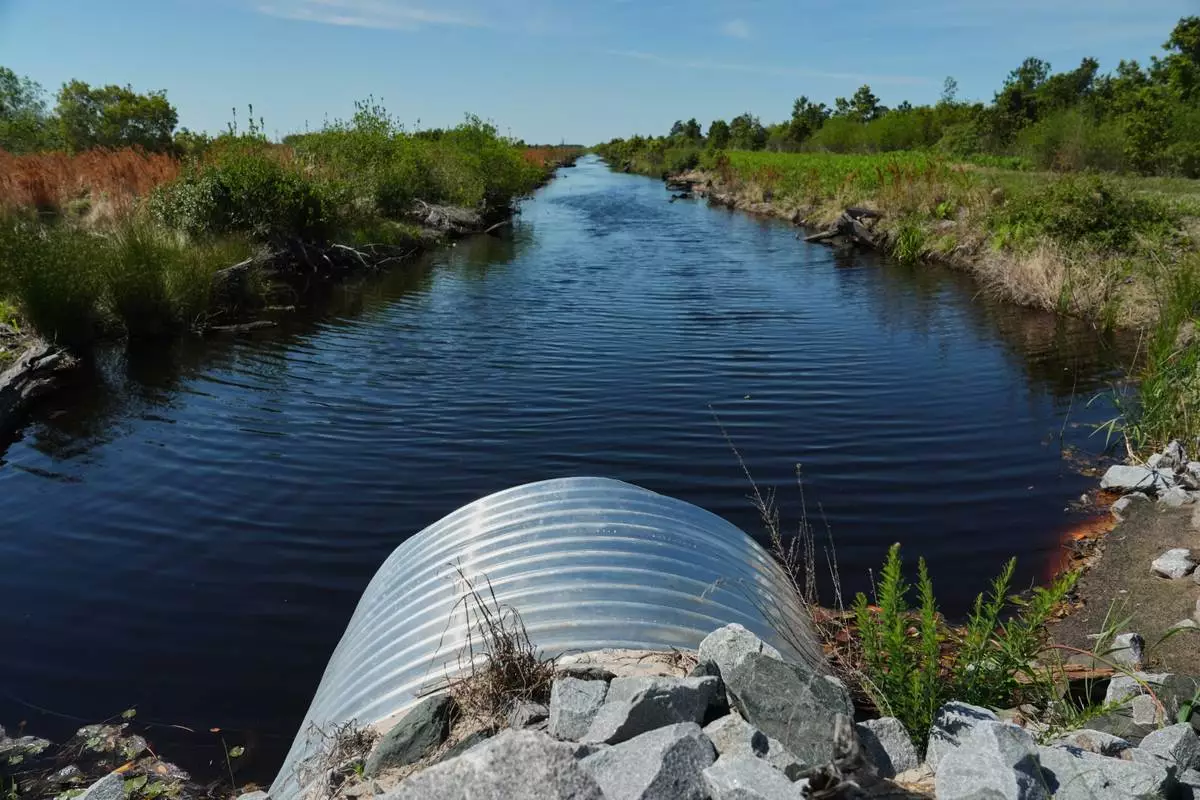
Water fills an irrigation ditch with repaired drainage structures Tuesday, May 5, 2026, in Belhaven, N.C. (AP Photo/Joshua A. Bickel)
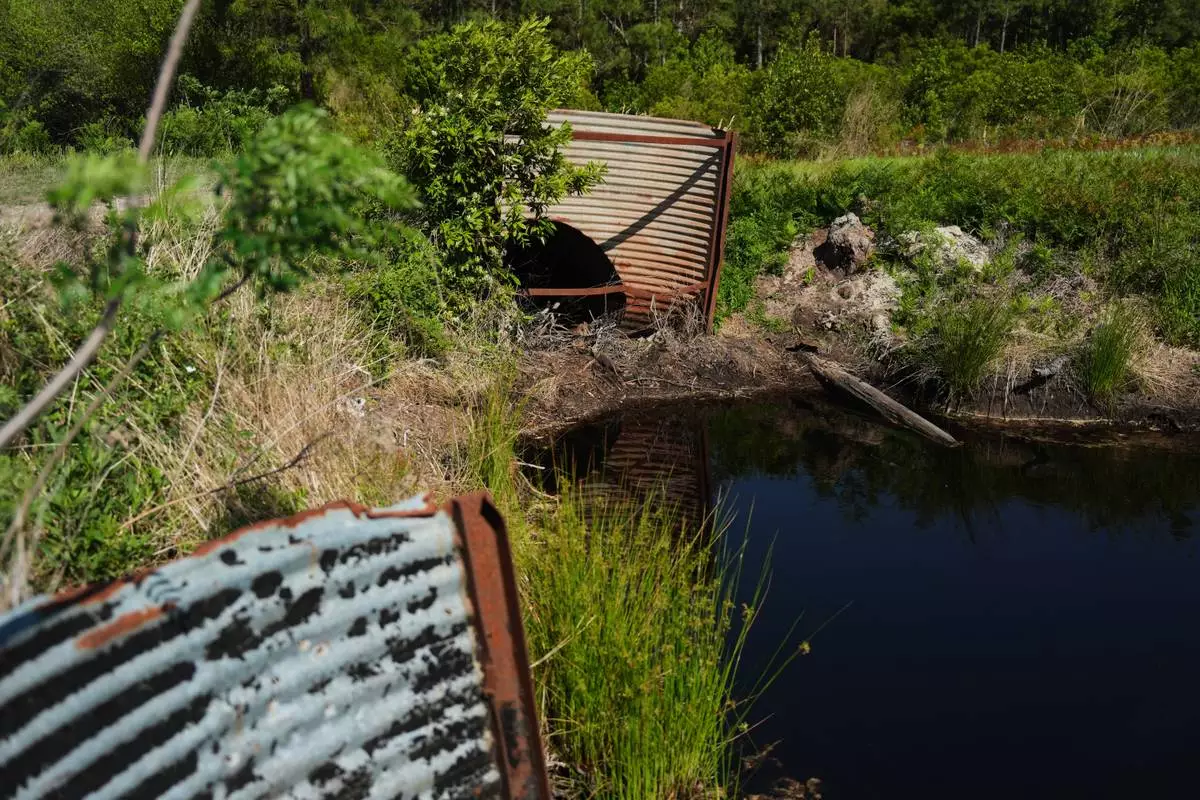
Old water control structures sit in disrepair Tuesday, May 5, 2026, in Belhaven, N.C. (AP Photo/Joshua A. Bickel)
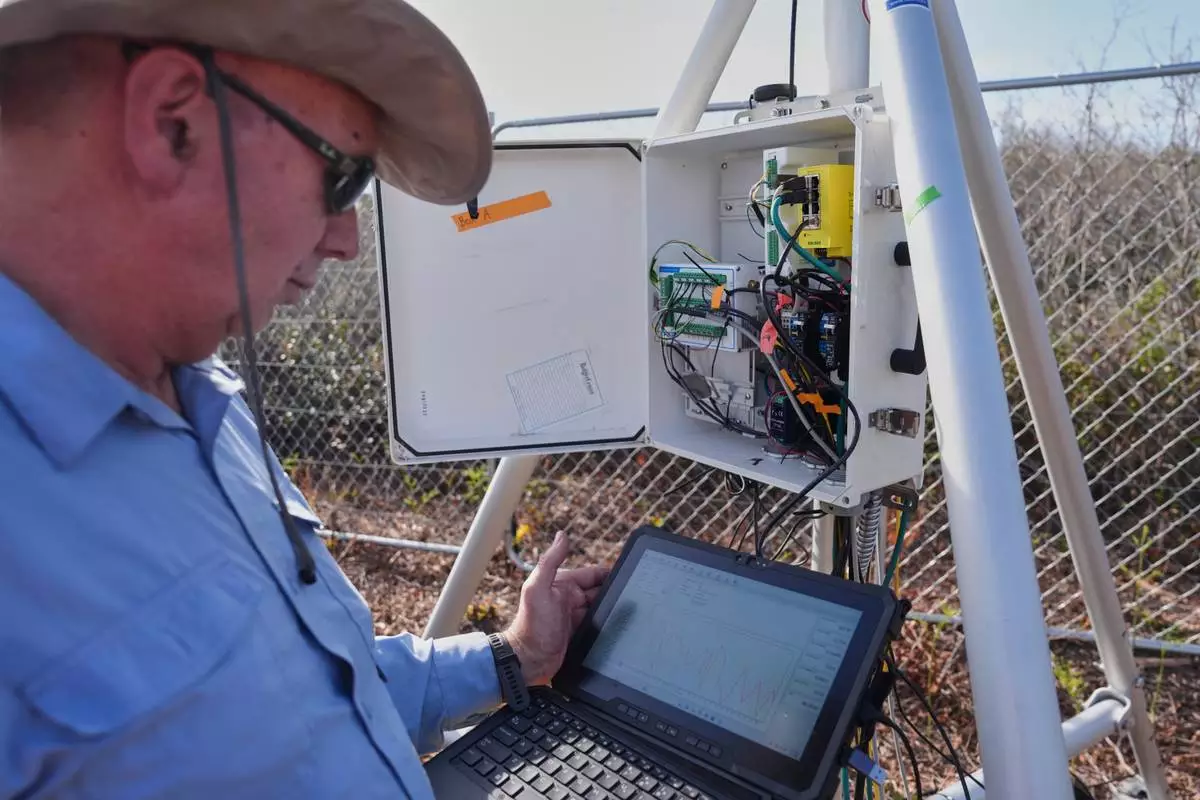
Neal Flanagan, a research scientist at Duke University, displays real-time carbon dioxide emissions from a sensor Wednesday, May 6, 2026, in Belhaven, N.C. (AP Photo/Joshua A. Bickel)
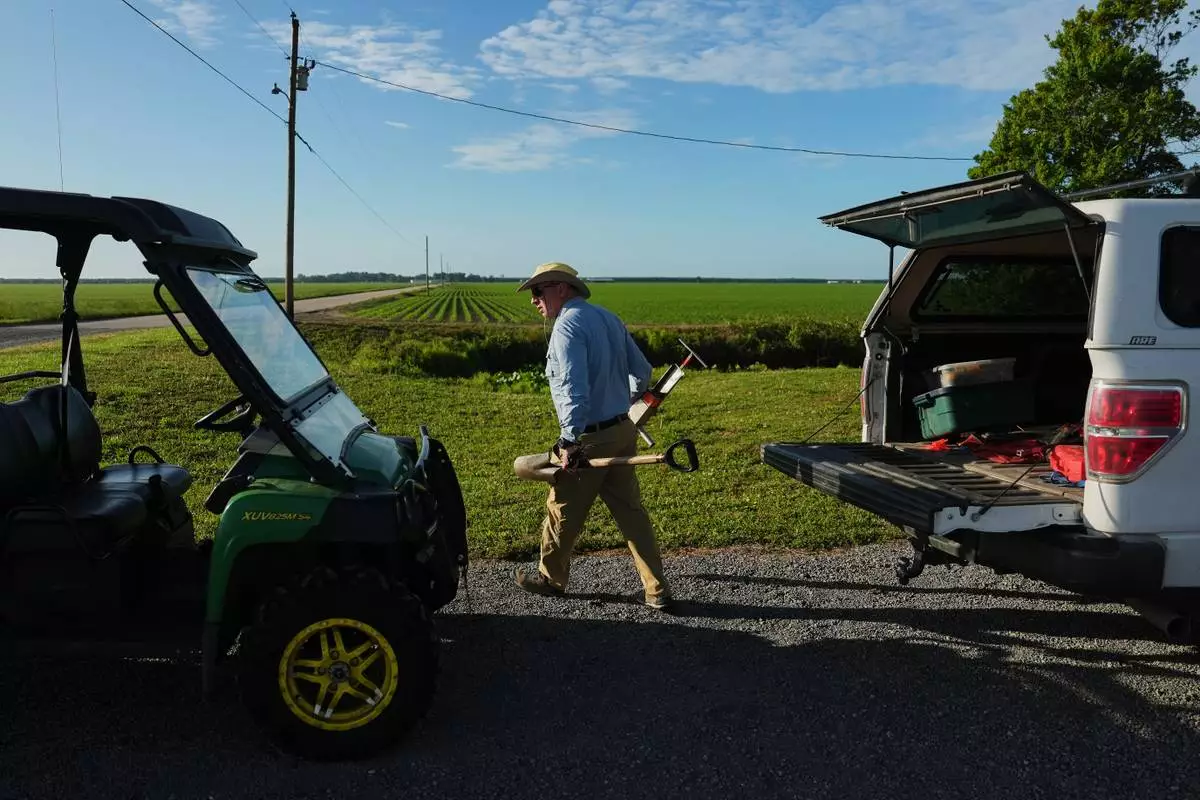
Neal Flanagan, a research scientist at Duke University, carries soil sampling tools Wednesday, May 6, 2026, in Belhaven, N.C. (AP Photo/Joshua A. Bickel)
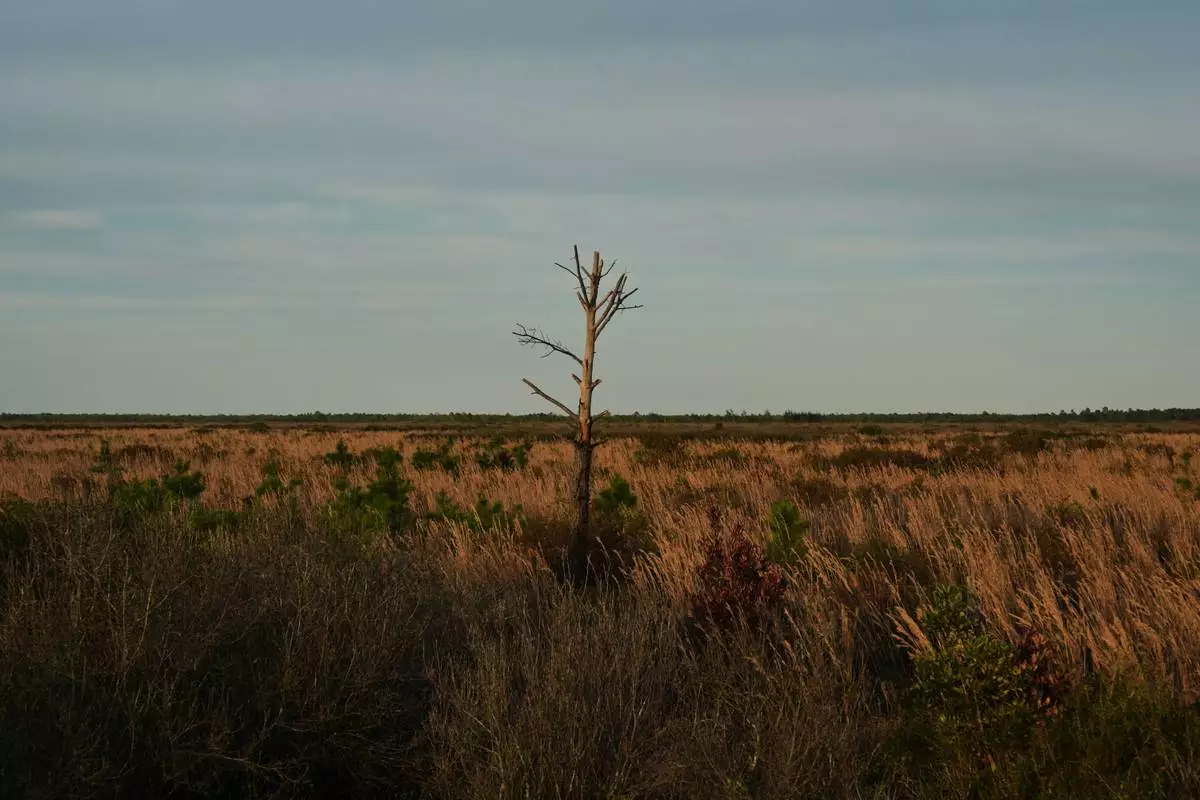
A fire-damaged tree stands in an area of peatland Tuesday, May 5, 2026, in Belhaven, N.C. (AP Photo/Joshua A. Bickel)
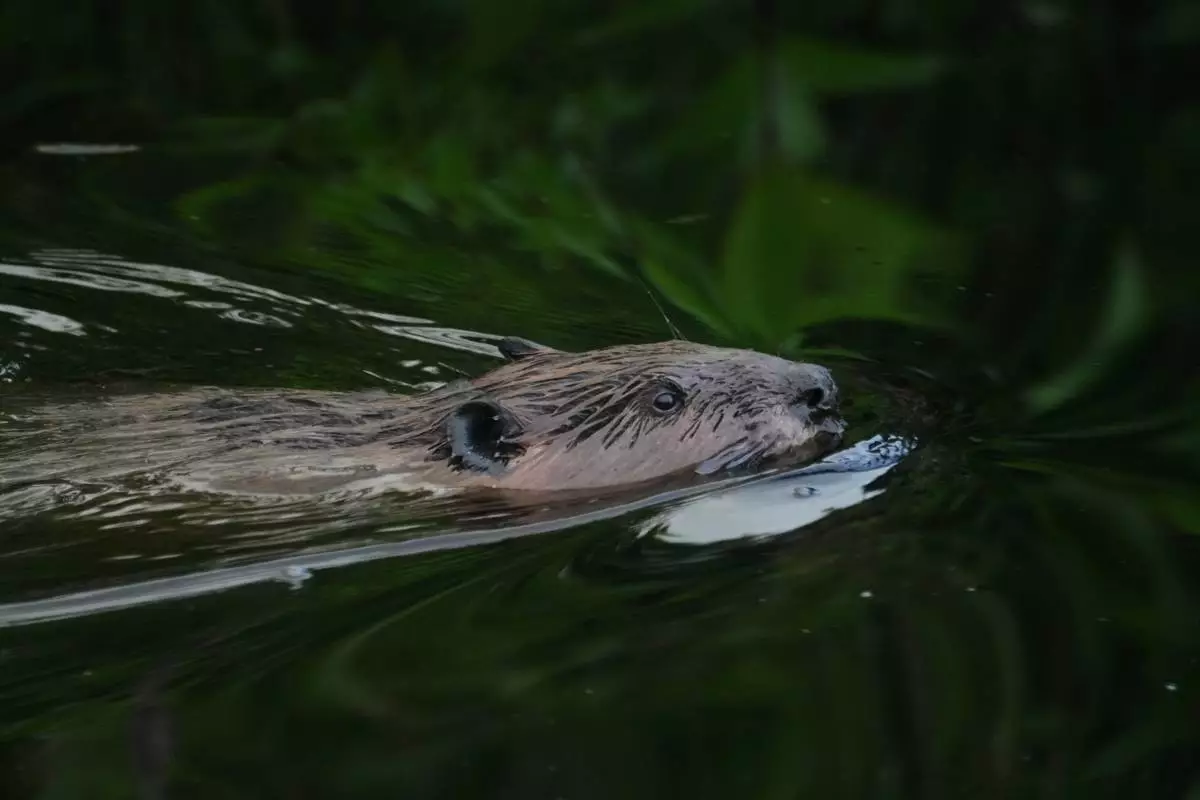
A beaver swims in a creek at the Pocosin Lakes National Wildlife Refuge, Wednesday, May 6, 2026, in Belhaven, N.C. (AP Photo/Joshua A. Bickel)
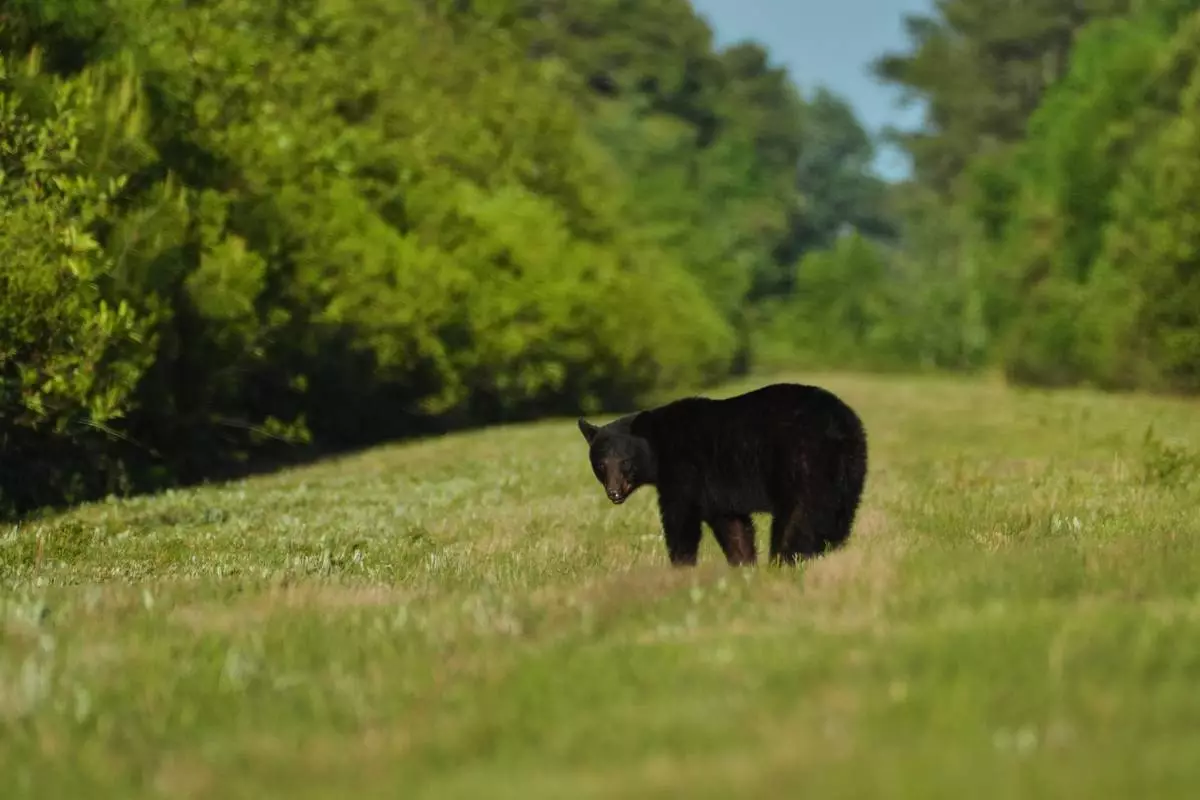
A juvenile black bear walks through a clearing where peatlands are being restored Tuesday, May 5, 2026, in Belhaven, N.C. (AP Photo/Joshua A. Bickel)
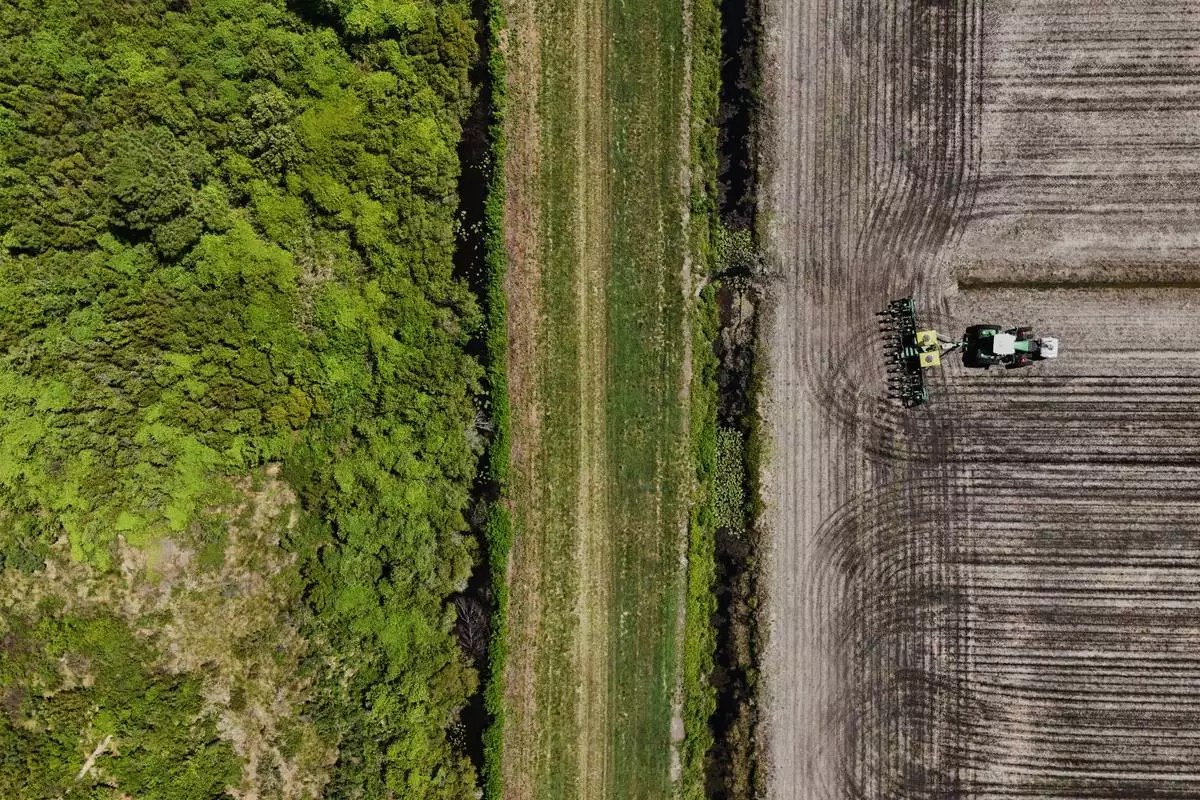
A planter, right, works in a field adjacent to a peatland forest Tuesday, May 5, 2026, in Belhaven, N.C. (AP Photo/Joshua A. Bickel)
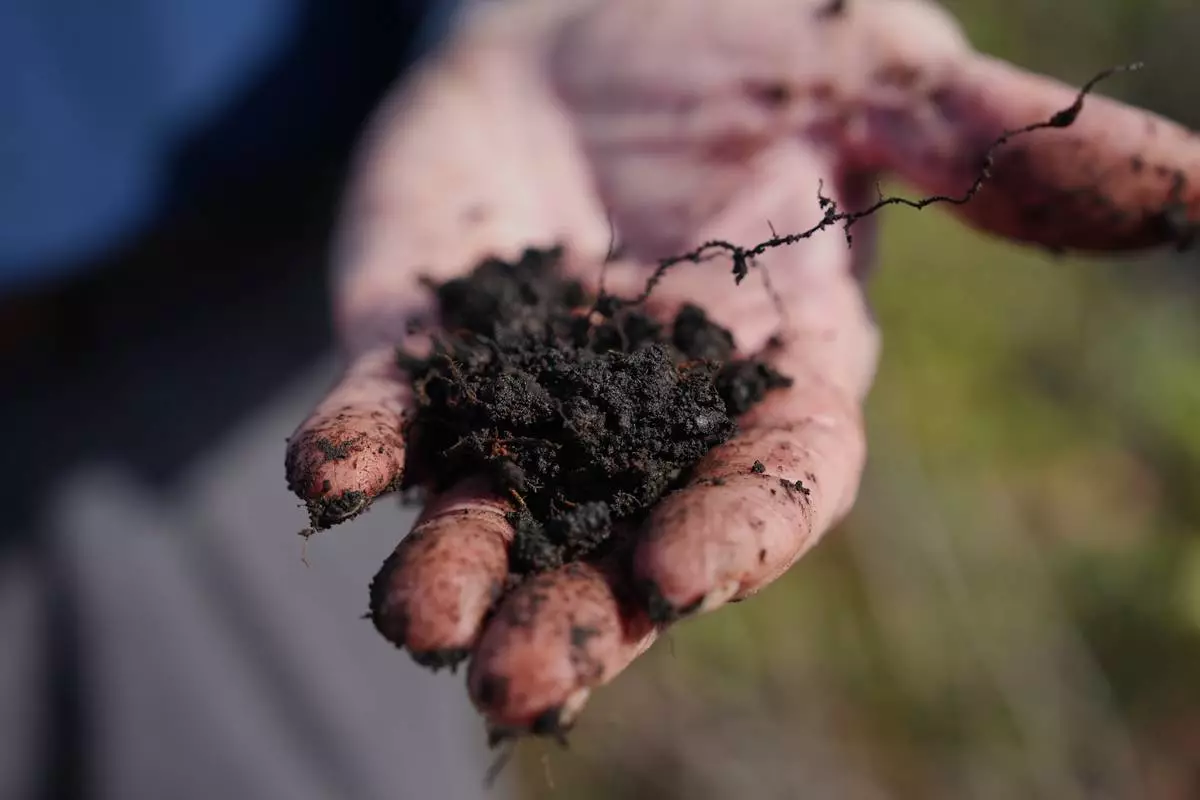
Curtis Richardson, an ecology professor at Duke University, holds peat soil Wednesday, May 6, 2026, in Belhaven, N.C. (AP Photo/Joshua A. Bickel)
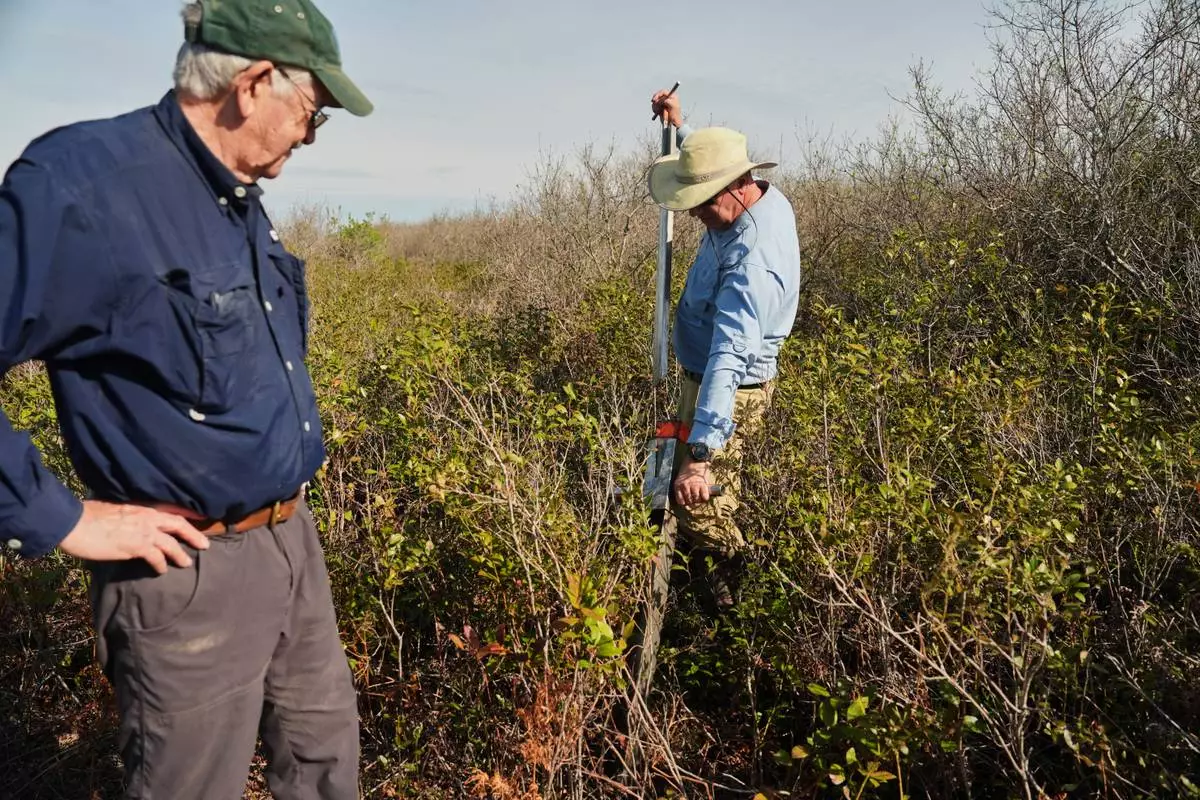
Neal Flanagan, right, a research scientist at Duke University, uses a tool to take a soil sample from a peatland as Curt Richardson, an ecology professor at Duke, observes Wednesday, May 6, 2026, in Belhaven, N.C. (AP Photo/Joshua A. Bickel)