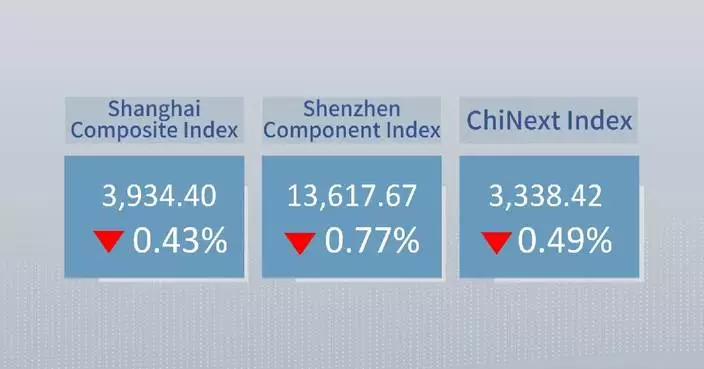
The STAR Composite Index, which reflects the performance of stocks on China's sci-tech innovation board, closed 1.12 percent lower at 1,844.36 points on Thursday.
The STAR 50 Index, which tracks the 50 largest stocks listed on the board that also meet certain liquidity requirements, closed 0.69 percent lower at 1,569.22 points.
The sci-tech innovation board, commonly known as the STAR Market, was inaugurated in June 2019 at Shanghai Stock Exchange. It is designed to support companies in the high-tech and strategic emerging sectors.
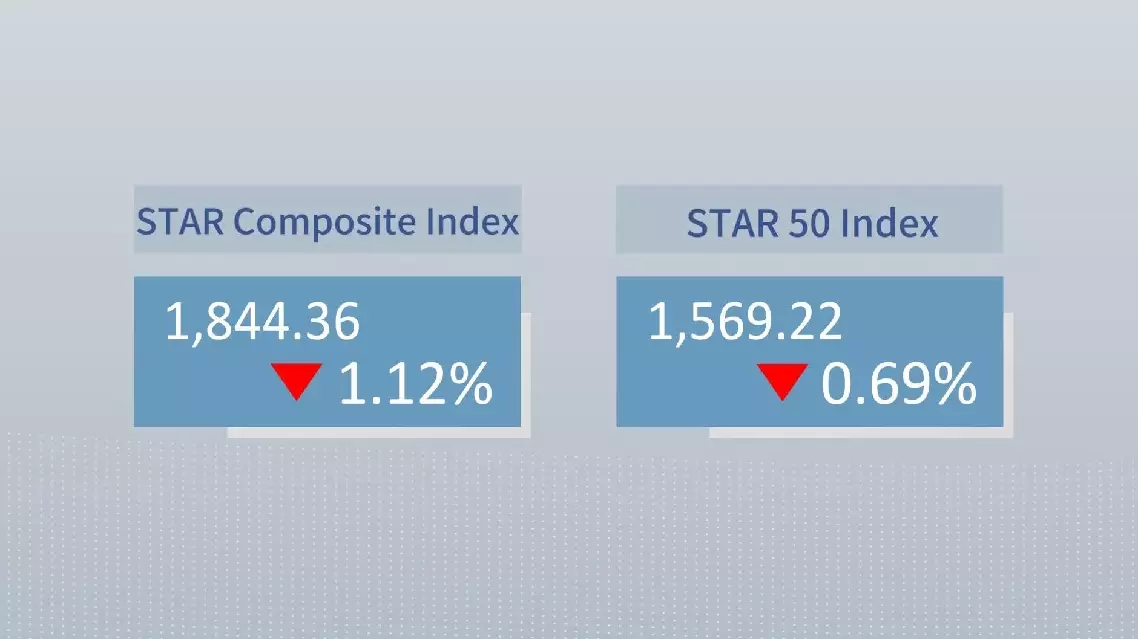
China's STAR Composite Index closes lower Thursday
Europe could face an energy crisis this winter, with the European Union's plan to cut its reliance on Russian energy hindered and underfunded, the European Court of Auditors said Wednesday
In its report, the Court of Auditors noted the EU has been cutting its imports of Russian energy since the outbreak of the Russian-Ukraine conflict in 2022 and has almost completely stopped importing Russian seaborne crude oil. The share of Russian natural gas in the European bloc's imports has fallen from 45 percent to 12 percent, the report said.
The auditors, however, attributed the fall in Russian imports mainly to a warm past winter earlier and high energy prices suppressing demand, rather than the effectiveness of policies.
The bloc is also entering the upcoming winter season with thin reserves when demand for heating will be at it highest. Data from the Gas Infrastructure Europe show that EU gas storage facilities are currently at only 67 percent capacity, far below the 80 percent recorded at the same period last year, adding to the challenge of replenishing reserves before winter.
The auditors also flagged a further risk to supply is the escalating situation in the Middle East which poses further threats to Europe's energy security.
The EU plans to go further by banning all imports of Russian liquefied natural gas from Jan.1, 2027, a step analysts warn could put European countries at risk of a sharp increase in energy prices this winter.
Kremlin spokesperson Dmitry Peskov said at a regular press conference on Wednesday that natural gas prices in Europe have risen sharply in the recent weeks but are still short of their peak and are expected to reach new highs.
He said Europe will not be able to finish filling its gas storage before winter and that it should acknowledge the need to look for cheaper energy sources.
Peskov also pointed to the Nord Stream gas pipelines which he said could be made operational at at any time, but political considerations are preventing Europe from taking a rational view of its options, with the cost ultimately falling on the continent's economy and its people.
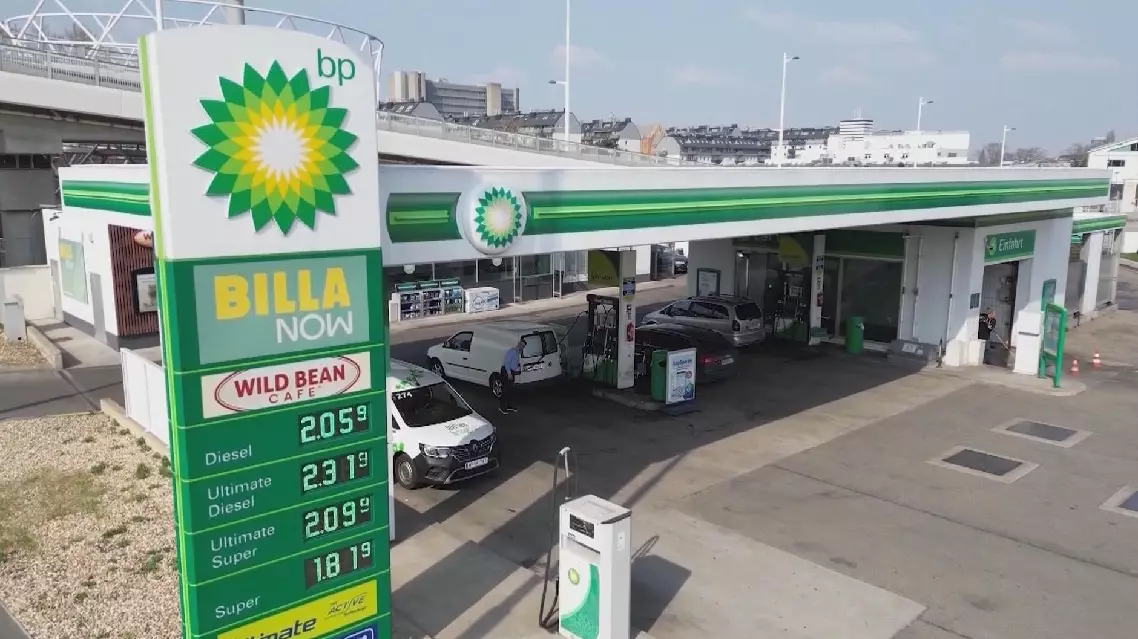
Europe facing winter energy crunch amid reduced Russian gas dependence: audit report