NEW YORK (AP) — Ben Shelton is playing for his first Grand Slam title, though he knows this U.S. Open final is about more than what it means to him.
When he faces No. 1 seed Alexander Zverev on Sunday, Shelton will be trying to become the first U.S. man to win a major title since Andy Roddick in 2003. He can become the first American Black man to win his country's biggest tournament since Arthur Ashe in 1968.
Click to Gallery
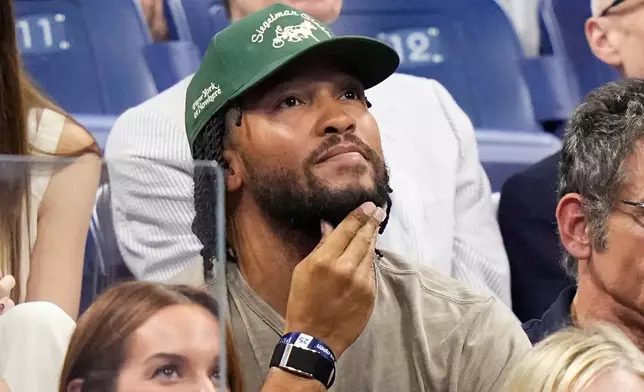
New York Knicks' Jalen Brunson attends a match between Ben Shelton, of the United States, and Frances Tiafoe, of the United States, during the men's singles semifinals of the U.S. Open tennis championships Friday, Sept. 11, 2026, in New York. (AP Photo/Frank Franklin II)
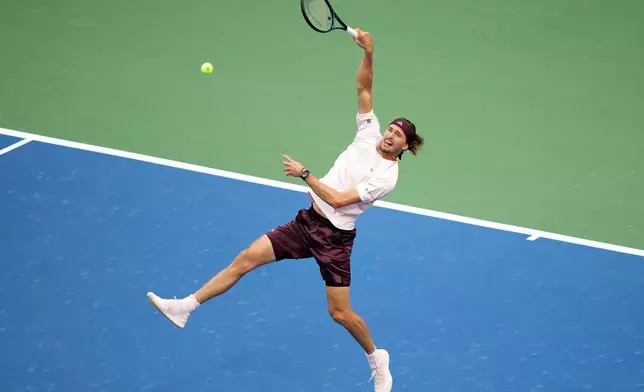
Alexander Zverev, of Germany, returns the ball to Karen Khachanov, of Russia, during the men's singles semifinals of the U.S. Open tennis championships Friday, Sept. 11, 2026, in New York. (AP Photo/Frank Franklin II)
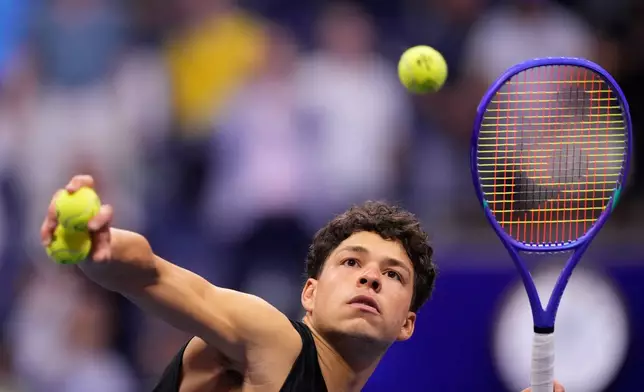
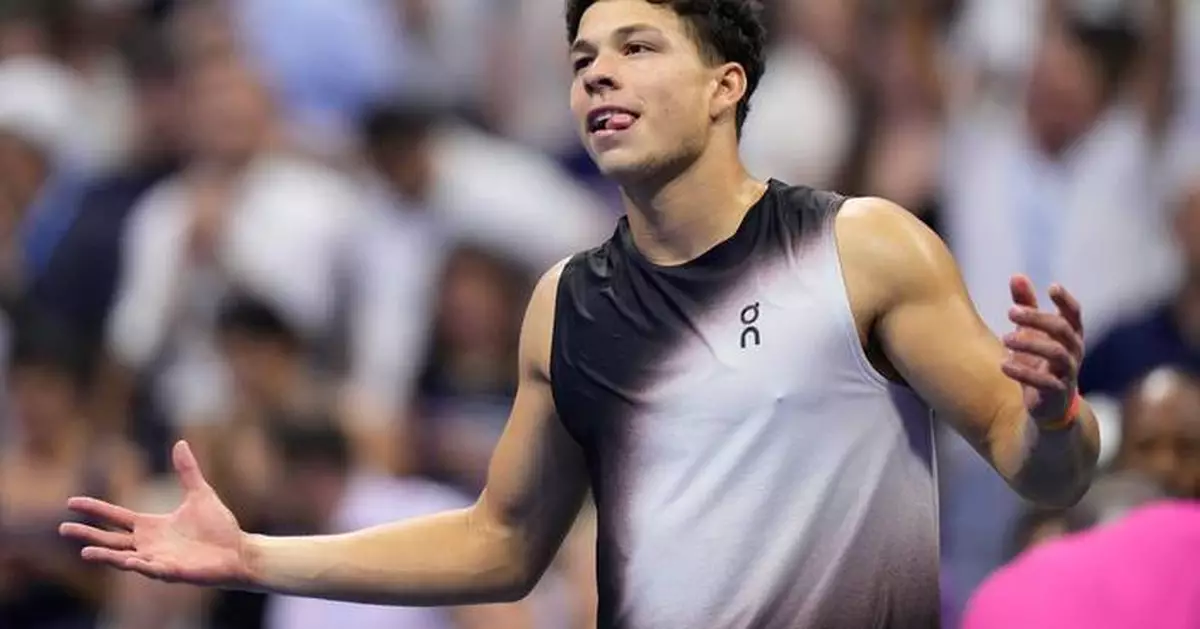
Ben Shelton, of the United States, hits balls to audience after he won his match against Frances Tiafoe, of the United States, during the men's singles semifinals of the U.S. Open tennis championships Friday, Sept. 11, 2026, in New York. (AP Photo/Yuki Iwamura)
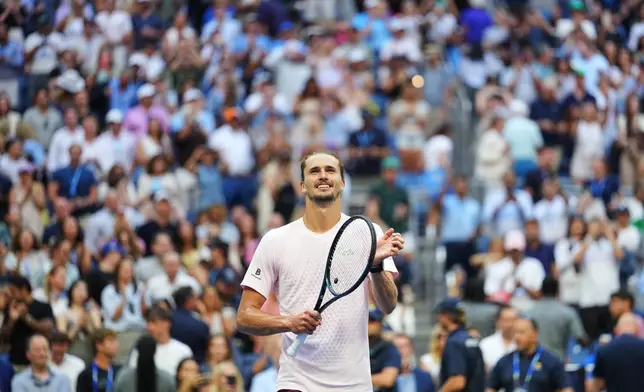
Alexander Zverev, of Germany, celebrates winning a match against Karen Khachanov, of Russia, during the men's singles semifinals of the U.S. Open tennis championships, Friday, Sept. 11, 2026, in New York. (AP Photo/Kirsty Wigglesworth)
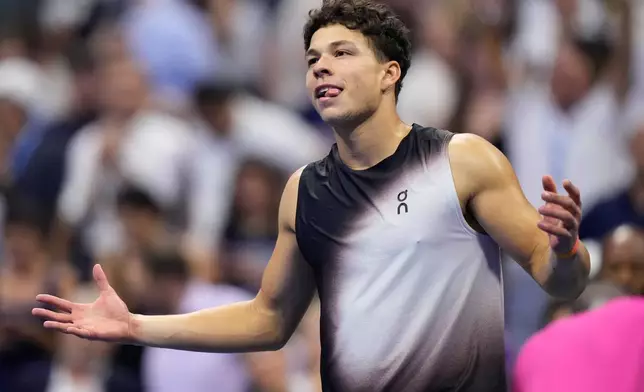
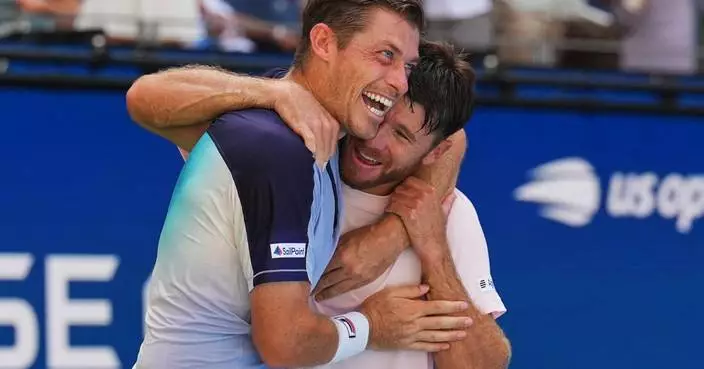
Ben Shelton, of the United States, reacts after he won his match against Frances Tiafoe, of the United States, during the men's singles semifinals of the U.S. Open tennis championships Friday, Sept. 11, 2026, in New York. (AP Photo/Frank Franklin II)
That's a lot for a 23-year-old to consider — on top of the fact that he's facing a player he's never beaten. Yet the No. 8-seeded Shelton said he can handle all of it.
“For me, this whole tournament now at this point has been unchartered territory. I’m in positions I’ve never been in before. I’ve beaten a guy or guys that I have never beaten before. I’m just excited to put it all out on the line,” Shelton said.
“Yes, I can think about how cool this moment is and what I’m playing for. At the end of the day, I’m here in New York, I’m hanging out with my team, I’m with my homies playing a little bit of tennis and I’ve been able to downplay the moment pretty well.”
Shelton already made some history during his first run to a major final, outlasting defending champion Carlos Alcaraz in a quarterfinal matchup that ended at 3:33 a.m., the latest finish in U.S. Open history. Then it was a semifinal victory over Frances Tiafoe, when the winner would become the latest American hope to end the men's drought.
Shelton was born in October 2002, nine months before Roger Federer won his first major title at Wimbledon. Rafael Nadal and Novak Djokovic would soon join him in dominating the Grand Slam tournaments, so it was rare when an American man even had a realistic chance to win one during the ensuing 23 years.
Now Shelton is in the position Zverev was six years ago, trying to win his first Grand Slam title in New York. The German was on the verge of doing it before a collapse, becoming the first man to lose the U.S. Open after winning the first two sets in the final since 1949. He lost to Dominic Thiem in a fifth-set tiebreaker.
“I’ve played a lot of big matches since then,” Zverev said. “Back then, of course, it was my first Grand Slam final. I was inexperienced. I was still a young guy, I would say. Yeah, just different. Everything is different.”
Now, he's been the dominant player in Grand Slams in a season that has seen injuries to Alcaraz and Jannik Sinner. Zverev finally broke through to win his first major at the French Open, then got to the Wimbledon final and lost to Sinner. He is 24-2 in Grand Slam matches in 2026.
The 2020 final was played in an almost entirely empty stadium, with no fans allowed during the coronavirus pandemic. Ashe will be packed Sunday and the crowd will be decidedly on Shelton's side.
Zverev said he welcomes the change.
“I played a lot of French guys in France. I think the most hostile crowd, if you call it that, is when you are playing a French in Paris Bercy back in the day,” he said. “There was quite intense, and I always enjoyed those. I always enjoyed those kind of atmospheres.”
Zverev is 5-0 against Shelton and has won 10 of their 11 sets. They haven't met this year.
Shelton had a dominant serve from the moment he arrived on tour, and being able to unleash it at speeds above 140 mph gives the left-hander a weapon he can rely on. His ability to defend and triumph in longer rallies makes him a different player now.
“I think Ben has been trending in the right direction throughout this year. I think four titles on different surfaces kind of is evidence of it,” said Bryan Shelton, his father and coach. “I think part of the reason is that he’s become more mature and more disciplined on the court. He’s willing to suffer a little bit in the rallies and go deeper and really use his athleticism.”
Ben Shelton met up after his victory Friday with Jalen Brunson, the NBA Finals MVP who led the New York Knicks to the title, their first championship since 1973. Brunson told Shelton he'll be back to watch the final.
Perhaps he will see the end of another lengthy drought.
“I’m looking forward to the challenge, being able to problem-solve on Sunday,” Shelton said. “I know what I’m up against, and I’m also the most confident I’ve ever been in my game.”
See AP’s full tennis coverage here
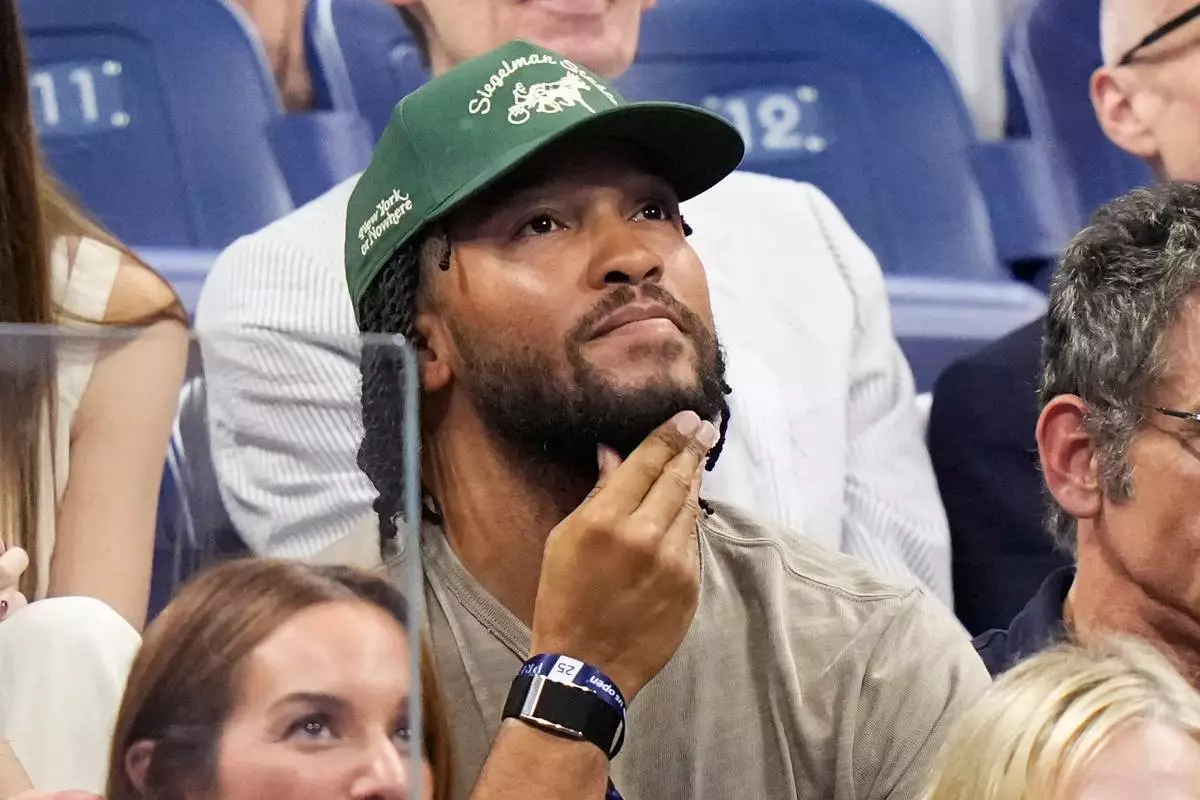
New York Knicks' Jalen Brunson attends a match between Ben Shelton, of the United States, and Frances Tiafoe, of the United States, during the men's singles semifinals of the U.S. Open tennis championships Friday, Sept. 11, 2026, in New York. (AP Photo/Frank Franklin II)
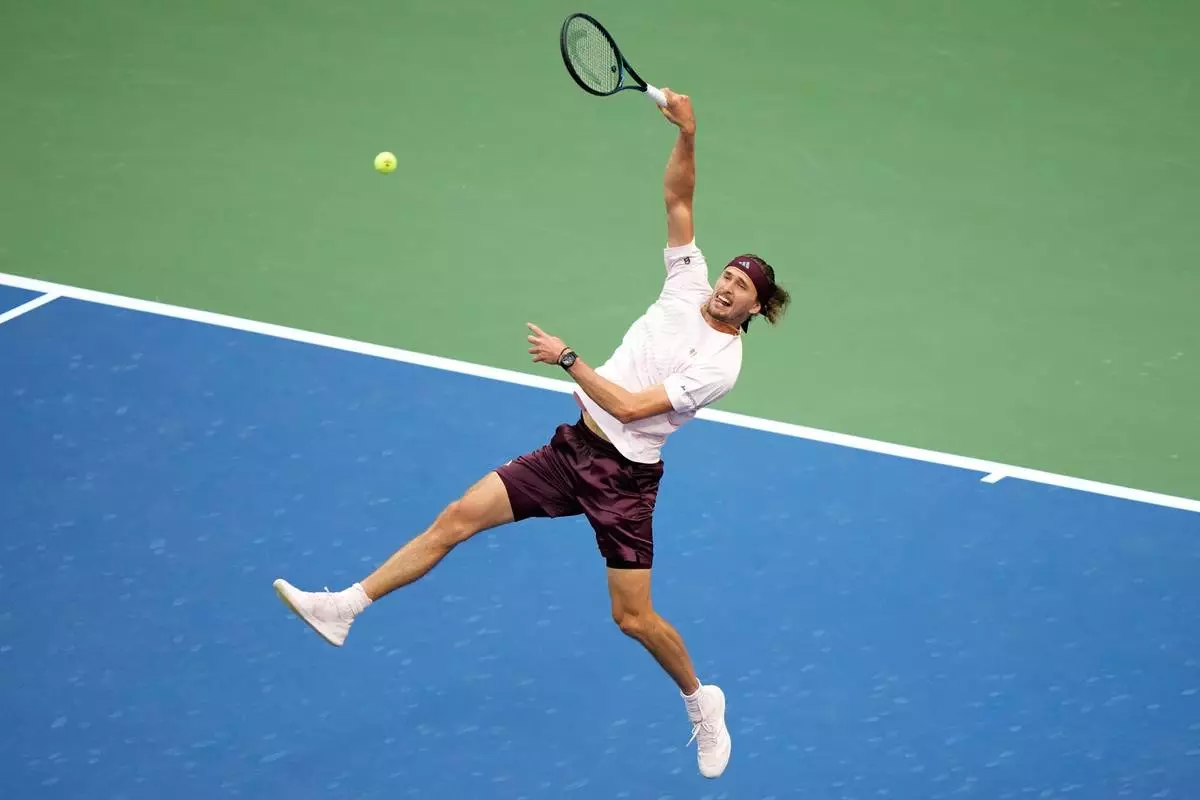
Alexander Zverev, of Germany, returns the ball to Karen Khachanov, of Russia, during the men's singles semifinals of the U.S. Open tennis championships Friday, Sept. 11, 2026, in New York. (AP Photo/Frank Franklin II)
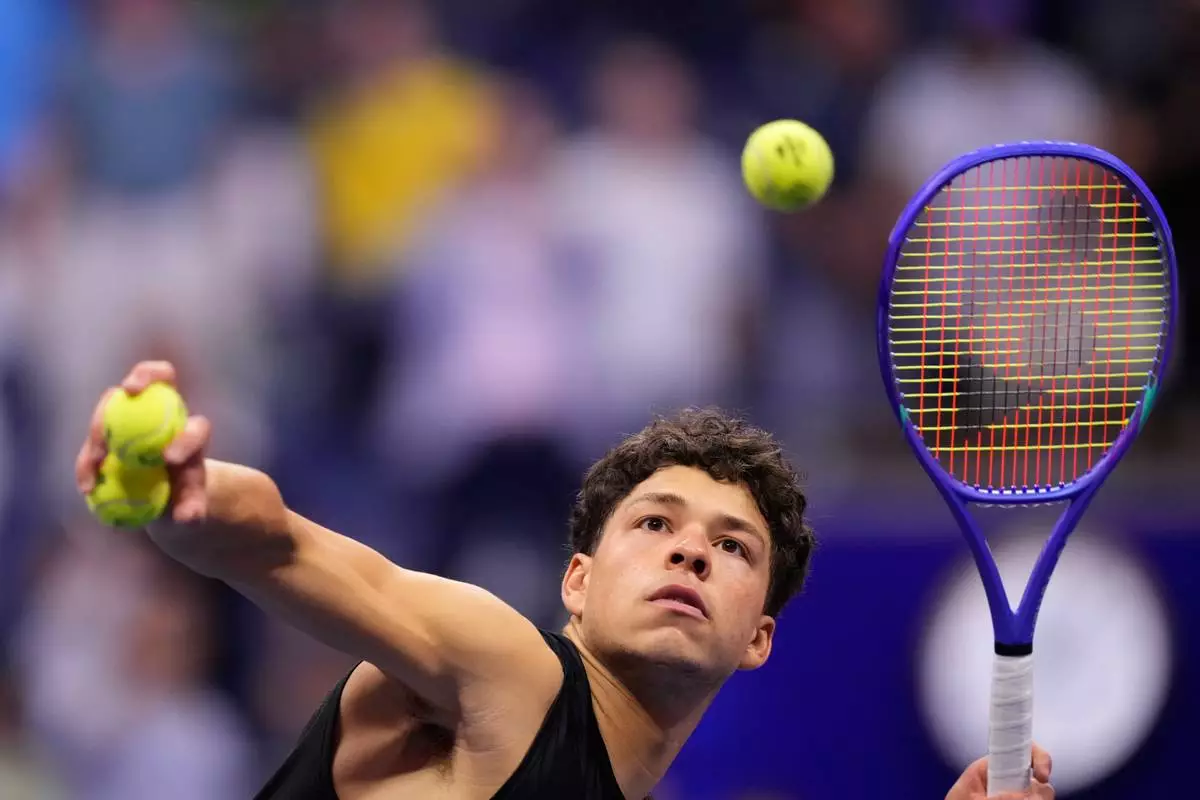
Ben Shelton, of the United States, hits balls to audience after he won his match against Frances Tiafoe, of the United States, during the men's singles semifinals of the U.S. Open tennis championships Friday, Sept. 11, 2026, in New York. (AP Photo/Yuki Iwamura)
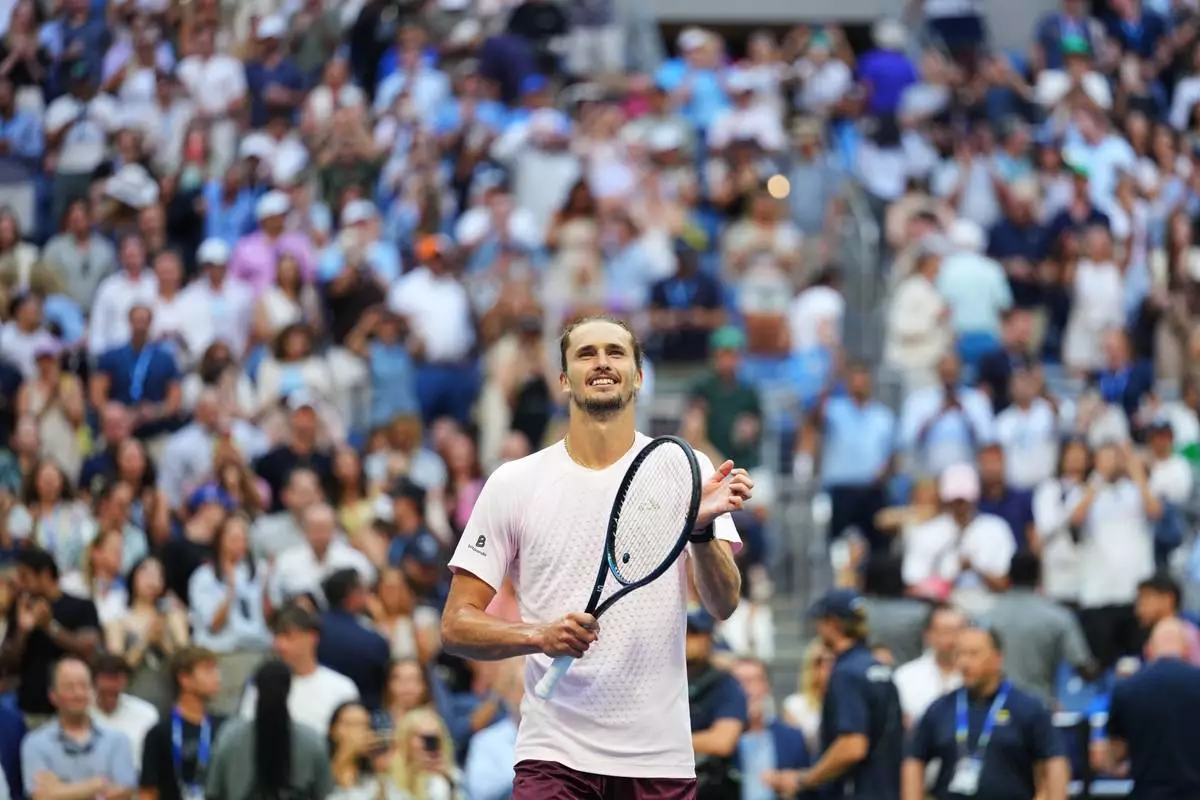
Alexander Zverev, of Germany, celebrates winning a match against Karen Khachanov, of Russia, during the men's singles semifinals of the U.S. Open tennis championships, Friday, Sept. 11, 2026, in New York. (AP Photo/Kirsty Wigglesworth)
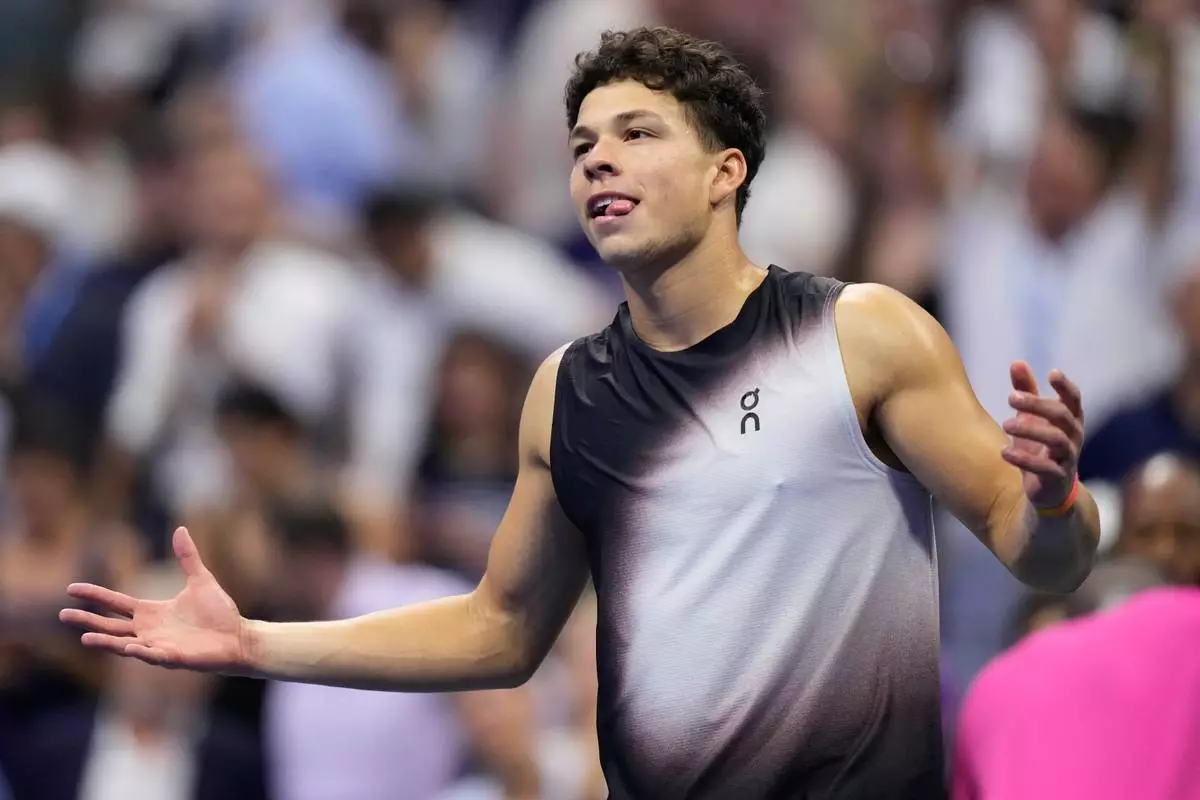
Ben Shelton, of the United States, reacts after he won his match against Frances Tiafoe, of the United States, during the men's singles semifinals of the U.S. Open tennis championships Friday, Sept. 11, 2026, in New York. (AP Photo/Frank Franklin II)