The 2026 China International Fair for Trade in Services (CIFTIS) concluded Sunday at Shougang Park in Beijing, capping a week of deal making and fresh cooperation between China’s service sector and global partners.
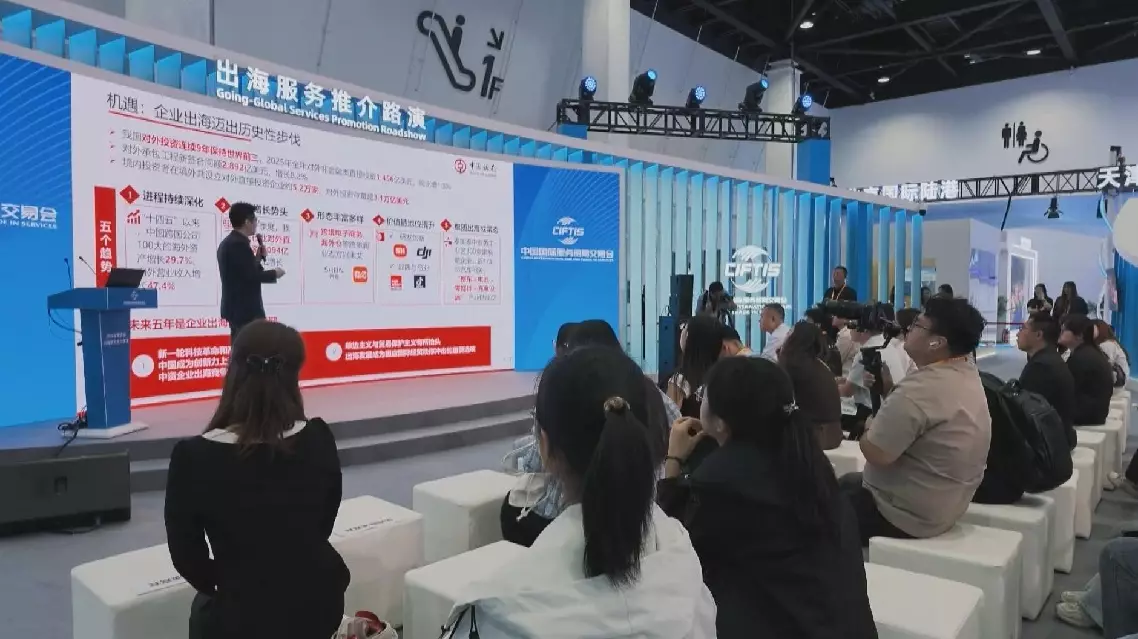
Throughout the five-day event, CIFTIS hosted 15 thematic forums, 51 special topic forums, and 134 negotiation and promotion sessions, featuring over 1,830 enterprises exhibiting on-site. International organizations hold 22 forums and conferences, an increase of four from the previous edition.
On the final day alone, 10 enterprises and institutions announced 25 new achievements. By noon Sunday, 37 roadshows had been completed, with 42 professional service institutions presenting their strategies for overseas expansion.
Organizers said the turnout reflected growing international interest in partnership opportunities with "China Services."
"I think in China, first of all, what is impressive is the incredible speed of the high-tech development. And with the high-tech development comes also an increase of the service offerings, the upgrade in China. It's on the consumption side. It's on the technology side. It's on the production side. It's in every aspect. We are super impressed by the whole ecosystem in China," said Henning Kristoffersen, commercial counsellor at the Norwegian Embassy in China.
"It's a very wonderful experience. It's really wonderful and exciting. Next year for sure, I'll be here and I'm waiting for all of you to come, so we can have a wonderful time together and maybe collaborate in one way or the other," said Wilson, an exhibitor from Cameroon.
2026 CIFTIS concludes in Beijing, seals new service trade deals
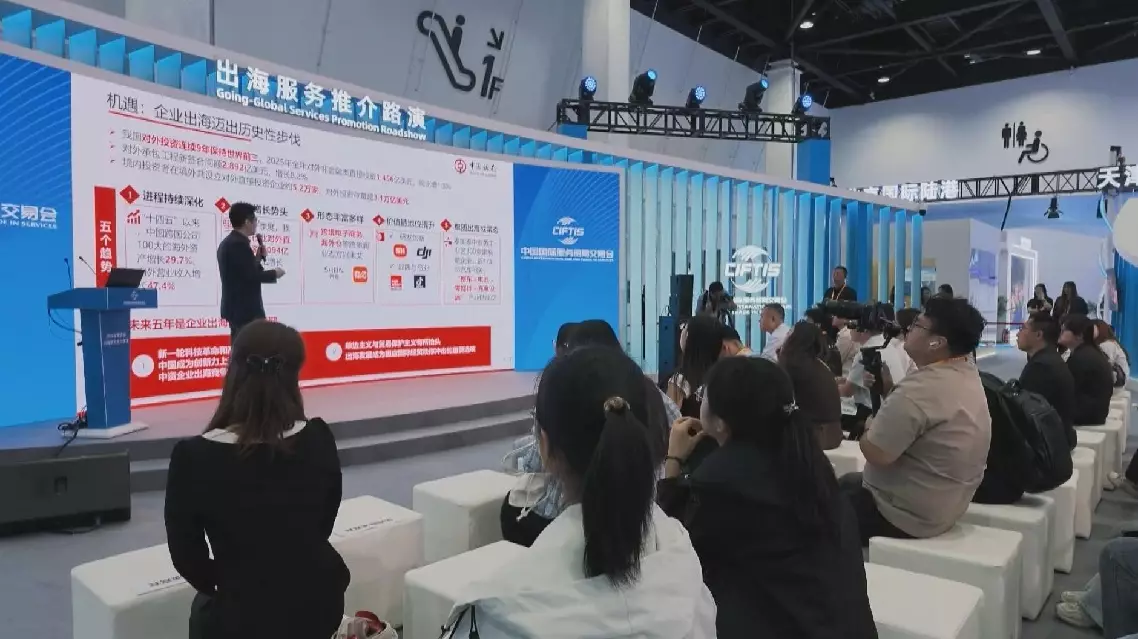
2026 CIFTIS concludes in Beijing, seals new service trade deals
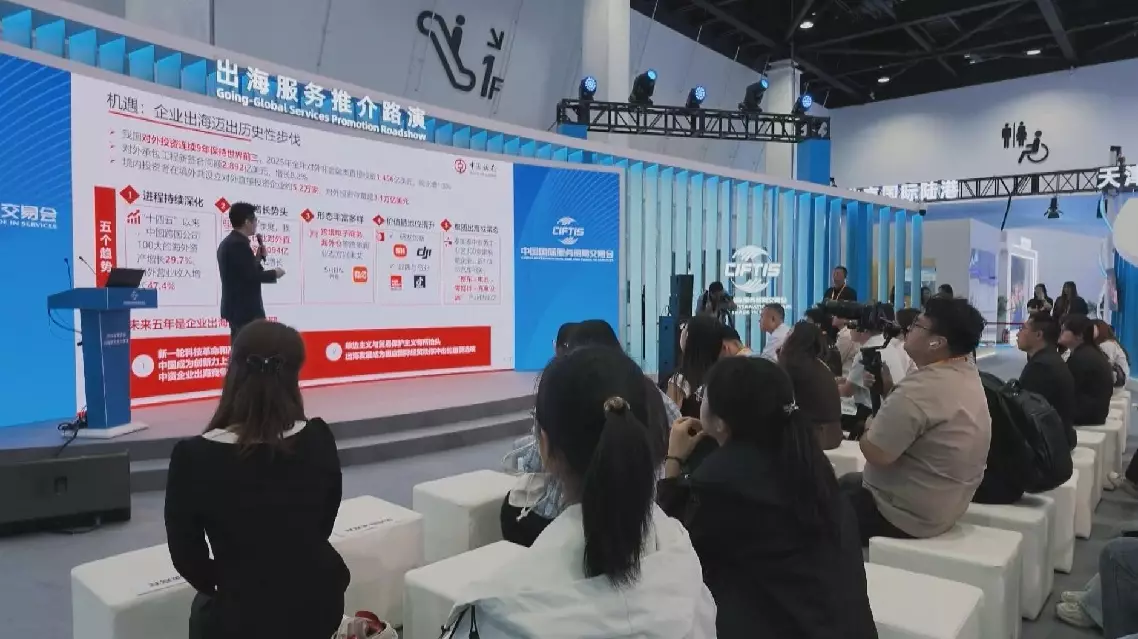
2026 CIFTIS concludes in Beijing, seals new service trade deals
The United Nations Development Program (UNDP) and China have implemented 39 South-South cooperation projects since 2011, benefiting nearly 20 million people across 26 countries, the UNDP China office said at an event marking the UN Day for South-South Cooperation.
The progress was released on Saturday in Hangzhou City, east China's Zhejiang Province, at a seminar attended by about 100 representatives from government agencies, academia and private sector. Participants discussed new pathways for sustainable development under the principle of "leaving no one behind."
Supported by Chinese funding, including the Global Development and South-South Cooperation Fund, the projects have helped rebuild homes and schools in climate-disaster-hit areas, helped children return to school, provided vocational training in multiple countries, offered targeted assistance to poor families, and promoted green technology for sustainable development in the Global South.
"Through cooperation, countries can collectively respond to global challenges that no one country can navigate alone. Notably, this spirit of cooperation has been reflected in China's increasing international development engagements. UNDP is proud to be a partner on this journey, working with China to advance international development cooperation that builds a more sustainable future while benefiting the most vulnerable," said Stefan Liller, UNDP's Resident Representative in China, in his address.
Participants at the seminar noted that cooperation with China focuses on concrete practice rather than abstract theories or concepts. They said China's rich experience and expertise in poverty reduction, industrial upgrading and digital transformation are increasingly being shared internationally through various forms of cooperation.
Addressing digital divide and other new challenges, participants called for ensuring that artificial intelligence and digital transformation create opportunities for all, rather than exacerbating or breeding inequality.
"China's is so recent and so vivid and so very much understood by its own people and its government and that gives it, I think, a unique platform from which to share with the rest of the world the climate transition, the energy transition, education, jobs and social protection. Each of these are areas where we are already working in that triangularity between a partner country, China, and the United Nations. And we really want to double down on that now," said Stephen Jackson, United Nations Resident Coordinator in China.
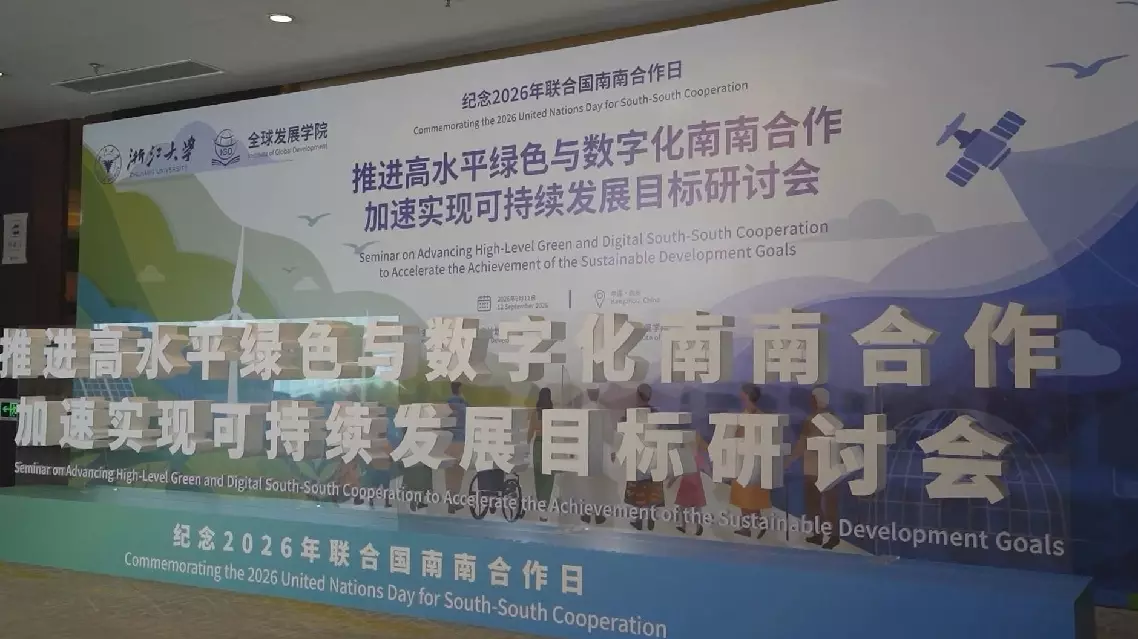
UNDP, China mark South-South Cooperation Day